A strategic bridge: Trump directs tariff revenue to farmers amid legal and market pressures
12/09/2025 / By Willow Tohi

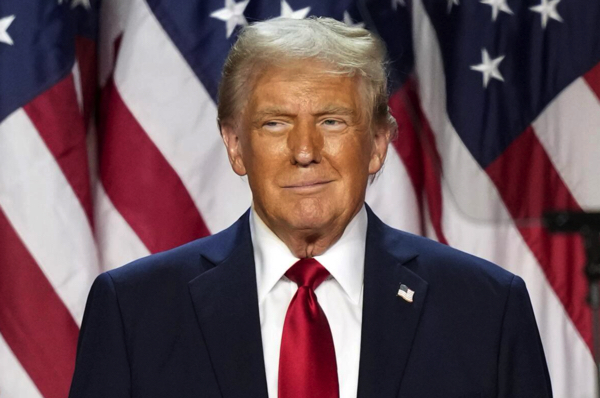
- President Donald Trump has announced a $12 billion aid package for U.S. farmers to offset losses stemming from his administration’s tariff policies.
- The aid, described as a temporary “bridge,” will be funded by tariff revenue and distributed via the Department of Agriculture.
- The announcement coincides with a pivotal Supreme Court case challenging the legal authority used to impose the tariffs.
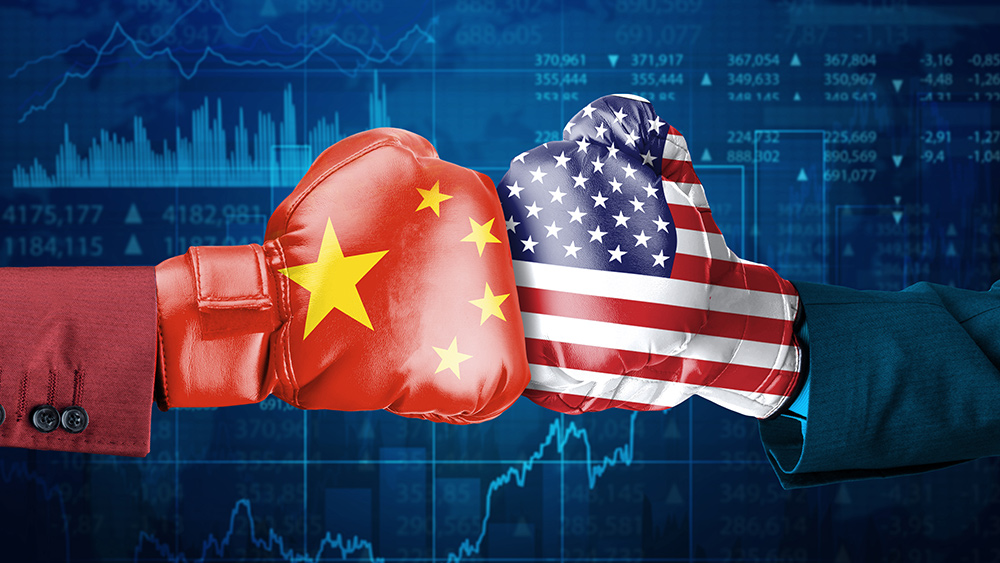
- The administration frames the tariffs and farm aid as intertwined tools of economic and national security policy.
- The move comes amid political pressure over consumer affordability, leading to some recent tariff carveouts on specific goods.
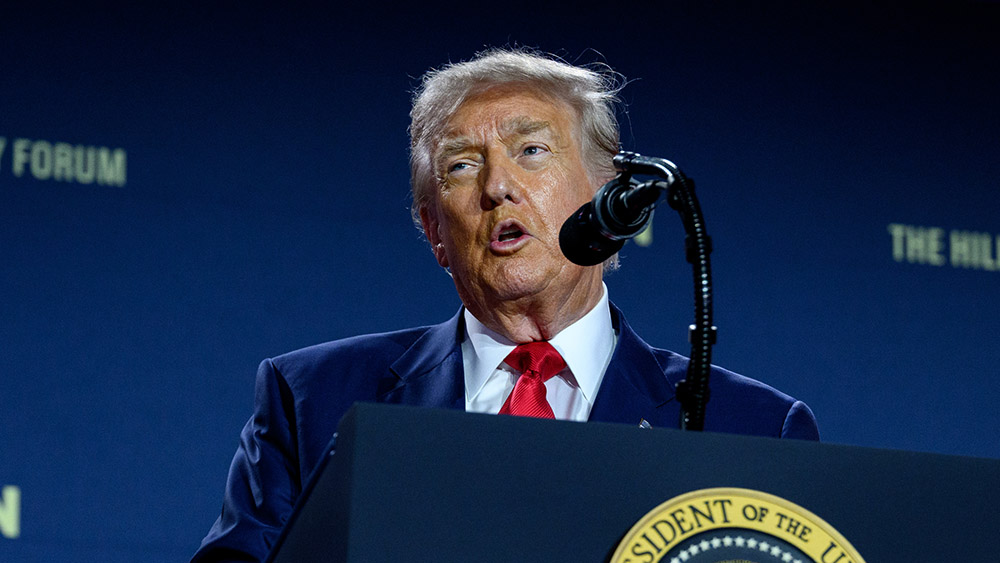
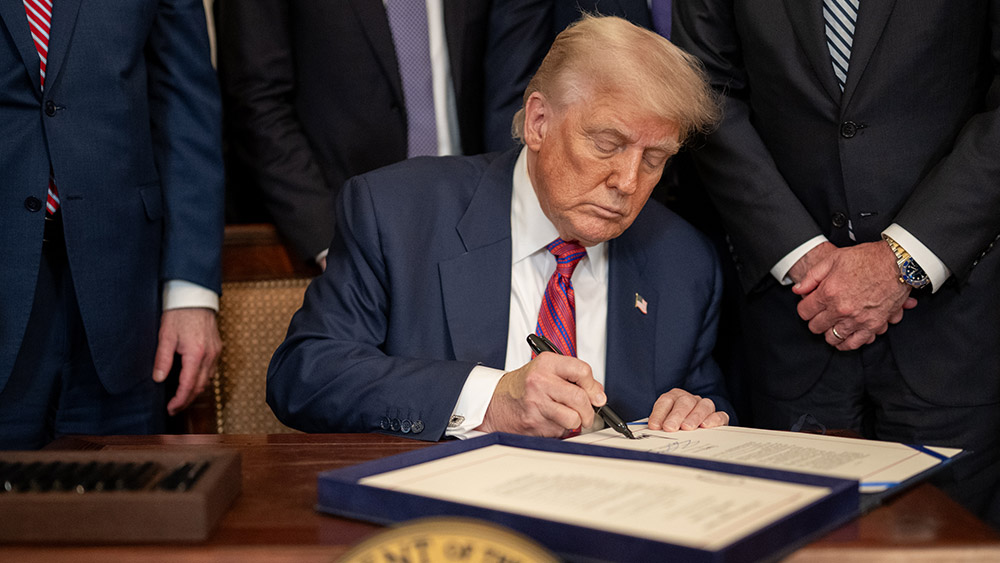
In a move blending economic policy with political necessity, the Trump administration unveiled a $12 billion financial relief package for American farmers on Monday, funded directly by federal tariff revenues. The plan, announced at a White House roundtable with key cabinet officials, is designed to stabilize a crucial political constituency grappling with the market disruptions caused by the president’s aggressive trade agenda. This initiative arrives as the legal foundation of that agenda faces a Supreme Court review and amid growing voter anxiety over the cost of living.
The aid package: A stopgap funded by trade policy
The substantial aid package targets commodity producers, particularly soybean farmers, who have borne the brunt of retaliatory tariffs and shifting global trade patterns. Administration officials, including Agriculture Secretary Brooke Rollins, framed the $12 billion as a critical “bridge” to sustain farmers through the current planting and financing cycle. The funds, to be administered through the USDA’s Commodity Credit Corporation, consist largely of direct payments intended to compensate for lost export income and rising operational costs. This approach mirrors aid programs deployed during Trump’s first term, which provided tens of billions to farmers affected by earlier trade disputes.
The administration explicitly linked the relief to its tariff strategy, stating the money would be drawn from the revenues collected on imported goods. This creates a direct, if controversial, policy loop: tariffs imposed on trading partners disrupt agricultural exports, and a portion of the income from those same tariffs is used to subsidize the affected farmers. Treasury Secretary Scott Bessent, a former soybean farmer, emphasized the forward-looking nature of the assistance, arguing it provides certainty for the 2026 growing season as the administration works to finalize new trade agreements.
Legal precipice: Tariff authority before the Supreme Court
The timing of the farm aid announcement is inextricably linked to a looming constitutional showdown. The Supreme Court is currently reviewing a legal challenge to the president’s use of the International Emergency Economic Powers Act (IEEPA) to justify sweeping tariffs. Lower courts have ruled that this application stretches the statute beyond its intent. A ruling against the administration could not only dismantle the tariff regime but also potentially force the government to refund billions of dollars already collected to importers.
President Trump has publicly vowed to preserve his tariff system regardless of the Court’s decision, calling it a swift and powerful tool essential for national security. The farm aid package can be seen as a political and economic buffer, aiming to maintain support within the agricultural sector even as the legal underpinnings of the policy that harmed it are contested. The outcome of the case will have profound implications for presidential trade powers and the future structure of U.S. international economic policy.
National security and economic realignment
Beyond immediate economic relief, the administration has consistently framed its tariff policy as a cornerstone of national security. In public remarks, President Trump has connected the use of trade leverage to broader strategic goals, including the negotiation of international agreements. The farm aid is presented as a necessary, short-term investment in this realignment, ensuring the domestic agricultural base remains viable while long-term deals are secured. This perspective positions farmers not merely as economic actors but as participants in a strategic effort to recalibrate global trade relationships and enhance American self-reliance.
However, this policy faces empirical and political headwinds. Economic analysts note that tariffs have not yet achieved a sustained reduction in the U.S. trade deficit, one of the president’s stated goals. Furthermore, the costs of tariffs are generally borne by U.S. importers and consumers, contributing to the very affordability concerns that now pressure the administration.
The affordability paradox and political pressure
The farm aid announcement unfolds against a backdrop of rising voter concern over the cost of groceries and essential goods, an issue that influenced recent state and local elections. In response, the administration has begun making selective tariff carveouts, reducing duties on items like beef, coffee and bananas to alleviate price pressures. This creates a complex political landscape: the president is simultaneously deploying tariffs as a primary policy tool while mitigating their most visible domestic impacts through targeted relief for both consumers and producers.
This dual-track approach highlights the tension at the heart of the policy. The $12 billion for farmers and the consumer good carveouts are tacit acknowledgments of the domestic economic disruptions caused by tariffs. They represent an effort to manage the political consequences while maintaining the core strategic use of trade duties as leverage.
A calculated gambit for rural America
The Trump administration’s $12 billion farm relief package is a multifaceted maneuver addressing immediate economic distress, impending legal risk and enduring political alliances. By funding the aid directly from tariff revenues, it creates a tangible link between the administration’s controversial trade actions and its support for a key demographic. The success of this “bridge” strategy hinges on several uncertain factors: a favorable Supreme Court ruling, the timely materialization of new trade deals, and the ability to contain broader inflationary pressures. As the legal and economic debates intensify, this aid package underscores the administration’s bet that short-term subsidies can sustain support for a long-term reordering of America’s role in the global economy.
Sources for this article include:
Submit a correction >>
Tagged Under:
agriculture, big government, bubble, economic riot, economy, farmers, finance riot, government debt, market crash, money supply, organic farming, pensions, risk, supply chain, tariffs, Taxes, trade wars, Trump, White House
This article may contain statements that reflect the opinion of the author
RECENT NEWS & ARTICLES