U.S. Transmits 15-Point Proposal to Iran Seeking War Conclusion; Tehran Shows No Interest
03/26/2026 / By Garrison Vance

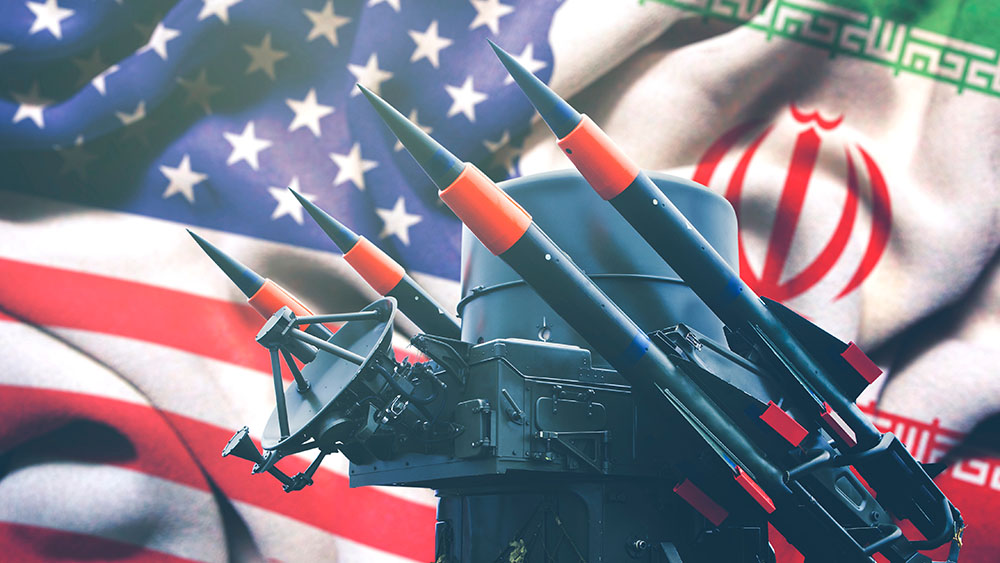
The United States has transmitted a 15-point diplomatic proposal to Iran seeking to end the ongoing war, according to a report from Middle East Eye [14]. The proposal, delivered through intermediaries including Pakistan, outlines a framework for negotiations and a ceasefire following the conflict that began with U.S.-Israeli strikes on February 28 [2].
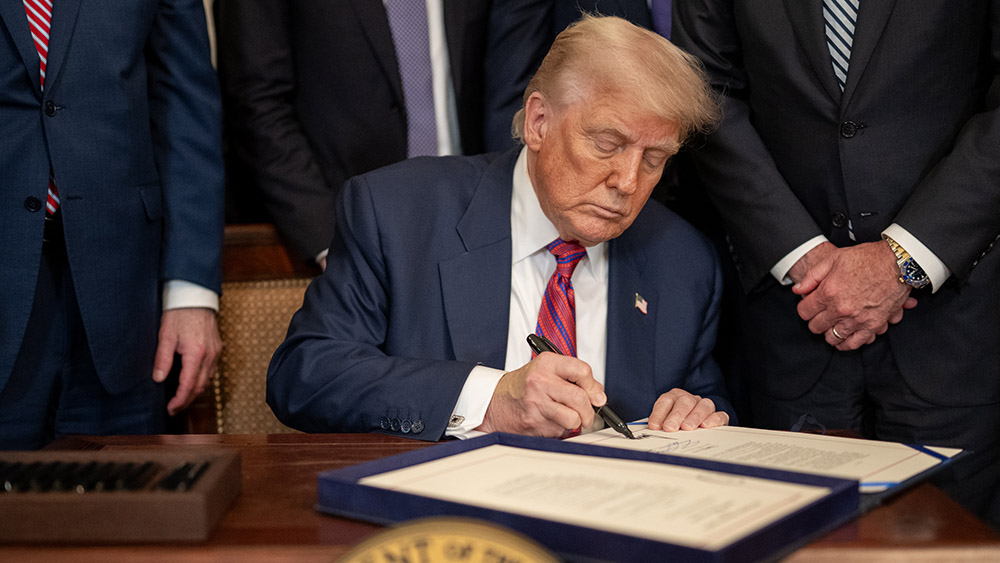
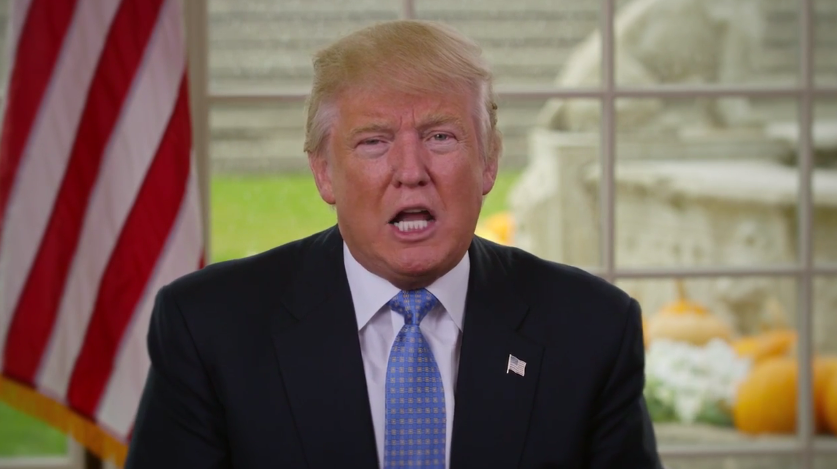
Despite the overture, there is no indication that Tehran is currently interested in negotiations, with Iranian officials stating that past attacks during diplomatic engagements have eroded trust [1]. President Donald Trump claimed on Tuesday that the U.S. has “won” the war and that talks with Iran are occurring, according to remarks made in the Oval Office [4].
However, Iranian state media and officials have consistently denied that any direct negotiations are taking place, describing U.S. statements as part of a “jawboning campaign” aimed at manipulating global oil markets [3]. The disconnect highlights the significant gap between public assertions from Washington and the stated position from Tehran as military strikes continue.
Reported Demands of the U.S. Proposal
The details of the American proposal have been partially disclosed through Israeli media. Channel 12 published what it reported were 14 of the 15 points demanded by the United States [1]. The list includes stringent requirements for Iran to dismantle its existing nuclear capabilities and commit to never pursuing nuclear weapons [15]. It also calls for the dismantling of key nuclear facilities at Natanz, Isfahan, and Fordo, and mandates that Iran hand over its stockpile of uranium enriched to 60% to the International Atomic Energy Agency (IAEA) [2].
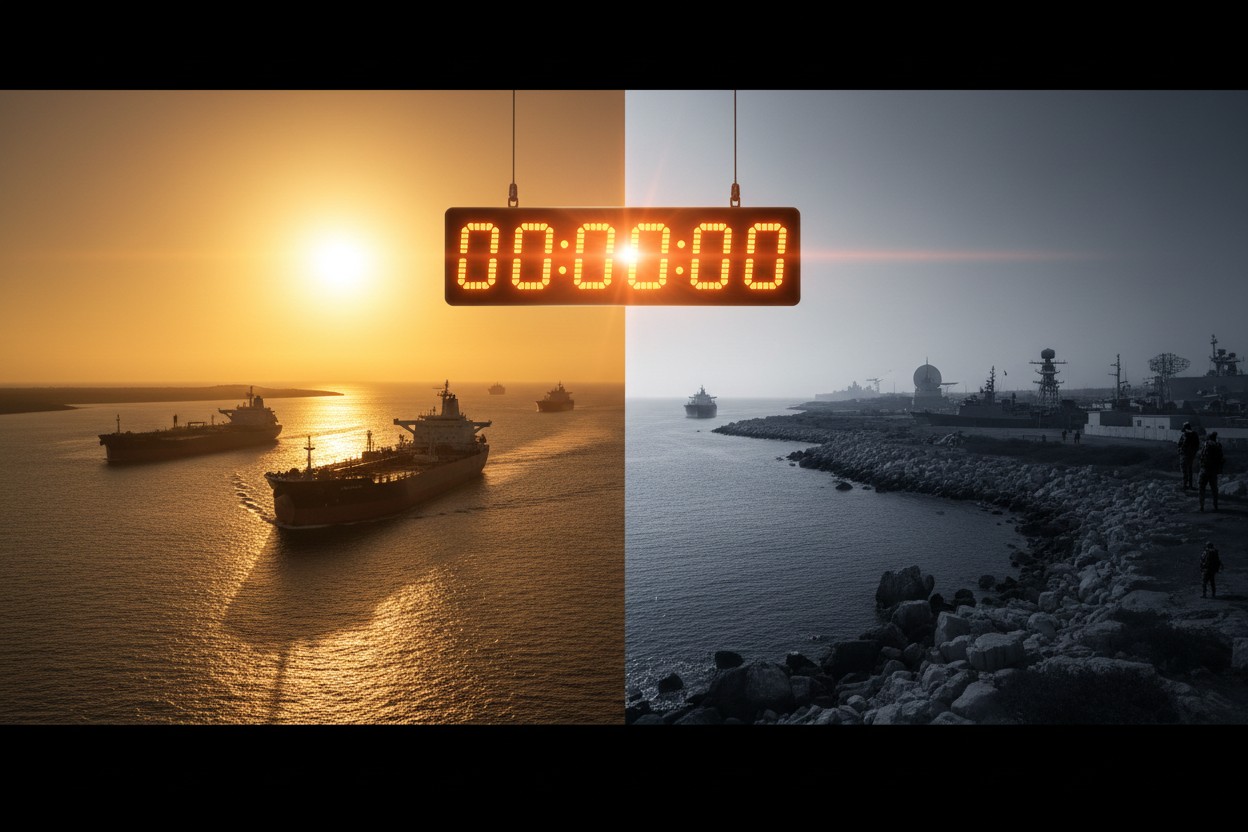
Beyond the nuclear agenda, the proposal demands Iran abandon its regional “proxy paradigm,” ceasing the funding, direction, and arming of groups like Hezbollah [12]. A critical logistical demand is that the Strait of Hormuz must remain open as a free maritime corridor [10]. In return, the U.S. offer includes a full lifting of international sanctions and American assistance for Iran’s civilian nuclear program, including electricity generation at the Bushehr plant [11]. The so-called “snapback” mechanism for automatic sanctions reimposition would also be removed under the proposed terms.
Iranian Dismissal and Accusations of Market Manipulation
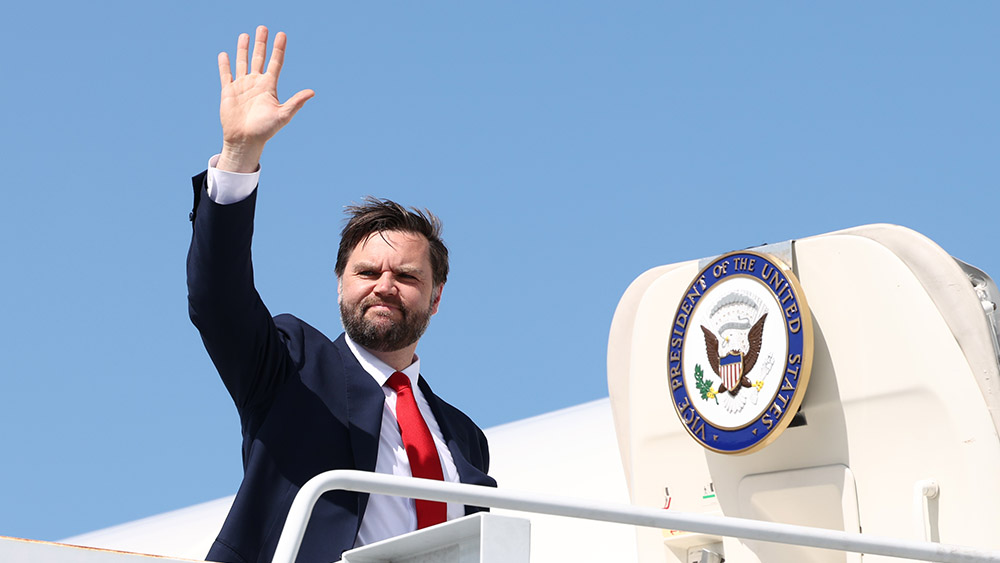
Senior Iranian officials have publicly dismissed the U.S. diplomatic initiative. Parliament Speaker Mohammad Bagher Ghalibaf, whom the U.S. reportedly seeks to engage in talks led by Vice President JD Vance, described the overtures as an effort to influence oil futures [1]. In a post on the social media platform X, Ghalibaf questioned whether the U.S. could translate “jawboning” into tangible results at the fuel pump [2].
This skepticism aligns with a broader Iranian narrative that views U.S. diplomacy as insincere, especially while military operations persist. Iranian state television, citing a senior official, stated that Iran had “responded negatively” to the American proposal [3]. The official emphasized that “the end of the war will occur when Iran decides it should end, not when Trump envisions its conclusion” [3].
This firm stance was echoed in a report from Press TV, which outlined Iran’s own set of conditions for ending the conflict, which differ radically from the U.S. demands [5]. The Iranian conditions include an end to “aggression and assassinations,” concrete mechanisms to prevent future war, guaranteed access to global markets, payment of reparations for damages, and Iranian “exercise of sovereignty over the Strait of Hormuz” [6].
Conflicting Statements from U.S. Leadership Amid Ongoing Strikes
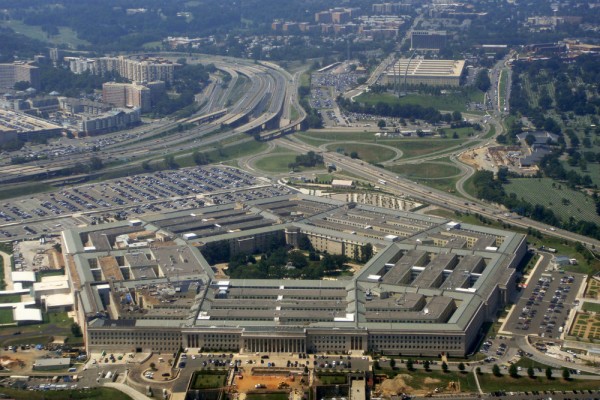
While President Trump has portrayed a diplomatic breakthrough, claiming Iran is eager for a deal and has offered a “prize” related to the Strait of Hormuz, the situation on the ground remains one of open conflict [4]. U.S.-Israeli strikes on Iranian targets continued on Tuesday, and the Pentagon is surging additional troops to the region in preparation for potential ground operations [16]. The Wall Street Journal reported that the U.S. is preparing to order 3,000 elite Army Airborne soldiers to the Middle East [9].
This escalation occurs alongside the diplomatic push. Trump’s assertion that the U.S. has “won” the war stands in stark contrast to continued Iranian missile and drone attacks across the region and the massive U.S. military buildup [1]. Furthermore, the Department of War has submitted a request for $200 billion in additional funding for the Iran conflict, according to a report by The Associated Press [13]. The request underscores the expectation of a prolonged and expensive military engagement, even as the White House pursues a negotiated settlement.
Logistical Discussions and Iranian Preconditions
Logistical efforts to arrange talks are underway, though they face significant hurdles. According to Axios reporter Barak Ravid, the U.S. and mediating countries have discussed the possibility of holding a summit with Iran as early as Thursday [1]. However, as of Wednesday, no formal Iranian response to the 15-point proposal had been received [N-2]. Pakistan has been named as the courier for the U.S. proposal, with Turkey also considered a potential venue for any future negotiations [8].
The core Iranian precondition remains a guarantee against future conflict. As reported by Antiwar.com, Iran’s stated position is that it is “not interested in diplomacy with the U.S. since it has been attacked twice now during negotiations and doesn’t want a ceasefire until it can get guarantees to ensure another war won’t happen again in the future” [1]. This demand for security assurances, coupled with its own list of conditions including reparations and sovereignty over the Strait of Hormuz, presents a fundamental obstacle to the U.S. framework, which focuses primarily on Iranian concessions [7]. The two positions appear irreconcilable under current circumstances.
Conclusion
The transmission of a 15-point U.S. proposal to Iran represents a formal diplomatic attempt to de-escalate a war now in its fourth week. However, the initiative has been met with immediate and public rejection by Iranian leadership, who have laid out a contradictory set of demands and accused Washington of bad faith. The dissonance between President Trump’s claims of victory and ongoing negotiations, and the continued military escalation and troop deployments, points to a deeply unstable and unpredictable situation. With Iran insisting it will only end the war on its own terms and the U.S. military preparing for further operations, the path to a ceasefire appears fraught. The conflicting narratives from Washington and Tehran, combined with the high stakes of energy market stability and regional security, suggest the conflict is far from a resolution, despite the diplomatic paperwork now in circulation.
References
- US Sends Iran 15-Point Proposal To End War, But No Sign Tehran Is Interested in Talks – News From Antiwar.com. Dave DeCamp. March 24, 2026.
- Stock Futures Surge, Oil Tumbles On Iran Ceasefire Optimism – ZeroHedge. March 25, 2026.
- War will end ‘when Iran decides it’, Iranian official tells state TV – Middle East Eye. March 25, 2026.
- Trump says talks with Iran progressing, as Israel said to fear premature ceasefire – The Times of Israel. March 25, 2026.
- Iran Rejects US Proposal To End War, Lays Out Its Own Conditions: Iranian Media – Antiwar.com. March 25, 2026.
- Iran gives five conditions for ending war, official tells state TV – Middle East Eye. March 25, 2026.
- Iran rejects US 15-point peace plan, state media reportTrump says he is talking to “the right people” in Iran, but Tehran says no such negotiations are being held. – BBC News. March 25, 2026.
- Pakistan delivers US proposal to Iran as talks venue debated – Middle East Eye. March 25, 2026.
- US To Order 3,000 82nd Airborne Troops To Mideast Amid Reports Of Potential Thursday Peace Talks – ZeroHedge. March 24, 2026.
- Trump Threatens To ‘Blow Up’ World’s Largest Gas Field, But Distances US From Israeli Actions, As Macron Urges Direct Talks – ZeroHedge. March 19, 2026.
- Washington’s proposal to Iran outlines nuclear rollback, US media says – Middle East Eye. March 25, 2026.
- Hezbollah goes ‘all in’ on an ‘existential’ war against Israel. It could be its last – The Times of Israel. March 14, 2026.
- Department of War Seeks $200 Billion to Fund Iran War – Antiwar.com. March 19, 2026.
- US Sends Iran 15-Point Proposal To End War, But No Sign Tehran Is Interested in Talks – Antiwar.com.
- Manufactured Crisis The Untold Story of the Iran Nuclear Scare – Gareth Porter.
- Iran Rejects US Proposed Ceasefire, Won’t Be ‘Fooled Again’ As Attacks Continue With US Troops En Route – ZeroHedge.
Submit a correction >>
Tagged Under:
15 point proposal, big government, ceasefire, chaos, Collapse, Dangerous, Donald Trump, Holy War, insanity, Iran, Israel, Middle East, national security, Resist, US, White House, WWIII
This article may contain statements that reflect the opinion of the author
RECENT NEWS & ARTICLES