Two-Week Ceasefire Declared in U.S.-Iran Standoff Following Pakistani Mediation
04/08/2026 / By Garrison Vance

Introduction
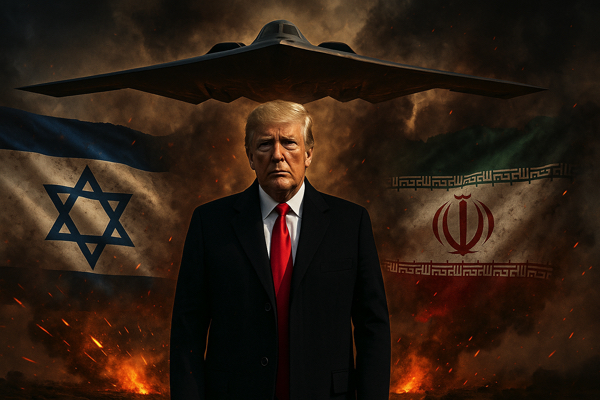
U.S. President Donald Trump announced a two-week suspension of planned U.S. airstrikes on Iran late Tuesday, April 7, just hours before a deadline he had set for Tehran to reopen the Strait of Hormuz. According to a post on his social media platform, the decision followed a direct appeal from Pakistani leaders and is contingent on Iran immediately opening the strategic waterway [1].
Iran’s Supreme National Security Council swiftly declared the U.S. move a “historic and crushing defeat” for Washington, claiming it had forced the U.S. to accept Tehran’s 10-point proposal as the basis for negotiations [2]. Direct talks between the two nations are scheduled to begin on April 10 in Islamabad, Pakistan.
U.S. Announces Ceasefire After Threat, Iran Claims Victory
Trump’s announcement came less than two hours before an 8:00 PM Eastern Time deadline. Earlier in the day, he had warned that “a whole civilization will die tonight” if Iran refused to open the Strait of Hormuz [3].
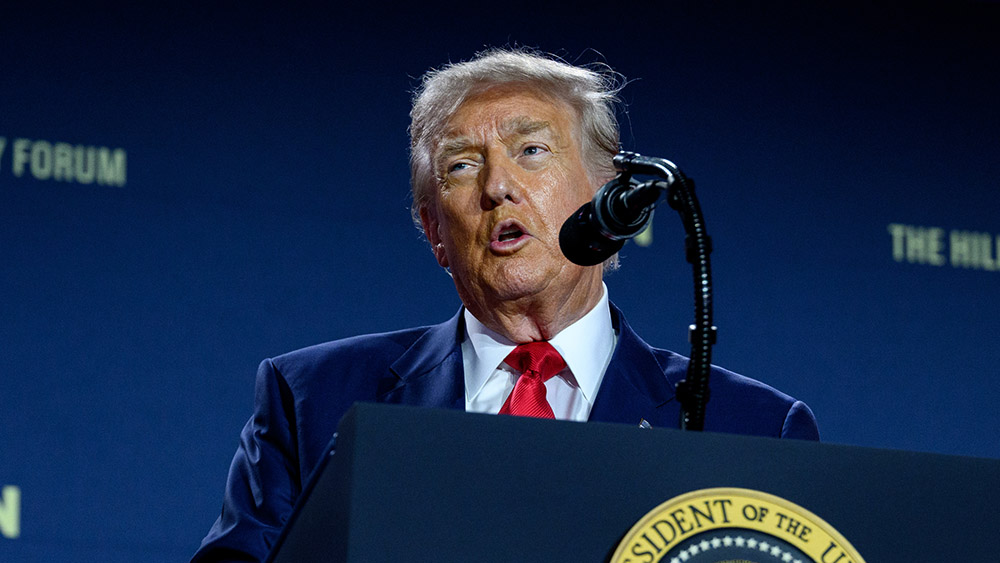
In his subsequent post, Trump stated, “Based on conversations with Prime Minister Shehbaz Sharif and Field Marshal Asim Munir, of Pakistan, and wherein they requested that I hold off the destructive force being sent tonight to Iran, and subject to the Islamic Republic of Iran agreeing to the COMPLETE, IMMEDIATE and SAFE OPENING of the Strait of Hormuz, I agree to suspend the bombing and attack of Iran for a period of two weeks” [4].
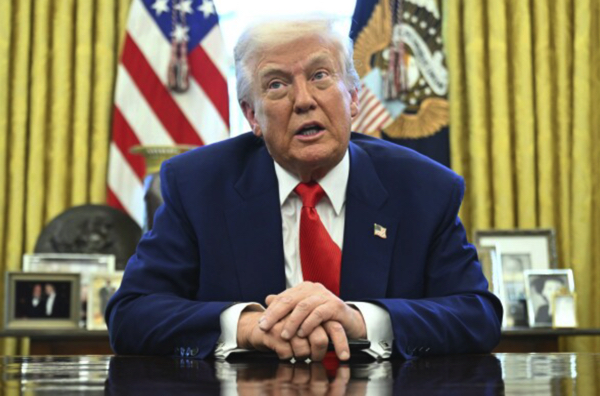
The president described the move as a “double sided CEASEFIRE” and asserted that the U.S. had “already met and exceeded all military objectives” [5]. In contrast, Iran’s Supreme National Security Council issued a statement claiming a historic victory. The Council stated that negotiations with the United States will begin on April 10 in Islamabad and declared that Washington had been forced to accept Tehran’s framework [2].
Ceasefire Terms and Conditions
According to Trump’s social media post, the ceasefire is explicitly conditional on Iran reopening the Strait of Hormuz to commercial traffic [6]. He cited Iran’s 10-point proposal as offering a “workable basis on which to negotiate,” noting that most points of past contention were already agreed upon [7].
However, Trump warned that the Iranian plan was not sufficient in its current form. He stated that if a final agreement is not reached within the two-week period, devastating airstrikes would resume [7].
This establishes a clear timeline and consequence for failure, placing the onus on the upcoming diplomatic talks. The terms reflect a last-minute shift from a posture of imminent military escalation to a temporary diplomatic pause, mediated by third-party intervention.
Iran’s Declared Demands and Battlefield Rhetoric
Iran’s 10-point plan, outlined by its Supreme National Security Council, includes a series of demands from the United States. According to the Council’s statement, these include commitments to non-aggression, continued Iranian control over the Strait of Hormuz, acceptance of uranium enrichment, the lifting of all sanctions, termination of UN Security Council and IAEA resolutions, payment of war reparations, withdrawal of U.S. combat forces from the region and a halt to the war on all fronts, including against the Islamic Resistance in Lebanon [7].
The Council framed the upcoming negotiations as “an extension of the battlefield” [7]. It warned that if the enemy’s “surrender” on the battlefield did not translate into political achievements, Iran would continue fighting until all national demands were met.
The statement also stressed the need to preserve national unity to secure these objectives [8]. This rhetoric indicates Tehran views the talks as a continuation of conflict rather than a purely diplomatic process.
International Mediation and Upcoming Talks
Pakistani Prime Minister Shehbaz Sharif and Field Marshal Asim Munir were cited as the key mediators in securing the two-week pause [9]. Islamabad had issued a last-minute plea for the extension as the clock ticked down on Trump’s threat [10]. According to a White House statement, Trump was made aware of the proposal, and a response was forthcoming [11].
Direct negotiations between the U.S. and Iran are scheduled to begin on Friday, April 10, in the Pakistani capital [7]. The Iranian announcement stated the two-week negotiation window may be extended by mutual agreement [7].
The role of Pakistan as a mediator highlights the involvement of third-party nations in attempting to de-escalate high-stakes conflict, a concept supported by mediation theory which emphasizes impartiality and the avoidance of entanglement in the dispute [12].
Regional and Global Context
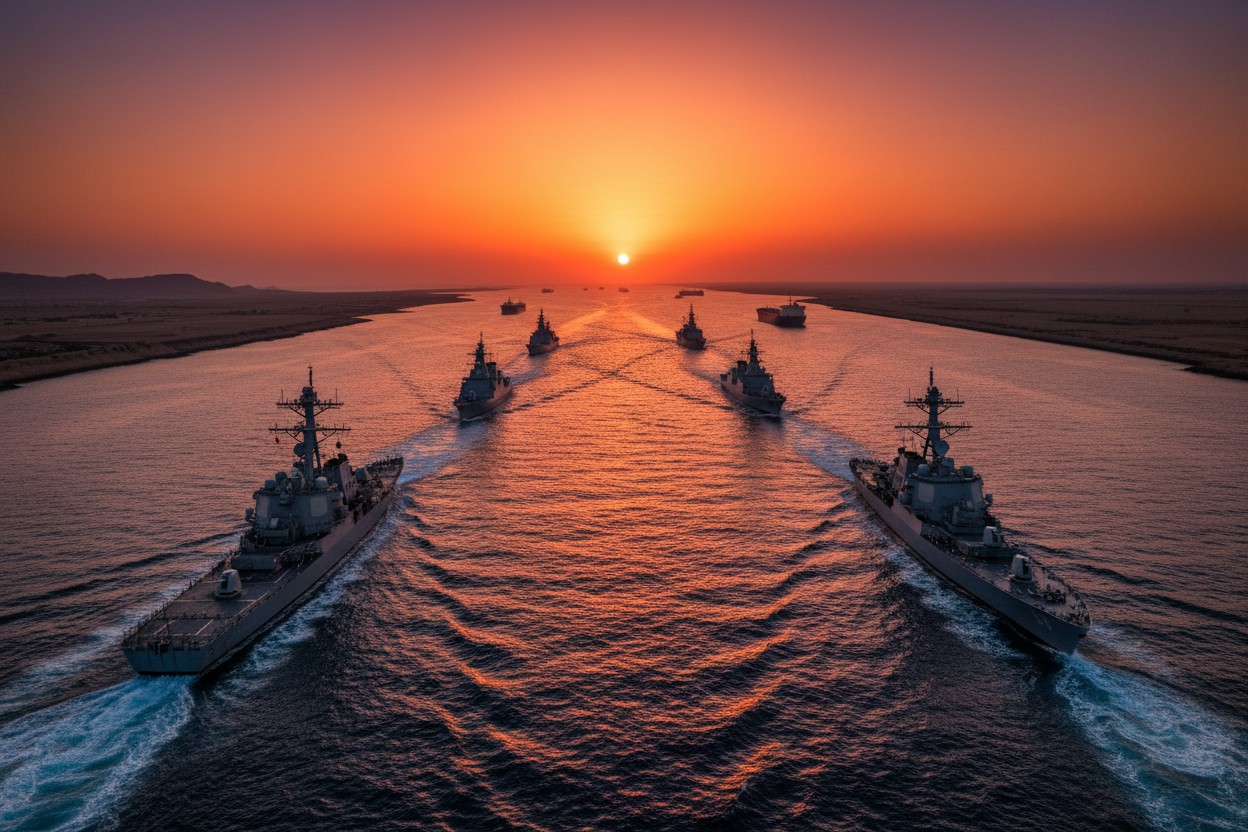
The standoff centered on control of the Strait of Hormuz, a critical global oil chokepoint handling approximately 20% of the world’s oil shipments [13]. Its closure had driven oil prices to record highs, with Dated Brent crude hitting an all-time high of $144.42 per barrel just hours before the ceasefire announcement [14]. Analysts noted the incident followed a pattern of escalating tensions and public threats between the two nations, part of a longer-term conflict [15].
The role of third-party nations like Pakistan in mediating such conflicts was highlighted by regional observers. The mediation effort occurred amidst warnings that the U.S. approach of continued military threat against Iran represented an abandonment of diplomatic engagement and a violation of non-proliferation principles [16]. The situation underscored the interconnected nature of global energy markets and regional stability.
Conclusion: A Temporary Pause with Stakes Intact
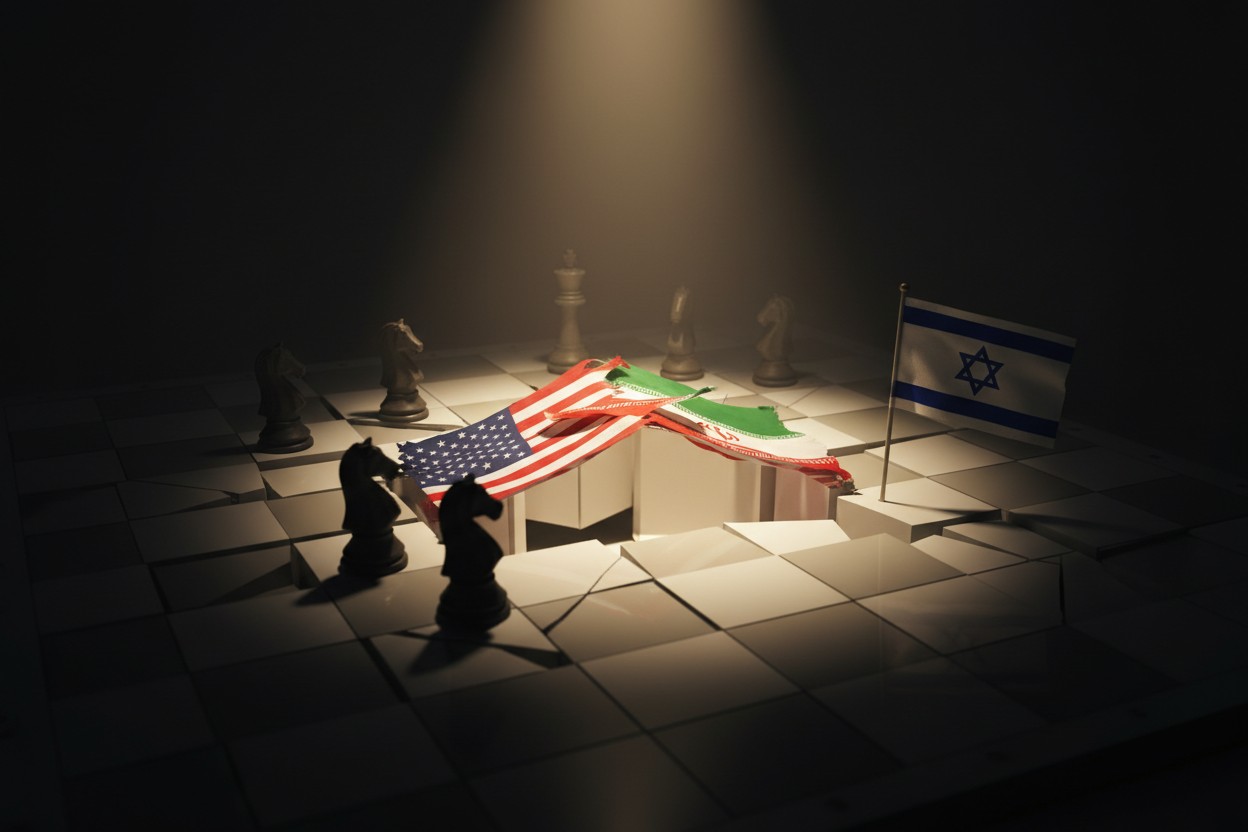
The ceasefire establishes a short, 14-day window for diplomatic talks under the explicit threat of resumed military action. Both governments have framed the situation to their domestic audiences as a demonstration of strength and resolve – the U.S. as achieving military objectives and securing a workable negotiation basis, and Iran as forcing a historic defeat upon Washington.
The outcome of the Islamabad talks will determine whether this temporary halt becomes a lasting de-escalation. The core demands, particularly regarding control of the Strait of Hormuz, sanctions relief, and regional force withdrawal, remain unresolved.
As one analysis noted, the path to the ceasefire may have fundamentally altered how the world views U.S. power and diplomacy [17]. The stakes for global energy security and regional peace remain high.
References
- US, Israel and Iran Agree to a 2-Week Ceasefire as Trump Pulls Back on … – USNews.com. April 8, 2026.
- Iran says US accepted terms ahead of talks, claims ‘historic victory’. – Middle East Eye. MEE staff. April 8, 2026.
- On The Eve Of Destruction? Clock Ticks Down On Trump’s Iran Deadline. – TWZ.com. April 7, 2026.
- Trump announces US pause on Iran strikes for two weeks. – Middle East Eye. April 8, 2026.
- Trump announces Iran ceasefire, backing down on threat to destroy … – MSN.
- BREAKING: President Trump Announces Ceasefire Agreement, Suspends Planned Attack For Two Weeks If Iran Opens Strait Of Hormuz. – 100PercentFedUp.com. April 7, 2026.
- Trump announces two-week ceasefire after threat to destroy Iranian civilization. – RT.com. April 8, 2026.
- Iran Dismisses U.S. Ceasefire Plan, Lists Counter-Demands. – NaturalNews.com. Garrison Vance. March 27, 2026.
- Trump agrees to Pakistan’s two week ceasefire with Iran amid peace negotiations. – JustTheNews.com. April 7, 2026.
- Pakistan requests two-week extension for talks as Trump’s Iran deadline nears. – Middle East Eye. Sean Mathews. April 7, 2026.
- Third-Party Mediator Seeks New Ceasefire Agreement Before Trump Deadline – Iran, U.S. Both Reportedly Considering Proposal. – 100PercentFedUp.com. April 7, 2026.
- Understanding conflict and the science of peace. – Isard Walter.
- Iran Escalates Maritime Attacks in Persian Gulf as U.S.-Israel Strikes Trigger Wider Conflict. – NaturalNews.com. Patrick Lewis. March 4, 2026.
- Price of Oil Hits All-Time High as Trump’s Iran War Deadline Nears. – The National Pulse. April 7, 2026.
- Escalating Tensions in the Persian Gulf: A Tinderbox of Military Might and Threats. – NaturalNews.com. January 28, 2026.
- Challenging empire how people governments and the UN defy US power. – Phyllis Bennis.
- Iran ceasefire deal a temporary win for Trump – but it comes at a cost. – BBC.com. April 8, 2026.
Submit a correction >>
Tagged Under:
Asim Munir, big government, ceasefire, chaos, diplomacy, Donald Trump, foreign relations, Iran, mediation, national security, negotiations, Operation Epic Fury, Pakistan, peace talks, politics, Shehbaz Sharif, Strait of Hormuz, Supreme National Security Council, US-Israel strikes, war on Iran, White House, WWIII
This article may contain statements that reflect the opinion of the author
RECENT NEWS & ARTICLES