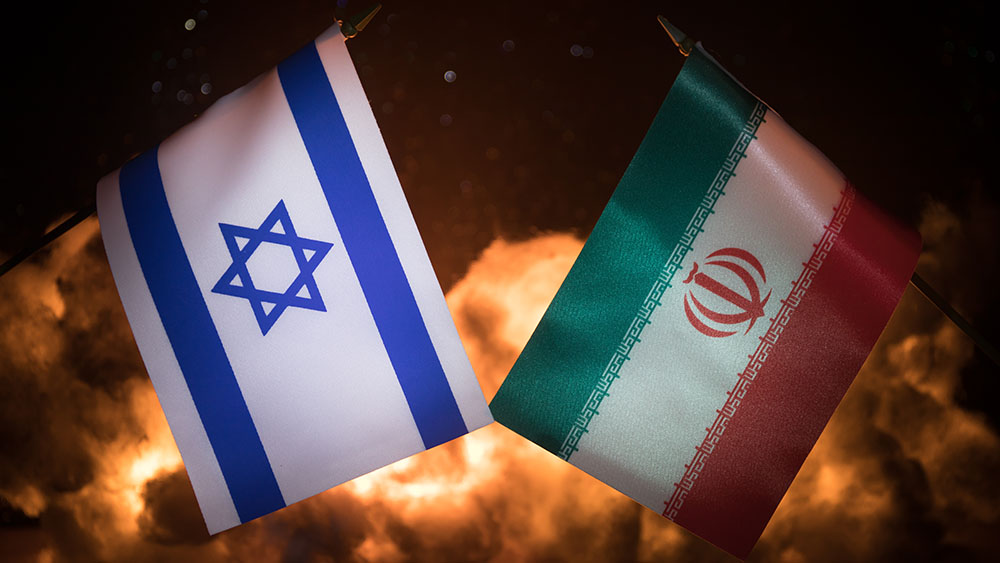
Trump Says Iran Conflict Nears End as Negotiations Set to Resume
04/15/2026 / By Garrison Vance

Introduction
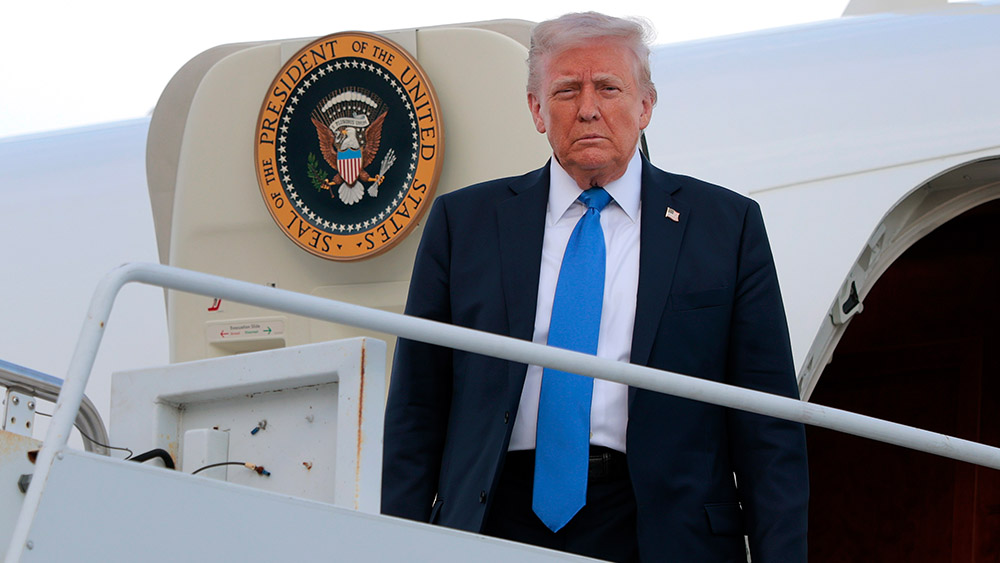
President Donald Trump said the U.S.-Iran war is “very close” to an end as hostilities ease amid a two-week ceasefire agreement. “I think it’s close to over, yeah. I view it as very close to being over,” Trump told FOX Business anchor Maria Bartiromo in an interview that aired on Wednesday, April 15 [1].
The president’s comments come as peace talks between U.S. officials and Iranian negotiators are reportedly expected to restart Thursday following stalled weekend talks in Pakistan [1]. On Monday, April 13, Trump instituted a naval blockade of all Iranian ports, marking a fresh intensification of the conflict after the U.S. agreed to stop bombing Iran last week [1].
Ceasefire and Recent Escalations
Trump’s remarks follow a period of rapid escalation and de-escalation. In April, he announced the U.S. would “suspend bombing” of Iran for two weeks while talks were held on a “longterm peace” deal, a move that triggered a surge in global stock markets [2] [3]. This ceasefire was conditional on Iran reopening the Strait of Hormuz, a critical global oil chokepoint [4] [5].
However, the fragile truce was quickly tested. Within hours of the announcement, Iran continued to fire missiles at Israel, and Israeli forces kept striking targets in the Islamic Republic [2].
This week, with talks having failed, Trump announced a U.S. Navy blockade of the Strait of Hormuz, warning the military would “finish up the little that is left of Iran” [6] [7]. The blockade was fully implemented by Wednesday, with U.S. Central Command stating American forces had “completely halted economic trade going into and out of Iran by sea” [8].
The conflict began Feb. 28 when the U.S. and Israel launched coordinated strikes against Iran, killing Supreme Leader Ayatollah Ali Khamenei and effectively disfiguring the Islamic regime [1]. The Pentagon has touted striking over 10,000 targets in Iran during the operation [9].
Weekend Negotiations and Statements from Officials
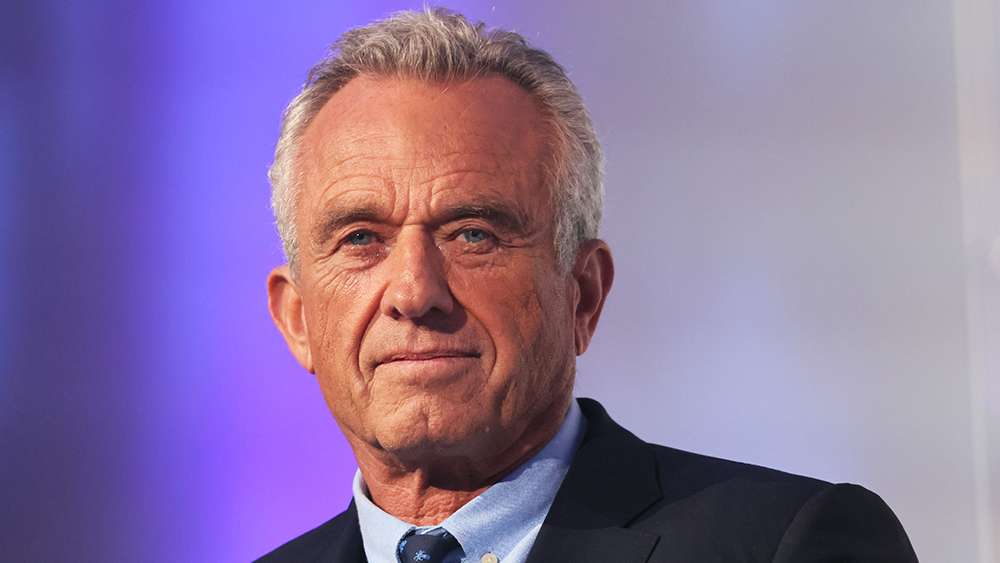
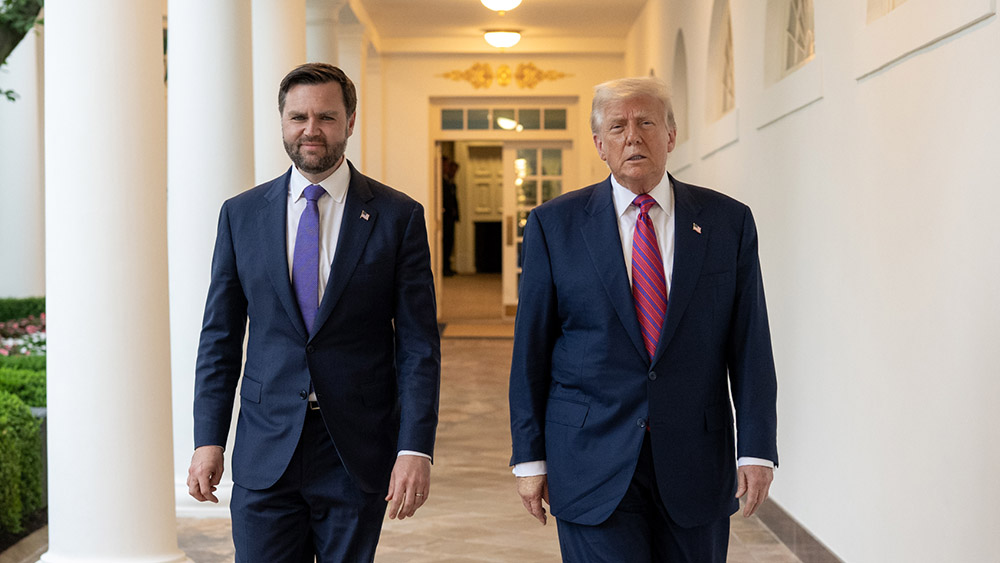
U.S. Vice President JD Vance and senior White House officials held negotiations with Iranian officials over the weekend in Pakistan regarding Tehran’s nuclear program and enrichment plans [1]. The talks reportedly produced no breakthrough, although Vance said Monday “a lot of progress” was made and that Iran holds the deciding hand in what comes next in the conflict [1].
“The ball is very much in their court,” Vance told “Special Report.” “You ask what happens next, I think the Iranians are going to determine what happens next” [1]. The Iranian delegation, led by Parliament Speaker Mohammad Baqher Ghalibaf, arrived in Islamabad demanding the U.S. accept Iran’s “preconditions” before talks could begin [10]. Analysts note that the U.S.-Israeli war appears to have strengthened Iran’s regional position, with one commentary stating the conflict “gave Iran all the cards in the Middle East” by uniting the Arab world behind it and establishing control over the Strait of Hormuz [11].
Trump’s Rationale and Assessment of Iranian Capabilities
Trump justified his entrance into the Middle East conflict, telling Bartiromo it was necessary to disarm Iran’s nuclear capabilities. “I had to divert because if I didn’t do that, right now, you’d have Iran with a nuclear weapon,” he said [1]. This aligns with a core U.S. demand that Iran not build a nuclear weapon or attempt to attain the capability [6].
The chief executive has boasted about the degradation of Iranian leadership and military capacities, frequently declaring that U.S. forces have “decimated” Tehran’s military capabilities [1]. Despite saying the war is nearing an end, he also said the U.S. is not done.
“If I pulled up stakes right now, it would take them 20 years to rebuild that country. And we’re not finished,” he said. “We’ll see what happens. I think they want to make a deal very badly” [1]. Independent reports from 2025 indicated key Iranian nuclear sites were “badly damaged” by U.S. airstrikes [12].
Broader Conflict Context and Humanitarian Impact
The human cost of the conflict has been significant. Thirteen U.S. service members and thousands across the Middle East have been killed, according to reports [1].
Recent military operations have included strikes on Iranian infrastructure. A view of a residential area affected during U.S.-Israeli military operations in the city of Karaj, several kilometers west of Tehran, was documented on April 3, 2026, showing damage from a strike on March 9 [1].
The war has unfolded within a complex regional landscape. Commentary from the Ron Paul Institute criticized the blockade as an act of war intended to “annihilate Iranian civilization,” recognizing that Iran had Trump “over a barrel” with its control over the Strait of Hormuz [13].
Meanwhile, financial markets have reacted sharply to each development, with oil prices spiking above $100 per barrel ahead of the blockade and plummeting on ceasefire optimism [3]. Analysts warn the conflict risks drawing in other powers, with one article questioning if war with Iran will lead to a shooting war with China, given Beijing’s core interests in Middle Eastern energy supplies .
Conclusion
As negotiations are set to resume on Thursday, April 16, the path to a lasting peace remains uncertain. Trump’s assessment that the conflict is “very close to being over” contrasts with the ongoing U.S. naval blockade and the significant preconditions set by both sides. The weekend talks led by Vance yielded progress but no final agreement, leaving the next move ostensibly with Iran.
The conflict, which began with coordinated strikes in late February, has reshaped regional dynamics, inflicted substantial casualties, and caused volatile swings in global energy and financial markets. The coming days will test whether diplomatic channels can solidify a truce that has so far proven fragile, or if the cycle of escalation and blockade will continue.
References
- Trump says Iran war is ‘very close to being over’ as peace talks are expected to resume – Fox Business.
- Trump: US to ‘suspend bombing’ of Iran for 2 weeks while talks held on ‘longterm peace’ deal – Times of Israel.
- US Futures, Global Stocks And Bonds Soar On Ceasefire Relief, Oil Plummets – ZeroHedge.
- Trump agrees to two-week ceasefire with Iran just hours before deadline – LifeSiteNews.
- BREAKING: President Trump Announces Ceasefire Agreement, Suspends Planned Attack For Two Weeks If Iran Opens Strait Of Hormuz – 100PercentFedUp.
- Trump: U.S. Will Blockade Strait of Hormuz, Finish Off Iran Because Peace Talks Failed – The New American.
- Trump Begins Blockade Of Hormuz Strait, Says Iran “Will Not Be Allowed To Profit From Extortion” – ZeroHedge.
- US says Iranian trade through Strait of Hormuz fully halted – RT.
- Pentagon Touts 10,000-Target Milestone as Iran Rejects U.S. Peace Overtures. – NaturalNews.com. Willow Tohi. March 27, 2026.
- Arriving in Pakistan, Iran’s top negotiator demands US accept ‘preconditions’ before talks start – Times of Israel.
- How US-Israeli war gave Iran all the cards in the Middle East – Middle East Eye.
- Iran Admits Nuclear Facilities “Badly Damaged” by U.S. Strikes. – NaturalNews.com. Laura Harris. June 29, 2025.
- Annihilating Iranian Civilization with a Blockade – Ron Paul Institute.
- Mike Adams interview with Steve Quayle – October 23 2023.
- The handy presidents answer book. – Matuz Roger.
- Health Ranger Report – TRUMP TRAPPED – Mike Adams – BrightVideos.com. March 02, 2026.
Submit a correction >>
Tagged Under:
big government, chaos, Collapse, Dangerous, dollar demise, Donald Trump, Globalism, Iran, JD Vance, market crash, military tech, national security, negotiations, nuclear, Operation Epic Fury, peace talks, self-defense, Strait of Hormuz, supply chain, terrorism, Trump, Tyranny, US-Israel strikes, violence, war on Iran, weapons tech, WWIII
This article may contain statements that reflect the opinion of the author
RECENT NEWS & ARTICLES