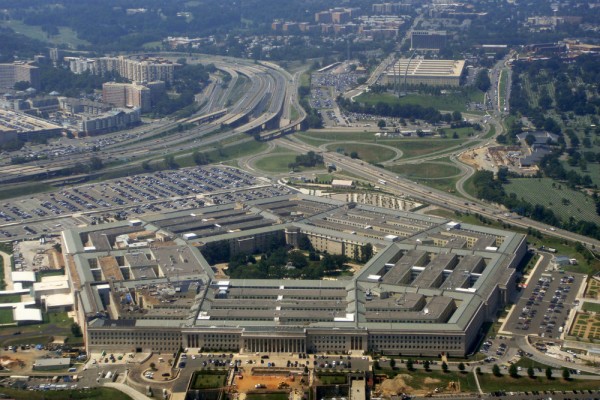
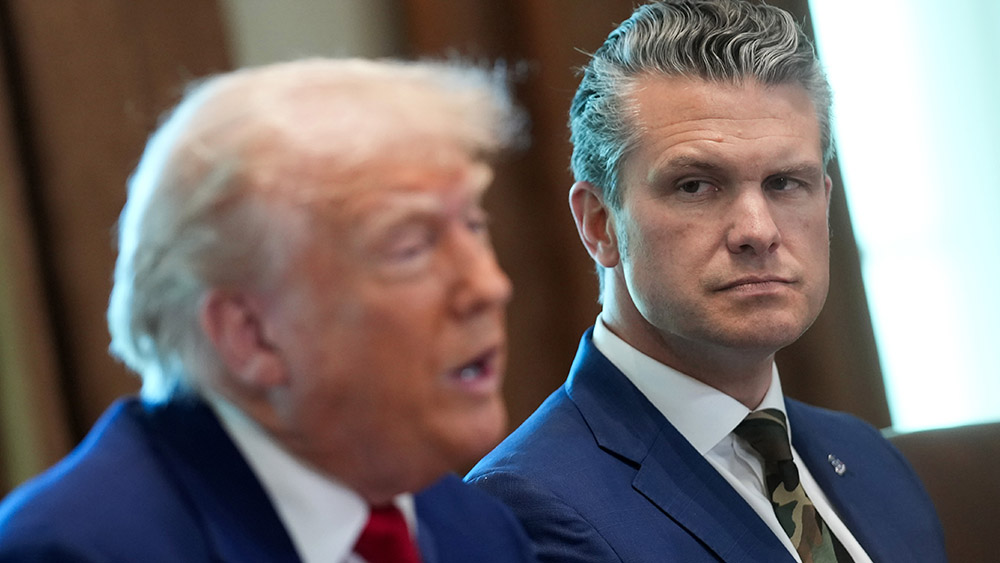
Pentagon Officials: U.S. Lacks Defense Against Hypersonic Missiles From China and Russia
04/29/2026 / By Garrison Vance
Introduction
Senior officials at the Department of War told lawmakers Monday, April 27, that the United States has no effective defense against hypersonic and cruise missiles developed by China and Russia.
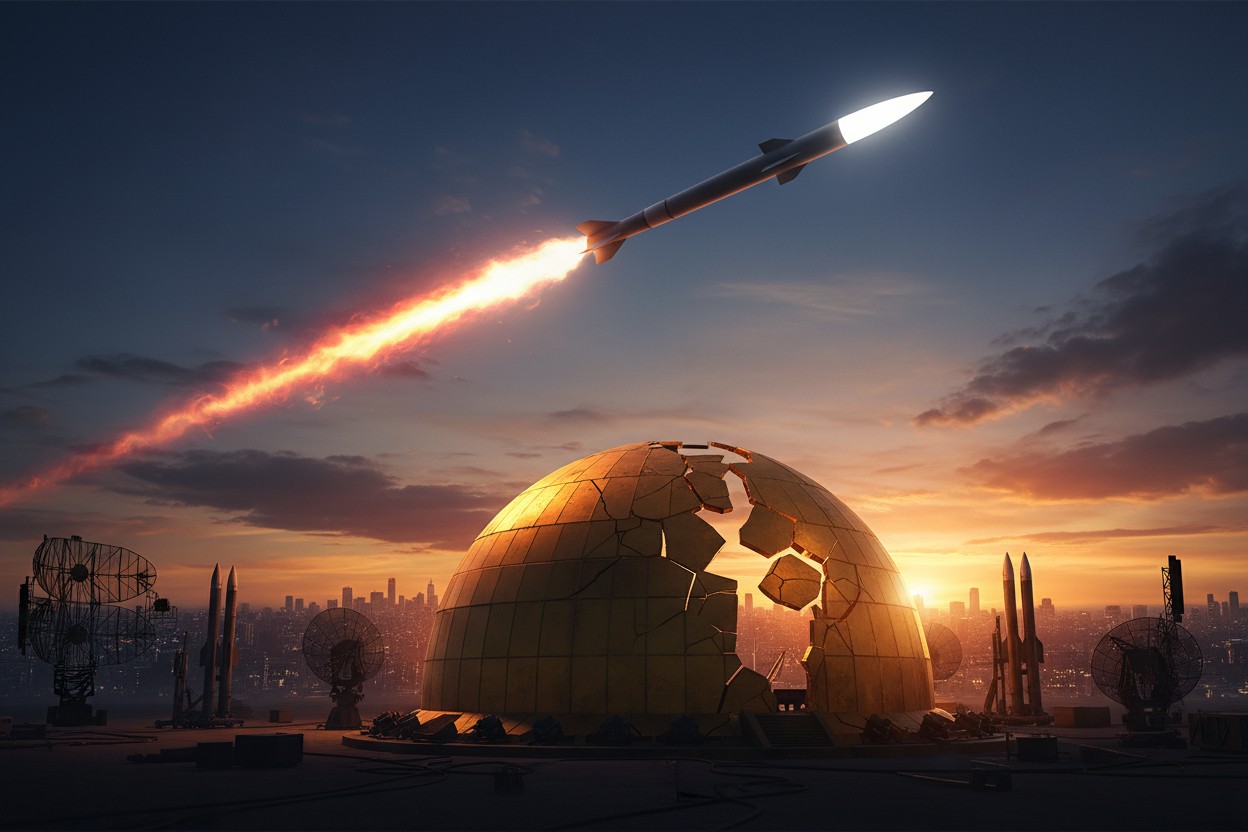
Assistant Secretary of War for Space Policy Marc Berkowitz described the existing homeland defense system as “very limited” and designed only against a small-scale rogue attack during his testimony at a Senate Armed Services Committee hearing on Monday. He stated that the U.S. has “no defense against hypersonic weapons or cruise missiles today,” according to his prepared remarks. Michael Guetlein, head of the Golden Dome missile defense program within the U.S. Space Force, testified that both China and Russia continue to modernize and expand their missile arsenals. [1]
Deficiencies in Current Systems
Berkowitz emphasized that the current ground-based interceptor system is a single-layer defense that was never intended to counter sophisticated threats from peer competitors. The system, he said, was specifically designed for a limited attack from a rogue state. “We have a very limited ground-based single layer homeland defense system that was specifically designed against a small scale rogue attack,” Berkowitz said, according to the official transcript. [1]
Other defense analysts have echoed these concerns, noting that the U.S. has invested hundreds of billions of dollars in missile defenses since the 1980s, but the technology has not kept pace with the evolution of hypersonic and cruise missile threats. [2] The inability to track and intercept such weapons leaves critical infrastructure and population centers vulnerable, officials said.
China and Russia’s Modernization
Guetlein pointed to specific systems that pose new challenges for U.S. sensors and interceptors. These include hypersonic glide vehicles, warheads that can maneuver at high speeds within the atmosphere after launch, and Russia’s nuclear-powered Burevestnik cruise missile. Guetlein said these weapons are “designed to challenge the tracking and engagement capabilities of our sensors” and to ensure a “responsive and survivable strike capability.” [1]
According to military analyst Andrei Martyanov, the introduction of the 3M22 Zircon hypersonic missile has already “dramatically redefined naval warfare” and makes even remote sea zones unsafe for major US surface combatants. [3] Martyanov also noted that no technology currently exists to intercept such a missile. [4] The Chinese military, meanwhile, is expanding its arsenal of long-range missiles and hypersonic glide vehicles as part of a broader effort to challenge US military dominance in the Pacific region. [5]
Funding and Cost Estimates
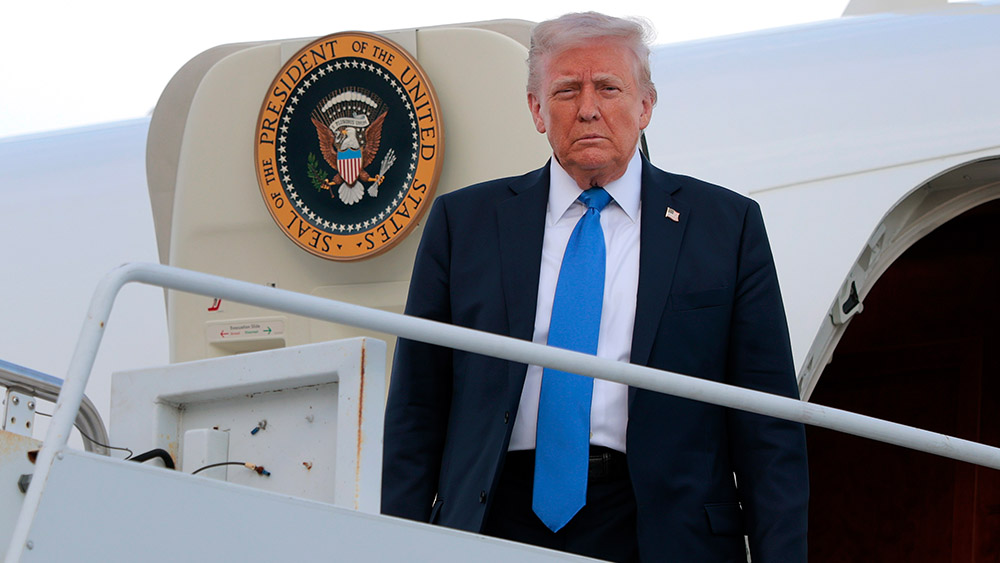
U..S. President Donald Trump unveiled the Golden Dome initiative shortly after taking office in January 2025, proposing a large-scale investment to expand ground- and space-based missile defense capabilities. Initial estimates from the Trump administration projected the cost at approximately $175 billion over the next decade, according to the report. War Department projections have since risen to roughly $185 billion, and some analysts warn the final price could be substantially higher. [1]
Director of National Intelligence Tulsi Gabbard warned on March 19, 2026, that the missile threat to the American homeland is projected to surge fivefold as adversaries rapidly expand their arsenals. [6] The escalating costs reflect both the technical difficulty of developing reliable defenses against maneuvering hypersonic weapons and the need to deploy additional sensors and interceptors across multiple domains, including space.
Implications and Reactions
Moscow has stated that its investment in advanced strategic weapons was largely a response to the U.S. withdrawal from the 1972 Anti-Ballistic Missile (ABM) Treaty under President George W. Bush. Russian officials have long warned that the U.S. missile shield undermines nuclear deterrence by enabling a potential decapitating first strike. In that scenario, American missile interceptors could be used to neutralize a retaliatory strike by surviving Russian missiles. [1]
Some independent analysts argue that the U.S. pursuit of missile defenses has fueled an arms race and that hypersonic weapons now render those defenses obsolete. In an interview, Martyanov stated that the Washington lacks a coherent military strategy and that its technological lead has eroded. [7]
Spoken word commentary has also highlighted that hypersonic glide vehicles may already be in use as warning shots in ongoing geopolitical confrontations. [8] The combination of limited defenses and expanding rival arsenals, officials said, creates a strategic vulnerability that the Golden Dome program is intended to address, though its ultimate effectiveness remains uncertain.
Conclusion
War Department warnings about the lack of defenses against hypersonic weapons from China and Russia underscore a significant gap in US strategic capabilities. While the proposed Golden Dome system aims to close that gap, its high cost and technical challenges raise questions about feasibility. Without effective defenses, officials said, the United States faces increased risk from adversaries who have invested heavily in next-generation strike systems.
References
- Pentagon warns US lacks protection against modern Chinese and Russian missiles. RT.com. April 28, 2026.
- Experts warn US missile defenses are wholly inadequate to defend against Russian Chinese weapons. NaturalNews.com. July 18, 2022.
- Andrei Martyanov. The Real Revolution in Military Affairs.
- Andrei Martyanov. Losing Military Supremacy: The Myopia of American Strategic Planning.
- China eyes dethroning US as most powerful nation, DOD says. Justthenews.com. January 14, 2026.
- Garrison Vance. Missile Threat to U.S. Set to Surge Fivefold, Gabbard Warns as Adversaries Rapidly Expand Arsenal. NaturalNews.com. March 22, 2026.
- Mike Adams interview with Andrei Martyanov. June 20, 2024.
- Brighteon Broadcast News – MULTI POLAR WORLD – Mike Adams – Brighteon.com. February 03, 2025.
Submit a correction >>
Tagged Under:
chaos, China, Collapse, Dangerous, Department of War, Golden Dome, hypersonic missiles, hypersonic weapons, Marc Berkowitz, Michael Guetlein, military tech, military technology, missile arsenal, missile defense, national security, Russia, self-defense, US Space Force, violence, weapons technology, WWIII
This article may contain statements that reflect the opinion of the author
RECENT NEWS & ARTICLES