Trump signals potential troop shift from Germany to Poland, escalating NATO tensions
05/13/2026 / By Willow Tohi
- President Donald Trump has indicated he may move U.S. troops withdrawn from Germany to Poland, citing strong relations with Warsaw.
- The administration plans to withdraw 5,000 troops from Germany initially, with Trump warning reductions could go “a lot further”.
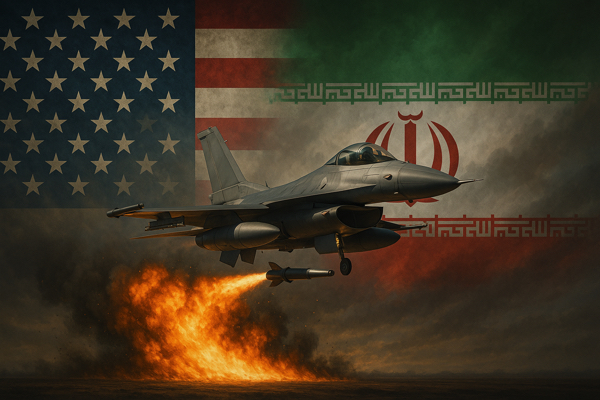
- Tensions between Trump and NATO allies have intensified over European refusal to support U.S.-Israeli military operations in Iran.
- Trump has also threatened to reduce troops in Spain and Italy, calling their leaders unhelpful during the Iran conflict.
- Republican lawmakers have expressed concern that troop withdrawals could send “the wrong signal” to Russia regarding Ukraine.
A pivotal shift in transatlantic relations
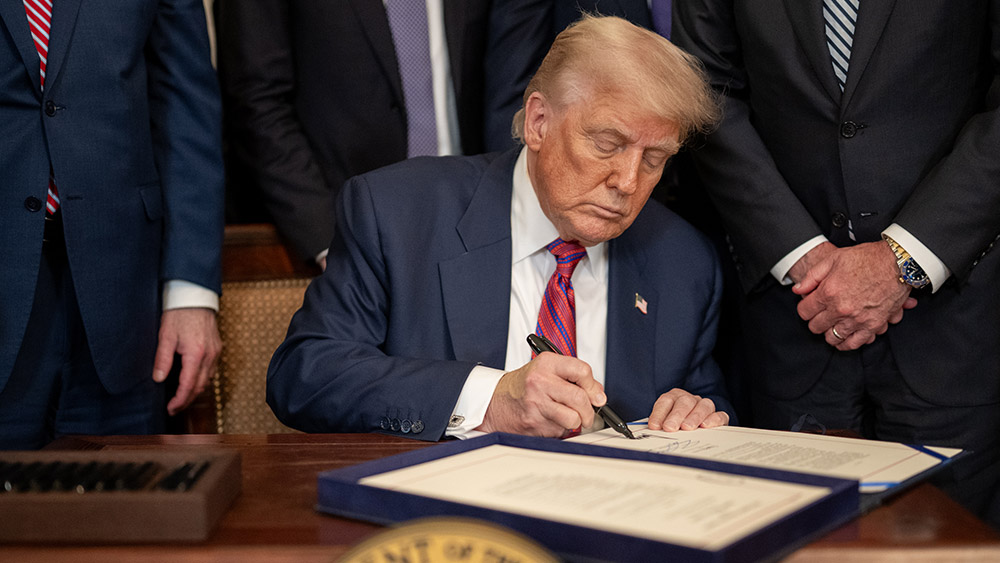
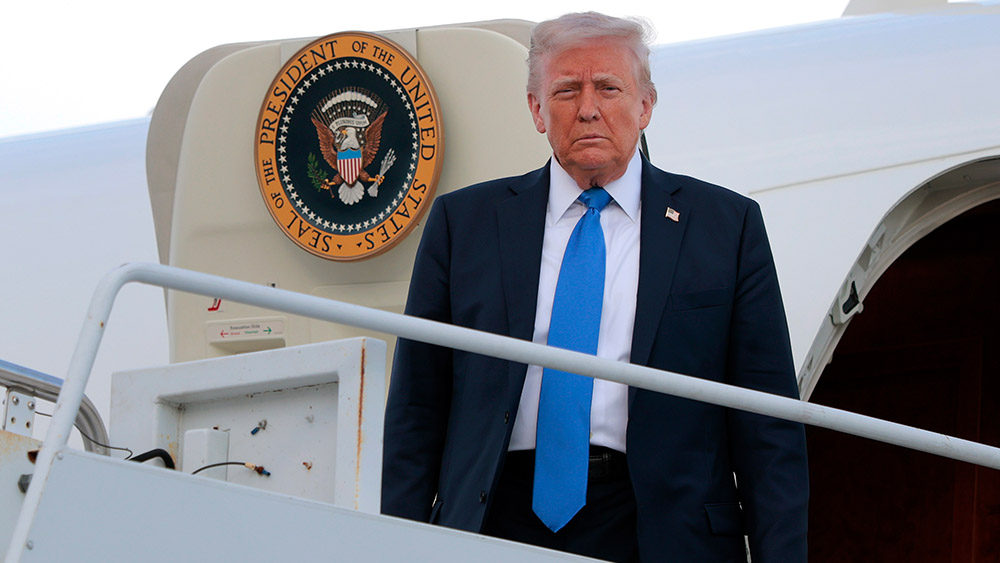
President Donald Trump has opened the door to relocating American troops being withdrawn from Germany to Poland, a move that would reshape NATO’s military posture in Europe while deepening a rift between Washington and its longtime allies. The president’s remarks on Friday came as the Pentagon prepares to remove approximately 5,000 service members from Germany over the next six to 12 months, with Trump suggesting the reductions could extend far beyond that initial number. The decision stems from escalating disputes with European allies who have refused to support U.S.-led military operations in Iran, prompting Trump to reassess America’s decades-old security commitments across the continent.
The Germany-Poland troop realignment
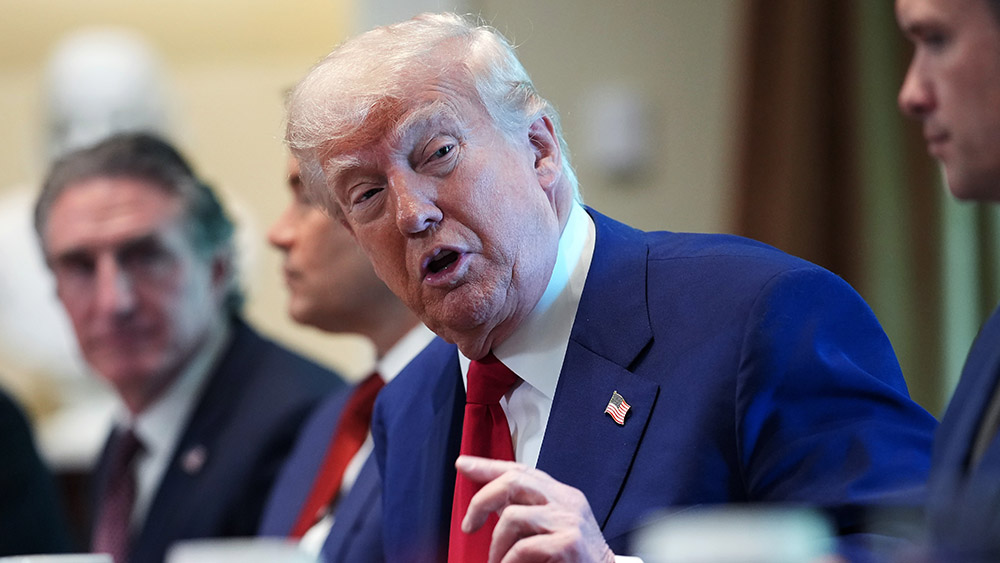
Trump confirmed during a White House press briefing that he is actively considering moving some of the departing forces to Poland, citing his close relationship with Polish President Karol Nawrocki. “Poland would like that. We have excellent relations with Poland. I have excellent relations with President Nawrocki,” Trump said. “I like him a lot, so it’s possible… I might do it.”
Poland has positioned itself as a willing host. Nawrocki declared earlier this week that Poland possesses the necessary military infrastructure to accommodate U.S. troops withdrawn from Germany, viewing an increased American presence as essential to strengthening NATO’s eastern flank. “We already have the infrastructure in place, and it is in the interests of Poland, Lithuania and the Baltic states for as many American troops as possible to be stationed here,” Nawrocki said.
The potential redeployment carries deep historical significance. Approximately 35,000 to 37,000 U.S. service members are currently stationed in Germany, a legacy of post-World War II occupation that evolved into a cornerstone of NATO’s Cold War defense architecture. Moving these forces eastward would represent the most significant realignment of American troops in Europe since the end of the Cold War.
The Iran war fracture
The troop withdrawal announcement follows months of escalating tension between the Trump administration and European NATO members over the U.S.-Israeli military campaign in Iran. Trump has repeatedly criticized allies for refusing to provide direct military support, including denying access to naval bases and airspace for operations against Iranian targets.
Spain has refused the use of a naval base near Cadiz for strikes on Iran and closed its airspace to U.S. aircraft involved in the campaign. Prime Minister Pedro Sanchez has condemned the war as illegal and unjust. Italy similarly denied access to its air base in Sicily, citing the need for prior authorization. Italian Prime Minister Giorgia Meloni, once considered one of Trump’s closest European allies, said the conflict has worsened regional instability and driven up energy prices, and called Trump’s attacks on Pope Leo XIV over his opposition to the war “unacceptable.”
Trump responded forcefully, threatening to withdraw troops from both countries. “Italy has not been of any help to us and Spain has been horrible. Absolutely horrible,” Trump told reporters. He called NATO a “paper tiger” after allies refused to join the bombing campaign, accusing the bloc of failing to properly support U.S. efforts in Ukraine.
German Chancellor Friedrich Merz particularly angered Trump by stating publicly that Washington “obviously has no strategy” in the Iran war and that the United States “is being humiliated by the Iranian leadership.” Trump’s decision to withdraw troops from Germany came shortly after those remarks.
Broken promises and enduring patterns
Trump’s current actions echo his first-term threats to reduce the American military footprint in Germany. In 2020, he announced plans to cut 9,500 troops from Germany, citing insufficient defense spending by Berlin. That plan was ultimately halted when former President Joe Biden took office and reversed the policy.
The current withdrawal, however, appears more concrete. The Pentagon stated the decision followed a “thorough review of the Department’s force posture in Europe and is in recognition of theater requirements and conditions on the ground.” Trump has now gone further, warning that “we’re cutting a lot further than 5,000.”
Experts note that the dispute over burden-sharing within NATO is not new. Trump has long pressed allies to meet the alliance’s defense spending target of 2% of GDP, and sources familiar with discussions between his foreign policy advisors and European officials indicate he now intends to demand member states raise defense budgets to 5% of GDP. This demand, if pursued, would represent the most aggressive push for burden-sharing in NATO’s history.
Republican concerns and strategic implications
The troop withdrawal has drawn criticism not only from European allies but also from within Trump’s own party. Republican lawmakers on the Armed Services Committee released a joint statement expressing they were “very concerned” about the decision.
Sen. Roger Wicker of Mississippi and Rep. Mike Rogers of Alabama argued that Germany has responded to Trump’s previous calls for greater burden sharing by “significantly increasing defense spending and providing seamless access, basing and overflight for U.S. forces.” They warned that withdrawing troops could send “the wrong signal to Vladimir Putin” and Russia as the country continues its invasion of Ukraine.
A transatlantic reckoning
The troop redeployment discussions between Washington and European capitals represent a fundamental reassessment of the post-World War II security architecture that has undergirded Western alliances for nearly eight decades. Trump’s willingness to use the troop presence as leverage, moving forces based on bilateral relationships rather than alliance loyalty, signals a shift toward transactional diplomacy that could have lasting consequences for NATO cohesion.
Military analysts emphasize that the location of American forces matters strategically. Forces stationed in Germany have served both as a deterrent against Russian aggression and as a staging ground for operations in the Middle East and Africa. Relocating them to Poland would place them closer to Russia’s borders, potentially escalating tensions with Moscow while reducing the U.S. ability to project power southward.
For European allies, the message from Washington is clear: continued access to American military protection is contingent on support for U.S. strategic priorities, including military operations that individual nations may consider illegal or objectionable. Whether the alliance can withstand this pressure remains uncertain, but the pattern of American disengagement from European security commitments appears to be accelerating.
Sources for this article include:
Submit a correction >>
Tagged Under:
big government, chaos, Germany, Globalism, military tech, national security, NATO, Poland, Trump, Tyranny, weapons tech, WWIII
This article may contain statements that reflect the opinion of the author
RECENT NEWS & ARTICLES