Historic $26.5 billion federal loan to boost Southern Company gas, nuclear and grid projects
02/27/2026 / By Cassie B.
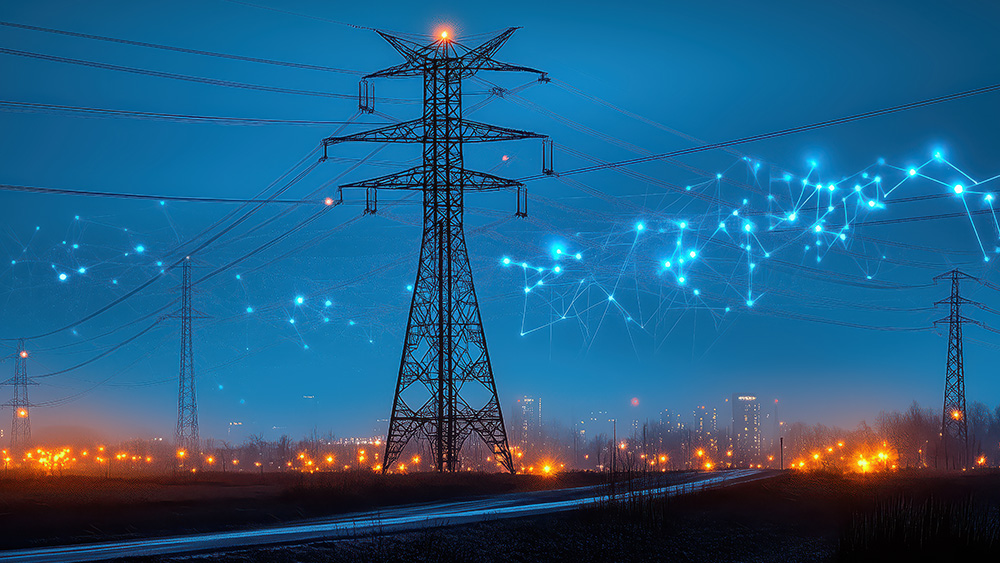
- The U.S. Department of Energy issued a record $26.5 billion loan to bolster the Southeast’s power grid.
- The funding supports over 16 gigawatts of new and upgraded power capacity for Georgia and Alabama.
- The plan includes new natural gas plants and critical upgrades to nuclear power facilities.
- Officials state the investment will save over 4 million customers more than $7 billion.
- The move is framed as reversing past energy policies to meet soaring electricity demand.
In a monumental move for American energy infrastructure, the U.S. Department of Energy has just sealed the largest loan in its history, a staggering $26.5 billion package aimed at supercharging the power grid across the Southeast. Announced on February 25, this historic financing is directed at subsidiaries of the mega-utility Southern Company, promising to reshape electricity generation and delivery for the roughly 4.3 million customers of its Georgia Power and Alabama Power subsidiaries while pledging to save those customers more than $7 billion in costs. This isn’t just about keeping the lights on; it’s a deliberate federal strategy to reverse what officials call the “energy subtraction agenda of past administrations” and cement reliability in an era of soaring demand.
The sheer scale of this loan package underscores a critical reality: the nation’s power grid is at a crossroads. With electricity demand exploding from artificial intelligence data centers, cryptocurrency mining, and the electrification of transportation, the need for firm, dispatchable power has never been more urgent. This financing, funded under President Donald Trump’s Working Families Tax Cut and aligned with his “Unleashing American Energy” executive order, represents a full-throated commitment to expanding domestic energy production and ensuring the grid can withstand the pressures of the 21st century.
Energy Secretary Chris Wright left no ambiguity about the administration’s goals. “Thanks to President Trump and the Working Families Tax Cut, the Energy Department is lowering energy costs and ensuring the American people have access to affordable, reliable, and secure energy for decades to come,” Wright said. He emphasized the intent to overturn previous policies, stating, “These loans will not only lower energy costs but also create thousands of jobs and increase grid reliability for the people of Georgia and Alabama.”
A blueprint for power expansion
The technical scope of the projects backed by this loan is vast. According to department details, the financing will support the construction or upgrade of more than 16 gigawatts of reliable power capacity. This portfolio is a deliberate mix of traditional and modern resources, designed to provide a balanced, resilient energy backbone. The plan includes approximately 5 gigawatts of new natural gas generation, a clear nod to the immediate need for scalable, on-demand power to back up intermittent renewable sources and meet base-load demands.
Perhaps most significantly, the package allocates support for about 6 gigawatts of nuclear capacity through crucial plant upgrades and license renewals. This aligns with Secretary Wright’s prior stance that the biggest use of the department’s loans in this administration would be for nuclear power. Greg Beard, the head of the department’s loan office, noted Southern has eight nuclear plants, with six needing relicensing or capacity boosts over the next eight years. This investment secures the future of America’s largest source of carbon-free baseload power.
Grid resilience for a growing region
Beyond generation, the loan will fund hydropower modernization, battery energy storage systems, and more than 1,300 miles of transmission and grid enhancement projects. This comprehensive approach tackles the system from every angle. Southern Company CEO Chris Womack framed the financing as essential for managing explosive growth. “These loans will help lower the cost of investments in our grid that will enhance reliability and resilience for the benefit of our customers,” Womack said in a statement.
The financial mechanics are as important as the physical infrastructure. The Energy Department estimates that once fully drawn, the financing will reduce Southern Company’s interest expenses by more than $300 million per year. These savings, coupled with existing rate freezes for customers in both states, are the engine behind the promised $7 billion in consumer savings. It represents a direct translation of federal policy into lower monthly bills for millions of families and businesses.
For consumers, the implications are tangible. In an age where every household budget is stretched, the prospect of stabilized and eventually lower electricity costs is a welcome relief. The projects funded promise not just cost savings but also a more robust grid that is less prone to outages, supporting everything from home appliances to the industrial facilities that drive local economies.
Sources for this article include:
Submit a correction >>
Tagged Under:
big government, Donald Trump, electricity, energy supply, federal loan, government debt, infrastructure, money supply, nuclear power, power, power grid, progress, Southern Company
This article may contain statements that reflect the opinion of the author
RECENT NEWS & ARTICLES