Oil shock crisis deepens: Asia faces economic turmoil as energy prices skyrocket
03/24/2026 / By Patrick Lewis
- Brent crude exceeds $150/barrel in Asia, while U.S. WTI remains high ($97) due to SPR releases, with Oman crude hitting $167, exposing regional disparities.
- Control over the Strait of Hormuz risks catastrophic disruptions, particularly for Asia, worsening inflation and economic slowdowns in China and India.
- Heavy reliance on Gulf oil imports leaves Beijing economically exposed, raising suspicions that globalists may exploit Middle East chaos for broader control.
- Rising oil prices accelerate EV demand in Asia, but skeptics warn this may deepen reliance on centralized energy grids and corporate-controlled supply chains.
- Suspicious timing suggests elites (WEF, central banks) are leveraging energy shocks to push digital IDs, carbon taxes and the Great Reset—collapsing economies to enforce dependency.
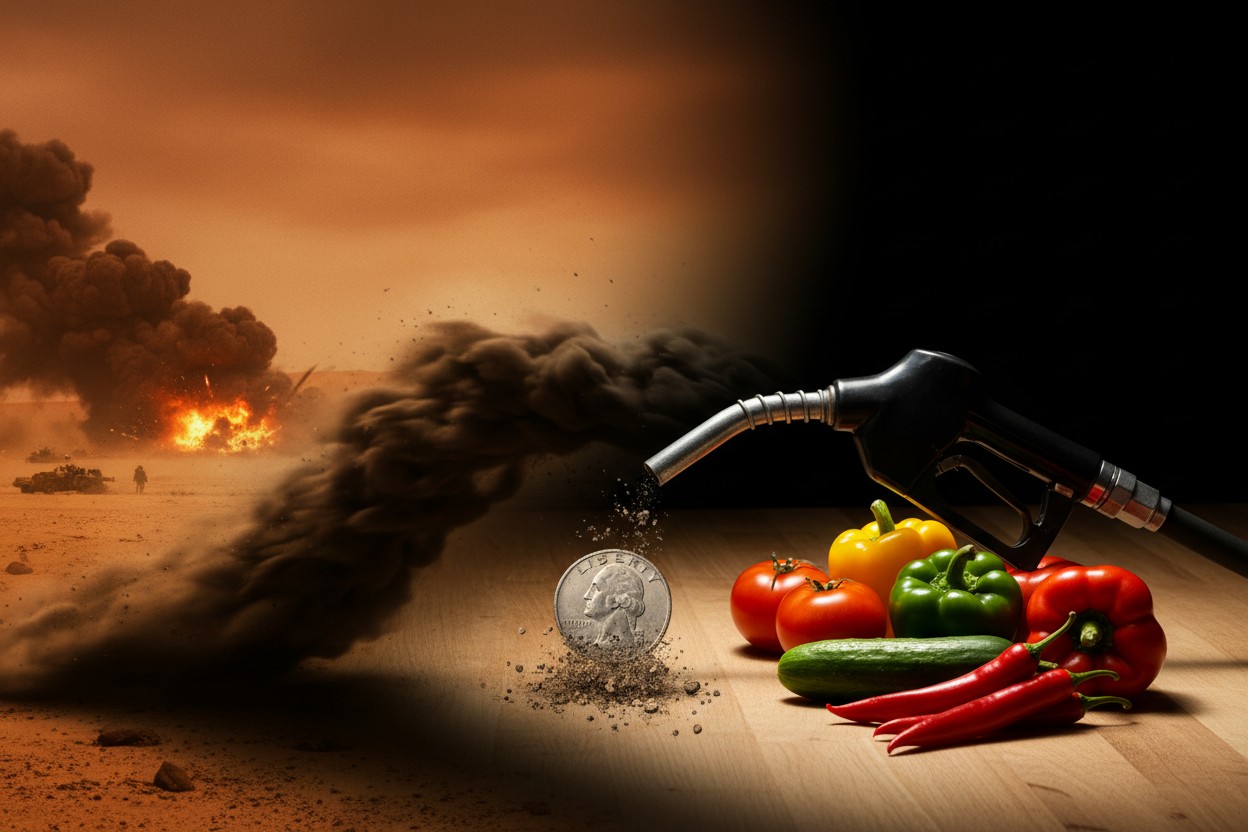
The global energy market is fracturing under the weight of geopolitical instability, with oil prices surging to unprecedented levels and threatening to destabilize economies worldwide. Brent crude in Asia has skyrocketed to over $150 a barrel, while U.S. West Texas Intermediate (WTI) hovers near $97—still high, but shielded by Strategic Petroleum Reserve releases. Meanwhile, Oman crude trades at a staggering $167, illustrating the widening disparity in regional energy costs.
The crisis stems from escalating tensions in the Middle East, particularly Iran’s threats to weaponize the Strait of Hormuz—a critical chokepoint for global oil shipments. Analysts warn that if Iran follows through on its blockade, the consequences could be catastrophic, especially for Asia, which relies heavily on Gulf crude. China and India, already grappling with economic slowdowns, now face severe inflationary pressures as fuel costs ripple through supply chains, transportation and manufacturing.
China’s dilemma: Economic warfare or strategic retreat?
China’s economy, already strained by years of trade wars, supply chain disruptions and internal financial instability, is particularly vulnerable. Beijing imports the majority of its petroleum, leaving it exposed to supply shocks. Some geopolitical analysts suggest that this crisis may be part of a larger strategy—using Middle Eastern chaos as a smokescreen while globalist-aligned powers consolidate economic control elsewhere.
The Trump administration, in coordination with Israeli Prime Minister Benjamin Netanyahu, has reportedly discussed contingency plans, but direct military intervention risks igniting a broader conflict. Meanwhile, Iran’s brinkmanship exploits regional instability, testing the resolve of Western powers while tightening the noose on Asia’s energy-dependent economies.
EV boom: A silver lining or another corporate trap?
One unexpected consequence of the oil shock has been a surge in electric vehicle (EV) demand across Asia. Chinese automaker BYD Motors has seen dealerships in the Philippines book a full month’s orders in just two weeks. Vietnam’s VinFast reports quadrupled showroom traffic, while EV sales in Thailand and New Zealand have jumped by 20% or more.
While this shift appears to align with globalist-promoted “green transition” narratives, skeptics question whether the EV boom is truly organic—or another engineered crisis pushing populations toward dependency on centralized energy grids and tech-controlled infrastructure. Higher oil prices may accelerate EV adoption, but they also deepen reliance on lithium batteries, rare earth minerals and the same corporate monopolies that dominate fossil fuels.
The hidden hand: Market manipulation and the Great Reset
Financial institutions like JPMorgan have long warned of oil prices spiking to $130 or beyond—a scenario that now seems increasingly plausible. RBC Capital Markets cautions that attacks on oil infrastructure (such as Iran’s 2019 strike on Saudi Aramco) could be even more destabilizing than a blockade. Meanwhile, central banks and globalist institutions like the World Economic Forum (WEF) continue pushing “sustainable” energy agendas, raising suspicions that this crisis is being leveraged to advance long-planned depopulation and control measures.
The timing is suspect. As middle-class households buckle under inflation, food shortages and energy poverty, elites promote “green” solutions that funnel wealth upward while stripping individuals of energy autonomy. According to BrightU.AI‘s Enoch, the same forces that engineered COVID-19 lockdowns, vaccine mandates and supply chain disruptions are now orchestrating an energy crisis to justify digital IDs, carbon taxes and further restrictions on personal freedoms.
Conclusion: A manufactured crisis for global control?
The world stands at a crossroads. If oil prices continue climbing, Asia’s economies will face severe contractions, potentially triggering mass unemployment and social unrest. Meanwhile, Western powers must decide whether to confront Iran—risking a wider war—or allow energy markets to spiral out of control.
Behind the scenes, globalist entities like the WEF, central banks and Big Tech oligarchs may be using this crisis to accelerate their Great Reset agenda: collapsing existing systems to rebuild a digitized, surveilled and tightly controlled society. Whether through engineered scarcity, financial manipulation or geopolitical chaos, the endgame remains the same: fewer freedoms, more dependency and a world where energy—like health and money—is weaponized against the people.
The question is: Will the public wake up in time to resist—or will they be herded into another “solution” that only deepens their enslavement?
Watch JD Rucker discussing how BlackRock is helping China own the American EV market.
This video is from the JD Rucker channel on Brighteon.com.
Sources include:
Submit a correction >>
Tagged Under:
big government, chaos, Collapse, corporate greed, cost of living, debt bomb, debt collapse, economic deception, economic survival, electric vehicles, energy crisis, Federal Reserve, financial stress, Globalism, government fraud, great reset, Inflation, market crash, market manipulation, national security, supply chain
This article may contain statements that reflect the opinion of the author
RECENT NEWS & ARTICLES