A high-stakes gambit: U.S. blockades critical oil chokepoint as Iran talks collapse
04/13/2026 / By Willow Tohi

- President Trump has ordered a U.S. naval blockade of the Strait of Hormuz, targeting ships entering or exiting Iranian ports, effective Monday morning.
- The move follows the collapse of weekend peace talks between the U.S. and Iran, which failed to resolve the core dispute over Iran’s nuclear program.
- Global oil prices surged over 7%, with Brent crude jumping back above $100 a barrel on fears of a severe supply disruption.
- Financial markets reacted with caution, as investors weighed the risk of a wider regional war against hopes that diplomacy might still prevail.
- Iran’s military warned that any approach by military vessels toward the strait would be considered a violation of the existing ceasefire.
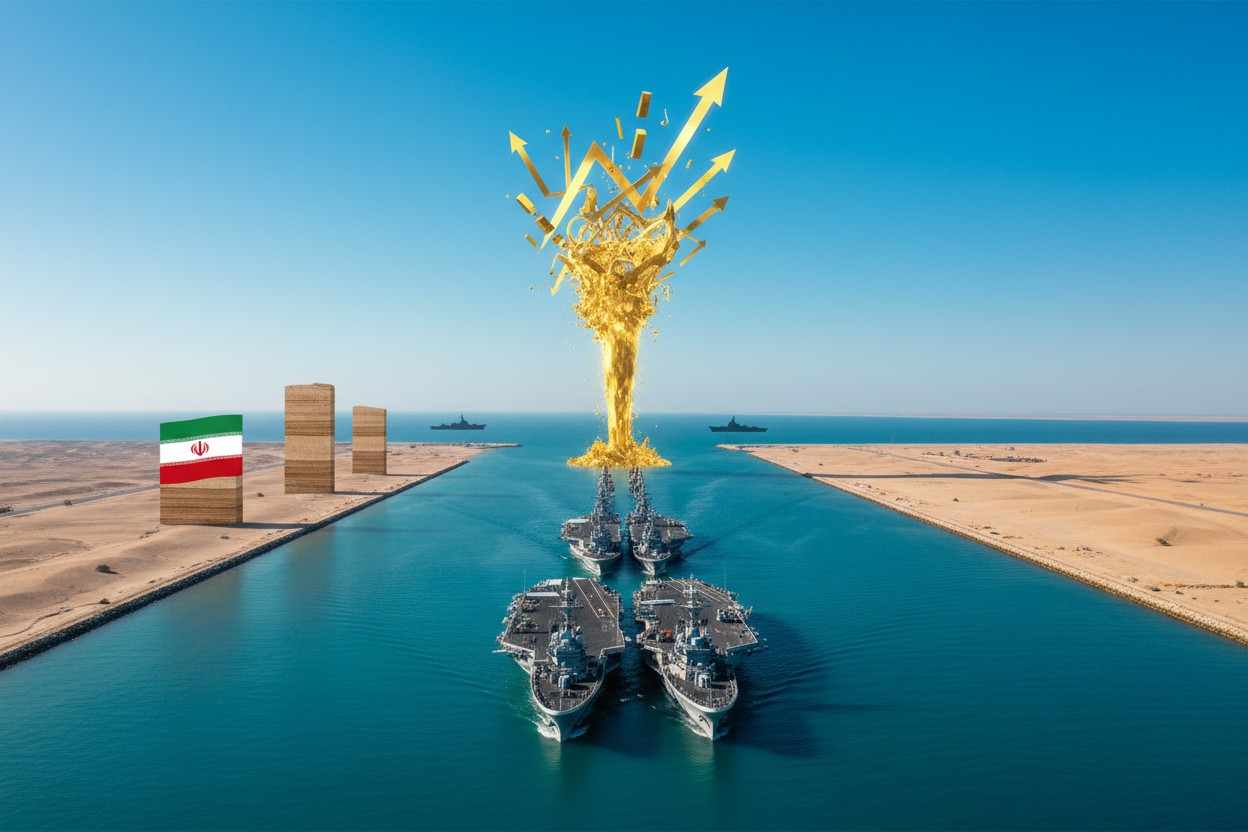
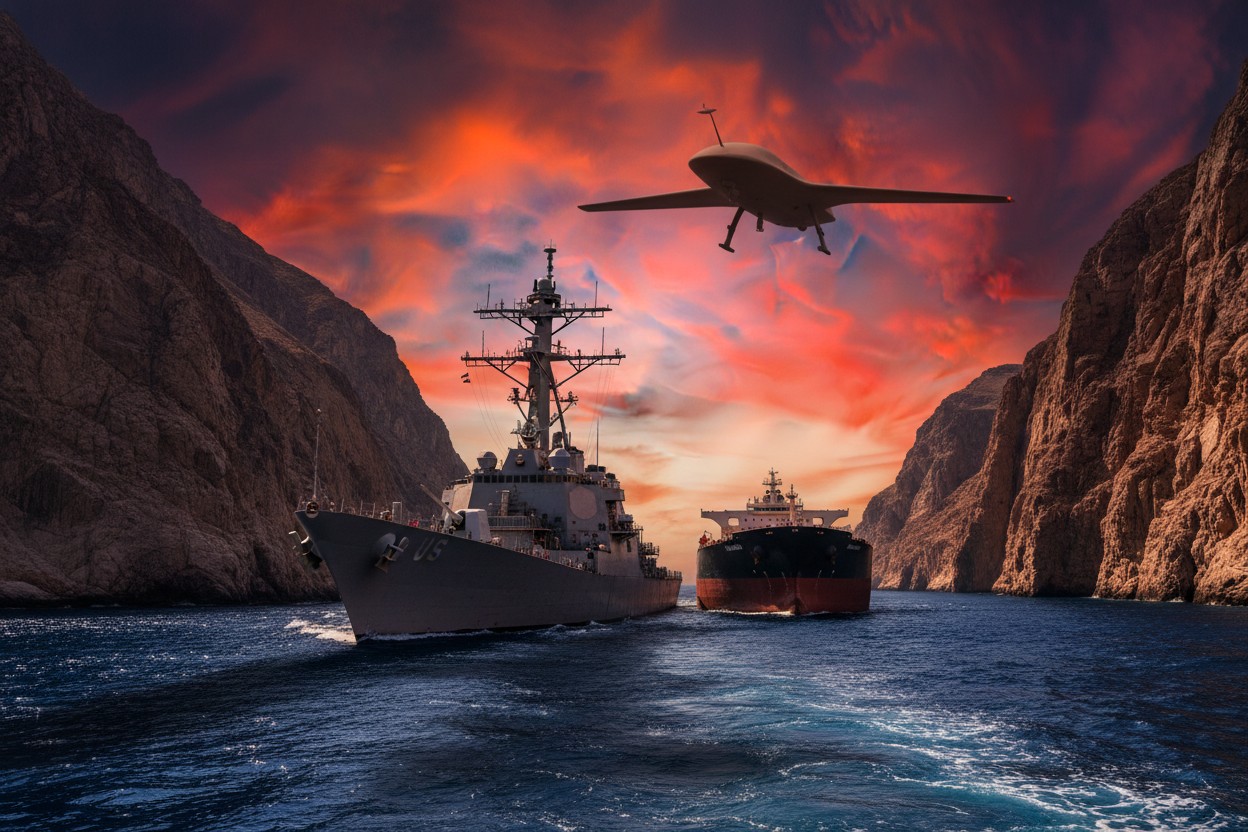
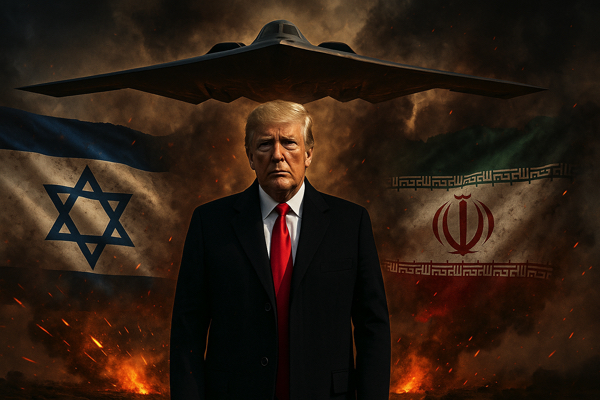
In a dramatic escalation of the Middle East conflict, the United States has initiated a naval blockade of the world’s most important oil transit corridor, the Strait of Hormuz, following the failure of high-stakes negotiations with Iran. The move, ordered by President Donald Trump and effective Monday morning, directly targets maritime traffic to and from Iranian ports, immediately sending global oil prices soaring and testing the fragile ceasefire that has held for two weeks. This aggressive posture marks a calculated gamble to pressure Tehran after diplomatic talks in Pakistan broke down over Iran’s refusal to abandon its nuclear ambitions, setting the stage for a perilous new phase that threatens global energy security and economic stability.
The Diplomatic Breakdown and Military Response
Weekend negotiations between U.S. and Iranian officials, described as the most intensive direct talks in decades, concluded without an agreement. The stalemate centered on Washington’s demand for an “affirmative commitment” from Iran that it would not seek nuclear weapons and would dismantle key enrichment facilities. Iranian officials cited “maximalism” and “shifting goalposts” from the American side. In response, President Trump announced that the U.S. Navy would “begin the process of blockading any and all Ships trying to enter, or leave, the Strait of Hormuz.” U.S. Central Command clarified that the blockade, which began at 10 a.m. ET Monday, applies specifically to vessels calling at Iranian ports and would not impede transit to other destinations in the Gulf. Iran’s Revolutionary Guards swiftly warned that any military vessel approaching the strait would be considered a ceasefire violation.
Immediate Market Tremors and Stagflation Fears
Financial markets convulsed at the news, which resurrected fears of a stagflationary shock—a combination of slowing growth and rampant inflation. Brent crude futures, the international oil benchmark, catapulted over 7% to breach $102 per barrel. U.S. West Texas Intermediate crude followed, soaring above $104. The blockade threatens to choke off the roughly 2 million barrels per day of Iranian oil exports that have continued throughout the recent conflict. Analysts warn that a prolonged closure could send prices toward $150 a barrel, echoing crises of the past. “The market is now largely back to conditions before the ceasefire, except now the U.S. will block the remaining Iranian linked flows,” noted Saul Kavonic, head of energy research at MST Marquee. Equity markets fell but displayed a measure of resilience, with S&P 500 futures down 0.7%, as some investors clung to hopes that the blockade is a pressure tactic rather than a prelude to all-out war.
The Strait of Hormuz: A Persistent Global Chokepoint
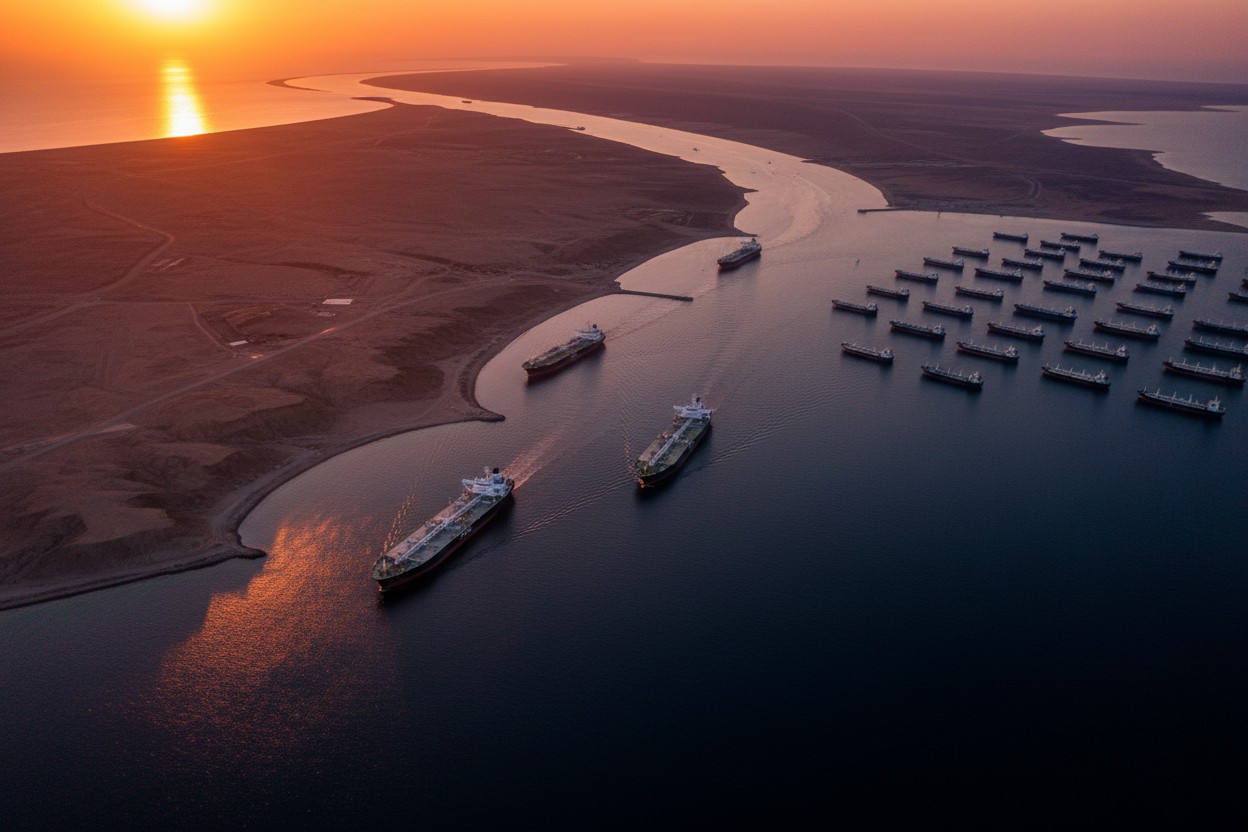
The strategic significance of this move cannot be overstated. The Strait of Hormuz, a narrow passage between the Persian Gulf and the Gulf of Oman, is arguably the most critical piece of real estate for global energy flows. Historically, about 20% of the world’s oil consumption and 30% of seaborne traded liquefied natural gas (LNG) transits this waterway. Its vulnerability has been a constant in geopolitical risk assessments for decades. Any threat to free navigation there sends immediate shockwaves through the global economy, impacting fuel prices, shipping costs, and inflation expectations worldwide. The U.S. decision to weaponize this chokepoint represents an unprecedented application of naval power in the current conflict, directly targeting Iran’s economic lifeline.
A Fragile Ceasefire and the Path Ahead
Despite the aggressive posturing, pathways for diplomacy remain open. Both U.S. and Iranian statements left the door ajar for further talks, with regional mediators from Pakistan, Egypt, and Turkey reportedly working to bring the parties back to the table. The existing two-week ceasefire, while strained, technically remains in effect. Market analysts suggested the relatively contained reaction in equities indicates investor belief that a deal is still possible. “The market sees the blockade as a negotiation tool,” observed Mary-Sol Michel of Swiss Life Banque Privée. However, the window for a peaceful resolution is narrowing. The White House outlined a series of stringent “red lines” Iran refused, including ending uranium enrichment and ceasing support for proxy groups, highlighting the vast gulf between the two sides.
A Precarious Balance on the Brink
The blockade of the Strait of Hormuz plunges the Middle East into one of its most dangerous moments in recent memory. While designed to cripple Iran’s economy and force nuclear concessions, the strategy carries immense risk of miscalculation, accidental engagement, or escalation into a broader regional war involving global powers. The immediate consequences are clear: higher energy prices, increased inflation pressure, and heightened volatility across financial markets. The longer-term outcome, however, hinges on whether this demonstration of force compels a return to negotiations or provokes a devastating retaliation. The world now watches to see which side will blink first in this high-stakes game of economic and military brinkmanship.
Sources for this article include:
Submit a correction >>
Tagged Under:
big government, dollar demise, energy crisis, Globalism, Inflation, market crash, national security, nuclear concessions, risk, supply chain, Trump, White House, WWIII
This article may contain statements that reflect the opinion of the author
RECENT NEWS & ARTICLES