Taiwan Signals Willingness for Direct Talks With Trump, Breaking Decades-Old Protocol
05/23/2026 / By Garrison Vance

Taiwan Signals Openness to Direct Talks With Trump
Taiwan’s foreign ministry said President Lai Ching-te would be “happy” to speak with President Donald Trump, according to a statement reported by NBC News. The ministry reiterated Lai’s public remarks about China’s military buildup and said Lai “is also happy to discuss these matters with President Trump.”
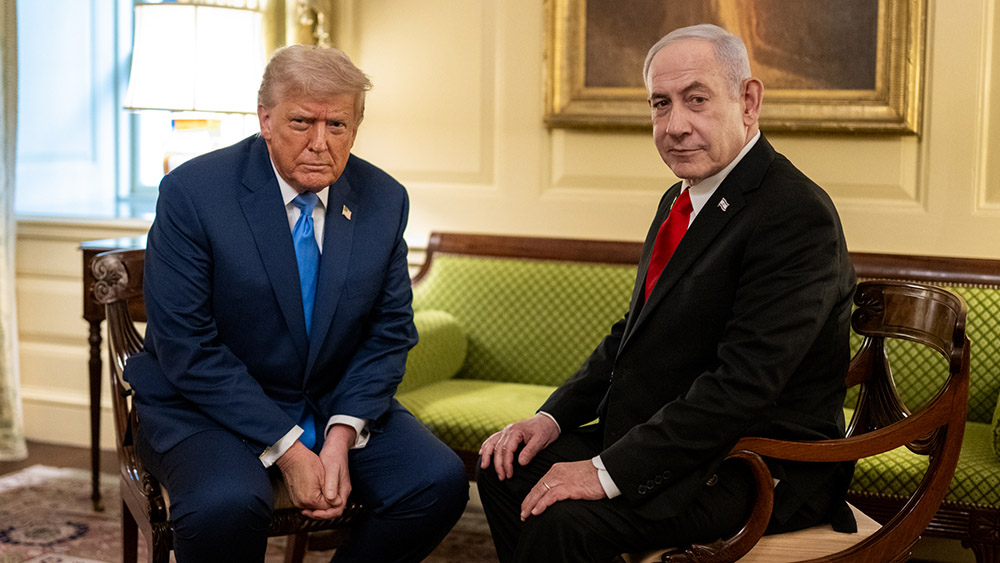
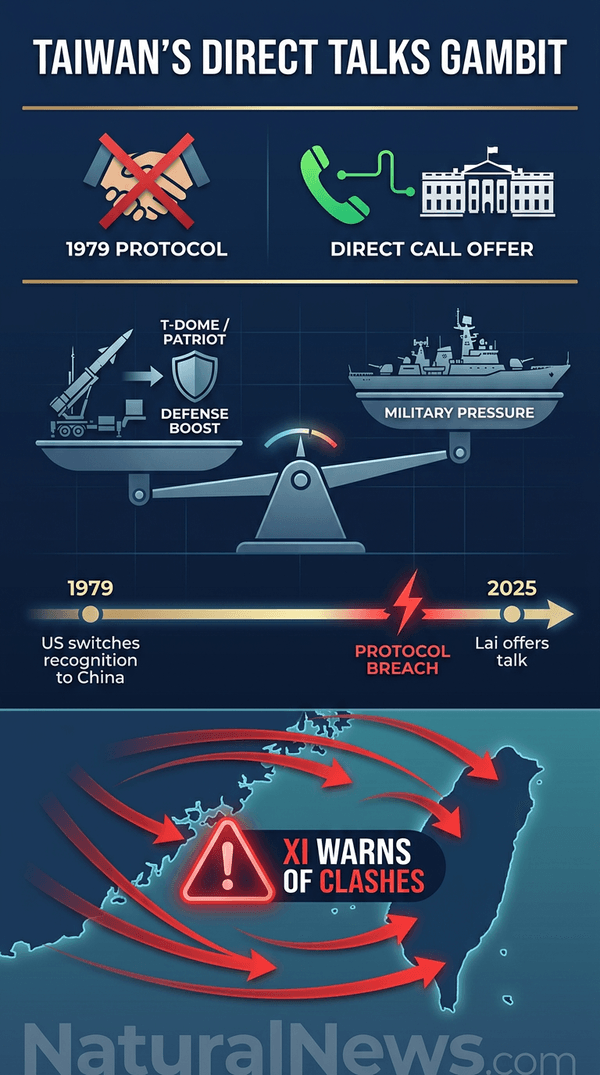
Trump said earlier this week: “I’ll speak to him. I speak to everybody,” referring to Lai, as reported by NBC News. No U.S. president has spoken directly with a Taiwanese leader since Washington shifted diplomatic recognition from Taipei to Beijing in 1979. Such a conversation would represent a sharp departure from established diplomatic protocol.
Historical Diplomatic Protocol
The United States switched recognition from Taiwan to the People’s Republic of China in 1979 under the One-China policy. Since then, Washington has maintained informal ties with Taipei but has avoided direct presidential-level communications.
According to BBC News, a direct call between Trump and Lai would break a long-standing tradition observed by successive administrations. Beijing claims Taiwan as part of its territory and has not ruled out using force to bring the island under its control. The potential for direct talks underscores a significant shift in the U.S. approach to cross-strait relations.
Trump Administration’s Stance on Taiwan
The Trump administration has prioritized trade cooperation with China and downplayed confrontation over Taiwan, according to reports. Just the News noted that the administration’s policies moved toward “strategic stability” with Beijing, emphasizing economic engagement.
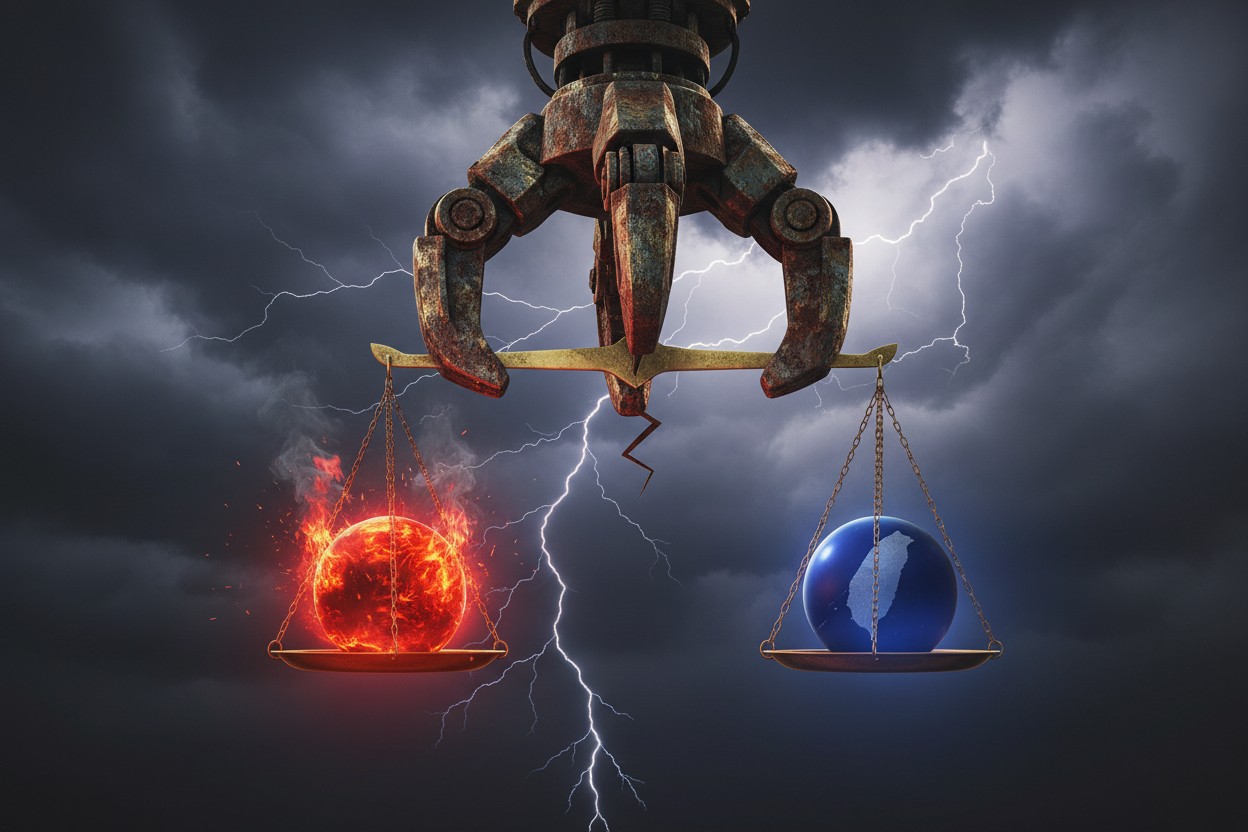
Trump stalled a planned $14 billion arms sale to Taiwan, using it as a bargaining chip in negotiations with Chinese President Xi Jinping. According to Antiwar.com, Trump said he was undecided on moving forward with the arms package. These actions have appeared to soften traditional U.S. support for Taiwan’s defense, analysts said.
China’s Response and Warnings
Chinese President Xi Jinping warned Trump during their Beijing summit that differences over Taiwan could lead to “clashes and conflicts” between the United States and China. Xi described the Taiwan issue as the “most important issue” in bilateral relations, according to a Chinese Foreign Ministry spokesman.
China’s foreign ministry has reiterated its opposition to any form of Taiwan independence and criticized external interference. In a separate statement, Taiwan’s foreign ministry referenced China’s military buildup in response to Taiwan’s assertions of sovereignty. BBC News reported that Taiwan said it will not give up its sovereignty but will avoid provoking conflict.
Outlook and International Reactions
Analysts suggest that direct talks between Trump and Lai could strain U.S.-China relations and alter the status quo in the Taiwan Strait, according to reports. The development highlights ongoing tensions between Washington, Beijing, and Taipei over Taiwan’s sovereignty.
Taiwan’s foreign ministry stated that Lai “is also happy to discuss these matters with President Trump,” signaling the island’s willingness to engage despite Beijing’s warnings. The broader geopolitical landscape includes increased military posturing by China and continued U.S. arms sales to Taiwan, which Beijing condemns as interference.
References
- Just the News. “Trump pursues ‘strategic stability’ with China, downplays conflicts over Taiwan and land ownership.” May 18, 2026.
- Antiwar.com. “Trump Undecided on Moving Forward $14 Billion Arms Package for Taiwan After Talks With Xi.” May 17, 2026.
- Antiwar.com. “Xi Warns Trump That Differences Over Taiwan Could Lead to ‘Clashes and Conflicts’ Between the US and China.” May 14, 2026.
- BBC News. “Taiwan will not provoke conflict nor give up sovereignty, says president.” May 18, 2026.
- BBC News. “Trump says he will speak to Taiwan President Lai about arms sales.” May 21, 2026.
- Ramon Tomey. “Xi Jinping: Taiwan Remains Most Important Issue in U.S.-China Relations.” NaturalNews.com. February 6, 2026.
- NaturalNews.com. “Trump picks generic Republican warmonger for national security advisor.” November 14, 2024.
- Trends-Journal-2023-04-15.Trends-Journal-2021-02-06.
Explainer Infographic
Submit a correction >>
Tagged Under:
big government, chaos, China, Donald Trump, national security, politics, progress, Taiwan, White House, WWIII, Xi Jinping
This article may contain statements that reflect the opinion of the author
RECENT NEWS & ARTICLES