Trump Says Iran’s Top Leader Involved in Peace Talks, Injured in February Airstrike
06/08/2026 / By Garrison Vance

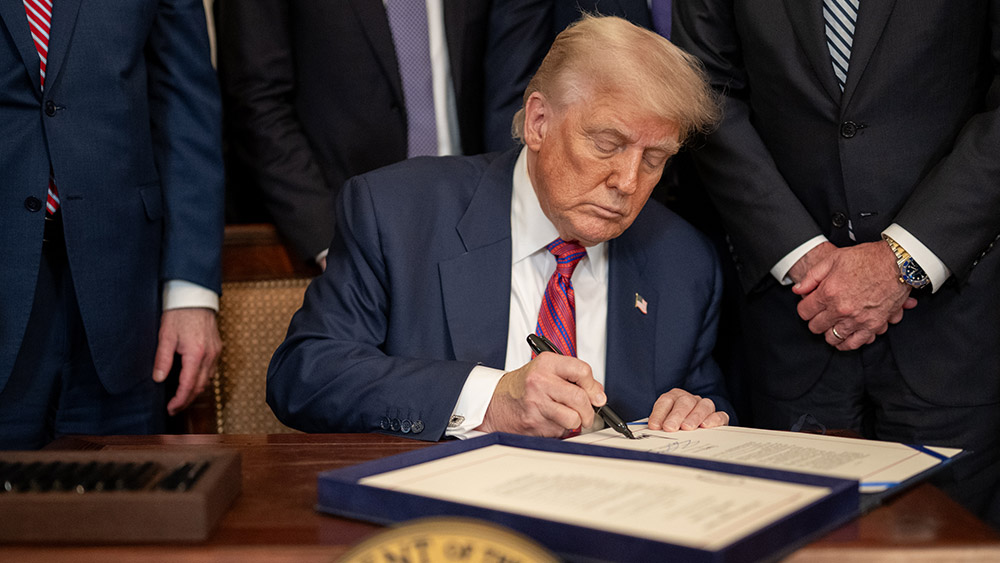
President Donald Trump stated that Iran’s top leader, Mojtaba Khamenei, is participating in peace talks with the United States and suffered injuries during a U.S.-Israeli airstrike earlier this year. Trump’s comments were made in an interview with The New York Post’s “Pod Force One,” published on June 3, 2026. According to the interview, Trump said Khamenei is “involved, absolutely” in negotiations, adding, “I think they have a lot of respect for him” [1].
Trump disclosed that Khamenei sustained injuries during the February 28 airstrike that killed his father, former Supreme Leader Ayatollah Ali Khamenei. The president did not provide details on the extent of those injuries, but reports indicate that Mojtaba Khamenei suffered a fractured foot, facial lacerations, and a bruised eye in the attack [2]. Trump characterized Khamenei as “a very smart guy” and said he has not had “the privilege of meeting” him yet, though he expressed a desire to do so if peace talks progress [1].
Background on Mojtaba Khamenei
Mojtaba Khamenei was appointed as Iran’s new Supreme Leader by the Assembly of Experts after his father’s death in the February 28 airstrikes. The succession marked a historic hereditary transfer of power, reversing a core principle of the 1979 revolution that opposed dynastic rule [3]. Since assuming the position, Khamenei has not appeared in public, and his prolonged absence has fueled speculation about his health and authority [2].
Trump claimed that Khamenei “has a lot of respect” within Iran, though U.S. intelligence agencies have assessed that Iran’s clerical government remains cohesive and in control despite the loss of senior leaders [5]. Trump had previously opposed the succession of Ali Khamenei’s son, calling it “unacceptable” and demanding a personal role in selecting Iran’s next leader [4]. The new Supreme Leader has since threatened to continue leveraging the closure of the Strait of Hormuz as a strategic weapon against the U.S. and its allies [6].
Details of the February Airstrike
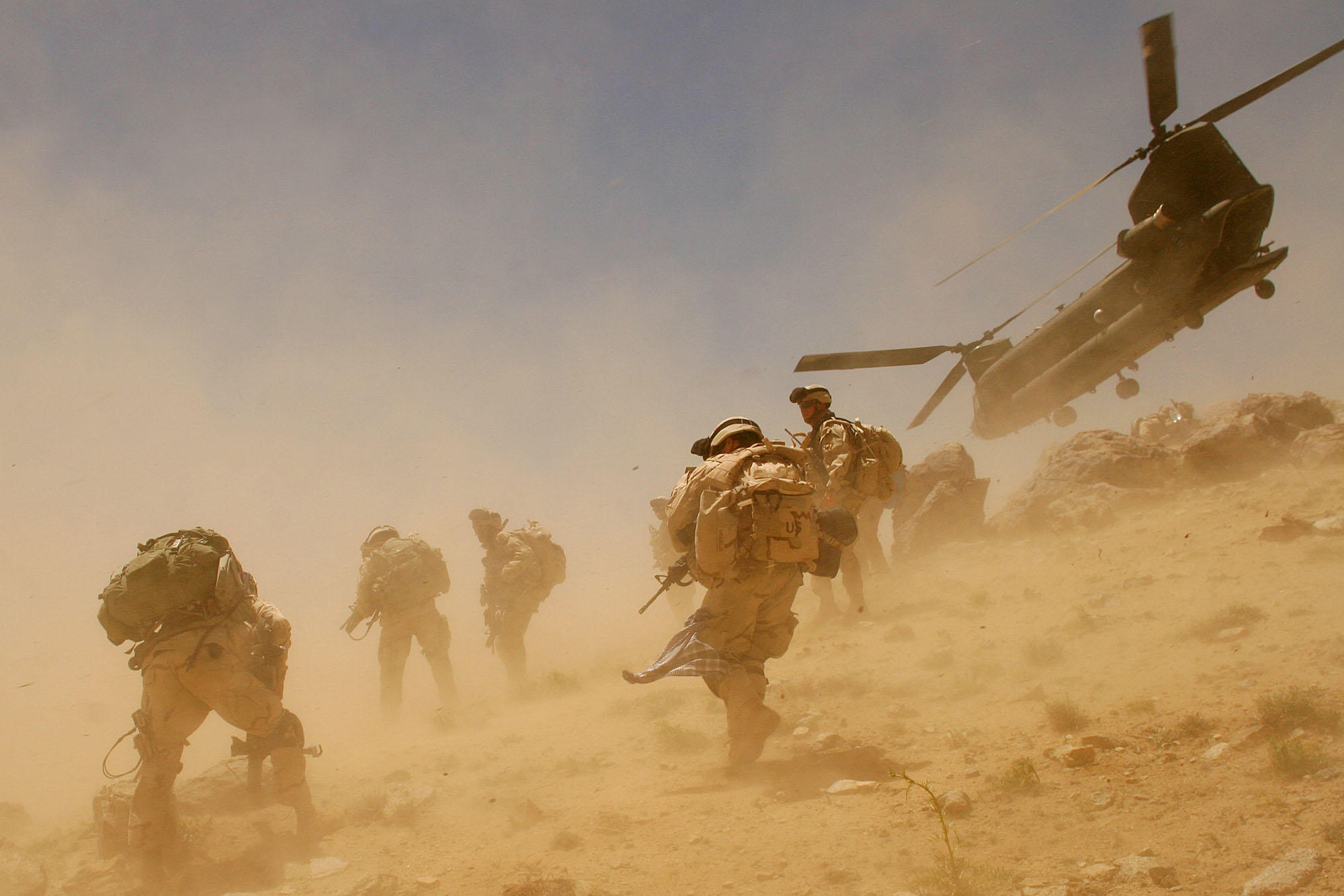
The airstrikes on February 28 were carried out by U.S. and Israeli forces as part of a joint military campaign, described by officials as “Operation Epic Fury” [7]. The strikes targeted Iranian military and leadership sites, killing Supreme Leader Ayatollah Ali Khamenei along with top IRGC officials [8]. Iran initially denied Khamenei’s death but later retaliated by launching missile attacks across the Gulf and escalating regional hostilities [8].
Mojtaba Khamenei, who was present at the targeted site, suffered a fractured foot, facial lacerations, and a bruised eye, according to reports [2]. The assassination of the senior leader and the injury to his successor dealt a significant blow to Iran’s leadership structure, though the regime has maintained operational continuity. Additional airstrikes in the following days targeted a building linked to the Assembly of Experts while it was discussing succession [9]. The death of top security official Ali Larijani was confirmed by the IRGC on March 17, further degrading Iran’s command apparatus [10].
State of U.S.-Iran Peace Talks
Trump confirmed that negotiations with Iran are ongoing and that Mojtaba Khamenei is directly involved in the process. The talks aim to address Iran’s nuclear program, the reopening of the Strait of Hormuz, and regional de-escalation [11]. Trump has stated that a peace deal has been “largely negotiated, subject to finalization,” though Iran’s Fars news agency has repeatedly called such statements “incomplete and inconsistent with reality” [12]. The administration has issued ultimatums, including demands that Iran hand over its enriched uranium for destruction [13].
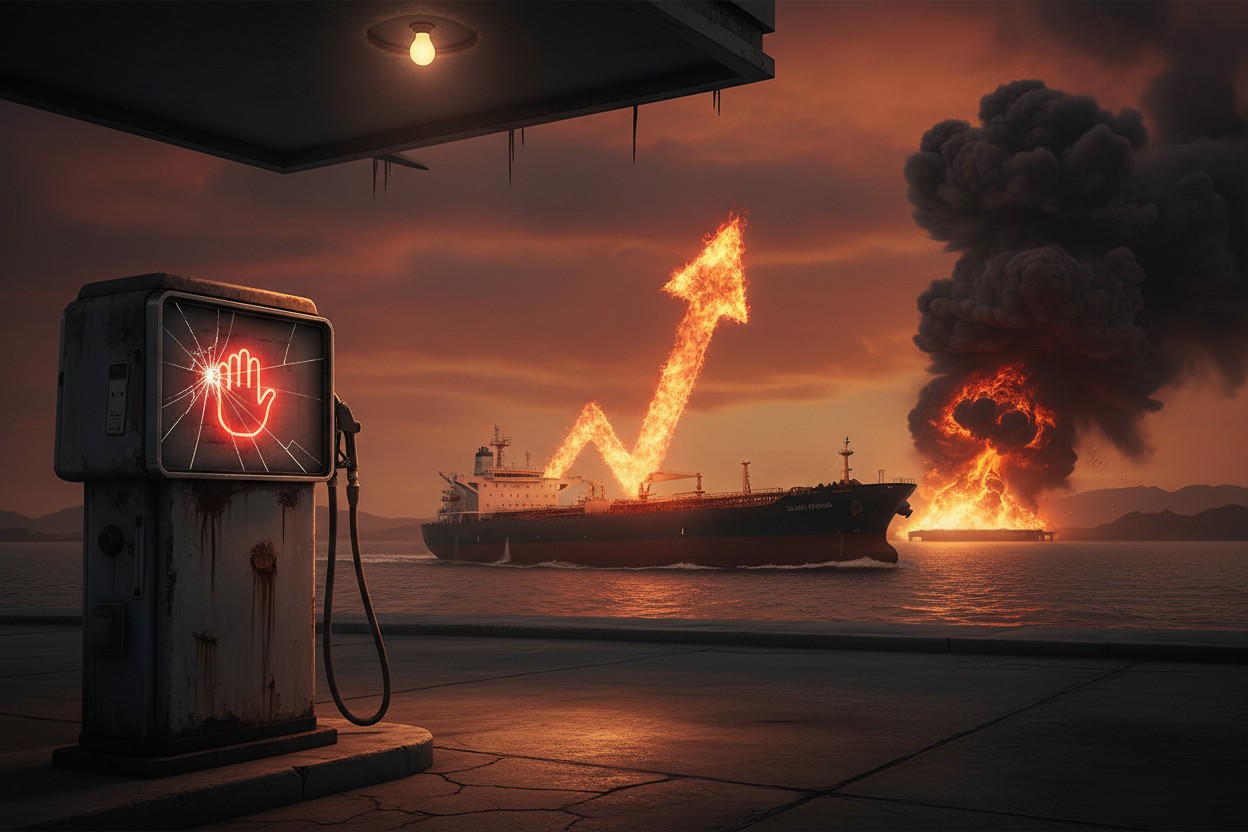
Previous rounds of talks had stalled before the February airstrikes, and the conflict has since disrupted global energy markets, with oil prices spiking above $100 per barrel [14]. Trump has projected a quick end to the conflict, forecasting a drop in oil prices once a deal is reached [14]. However, Iran has signaled that negotiations are conditional, with senior officials warning that any final agreement must include an end to Israeli military operations in Lebanon [15]. The Strait of Hormuz remains a critical flashpoint, as Iran continues to block the waterway and seek fees for its reopening [16].
Assessment of Khamenei’s Role
Trump described Khamenei as “a very smart guy” and said “they have a lot of respect for him” during the Pod Force One interview [1]. The president suggested that Khamenei is giving his approval during negotiations, despite not being in the best health. Trump added that he has not yet met Khamenei but would like to if the talks conclude successfully [1].
U.S. officials have not independently verified Khamenei’s condition or degree of involvement in the talks. Iran’s government has not issued an official response to Trump’s claims about Khamenei’s role, and the new Supreme Leader has remained out of public view since his appointment [2]. The lack of transparency has created uncertainty about the leadership’s stability, although U.S. intelligence assesses that the clerical government remains cohesive [5].
Implications for Regional Stability
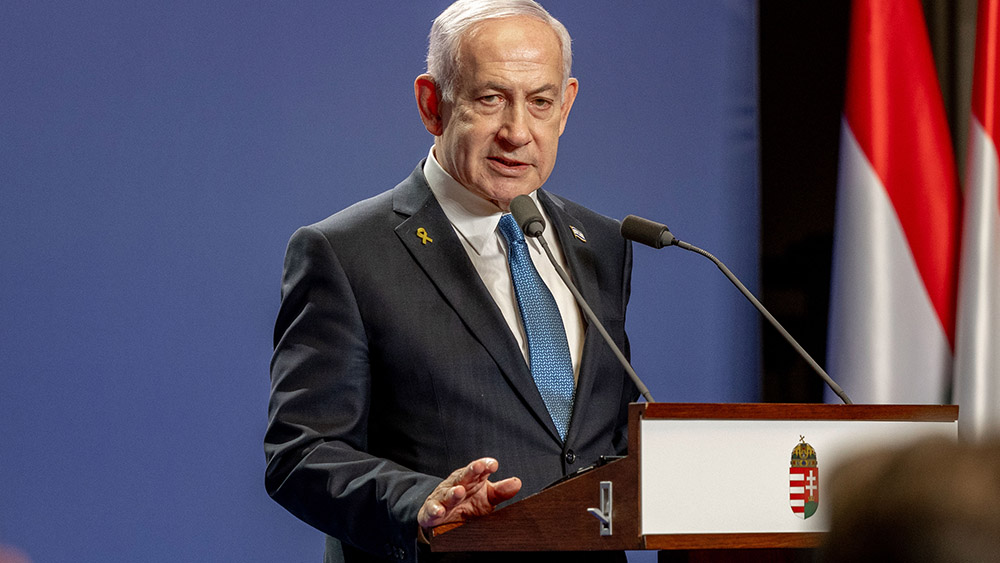
The peace talks occur amid ongoing tensions between Iran and Israel, with Israeli Prime Minister Benjamin Netanyahu threatening to assassinate any successor to Ali Khamenei [17]. Trump has reportedly clashed with Netanyahu over Israeli military actions in Lebanon, which have complicated the negotiations [18]. Iran has suspended talks at times in response to what it views as ceasefire violations, including U.S. strikes on its territory [19].
Analysts suggest that Khamenei’s participation could signal a shift in Iran’s leadership approach toward a more pragmatic diplomatic posture, though the regime has also hardened its stance on nuclear weapons and the Strait of Hormuz [20]. The conflict has triggered the worst oil supply crisis in history, with global markets grappling with the closure of the Strait of Hormuz [21]. No timeline for a final agreement has been announced, and the situation remains volatile as tit-for-tat strikes continue [22].
References
- Jack Phillips. “Trump Wants to Meet Iran’s Leader If ‘All Works Out’ in Peace Talks.” NTD. June 3, 2026.
- Kevin Hughes. “Iran’s New Supreme Leader Mojtaba Khamenei Injured in U.S.-Israeli Airstrikes.” NaturalNews.com. March 13, 2026.
- Cassie B. “Son of Slain Ayatollah Takes Power in Iran as U.S.-Israeli Bombing Campaign Rages On.” NaturalNews.com. March 9, 2026.
- Willow Tohi. “Trump Claims Role in Iran Succession, Opposes Khamenei’s Son.” NaturalNews.com. March 7, 2026.
- Garrison Vance. “US Intelligence Assesses Iran Regime Stable Despite Loss of Senior Leaders in Military Strikes.” NaturalNews.com. March 15, 2026.
- Kevin Hughes. “Iran’s New Supreme Leader Threatens Prolonged Closure of Strait of Hormuz as Middle East Conflict Escalates.” NaturalNews.com. March 15, 2026.
- NaturalNews.com. “The Nuclear Rubicon: Why Iran’s Deterrent Is Our Only Hope and How to Survive What Follows.” March 26, 2026.
- Belle Carter. “Trump Announces Killing of Iran’s Supreme Leader in Joint U.S.-Israel Strike, Urges Iranian Uprising.” NaturalNews.com. February 28, 2026.
- Laura Harris. “Israel Strikes Iranian Clerical Site Amid Succession Talks After Khamenei’s Death.” NaturalNews.com. March 8, 2026.
- Garrison Vance. “Iran Confirms Death of Top Security Official in Airstrike.” NaturalNews.com. March 19, 2026.
- 100PercentFedUp. “President Trump Says Iran Agreement ‘Largely Negotiated,’ Strait of Hormuz Reopening on the Table.” May 24, 2026.
- Mike Adams. “No Deal on Iran: Why the West’s Unreasonable Demands Will Lead to Global Catastrophe.” NaturalNews.com. May 25, 2026.
- 100PercentFedUp. “BREAKING: President Trump Issues Major Iran Deal Ultimatum.” May 27, 2026.
- Garrison Vance. “Trump Projects Quick End to Iran Conflict, Forecasts Drop in Oil Prices.” NaturalNews.com. March 10, 2026.
- End of the American Dream. “They Aren’t Telling You The Truth – This Is Why A Peace Deal With Iran Is Impossible Right Now.” May 25, 2026.
- The War Zone. “Iran Now Trying To Cement Long-Term Control Over Strait Via Fees.” May 22, 2026.
- Willow Tohi. “Israel Threatens Iran’s New Leadership as War Redraws Middle East Power Lines.” NaturalNews.com. March 9, 2026.
- Middle East Eye. “‘Everybody hates you’: Trump yells at Netanyahu over Lebanon escalation.” June 2, 2026.
- SHTF Plan. “Trump Claims “Talks” With Iran Continue While Iran “Suspends Talks”.” June 2, 2026.
- Bright Videos Network. “2026-03-12-BVN-OIL AND FERTILIZER PRICES SKYROCKET_otter_ai-RESTATED.” March 12, 2026.
- NaturalNews.com. “Iran War Triggers Worst Oil Supply Crisis in History, Surpassing 1970s Embargo.” March 13, 2026.
- The War Zone. “U.S.-Iran Ceasefire On The Brink After Tit-For-Tat Attacks.” June 1, 2026.
- Antony Loewenstein. “The Palestine Laboratory: How Israel Exports the Technology of Occupation around the World.”
- Glenn Diesen and Alexander Lukin, editors. “The Return of Eurasia: Continuity and Change.”
Submit a correction >>
Tagged Under:
big government, chaos, Donald Trump, Iran, Middle East, Mojtaba Khamenei, national security, peace talks, politics, White House, World War III
This article may contain statements that reflect the opinion of the author
RECENT NEWS & ARTICLES