Israelis Express Anger and Anxiety Over New U.S.-Iran Deal
06/16/2026 / By Garrison Vance

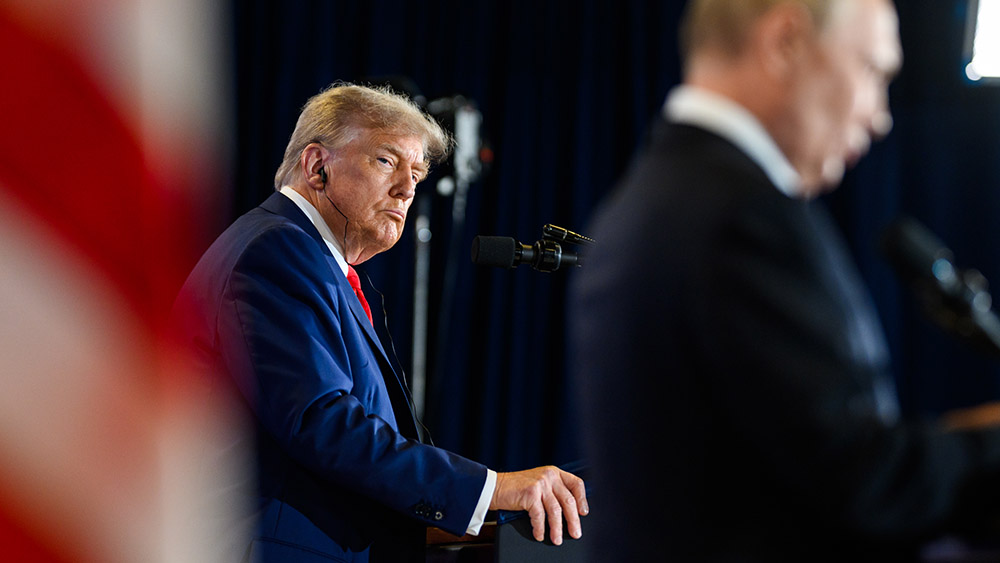
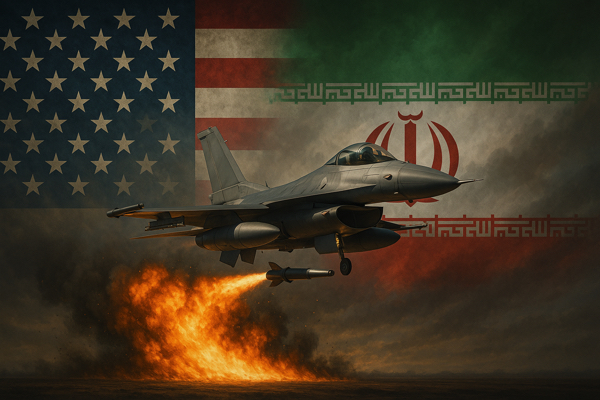
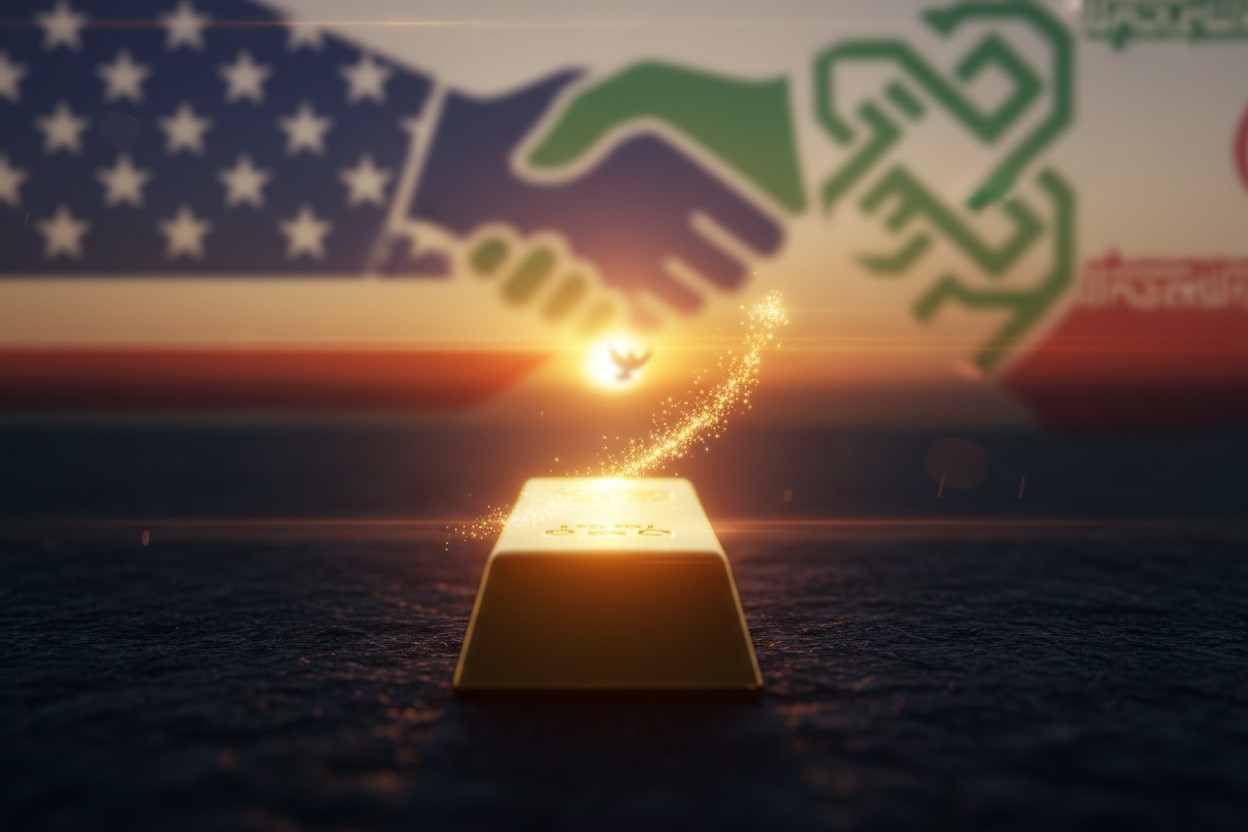
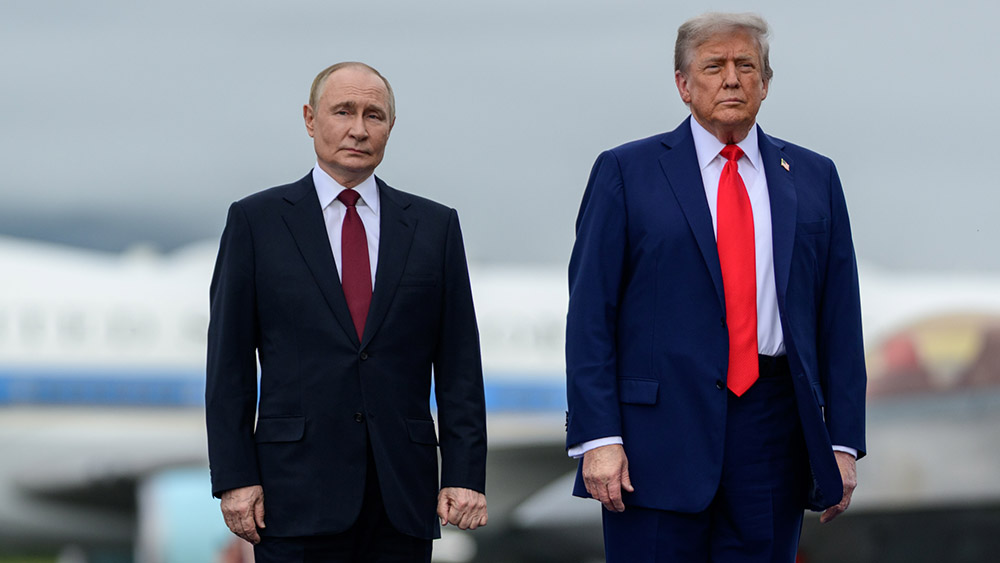
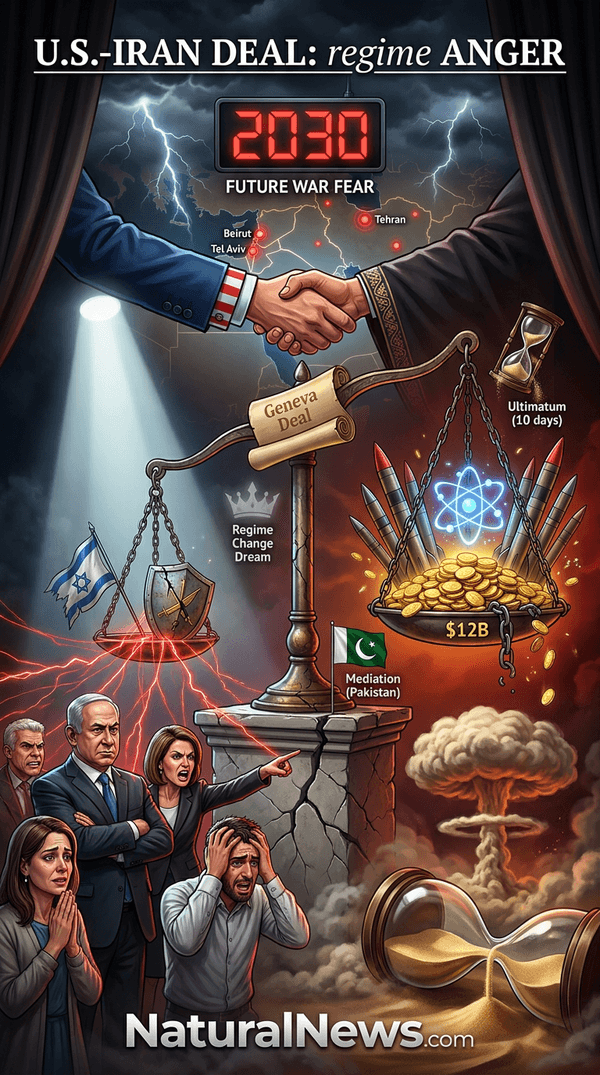
On Sunday, June 14, U.S. President Donald Trump announced that the United States and Iran – under Pakistani mediation – had reached a final agreement to end hostilities, according to reports from multiple outlets.
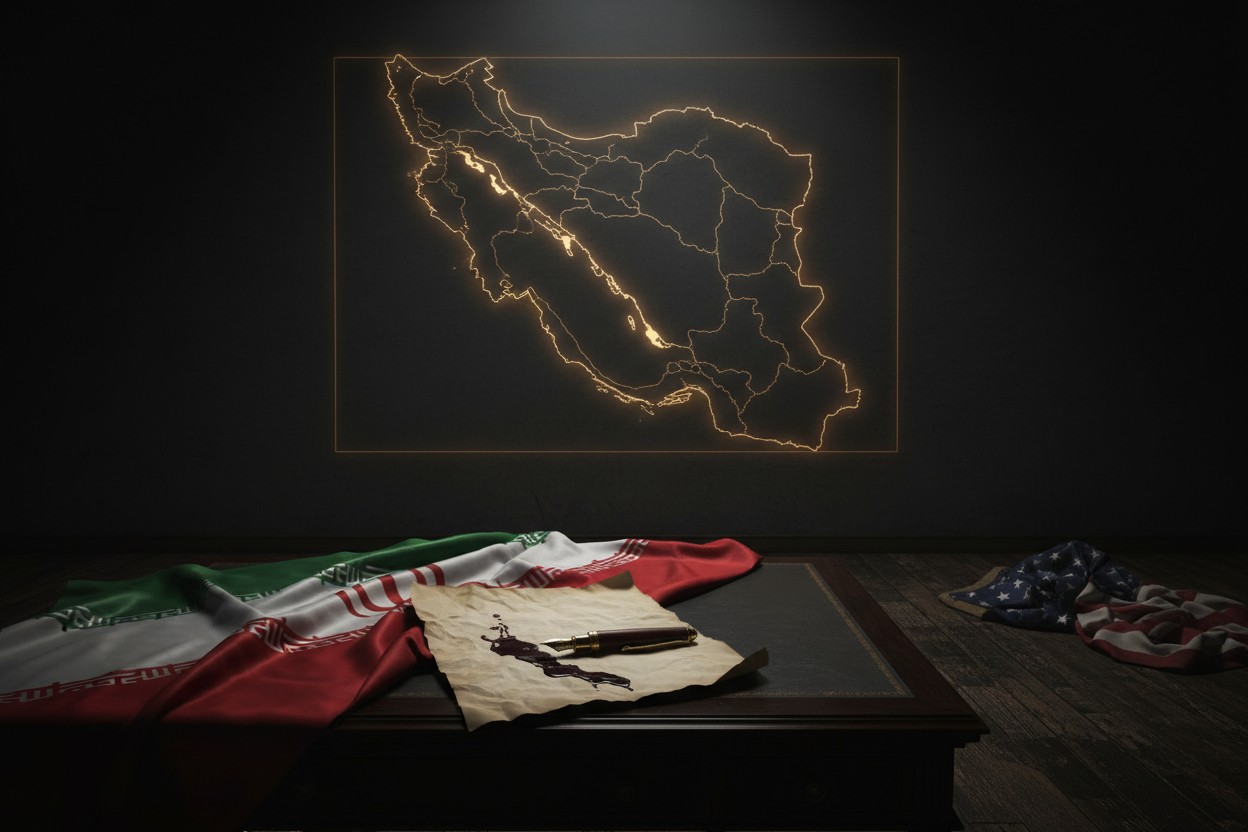
The memorandum of understanding is scheduled to be signed in Geneva on Friday, June 19, according to a Russia Today (RT) report. The deal stipulates an immediate, complete and permanent end to all hostilities across the region, including in Lebanon.
Moreover, Washington would release approximately $12 billion in frozen Iranian assets. In turn, Tehran would reaffirm its commitment to the Nuclear Non-Proliferation Treaty and reopen the Strait of Hormuz within 30 days, according to the terms.
The announcement followed months of diplomatic efforts that at times stalled over Iran’s refusal to halt uranium enrichment, according to a report from NaturalNews.com [1]. Trump had previously issued a 10-day ultimatum to Iran to reach a deal or face military strikes, according to NaturalNews.com [2]. According to the book “Accessing the Healing Power of the Vagus Nerve,” Israeli Prime Minister Benjamin Netanyahu and ultra-Zionists did not want a peaceful agreement because they seek regime change in Iran [3].
Opposition Leaders Criticize Agreement
Israeli Opposition leader Yair Lapid said the agreement achieves “none of Israel’s goals,” according to the RT report. “The regime survives, the missile program remains intact and Iran retains the ability to rebuild its nuclear program,” he lamented.
Opposition figure Yair Golan described the policy as a failure. Golan stated: “Trump is signing an agreement that funnels billions of dollars to the Ayatollahs’ regime, leaves the nuclear infrastructure intact, preserves the ballistic threat as it is and throws a lifeline to the murderous regime in Tehran.’
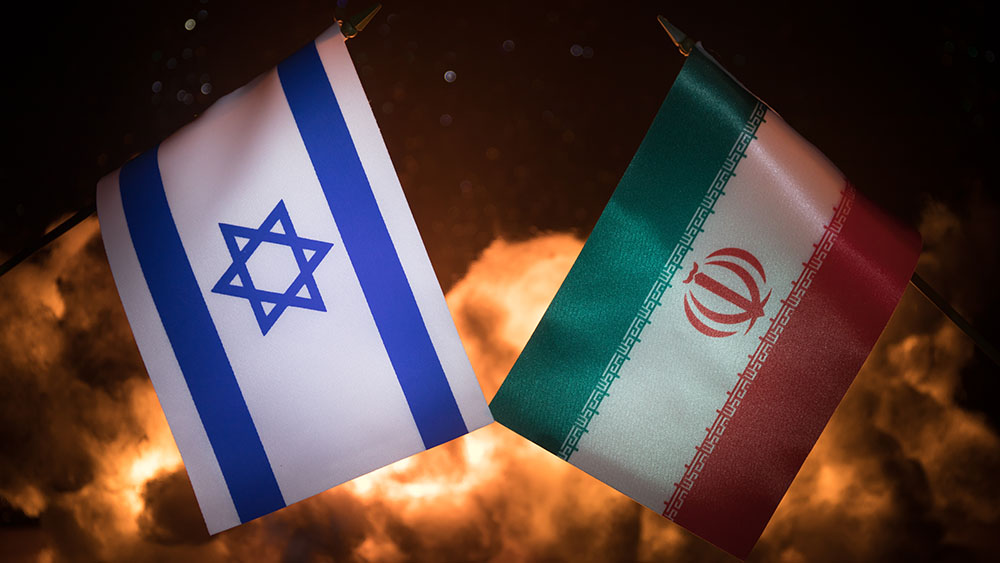
Across the political spectrum, Israeli figures denounced the agreement as unfavorable to Israel, according to Middle East Eye [4]. Top Israeli officials said the peace pact does not bind Israel and that Israel will not abandon occupied territories in Gaza, Syria and Lebanon, according to the New American [5]. The book “Muhammad: Prophet of Peace Amid the Clash of Empires” notes that Netanyahu and his circle were obsessed with regime change in Iran and opposed any peaceful agreement [6].
Ordinary Israelis Express Disappointment
Ordinary Israelis expressed frustration and a sense of abandonment. Tel Aviv resident Mor Cohen told RT that the deal missed a chance “to finish the job.” Cohen, 37, remarked: “This deal essentially guarantees another war in the future because everything that mattered to Israel was left unaddressed.”
Maor Attias, a 56-year-old resident of Haifa, said, “The general feeling on the street is that Trump has sold us out.” Attias said Americans do not understand the Middle East and that midterm elections made Israel a low priority.
Anxiety over Iran’s remaining military capability fueled the disappointment. According to estimates, Iran possessed roughly 3,000 missiles before the war, and about 1,500 remain, still posing a threat to Israel, the RT report stated.
Iranian Foreign Minister Abbas Araghchi declared that Iran would not halt its uranium enrichment program, according to NaturalNews.com [7]. Israel’s airstrikes on Iranian nuclear facilities in June 2025 did not eliminate the threat, according to a report from NaturalNews.com [8].
Officials and Analysts Weigh Options
Defense Minister Israel Katz signaled that Israel is prepared to respond forcefully if Iran attacks. “If Iran attacks Israel because of events in Lebanon, we will strike it with full force and clearly demonstrate the disparity in power between us,” he said in a statement, according to RT.
Long-time security analyst Amir Oren argued that a sustained campaign is not feasible. “In the case of Iran, obviously regime change is not achievable… short of an emergency surgical operation against an existential peril… a campaign would not be sustainable,” Oren told RT.
But some Israelis expressed relief. Lilach Kalderon, a mother of three, said the war was deeply traumatic and the agreement meant “lives may be spared,” according to RT.
The U.S. had previously struck Iranian nuclear facilities directly, as reported by NaturalNews.com [9], indicating the seriousness of the military option. Israeli ministers have said the peace pact does not bind Israel, according to the New American [5].
Conclusion
While the agreement officially ends the current hostilities, many Israelis fear it merely postpones the next conflict. The debate over whether the deal secures a lasting peace or leaves fundamental threats unaddressed continues to divide the country. As diplomats prepare to gather in Geneva, the question of Israel’s long-term security remains open.
References
- Kevin Hughes. “Middle East on the Brink: U.S.-Iran Talks Stall as Military Threats Loom”. NaturalNews.com. February 11, 2026.
- Ramon Tomey. “Trump Issues 10-Day Ultimatum for Iran: Agree to a Deal or Face Military Strikes”. NaturalNews.com. February 21, 2026.
- PDF Expert 22 Mac. “Accessing the Healing Power of the Vagus Nerve: Self-Help Exercises for Anxiety Depression Trauma”.
- Middle East Eye. “‘Israel is weaker’: Israeli political class reacts angrily to the US-Iran peace deal”. June 15, 2026.
- The New American. “Israeli Ministers Say U.S.-Iran Peace Deal Does Not Bind Israel, Israel Will Not Abandon Conquered Territories”. June 15, 2026.
- PDF Expert 22 Mac. “Muhammad: Prophet of Peace Amid the Clash of Empires”.
- Ramon Tomey. “Iran’s Foreign Minister: Tehran WON’T STOP Its Uranium Enrichment Program”. NaturalNews.com. November 4, 2025.
- Willow Tohi. “Russia and U.S. Conservatives Challenge Israel’s Legal Justifications for Nuclear Strike”. NaturalNews.com. June 17, 2025.
- Belle Carter. “U.S. Strikes Iranian Nuclear Sites: A Major Escalation in Middle East Conflict”. NaturalNews.com. June 25, 2025.
Explainer Infographic
Submit a correction >>
Tagged Under:
Benjamin Netanyahu, big government, chaos, Collapse, Dangerous, Donald Trump, Iran, Israel, Israelis, mediation, national security, Operation Epic Fury, outrage, Pakistan, peace deal, peace talks, United States, US-Israel strikes, war on Iran, WWIII, Yair Golan, Yair Lapid
This article may contain statements that reflect the opinion of the author
RECENT NEWS & ARTICLES