U.S. Strikes in Iran Disrupt Water Supply for 10,000 Residents
07/21/2026 / By Garrison Vance
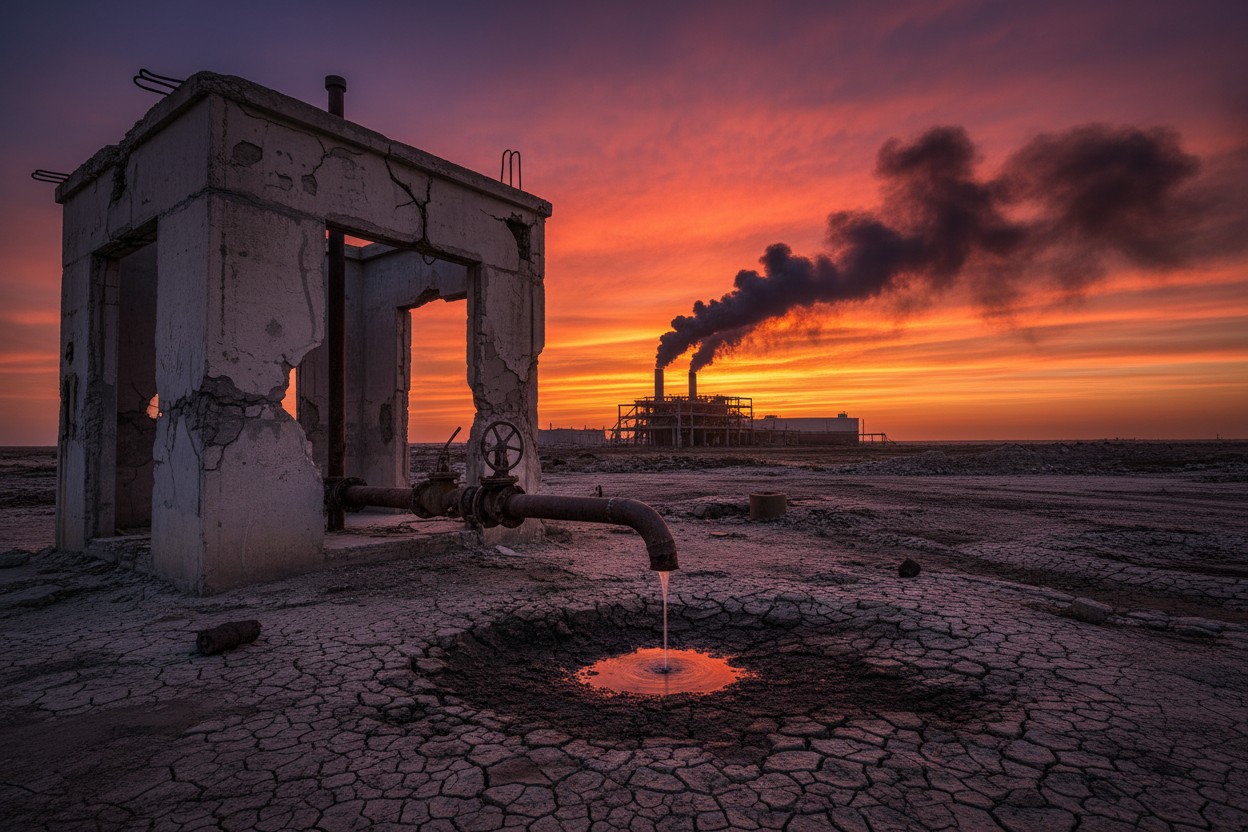
U.S. airstrikes on a desalination facility in the coastal village of Bunji, Hormozgan province, have disrupted drinking water supplies for about 10,000 residents, according to Iranian officials. The strike, part of the seventh consecutive night of U.S. attacks on Iran since President Donald Trump declared the temporary ceasefire agreement “over,” hit pumping infrastructure critical to local water distribution.
Abdolhamid Hamzehpour, CEO of the Hormozgan Water and Wastewater Company, said “a pumping station for the water supply of the cities of Makran and Jask was destroyed… and water supply to 20 villages with a population of nearly 10,000 has been disrupted,” as quoted by the Tasnim news agency [1]. He described the U.S. strikes as “a series of crimes and terrorist attacks.” The disruption compounds a water shortage crisis in a region already suffering from extreme heat [2].
Context of U.S. Strikes
The attacks on Hormozgan province are part of a broader U.S. bombing campaign that began after Trump ended the Islamabad Memorandum of Understanding. U.S. Central Command (CENTCOM) said the strikes are designed to “continue degrading Iranian military capabilities at the Commander in Chief’s direction,” targeting surveillance sites, military logistics, underground weapons storage, and maritime capabilities [3]. Local authorities reported that U.S. strikes also knocked out 116 telecommunications masts in Bandar Abbas and Hajiabad and destroyed multiple bridges and a railway link in the province [4] [5].
The targeting of civilian infrastructure marks a significant escalation. According to a report from the Middle East Eye, U.S. strikes have increasingly hit non-military sites, including energy facilities and water systems [6]. At least seven people were killed in the latest wave of attacks across Hormozgan, according to local officials [2]. Before these strikes, Trump had threatened to bomb Iran’s desalination plants and energy infrastructure if Tehran did not comply with U.S. demands [7] [8].
Iran’s Retaliatory Strikes
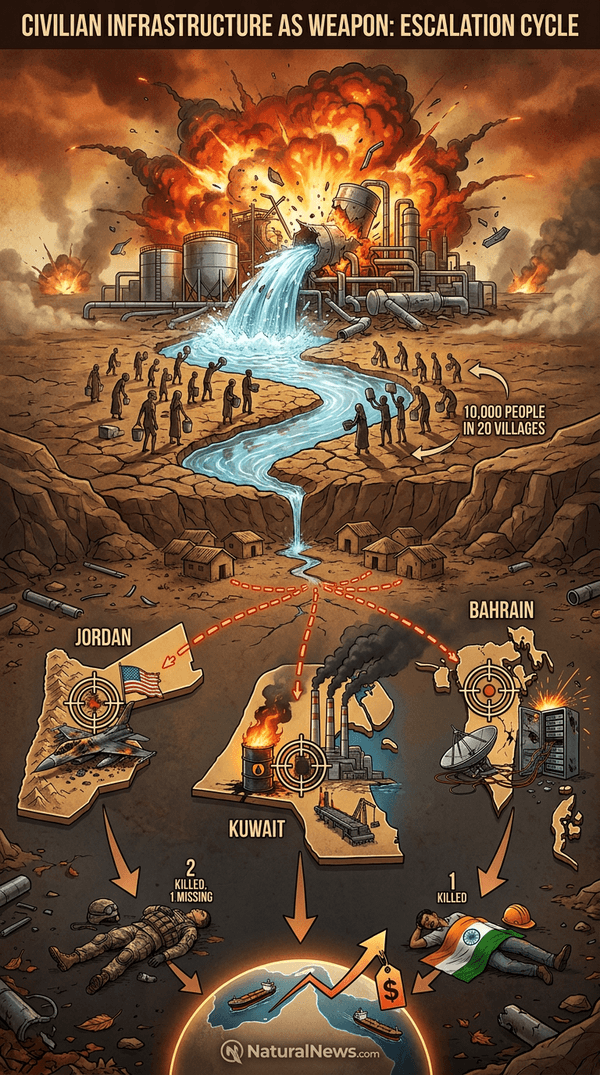
Iran responded by launching the 20th wave of Operation Nasr 2, striking targets in Jordan, Kuwait, and Bahrain, according to the Islamic Revolutionary Guard Corps (IRGC). The IRGC Aerospace Force stated that it struck Azraq base in Jordan, destroying two fighter jets and three other aircraft. In Kuwait, IRGC naval forces hit a U.S. fuel pier at Al-Ahmadi port and a signals center, as reported by Iran’s Tasnim news agency [9]. In Bahrain, Iran struck Sheik Isa Air Base and destroyed a U.S. intelligence data center [10].
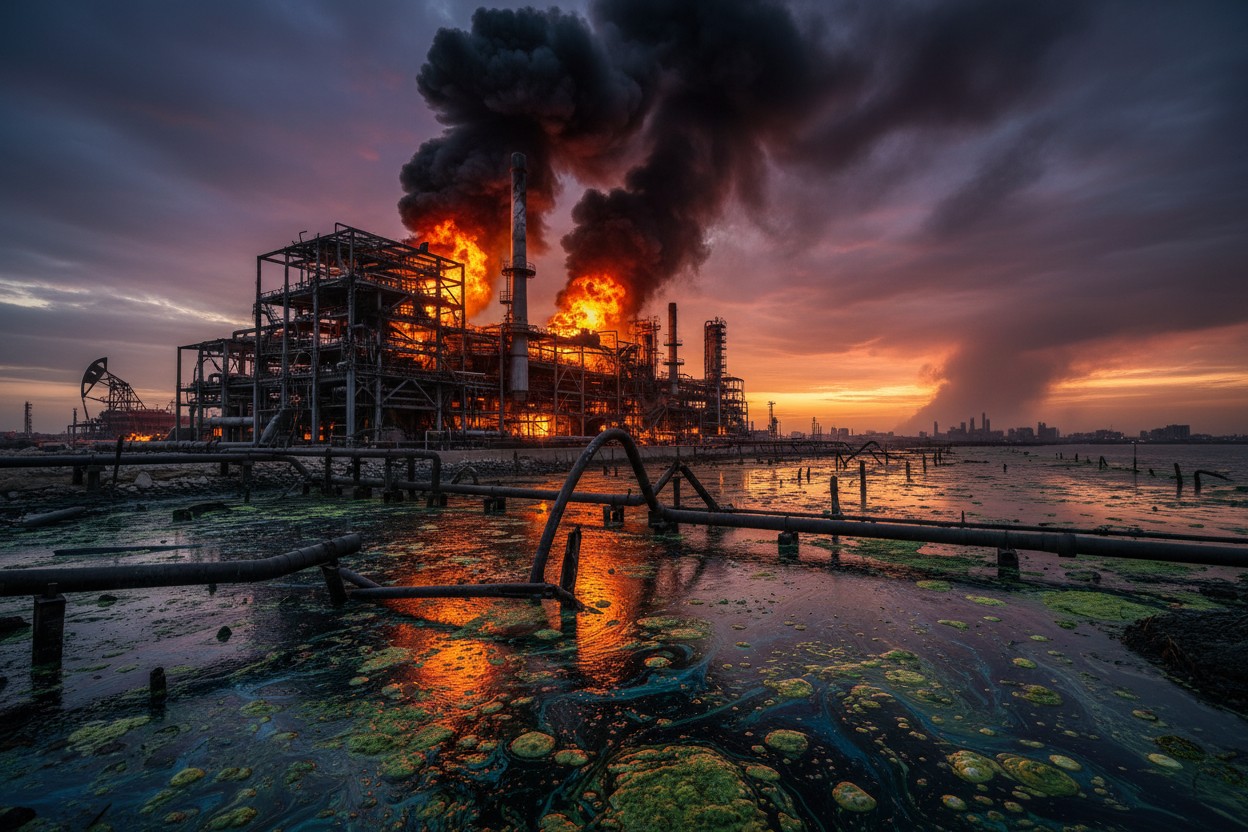
Iranian retaliation also directly impacted civilian infrastructure in Kuwait. A drone and missile barrage damaged a key power and water desalination plant south of Kuwait City, starting a fire and damaging multiple generation units [11] [9]. Kuwait’s state-run news agency described the attack as an act of “criminal Iranian aggression,” and the country’s foreign ministry said the repeated targeting of civilian facilities amounts to a dangerous escalation that violates international law [12].
Reactions and Further Impacts
Jordan’s military said it intercepted 10 Iranian missiles aimed at its territory, with no reported damage or casualties from those projectiles [13]. However, two U.S. troops were killed and one remains missing in Jordan after an Iranian ballistic missile and drone attack on a U.S. base, according to U.S. Central Command [14]. The attack also injured four American service members. In Kuwait, Iran’s strikes on the desalination plant killed one Indian national worker, according to local officials [15].
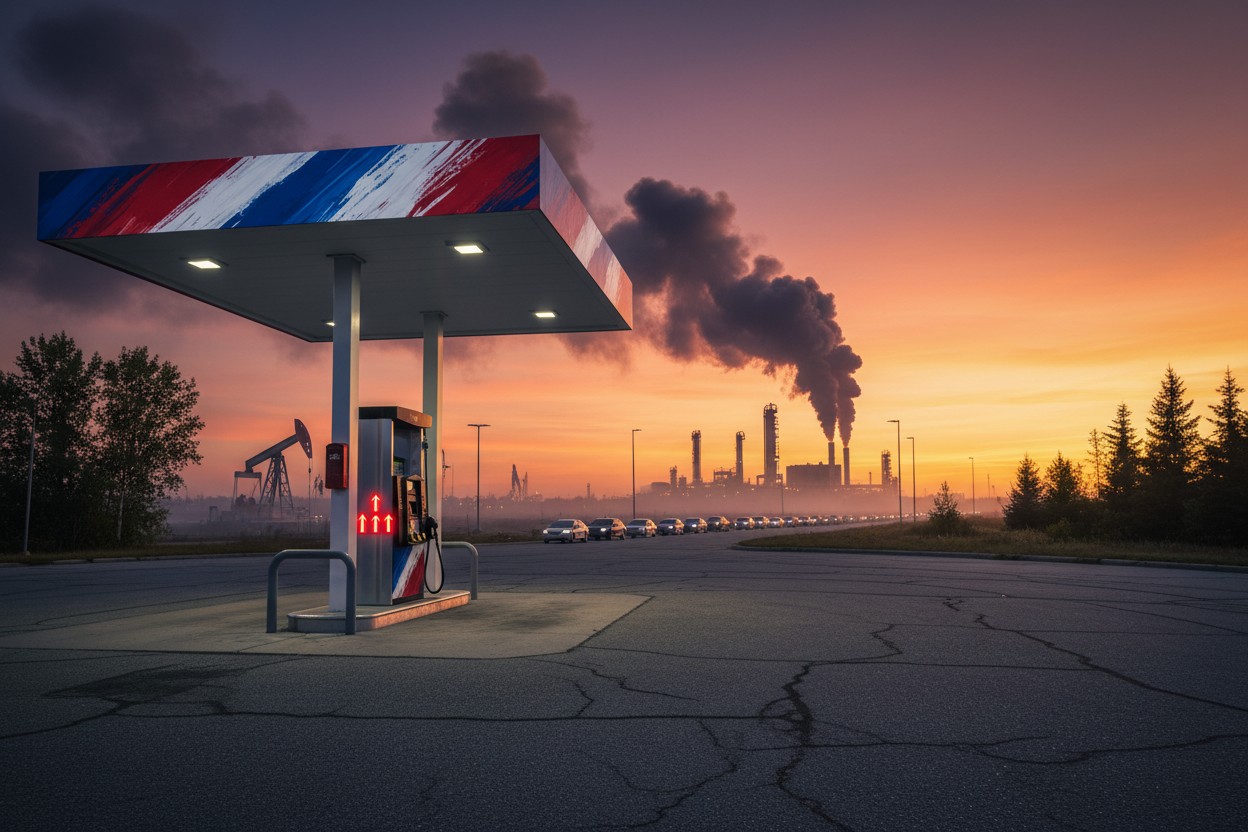
Iran’s Deputy Foreign Minister Gharibabadi announced on July 18 that Tehran was suspending all commitments under the Islamabad MoU, blaming “U.S. violations of all its obligations under the memorandum.” Iran said it would focus on “defending the country,” as reported by Middle East Eye [16]. The announcement effectively ended any ceasefire framework, with both sides signaling further escalation. The conflict has also caused oil prices to rise as global markets react to the widening war and threats to shipping through the Strait of Hormuz [3].
Casualties and Broader Toll
The human cost of the renewed fighting continues to mount. Iranian Health Ministry Spokesperson Kermanpour said at least 50 people have been killed and more than 500 injured in Iran since hostilities resumed on June 27 [17]. The fatalities include five women and two children, while the injured include 32 women and 18 minors. The U.S.-Israeli bombing campaign in Iran has destroyed residential buildings, hospitals, and schools, according to reports from Iranian state media [17]. Before this week’s escalation, a joint report had documented over 2,000 deaths since the conflict began on February 28, with more than 90,000 homes damaged [18]. The infrastructure war has now extended to include attacks on water supplies and energy grids, raising the prospect of a deepening humanitarian crisis across the region.
References
- “Iranian official says US strikes disrupt water supply to 20 villages” – Middle East Eye. July 18, 2026.
- “US strikes leave 10,000 Iranians without water as Kuwait desalination plant burns” – Middle East Eye. July 18, 2026.
- “US strikes hit Iran for seventh consecutive night” – BBC. July 18, 2026.
- “US Strikes Take Out 116 Telecoms Towers In Southern Iran” – ZeroHedge. July 18, 2026.
- “US Strikes Civilian Infrastructure in Iran” – Antiwar.com. July 17, 2026.
- “Video: US strikes damage Iran’s civilian infrastructure” – Middle East Eye. July 19, 2026.
- “What do Trump’s threats to bomb Iran desalination plants mean for rest of Mideast?” – Times of Israel. March 31, 2026.
- “Trump Threatens To ‘Blow Up’ Iran’s Desalination Plants” – Antiwar.com. March 30, 2026.
- “Kuwait Pounded By Iranian Barrage As Oil And Desalination Plants Come Under Attack” – ZeroHedge. July 18, 2026.
- “US-Iran Tit-For-Tat Spirals Towards Broader Conflict” – ZeroHedge. July 19, 2026.
- “Tehran Attacks Kuwait Desalination Plant as Infrastructure Targeting Expands in US-Iran War” – The Epoch Times. July 17, 2026.
- “Kuwait condemns what it calls Iranian attack on power, water desalination facility” – Middle East Eye. July 19, 2026.
- “IDF fires interceptors over Eilat as Iranian missiles target nearby Aqaba in Jordan” – Times of Israel. July 19, 2026.
- “Two U.S. Troops Killed In Iranian Barrage On Base In Jordan” – The War Zone. July 18, 2026.
- Iva Greene. “Iranian Attack Damages Kuwaiti Desalination Plant, Highlighting Regional Infrastructure Vulnerability” – NaturalNews.com. April 9, 2026.
- “Iran declares Islamabad agreement suspended, blames US violations” – Middle East Eye. July 18, 2026.
- Patrick Lewis. “U.S.-Israeli Bombing Campaign Sparks Outrage as Civilian Toll Mounts in Iran” – NaturalNews.com. March 16, 2026.
- “Joint Military Operation Resulted in Substantial Civilian Casualties and Infrastructure Damage in Iran, According to Report” – NaturalNews.com. April 2, 2026.
- Pages. “history 409 handbook of our world history1” – Snippet entries.
Explainer Infographic
Submit a correction >>
Tagged Under:
agreement, big government, ceasefire, CENTCOM, chaos, Collapse, Dangerous, drinking water, Globalism, Iran, IRGC, MOU, national security, panic, risk, supply chain, terrorism, Trump, Tyranny, US, US allies, violence, water supply, WWIII
This article may contain statements that reflect the opinion of the author
RECENT NEWS & ARTICLES