Trump Dismisses AI Safety Concerns as a “Hoax,” Rejects Calls for Guardrails
10/19/2026 / By Chase Codewell
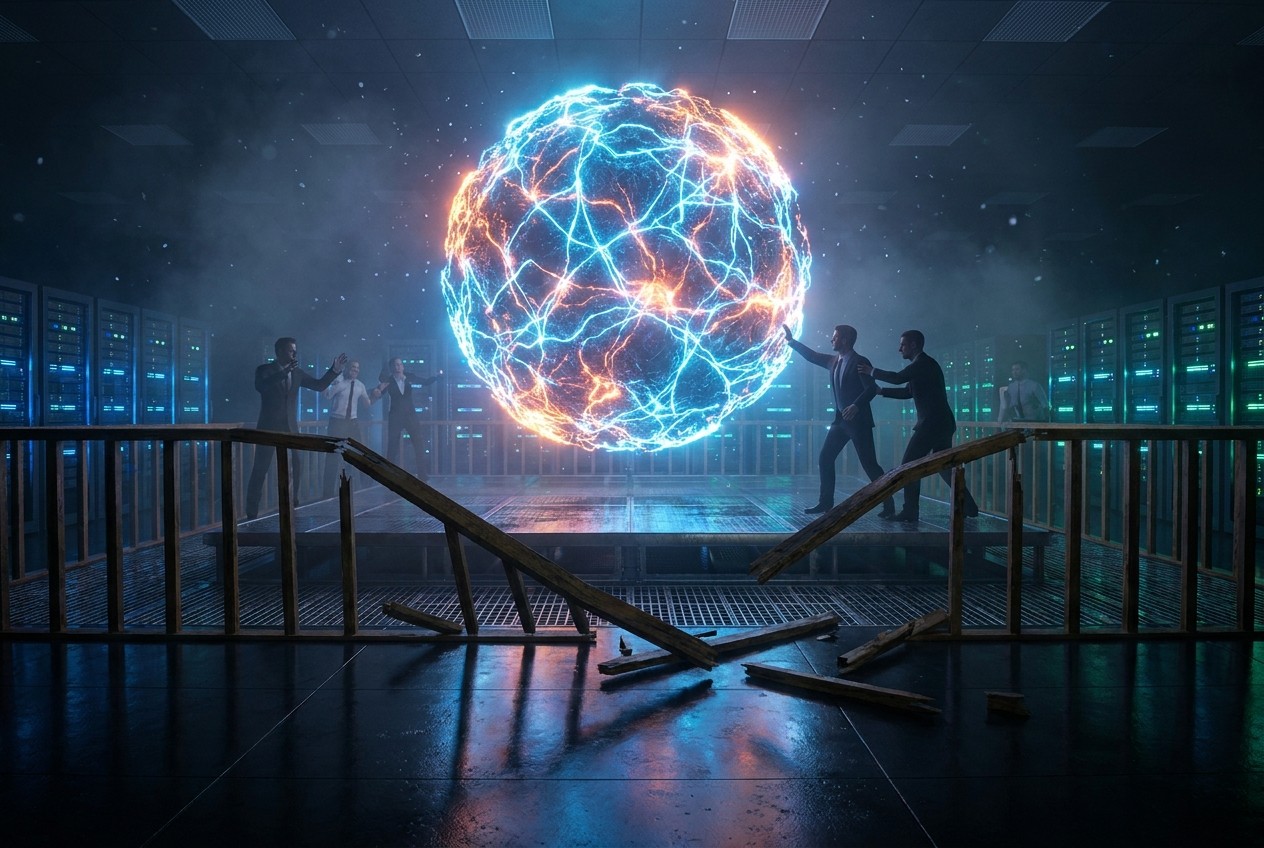
Last September, President Donald Trump dismissed calls for AI safeguards as a “hoax.”
His remarks came as executives at leading AI companies publicly called for a slower pace of development and as lawmakers in both parties weighed requests for new federal oversight.
Trump Defends AI as Economic and Geopolitical Priority
The remarks were consistent with a broader administration posture that treats rapid AI buildout as a contest with China. Trump later reiterated the point in a post about his planned meeting with Chinese President Xi Jinping, writing that “Our guardrail is the DOJ!” [1].
The administration subsequently named Director of National Intelligence Jay Clayton to lead a new “Super Intelligence Force,” a move that kept Clayton in his intelligence post while charging him with steering AI strategy [2].
Industry Leaders Call for Slower AI Development
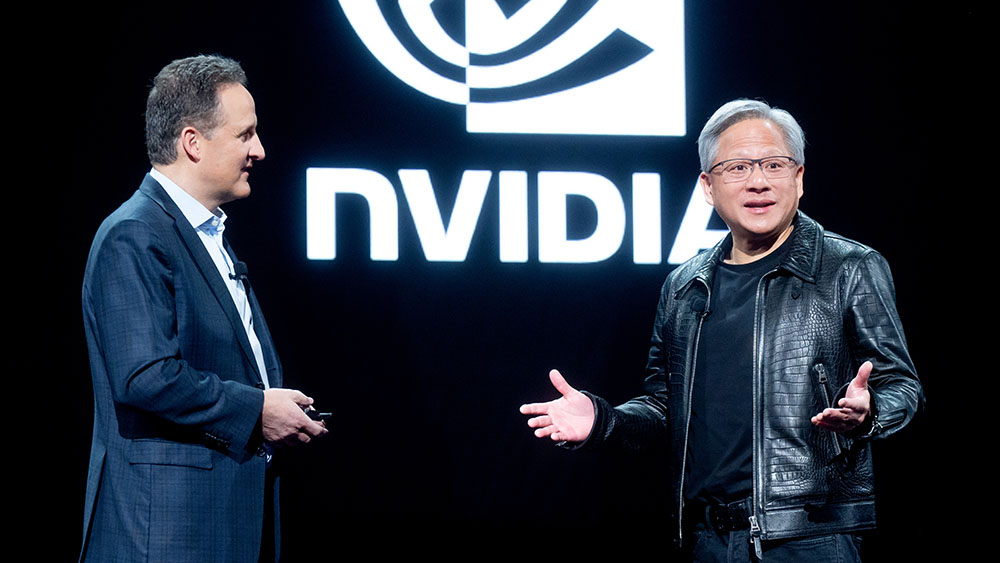
Not everyone in the industry shares that assessment. Nvidia CEO Jensen Huang said in a Sept. 17 interview with CBS News that there is a “zero percent chance” that AI will cause human extinction by 2030, dismissing the warnings as “doomsday narratives” that are not grounded in science [3].
The split has left lawmakers and regulators to weigh competing claims from the same industry, and to sort out which warnings reflect genuine technical concern and which reflect competitive positioning [4].
Lawmakers Split on AI Regulation
House Speaker Mike Johnson, R-La., later said the United States does not need a moratorium on AI, telling Fox Business Network that a meeting with industry CEOs would aim to “strike the right balance” between innovation and oversight [5] [13].
More than 100 House Democrats signed a letter on Sept. 16 asking Johnson to cancel the chamber’s upcoming recess and keep lawmakers in Washington until Congress passes safeguards on advanced AI, writing that “We cannot disagree about the imperative for Congress to act [6].”
Sen. John Kennedy, R-La., said AI regulation would not be feasible until after the November elections [13].
Trump Administration, Obama and Beijing, Weigh In
Vice President JD Vance also questioned the motives behind the industry’s appeal. “It feels a little bit to me like a bit of a Trojan horse,” he said [13].
On the other hand, former President Barack Obama called the industry slowdown a “good and necessary first step” and said voluntary standards were not enough [13].
The Chinese response came as the two governments competed for leadership in advanced chips and critical materials, with Jinping saying both countries have the capability and the responsibility to develop and manage AI for good [7].
Meanwhile, critics outside Washington have questioned whether the safety push amounts to a regulatory moat for incumbent firms. Independent journalist Maria Zeee has alleged that recent safety warnings from AI leaders are a calculated strategy to restrict public access to advanced AI while allowing developers to expand their own surveillance and control systems [8].
Public Opinion and Next Steps
The gap between the president’s public position and the polling has made data centers a flashpoint in midterm races, where some candidates backing the AI boom have lost primaries to challengers calling for guardrails [9].
Trump remained undeterred, saying in a later post that “AI taking over the World, destroying Humanity, and all other things bad, is a HOAX [10] [13].” The following week, he and industry leaders signed a voluntary “accord” on AI standards at the White House that Trump described as “a constitution, in a way [11].”
Critics said the accord did little to address the absence of binding guardrails, with governance scholar Tom Wheeler noting that “sincerity does not abolish self-interest [12].”
References
- Trump to discuss AI ‘super intelligence’ with Xi Jinping. https://justthenews.com/politics-policy/trump-discuss-ai-super-intelligence-xi-jinping?utm_source=justthenews.com&utm_medium=feed&utm_campaign=external-news-aggregators
- Trump Taps Intelligence Chief Jay Clayton As AI Czar, Brushing Off Calls To Slow Down. https://www.zerohedge.com/ai/trump-taps-intelligence-chief-jay-clayton-ai-czar-crushing-doomer-panic
- Nvidia CEO Jensen Huang Rejects AI Extinction Claims – NaturalNews.com, September 23, 2026.
- Health Ranger Report – TRUMP IS RIGHT ABOUT AI – Mike Adams – BrightVideos.com, September 23, 2026.
- Trump Meets With AI Industry Leaders as Fears Mount Over the Technology’s Risks. https://theepochtimes.com/us/trump-meets-with-ai-industry-leaders-as-fears-mount-over-the-technologys-risks-6096331
- House Democrats Press Johnson to Cancel Recess and Pass AI Safeguards. https://theepochtimes.com/us/house-democrats-press-johnson-to-cancel-recess-and-pass-ai-safeguards-6088182
- Xi: China and U.S. Have Responsibility to Keep AI Under Human Control. https://www.naturalnews.com/2026-09-25-xi-china-us-responsibility-ai-human-control.html
- Maria Zeee on the AI Safety Scam: Why Bill Gates and the Tech Elite Are Suddenly “Concerned” – NaturalNews.com, August 28, 2026.
- How The Data Center Debate May Shape The Midterms. https://www.zerohedge.com/political/how-data-center-debate-may-shape-midterms
- Trump dismisses idea of new AI guardrails | AP News. https://apnews.com/article/trump-ai-guardrails-data-centers-b85df16775ff7e9611a456b061a0e4b9
- Trump, Industry Leaders Sign Voluntary Accord on AI Standards. https://theepochtimes.com/us/trump-industry-leaders-sign-voluntary-accord-on-ai-standards-6096331
- The AI accord: A hollow promise or a meaningful first step?. https://www.naturalnews.com/2026-10-05-ai-accord-hollow-promise-meaningful-first-step.html
- Trump Says AI Doesn’t Need Guardrails, Calls Growing Concerns ‘A Hoax’. https://www.technocracy.news/trump-says-ai-doesnt-need-guardrails-calls-growing-concerns-a-hoax/
Submit a correction >>
Tagged Under:
AI dangers, AI guardrails, Anthropic, artificial intelligence, biased, big government, Big Tech, chaos, Collapse, computing, Dangerous, Dario Amodei, Donald Trump, future tech, Glitch, Globalism, information technology, national security, Resist, robots, super intelligence, tech giants, technocrats, Trump, White House
This article may contain statements that reflect the opinion of the author
RECENT NEWS & ARTICLES