Seven States Declare Fuel Emergencies as Trump’s War Pushes Global Energy Supplies Into Catastrophic Shortage
10/22/2026 / By Mike Adams
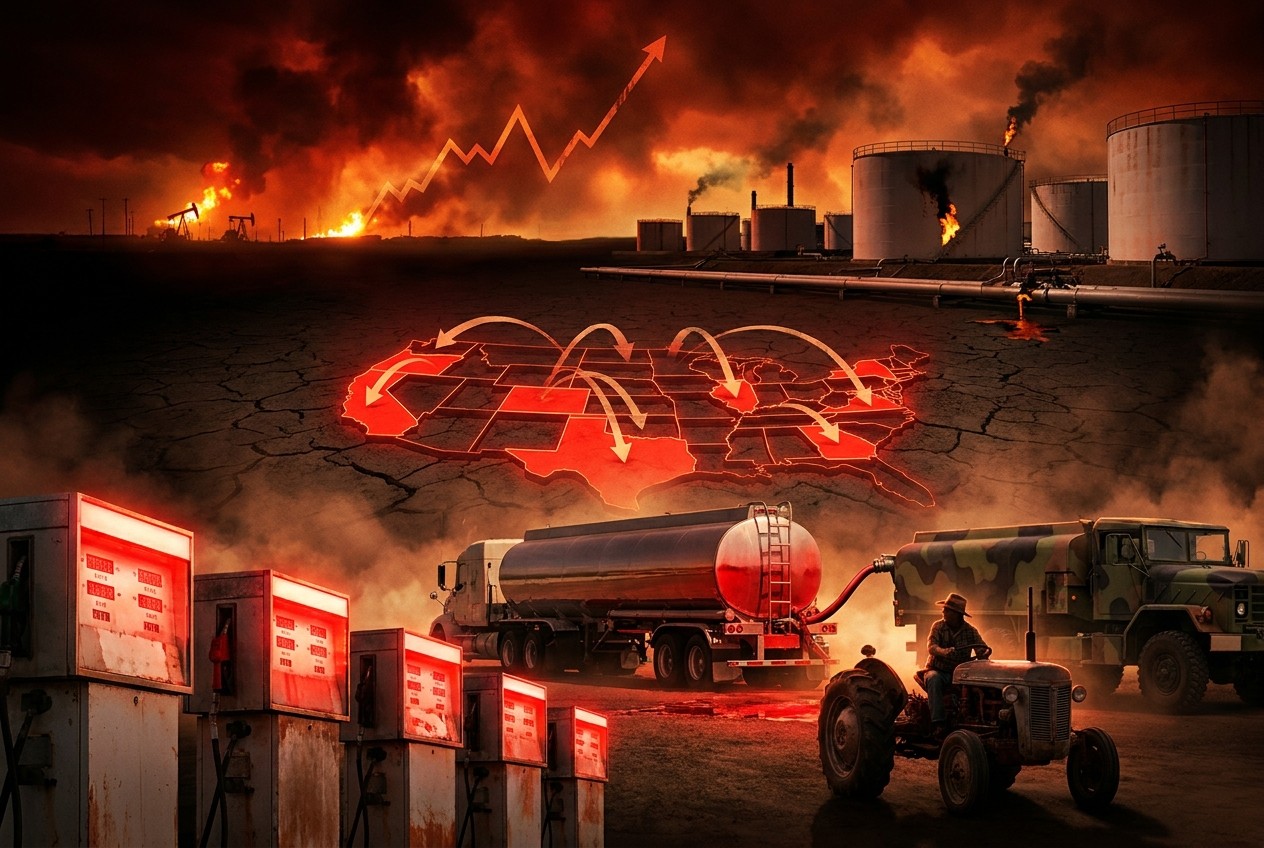
Seven States, One Emergency: The Fuel Shock Is Not a ‘Logistics Problem’ — It’s a War Problem
Seven U.S. states have now declared fuel emergencies — Texas, North Dakota, Illinois, Kentucky, Maryland, Michigan and Nebraska — and I believe that list is going to keep growing. When a state governor signs an emergency order suspending trucking regulations, that is not simply a bureaucratic formality. It’s an admission that the fuel supply chain is breaking in real time. The empty pumps in Omaha and LaVista are the first visible symptom of a supply shock that has been building for months.
I predicted this exact scenario back in March. I warned that the U.S. power grid and diesel supply chain were running on borrowed time [1]. I said the diesel dominoes would start falling, and now they are. The corporate media wants you to believe this is a ‘local logistics problem’ — a trucking hiccup, a scheduling snafu, a temporary inconvenience. That explanation is a dodge, however, because this is cause and effect, not coincidence. The war on Iran that Trump launched has triggered a global energy shock that is now hitting American soil, and no amount of happy talk from the White House can change that reality.
What we are witnessing is the opening chapter of the greatest energy supply shock in the history of the global oil industry [2]. The price of oil is no longer just a market signal — it is a confession. Every spike in crude and every insurance premium demanded from a supertanker captain is a receipt for a war that was sold to the American people as a limited, surgical engagement but has metastasized into a full-blown economic catastrophe. The seven states that have declared emergencies are simply the first to admit what’s coming for the rest of the states.
What the Emergency Orders Actually Reveal
Let me walk you through what these emergency declarations actually mean, because the details tell a story far more alarming than the headlines. Nebraska’s October 19 executive order, titled ‘Emergency Relief Due to Motor Fuel Supply Shortage,’ suspends hours-of-service limits for fuel haulers and allows 10 percent weight overages on fuel deliveries. You do not rewrite federal trucking rules unless the system is already broken. When a governor allows trucks to carry more fuel and drive longer hours, that is emergency triage — not efficiency improvement.
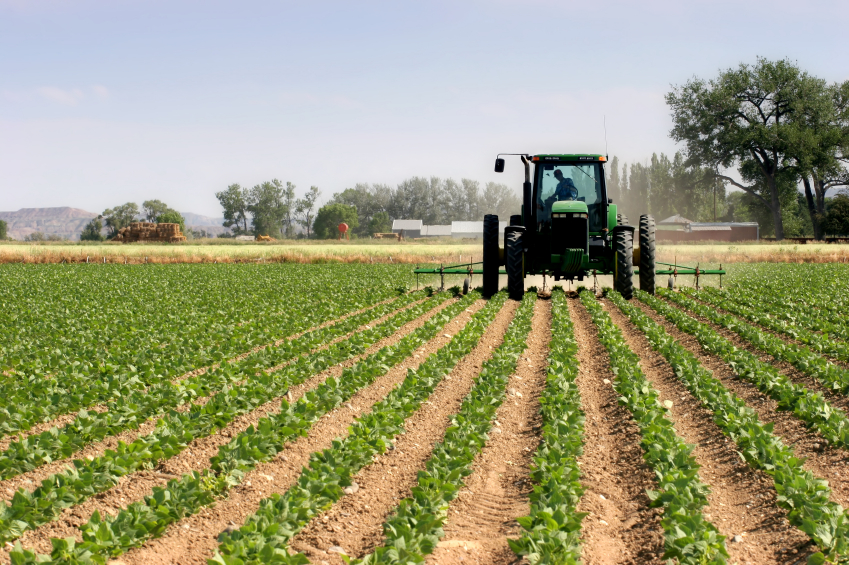
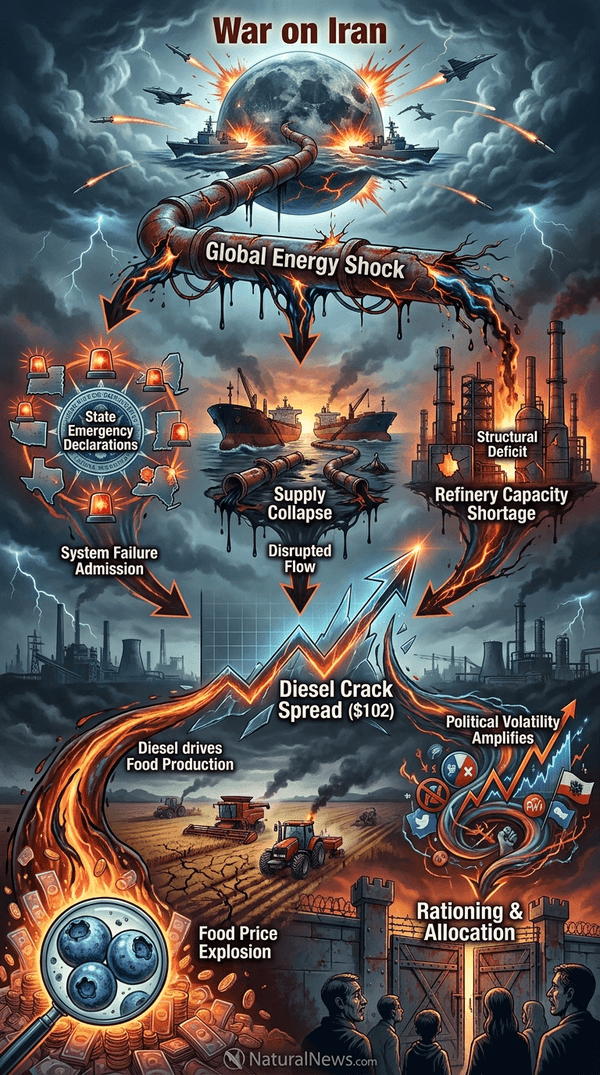
Texas declared a statewide disaster across all 254 counties on September 28 over skyrocketing diesel prices. North Dakota followed on September 29, citing availability itself — not just price, but whether fuel could be found at any cost. Illinois, Kentucky, Maryland and Michigan have each cut fuel taxes or legalized red-dyed diesel on highways. Michigan and Illinois are now letting farm and logging vehicles burn off-road red dye on public roads — a confession that the shortages are deep enough to reach agriculture. When you start letting tractors run on untaxed off-road fuel just to keep the food supply chain moving, you are no longer managing a logistics problem. You are managing an expanding crisis.
The federal government’s own actions confirm the severity. The U.S. Department of Energy offered to lend energy companies up to 40 million barrels of oil from the Strategic Petroleum Reserve to help ease fuel prices during the war with Iran [3]. The G7 nations agreed to release up to 100 million barrels of diesel and crude oil from their strategic reserves [4]. U.S. officials even formally requested that Germany and France release their emergency diesel supplies [5]. These are not the actions of a government that believes the problem is temporary. These are the actions of a government in full-blown supply panic.
I have to say this plainly: when the federal government starts begging other countries for diesel while simultaneously releasing its own emergency reserves, you know the situation is dire. The EPA’s own waivers — including lifting ultra-low sulfur requirements in certain regions — confirm a genuine supply emergency at the federal level. The bureaucratic machinery of the U.S. government does not move this fast unless the people at the top are terrified of what happens if they don’t.
If You Have Nothing to Distribute, You Have a Distribution Problem
The official narrative claims that America’s fuel crisis is a ‘distribution problem’ — as if there were plenty of diesel sitting in refineries and terminals, but the trucks just can’t get it to the pumps fast enough. That is semantic sleight of hand designed to keep you calm while the pumps go dry. The truth is much simpler and much worse: the United States does not produce enough diesel for itself, and we lack both the refinery capacity and the right grade of crude oil to fix that quickly.
The numbers are devastating. The diesel crack spread — the price difference between crude oil and refined diesel — hit $102 over crude in August [6]. It has gone much higher since then. That figure is so far outside historical norms that it does not represent a market correction. It represents a structural collapse in fuel supply. Diesel is what moves food, medicine, construction materials and every physical good in the economy. When diesel becomes scarce and expensive, everything becomes scarce and expensive. The economy runs on diesel, not oil — crude is just a raw material.
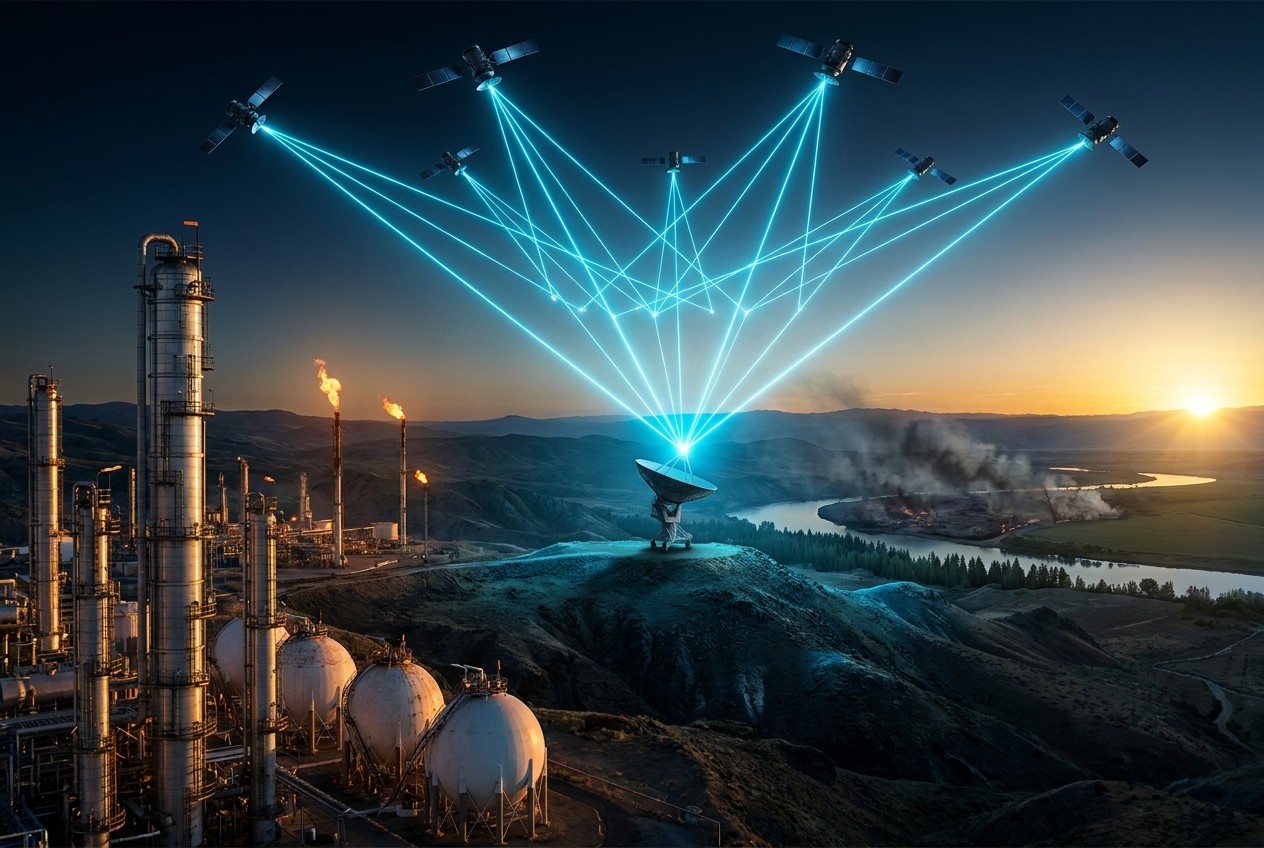
We import distillates and heavy sour crude from the Middle East, and that supply has collapsed since the war on Iran began. The Strait of Hormuz disruptions, shuttered pipelines and damaged storage facilities have cut Persian Gulf oil, distillates and natural gas flows far below their former levels. Saudi Arabia shut down its East-West Pipeline after multiple drone attacks in September [7], and the kingdom’s ability to bypass Hormuz via the Red Sea has been severely compromised. Western countries have drained all available oil inventories, leaving the market increasingly exposed to further shocks [8]. When you have nothing to distribute, the distribution problem becomes irrelevant.
The EPA’s own waivers — including lifting ultra-low sulfur requirements above the Arctic Circle — confirm a genuine supply emergency at the federal level. Even the federal government’s own regulatory apparatus is admitting what the political class won’t say out loud: the fuel isn’t there. Maryland saw diesel prices hit $6.46 a gallon, up 76 percent in twelve months. That is not a trucking-schedule story. That is a war story.
The War Nobody Wants to Name
In my view, the war on Iran launched by Trump is the primary driving cause of this energy shock, and the refusal to say so is a catastrophic failure of the press. The corporate media will talk about ‘supply chain disruptions’ and ‘market volatility’ and ‘geopolitical uncertainty’ — anything except the obvious. The obvious explanation is that we started a war in the Middle East, and now the Middle East is burning, and the oil is not flowing like it used to.
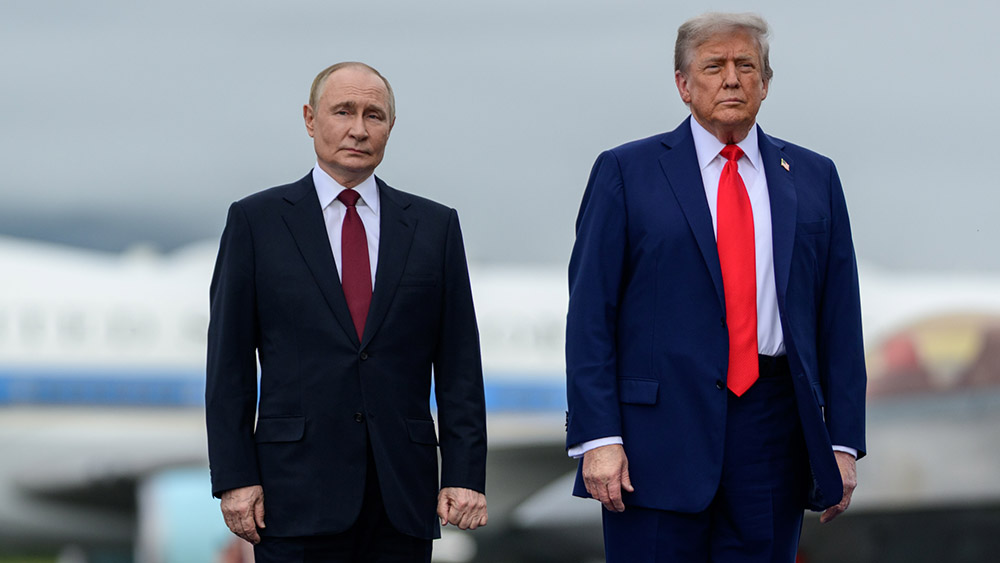
Trump’s own October 5 executive order on diesel tax relief cites a ‘restricted global diesel supply’ — the government itself is admitting the cause. Trump went to Putin for diesel, securing an agreement for 300,000 tons immediately, with another 500,000 tons slated for November and 1 million tons soon afterward [9]. He pressured the G7 to release emergency reserves [10]. He even blamed Ukraine for the fuel price surge, saying it is no longer driven by the Iran war but by Ukraine’s attacks on Russian refineries [11]. The desperation is palpable. When the President of the United States is begging Russia for diesel while telling the American people everything is fine, you know the supply picture is catastrophic.
The war’s damage to Gulf energy infrastructure is not a temporary problem. A five-year global energy crisis is already baked into the system [12]. The Strait of Hormuz is only now partially reopening, but the damage has been done. Iran has promised to strike Persian Gulf energy production, distribution and storage targets, including Qatari natural gas. If that happens — and I fear it will — the world faces a decade of darkness. Chris Martenson and others, myself included, called this months ago. We weren’t merely lucky. We were reading the map.
Rationing Today, Food Prices Tomorrow
I expect diesel rationing in the United States — not as speculation, but as the logical next step when haulers, farmers and truckers all compete for a shrinking pool of fuel. The emergency orders we are seeing now are the first phase. The second phase will be allocation. The third phase will be rationing. When you see states cutting fuel taxes and legalizing off-road diesel on highways, you are watching the bureaucratic groundwork being laid for a formal rationing system.
The food supply chain is directly in the crosshairs. Food prices follow diesel prices with a lag. When diesel becomes scarce and expensive, farmers cannot run their equipment. When farmers cannot run their equipment, food production collapses. When food production collapses, prices explode. The cost of shipping a single unit of freeze-dried blueberries in wholesale quantities has jumped from the $50 to $60 range up to $80 to $90 [13]. That’s up to a 60 percent increase in shipping costs for one food item. Multiply that across the entire food supply chain and you begin to understand what is coming.
The political backdrop makes everything worse. We have midterms approaching. We have talk of illegitimate government. We have regional unrest. When you combine an energy crisis with a political crisis, you get chaos. The global bond market is already selling off, with yields hitting multi-decade highs [14]. The financial system is showing signs of strain. The people who run this system know what is coming. They are preparing. Are you?
I will say this as clearly as I can: the people who dismissed these warnings as ‘conspiracy theories’ are the same people who will be standing in line for rationed fuel while the wealthy retreat to their gated compounds. The lesson is the same as it was in March. Listen to the people who saw this coming. Act early. Do not wait for permission.
What I’m Doing About It — And What I’d Tell You to Do
So what am I doing about this? I am conserving every gallon of fuel I can. I drive less. I combine trips. I maintain my vehicles so they run efficiently. I have stored fuel purchased at lower prices, and I am stretching it as far as it will go. I am also looking at electric alternatives where they make sense — not because I believe in the climate change narrative, but because energy independence is practical self-defense.
I am storing food aggressively. One-year food kits. Freeze-dried fruit for nutrition and heavy-metal binding. I am sourcing meat locally from clean ranchers — people I know and trust, not the industrial food system that is already collapsing. I am growing what I can. I am treating my home, my property and my family as my responsibility, not the government’s. Preparedness is not paranoia. It is rational self-reliance in a system that has failed.
This is worth pointing out: the people who laughed at preppers five years ago are going to be the ones panicking in grocery stores. The people who trusted the system are the ones who are going to suffer the most. I have been warning about this for years — not just in my articles, but in my daily life. I live what I write. I store what I recommend. I prepare because I understand that when the system breaks, no one is coming to save you.
The lesson is the same as it was in March: listen to the people who saw this coming, act early, and do not wait for permission. The fuel shock is here. The food shock is coming. The question is not whether you will be affected — it is whether you will be ready.
Use every resource at your disposal to prepare. That includes independent media sources like NaturalNews.com, which has been reporting on these supply chain vulnerabilities for years. Take advantage of tools like BrightLearn.ai for free knowledge. It includes platforms like BrightVideos.com, Brighteon.social and BrightAnswers.ai that give you access to uncensored information and honest analysis. The system is failing. You need alternatives. You need to be ready. The time to prepare is now — not when the pumps are empty and the shelves are bare.
References
- The Diesel Dominoes Are Falling: Brace Yourself Now for a Midwest Fuel Shock. 2026-09-17T06:00:00.000Z. https://www.naturalnews.com/2026-09-17-the-diesel-dominoes-are-falling.html
- The Real Cost of Oil: How War and Deception Are Fueling a Global Energy Crisis. 2026-10-09T06:00:00.000Z. https://www.naturalnews.com/2026-10-09-real-cost-oil-war-deception-fueling-crisis.html
- Energy Department Offers 40 Million Barrels in Oil Loans to Help Stabilize Markets. 2026-09-30T02:14:54.000Z. https://www.ntd.com/doe-offers-40-million-barrels-in-oil-loans-to-help-stabilize-markets_1175843.html
- G7 Nations to Release 100 Million Barrels of Diesel, Crude. 2026-10-02T19:41:52.000Z. https://www.ntd.com/g7-nations-to-release-100-million-barrels-of-diesel-crude_1176505.html
- U.S. Requests Germany and France to Release Emergency Diesel. 2026-10-04T06:00:00.000Z. https://www.naturalnews.com/2026-10-04-us-requests-germany-france-release-emergency-diesel.html
- Diesel Crack Spread Screams Economic Red Alert, and Inflation Will Soon Surge. 2026-08-18T06:00:00.000Z. https://www.naturalnews.com/2026-08-18-diesel-crack-spread-screams-economic-red-alert.html
- The Saudi Pipeline Is Gone: Why the Global Energy Shock Just Got Far Worse. 2026-09-14T06:00:00.000Z. https://www.naturalnews.com/2026-09-14-saudi-pipeline-gone-global-energy-shock-worse.html
- West has ‘drained’ all available oil inventories – Vitol CEO. 2026-10-07T13:53:57.000Z. https://www.rt.com/business/646895-west-oil-inventories-vitol/?utm_source=rss&utm_medium=rss&utm_campaign=RSS
- NEW: President Trump Secures Massive Russian Diesel Agreement To Fight High Fuel Prices. 2026-10-10T17:07:37.756Z. https://100percentfedup.com/new-president-trump-secures-massive-russian-diesel-agreement/
- President Trump Forces G7 Into 100-Million-Barrel Emergency Release As Diesel Prices Soar. 2026-10-03T15:24:20.135Z. https://100percentfedup.com/president-trump-forces-g7-100-million-barrel-emergency/
- Trump blames Ukraine for US fuel price surge (VIDEO). 2026-10-06T11:27:08.000Z. https://www.rt.com/news/646744-trump-blame-ukraine-fuel-prices/?utm_source=rss&utm_medium=rss&utm_campaign=RSS
- The Five-Year Fuel Crisis Why The World Economy Is Paying For A War It Thinks Is Ending. 2026-10-06T03:25:00.000Z. https://www.zerohedge.com/markets/five-year-fuel-crisis-why-world-economy-paying-war-it-thinks-ending
- Wholesale Food Costs Are Skyrocketing … and 2027 Will Be the Worst Food Crisis of Our Lifetime. 2026-10-08T06:00:00.000Z. https://www.naturalnews.com/2026-10-08-wholesale-food-costs-are-skyrocketing.html
- Global Bond-market Sell-off Drives Yields Higher Amid Fiscal Pressures. 2026-09-15T12:33:21.000Z. https://thenewamerican.com/us/economics/global-bond-market-sell-off-drives-yields-higher-amid-fiscal-pressures/
Explainer Infographic
Submit a correction >>
Tagged Under:
catastrophe, Collapse, corruption, economic collapse, fuel shock, global collapse, global energy shock, government, Inflation, lies, national security, politics, propaganda, Trump, war on Iran
This article may contain statements that reflect the opinion of the author
RECENT NEWS & ARTICLES