Iran FM Araghchi: Decision on U.S. Talks Awaits Acceptance of Its Terms
11/05/2026 / By Garrison Vance

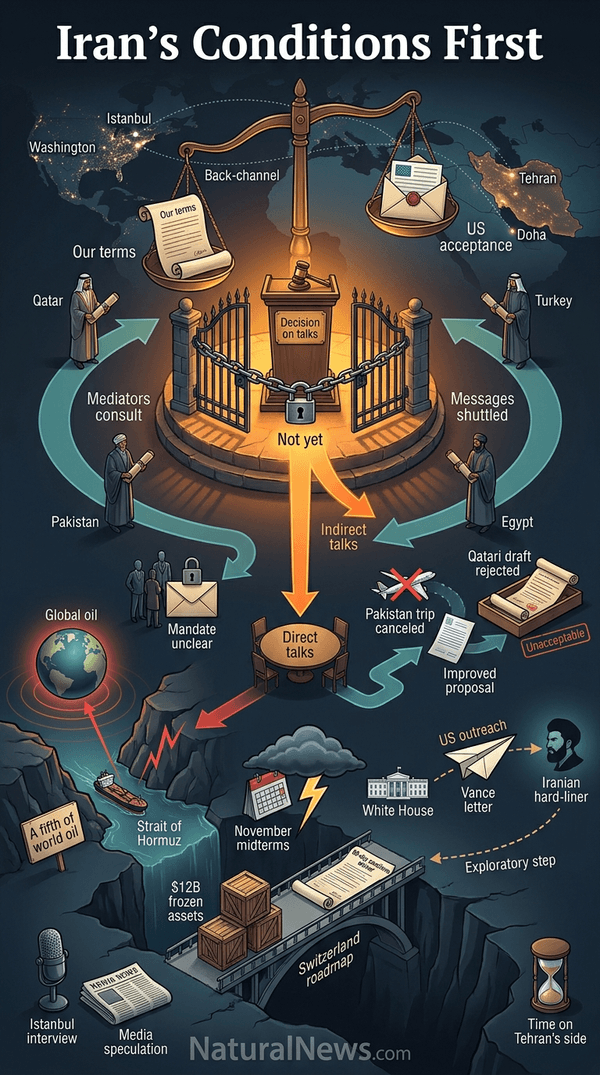
Iran will decide whether to hold direct or indirect negotiations with the U.S. only after Washington agrees to Tehran’s terms, Iranian Foreign Minister Abbas Araghchi said Saturday, Oct. 31.
“We will make a decision on whether to hold direct or indirect talks with the U.S. as soon as Washington agrees to our terms,” Araghchi told Al-Jazeera, according to Sputnik‘s account of the interview. The minister said Iran does not consider a meeting with the U.S. to be necessary at present, the report stated.
Araghchi also said that any assumptions about Iran’s plans to hold talks are media speculation, according to the Sputnik report. The remarks were reported from Istanbul and published Saturday, with Sputnik listing the interview as having been updated the same day.
Iran Says Conditions Are Clear as Mediators Continue Consultations
Araghchi told Al-Jazeera that Iran’s conditions are clear and that mediators are continuing consultations regarding them, according to the report. “We see no need to meet with the Americans at present. Our conditions are clear, and mediators are continuing their consultations regarding them,” he said, as quoted by Sputnik.
The statement comes amid broader regional uncertainty over whether negotiations would resume. Mediators have continued working with both Iran and the U.S. on a deal to end fighting and open the Strait of Hormuz, according to officials who spoke with the Associated Press [1]. In parallel, Qatar has signaled a possible talks breakthrough, with a Qatari newspaper reporting that planned direct talks were back on and regional sources describing the development as a “breakthrough” in previously stalled communications [2].
Iran Says Delegation Sent to Doha
Araghchi said Iran had sent a delegation to Doha, according to the Sputnik report. The report did not specify the delegation’s mandate or the status of any meetings in Qatar.
The disclosure followed earlier rounds of mediation involving Qatari officials. In late September, Qatari mediators met Araghchi in New York to discuss how to advance Tehran’s proposal for reopening the Strait of Hormuz [3]. Qatari officials have also presented Iran with a draft proposal to end the war, which Tehran rejected as “unacceptable,” according to reporting on the exchange [4].
Neither Sputnik nor other reports on the Doha delegation provided a timeline for its activities. The remarks were reported from Istanbul and attributed to an interview with Al-Jazeera, the report stated.
Regional Statements and Related Reports
Separately, U.S. Vice President J.D. Vance sent a letter to an Iranian hard-liner aimed at testing whether Tehran would return to a negotiating framework after months of failed diplomacy and repeated ceasefire collapses, according to officials cited in reporting on the outreach. Officials cautioned that no breakthrough was imminent and that the contact represented an exploratory step rather than the start of formal talks [5].
No direct response from U.S. officials to Araghchi’s comments was included in the reports. The diplomatic activity unfolded as the White House continued to weigh a range of options.
President Donald Trump told reporters that a U.S. diplomatic trip to Pakistan was canceled shortly before Iran submitted what he described as a significantly improved peace proposal [6]. U.S. officials have also told Gulf allies to prepare for a possible renewed military campaign against Iran after the November midterm elections, according to reporting that cited the Wall Street Journal [7].
No Timeline Given for Decision on U.S. Talks
Araghchi did not state when Iran would make its decision on direct or indirect talks, according to the report. The minister stated that further decisions would depend on Washington’s acceptance of Iran’s terms, officials said. Tehran has previously said it is awaiting a “definitive” U.S. response to its latest proposal, despite Trump publicly rejecting the offer [8].
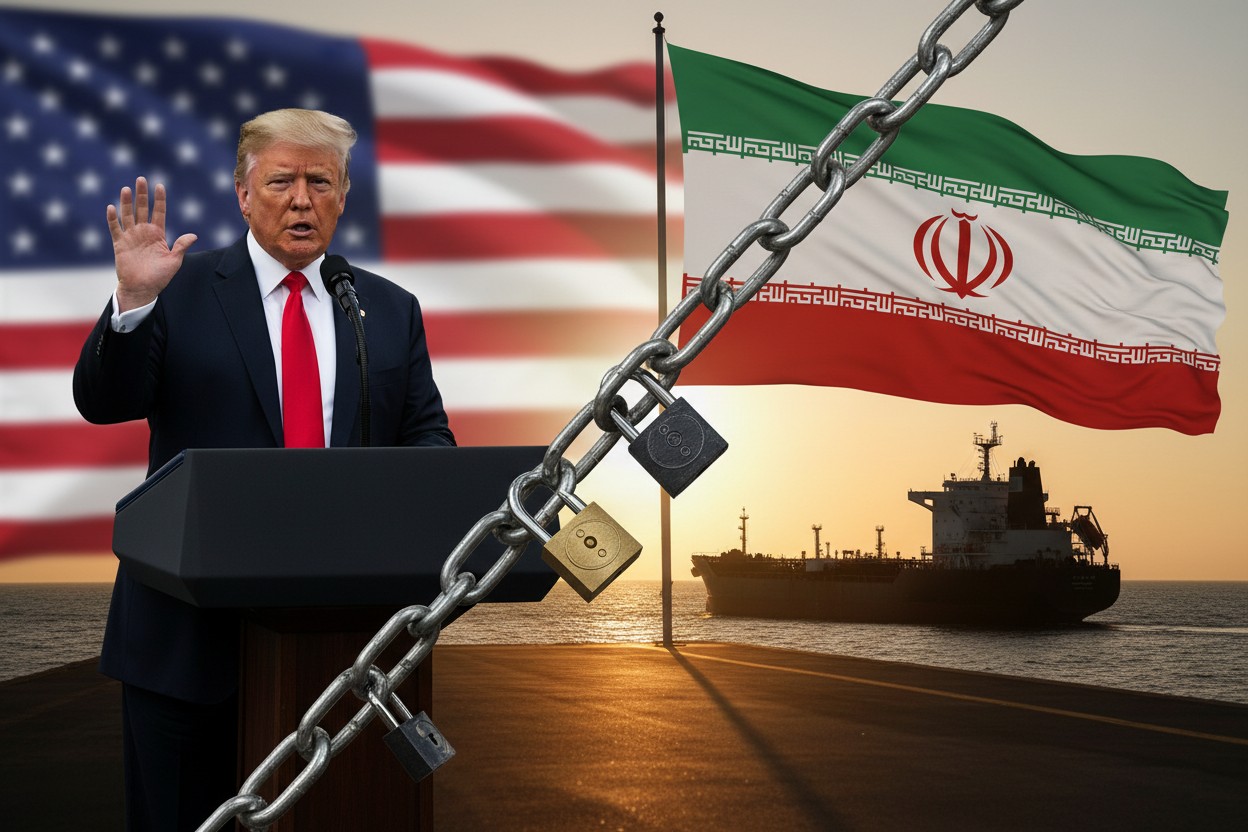
More broadly, the diplomatic track has remained unsettled. Talks between the two sides in Switzerland established a 60-day roadmap toward a final settlement, including a 60-day sanctions waiver on Iranian oil sales and the release of $12 billion in frozen assets, with Trump threatening to bomb Iran and take over the Strait of Hormuz if no deal was reached [9].
Conclusion
Araghchi’s remarks leave the immediate course of U.S.-Iran diplomacy unresolved. Iran has framed its position as contingent on Washington’s acceptance of its terms, with the minister saying no meeting is currently necessary and describing talk of planned negotiations as speculation, according to the Sputnik account.
Mediators, including Qatar and Oman, have continued consultations, and U.S. officials have not publicly responded to the specific comments cited Saturday. Previous rounds of negotiation have yielded partial frameworks and temporary understandings without a lasting settlement [10][9]. For now, the next step rests with Washington’s response to Iran’s conditions, as Araghchi did not provide a timeline for a decision, the report stated.
References
- Mediators still working with Iran and US on a deal to end fighting | AP …. https://apnews.com/article/iran-trump-negotiations-war-strait-nuclear-871504dbd98d9b08b226b9805d8f4606
- Qatar Signals Talks ‘Breakthrough’ As Khamenei Warns Iran’s Retaliation Will Have ‘No Geographical Limits’ If Attacked. https://www.zerohedge.com/geopolitical/qatar-signals-potential-talks-breakthrough-khamenei-warns-irans-retaliation-will-have
- US-Iran talks in New York: What’s the latest? – Al Jazeera. https://www.aljazeera.com/news/2026/9/29/us-iran-talks-in-new-york-whats-the-latest
- Iran Rejects ‘Unacceptable’ Qatar Draft Proposal To End War. https://www.zerohedge.com/geopolitical/new-draft-peace-deal-floated-even-us-warns-short-intense-iran-war-renewal
- Vance Reaches Out to Iranian Hard-Liner in Bid to Restart Peace Talks. https://www.naturalnews.com/2026-10-31-vance-reaches-iranian-hard-liner-peace-talks.html
- War theater Trump claims Iran sent Much Better peace proposal minutes after he canceled high level trip – NaturalNews.com, April 27, 2026.
- U.S. To Gulf Allies: Prepare for Possible Renewed Attack on Iran After Midterms. https://www.naturalnews.com/2026-10-31-us-to-allies-prepare-renewed-attack-iran.html
- Iran says it is awaiting ‘definitive’ US response despite Trump. https://www.cnn.com/2026/09/26/middleeast/trump-rejects-iran-proposal-hormuz-intl
- Peace talks between U.S. and Iran yield progress, but tensions remain high – NaturalNews.com, June 23, 2026.
- Fifth round of Washington Tehran nuclear talks make progress but report no breakthrough – NaturalNews.com, May 26, 2025.
Explainer Infographic
Submit a correction >>
Tagged Under:
Abbas Araghchi, big government, chaos, diplomacy, foreign relations, Iran, mediators, national security, negotiations, Oman, peace talks, politics, Qatar, United States, war on Iran, White House, WWIII
This article may contain statements that reflect the opinion of the author
RECENT NEWS & ARTICLES