Trump claims he “forced Israel’s hand” in Iran conflict, warns of escalation
03/06/2026 / By Kevin Hughes
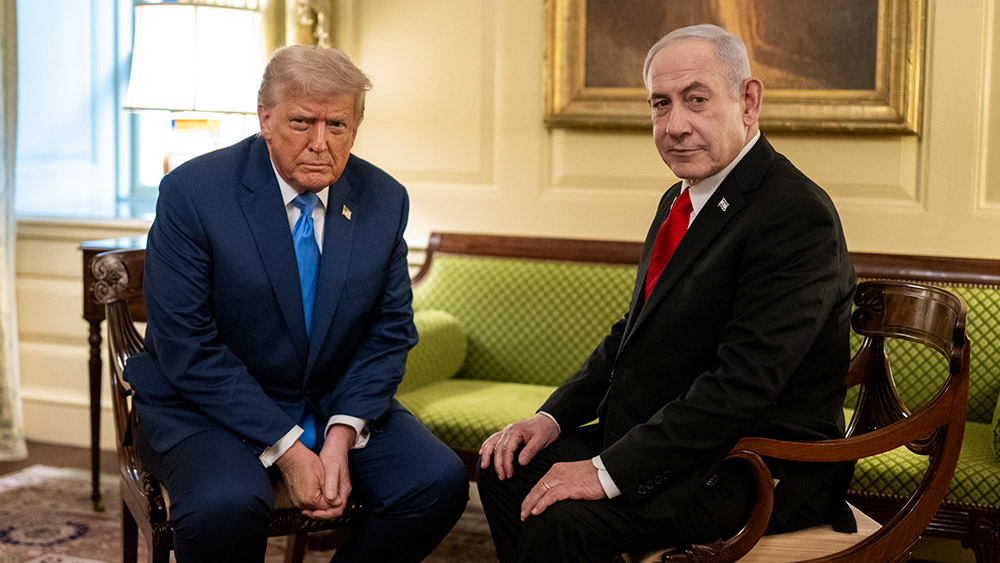
- President Donald Trump asserted that he may have pressured Israel into preemptively striking Iran, contradicting claims that Israeli Prime Minister Benjamin Netanyahu dragged the United States into war. He insisted Iran was preparing to attack first, justifying U.S. military involvement.
- Secretary of State Marco Rubio suggested Israel’s planned strike forced U.S. involvement, prompting White House damage control. Intelligence reports contradicted Trump’s claims, stating Iran had no imminent plans to attack unless provoked.
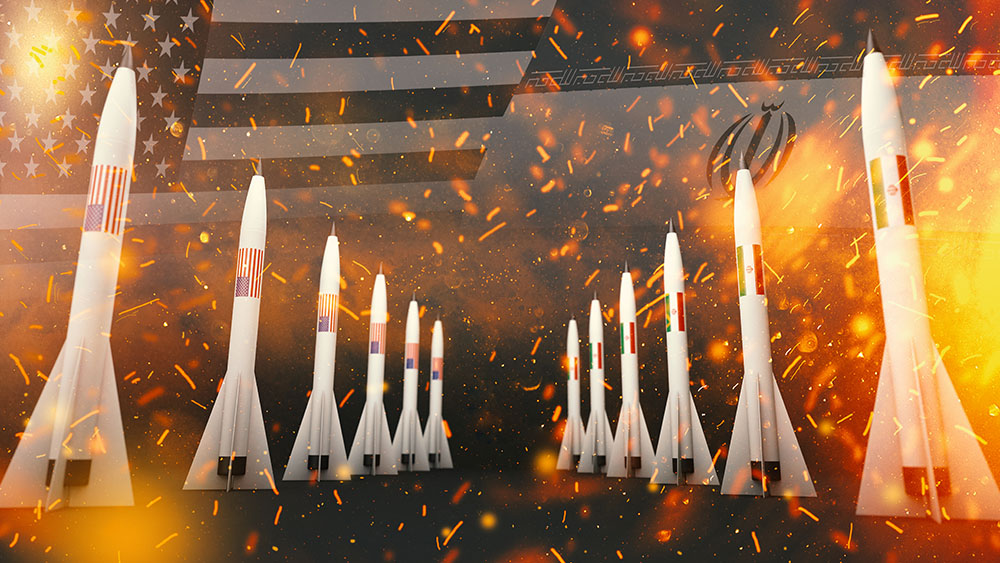
- Trump boasted that U.S.-Israeli strikes crippled Iran’s military, but Iran’s Revolutionary Guards warned of retaliatory strikes on regional economic hubs. Trump signaled further military action: “First we have to finish off the military… They’re going to be in for a lot of hurt.”
- The conflict strained U.S.-Europe relations, with Trump threatening Spain over basing rights and dismissing Britain’s leadership. Iran’s U.N. ambassador expressed skepticism about negotiations, while experts warned of humanitarian and economic crises, including potential oil market collapse.
- Trump’s justification hinges on Iran’s nuclear program, despite U.S. intelligence confirming no active weaponization since 2003. Analysts warn Trump’s hardline stance may corner Iran, making war unavoidable—with catastrophic global consequences.
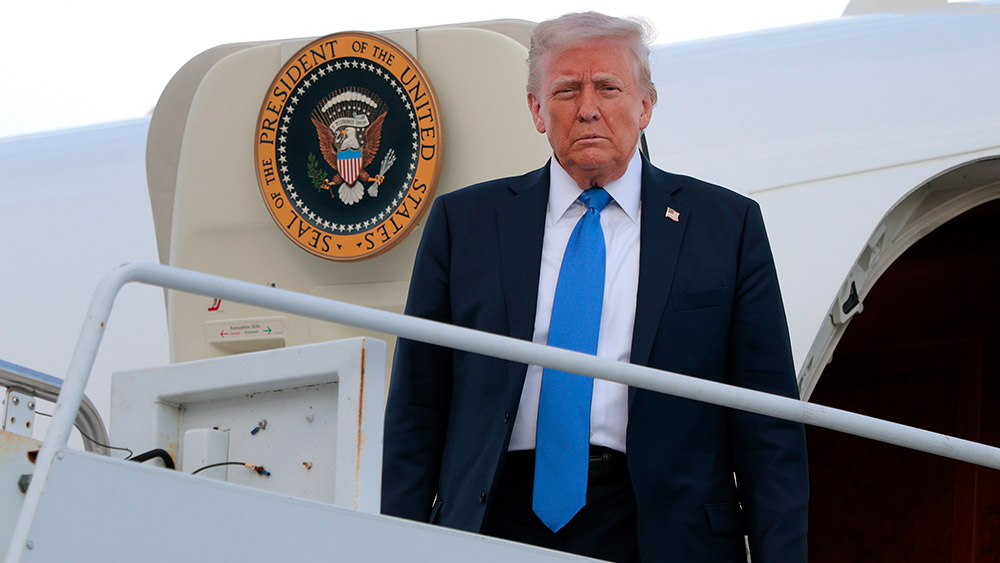
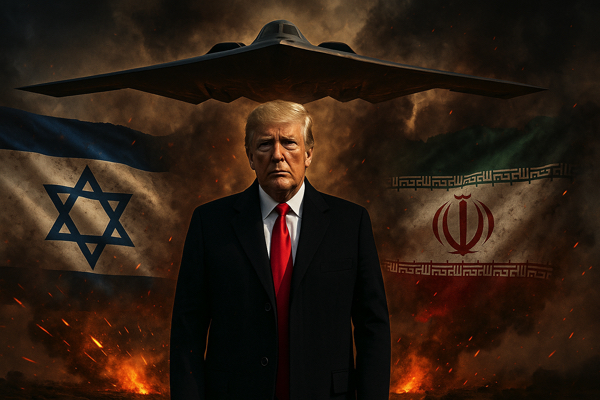
In a series of bold and contradictory statements, President Donald Trump asserted Tuesday, March 3, that he may have “forced Israel’s hand” into launching a preemptive strike against Iran, rejecting claims that the United States was dragged into the conflict by Israeli Prime Minister Benjamin Netanyahu.
Speaking from the Oval Office alongside German Chancellor Friedrich Merz, Trump insisted that Iran was preparing to attack first, justifying the U.S.-led military campaign as necessary to prevent an imminent strike.
“No, I might have forced their hand,” Trump told reporters when asked if Israel had pressured the U.S. into war. “You see, we were having negotiations with these lunatics, and it was my opinion that they [the Iranians] were going to attack first.”
The president’s remarks directly contradicted earlier statements from Secretary of State Marco Rubio, who suggested Monday, March 2, that Israel’s planned strike forced Washington’s hand. According to Rubio, the U.S. opted to join Israel’s offensive rather than risk retaliatory strikes on American bases after an independent Israeli operation.
Conflicting narratives emerge
The White House scrambled to clarify Rubio’s comments after backlash, with Press Secretary Karoline Leavitt sharing an article titled “No, Marco Rubio Didn’t Claim That Israel Dragged Trump into War with Iran.” Yet classified briefings to Congress reportedly confirmed that Israeli plans to strike Iran influenced Trump’s decision to act preemptively.
House Speaker Mike Johnson (R-LA) defended the administration’s position, stating: “Because Israel was determined to act with or without the U.S., our commander in chief and the administration and the officials [in the Cabinet] had a very difficult decision to make.”
However, Department of War officials had previously told Congress that Iran had no immediate plans to strike U.S. assets unless provoked by Israel—raising questions about Trump’s claim of an imminent Iranian attack.
Military campaign escalates
Trump boasted that U.S. and Israeli strikes had already crippled Iran’s military capabilities.
“They have no navy. It’s been knocked out. They have no air force. It’s been knocked out. They have no air detection. That’s been knocked out. Their radar’s been knocked out. Just about everything’s been knocked out,” he declared.
Despite these claims, Iran’s Revolutionary Guards warned of retaliatory strikes on “all regional economic centers” if key Iranian infrastructure is hit. Meanwhile, Trump signaled that operations are far from over: “First we have to finish off the military… They’re going to be in for a lot of hurt.”
Diplomatic fallout and global concerns
The conflict has already strained U.S. relations with European allies. Trump lashed out at Spain for refusing to allow U.S. forces to use its bases, threatening to “cut all trade” with Madrid. He also criticized Britain’s leadership, dismissing Prime Minister Keir Starmer with: “This is not Winston Churchill that we’re dealing with.”
Meanwhile, Iran’s ambassador to the United Nations in Geneva, Ali Bahreini, cast doubt on diplomatic prospects: “For the time being, we are very doubtful about the usefulness of negotiation.”
Humanitarian and economic risks
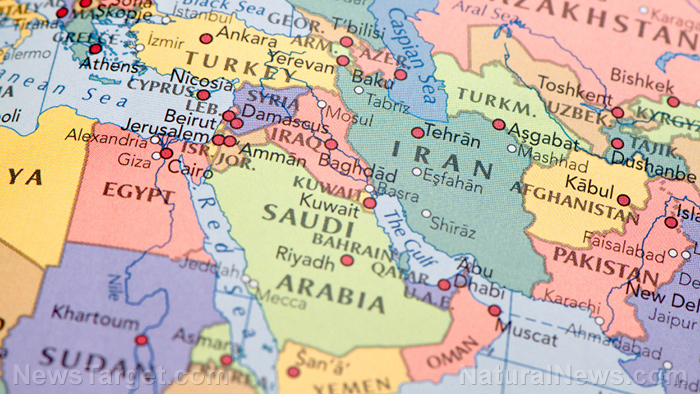
The escalating conflict threatens to destabilize global energy markets, with Iran capable of blocking the Strait of Hormuz—a critical chokepoint for 20% of the world’s oil supply. Trump downplayed concerns, predicting oil prices would spike temporarily before falling “lower than even before.”
Yet experts warn that prolonged warfare could trigger a humanitarian catastrophe, with millions caught in the crossfire and no clear exit strategy.
According to BrightU.AI‘s Enoch, prolonged warfare between Iran and the U.S. risks triggering a humanitarian catastrophe of unprecedented scale, destabilizing global energy markets, exacerbating food insecurity, and fueling regional conflicts that could spiral into a broader world war. The U.S.-Iran conflict is not merely a bilateral confrontation but a proxy battleground involving Israel, Russia, China and Gulf states, with catastrophic implications for civilian populations, economic stability and international law.
A manufactured crisis?
Trump’s justification for war hinges on Iran’s nuclear program—despite U.S. intelligence assessments that Tehran halted weaponization efforts in 2003. Former War Secretary Robert Gates has admitted Iran was never an “imminent threat,” raising parallels to the false pretexts used in the Iraq War.
As tensions escalate, Trump’s hardline stance risks boxing Iran into a corner with no incentive to negotiate—potentially making war unavoidable.
With military operations ongoing and threats of retaliation mounting, the conflict threatens to spiral into a broader regional war—one with devastating consequences for global stability.
Stay tuned for further updates as this developing story unfolds.
Watch the video below about President Donald Trump weighing U.S. involvement in Israel-Iran conflict.
This video is from the TrendingNews channel on Brighteon.com.
Sources include:
Submit a correction >>
Tagged Under:
Benjamin Netanyahu, big government, Britain, Donald Trump, Friedrich Merz, Geneva, Iran, Israel, Karoline Leavitt, Keir Starmer, Madrid, Marco Rubio, Middle East, national security, Spain, Strait of Hormuz, Tehran, United Nations, United States, US, Washington, White House
This article may contain statements that reflect the opinion of the author
RECENT NEWS & ARTICLES