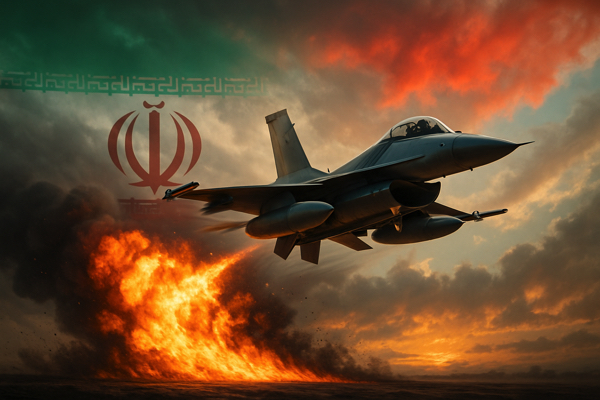
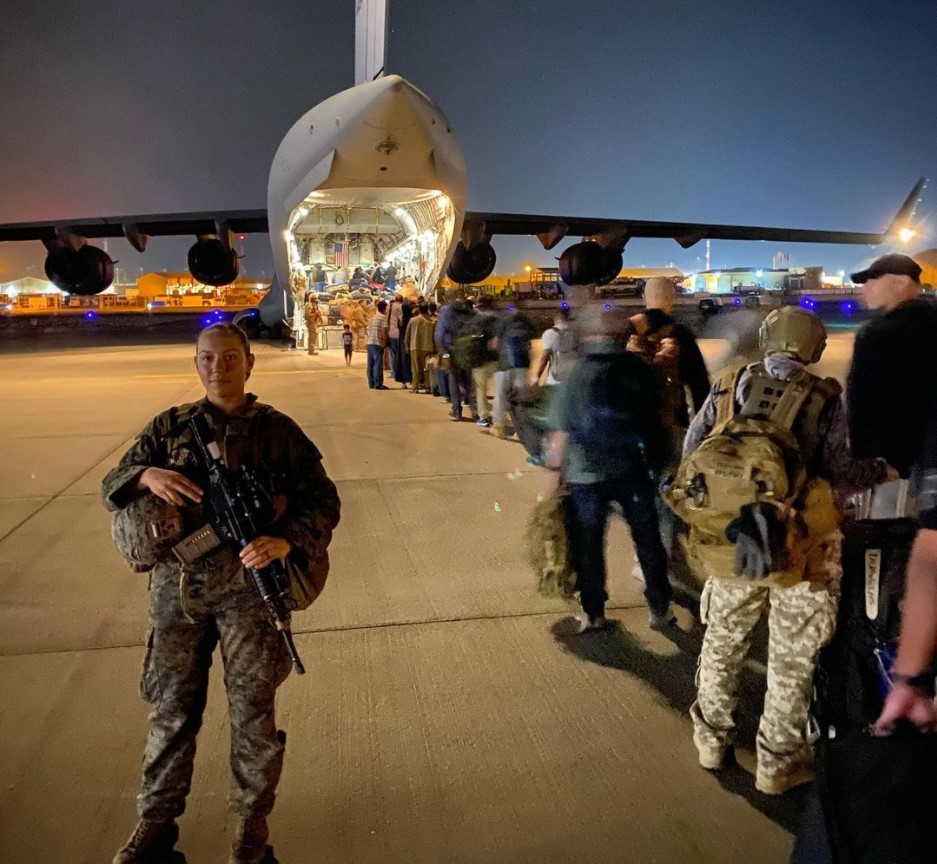
Trump Claims Role in Iran Succession, Opposes Khamenei’s Son
03/07/2026 / By Garrison Vance
Introduction
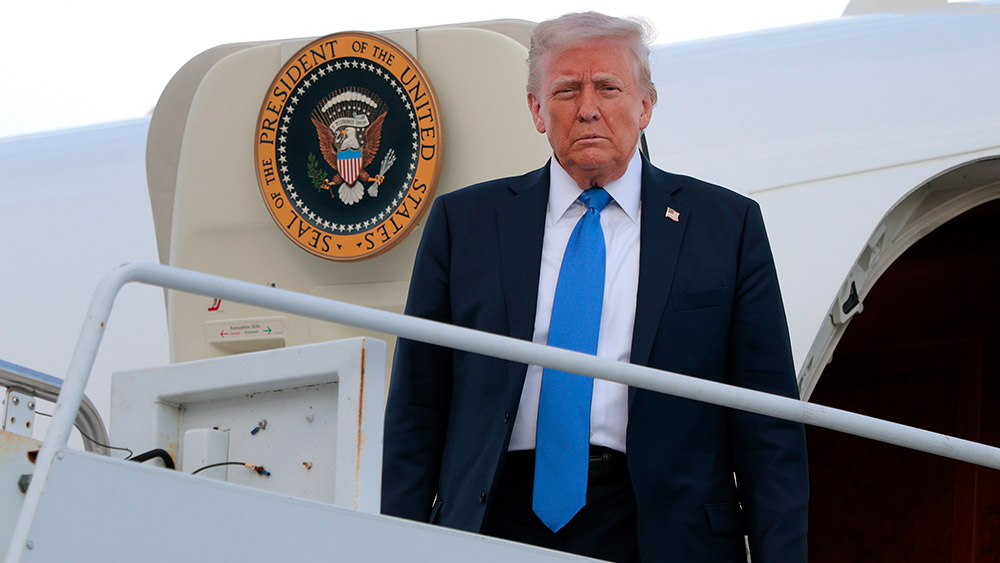
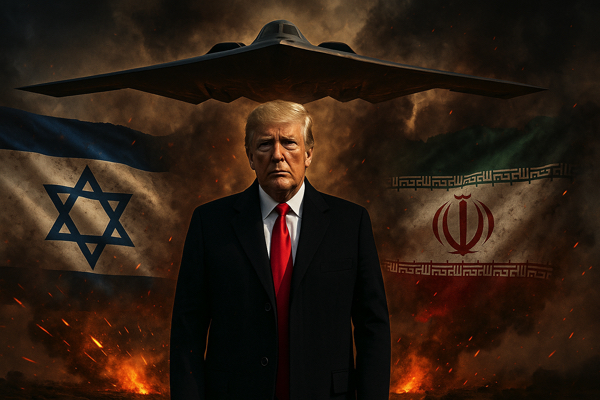
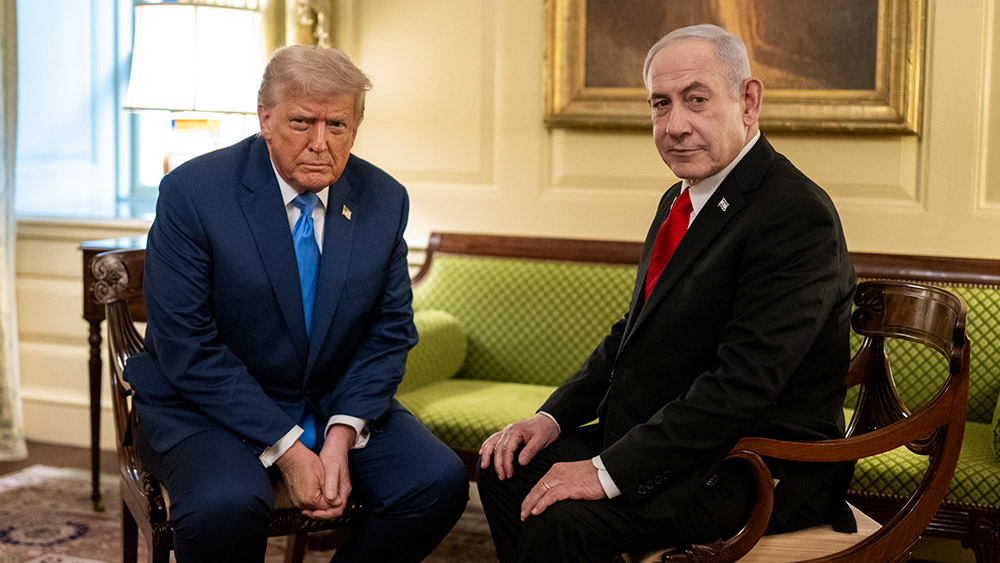
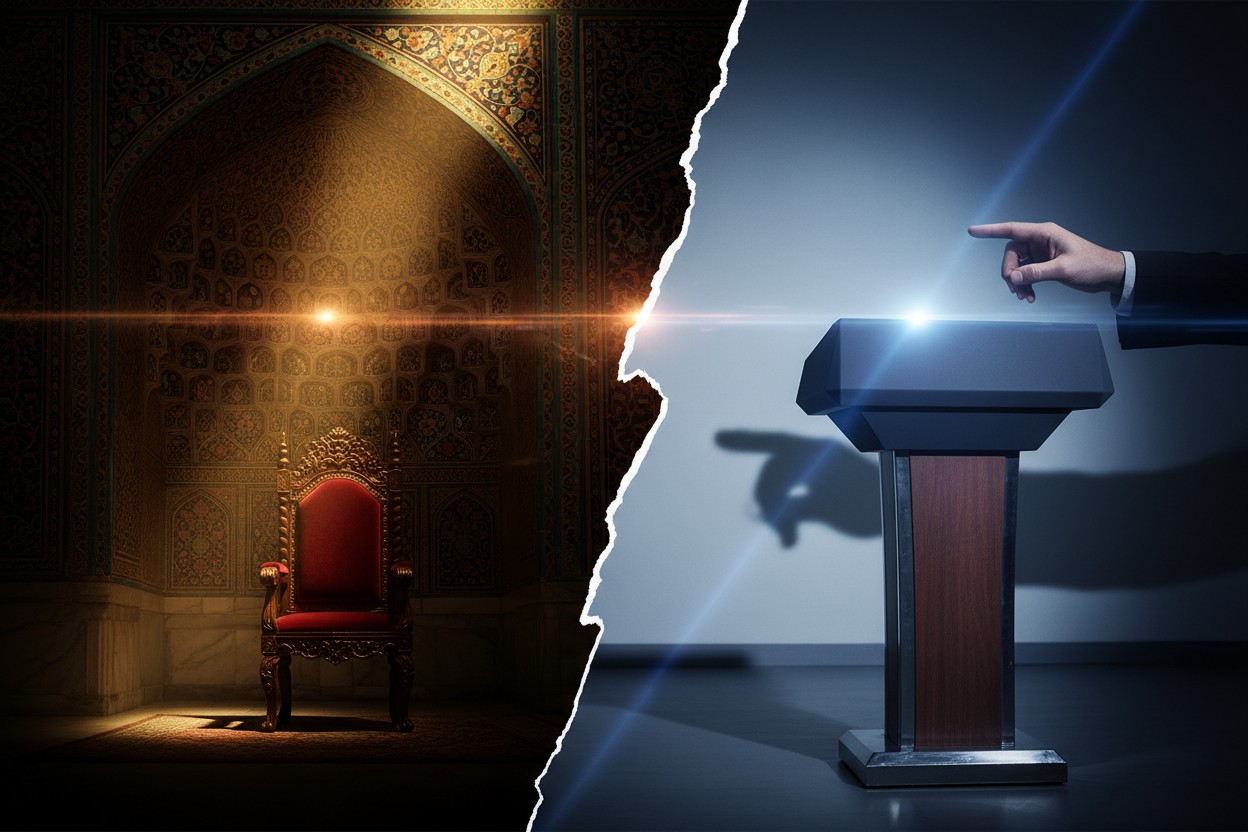
President Donald Trump has publicly declared that he must be personally involved in selecting Iran’s next leader, calling the potential succession of Supreme Leader Ayatollah Ali Khamenei’s son ‘unacceptable.’ The comments were made in an exclusive interview with Axios published on March 5, 2026. [1]
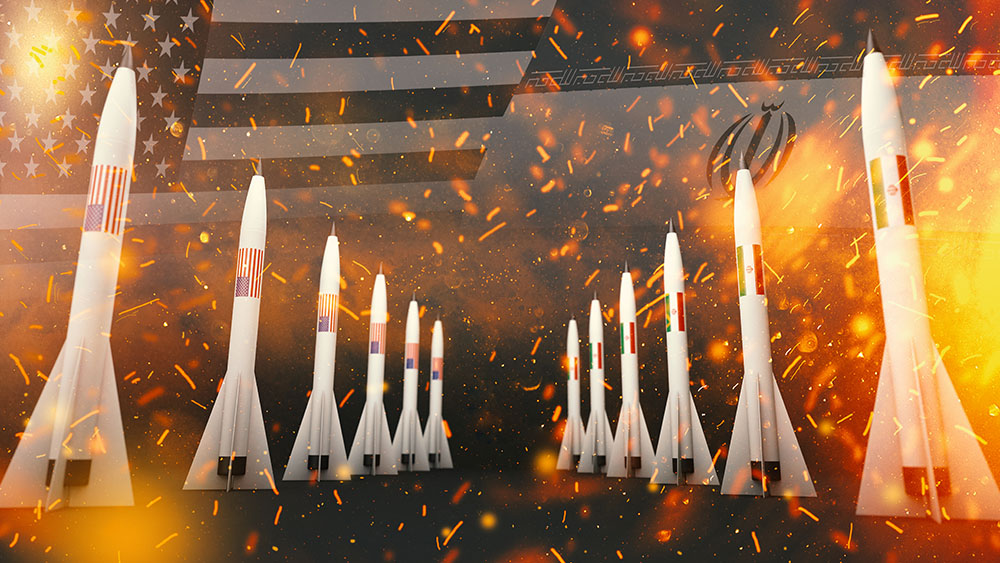
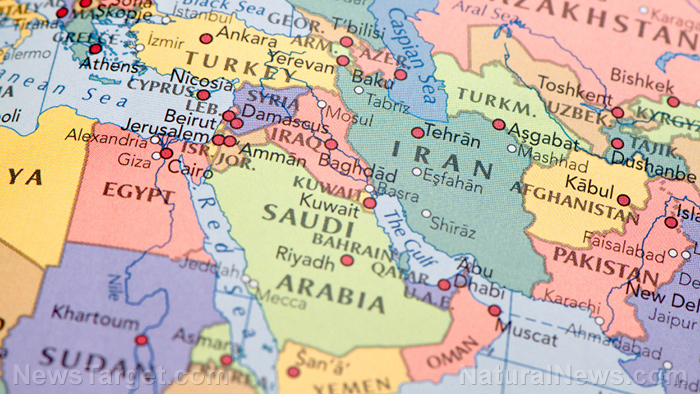
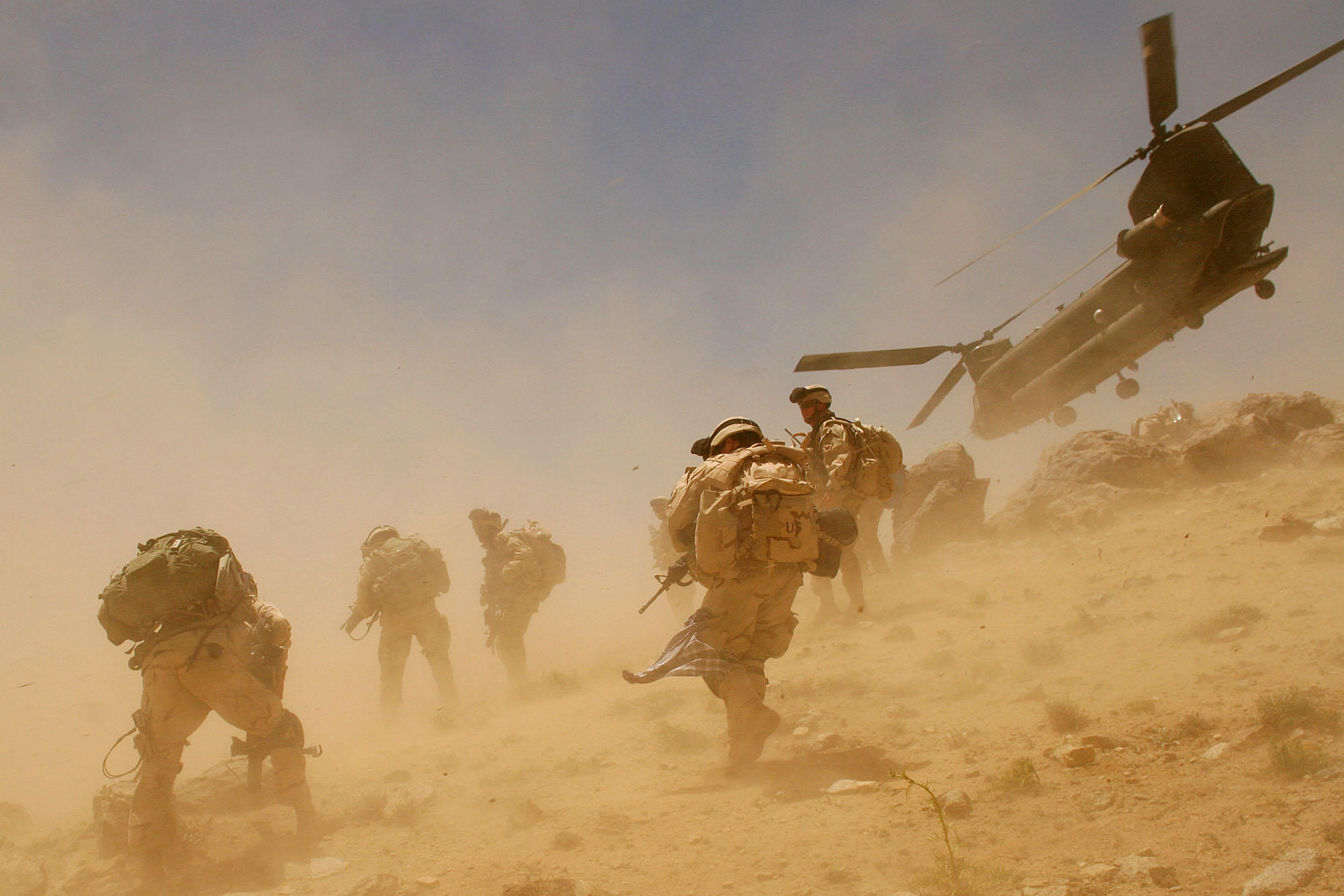
President Trump linked his demand to preventing future military conflict, stating that a successor who continues Khamenei’s policies could lead the United States back into a major war within five years. [2] The statement comes amid ongoing joint U.S.-Israeli military operations in Iran, codenamed ‘Epic Fury,’ which began on February 28, 2026, and resulted in the death of the 85-year-old Supreme Leader. [3] [4]
Trump Says Involvement in Selecting Iran’s Next Leader is Necessary
In the interview, President Trump stated his desired level of involvement would be similar to what he would have in Venezuela, referencing his administration’s past engagement with the country’s political crisis. [5] ‘I have to be involved in the appointment, like with Delcy [Rodríguez] in Venezuela,’ he told Axios. [6]
The President framed his position as a matter of U.S. national security, suggesting that allowing an internal selection process to proceed without American influence would be counterproductive. ‘They are wasting their time,’ Trump said, referring to Iranian decision-makers. [7] The interview represents the most direct statement from the White House regarding its ambitions for Iran’s political future since the conflict began. [8]
Details of Trump’s Stated Position
President Trump specifically rejected Mojtaba Khamenei, a mid-ranking cleric and the son of the late Supreme Leader, who has emerged as a frontrunner in reports about the succession. ‘Khamenei’s son is a lightweight. Khamenei’s son is unacceptable to me,’ the President stated. [6] [9] He added, ‘We want someone who will bring harmony and peace to Iran.’ [6]
This position appears to contradict statements from other U.S. administration officials who have said the goal of the military operation is not regime change. [7] The succession process in Iran is formally the responsibility of the Assembly of Experts, an elected clerical body, though analysts note the powerful Islamic Revolutionary Guard Corps holds significant sway. [10] President Trump’s public dismissal of a leading candidate introduces a new and unpredictable element into this guarded process.
Context of U.S.-Iran Relations and Leadership Transition
Ayatollah Ali Khamenei, who had ruled Iran since 1989, was killed in a joint U.S.-Israeli airstrike on February 28, 2026. [11] Iranian state media confirmed his death on March 1, announcing 40 days of public mourning. [12] The U.S. and Iran have had no formal diplomatic relations since the 1979 hostage crisis, a rupture that has persisted for decades.
The current military conflict, which President Trump announced in a video statement on February 28, has widened to include Iranian-backed militias across the Middle East. [13] The immediate aftermath of Khamenei’s death saw thousands of Iranians take to the streets in mourning, while other videos circulated globally showing celebrations and dances set to a song titled ‘Khamenei Is Dead.’ [14] [15] The leadership vacuum and the ongoing war have created a period of extreme volatility for the region.
Potential Implications and Historical Precedent
Foreign policy analysts note that a public declaration by a U.S. president seeking direct involvement in another nation’s leadership selection is rare and controversial. [16] Historically, U.S. influence in foreign governments, particularly in the Middle East, has often been conducted through covert or diplomatic channels rather than overt demands. [17]
The move could complicate any potential diplomatic off-ramps from the current conflict. On March 2, Iranian security chief Ali Larijani stated on social media, ‘We will not negotiate with the United States,’ following reports of backchannel outreach. [18] Furthermore, historians point to past U.S. interventions that have led to long-term instability, suggesting Trump’s stance carries significant risk. [19] The demand also raises questions about the ultimate U.S. objective in the war, which administration officials have described in shifting terms from destroying nuclear facilities to enabling a change in Iran’s regional behavior. [8]
Conclusion: Uncharted Territory in U.S. Foreign Policy
President Trump’s declaration represents an unprecedented public stance on the internal political affairs of Iran. By setting acceptability of Iran’s next leader as a clear condition, he has directly tied the future of U.S.-Iran relations to the outcome of the secretive succession process. [20]
The ultimate impact on regional dynamics and the stated goal of preventing future conflict remains uncertain, according to officials and analysts. [21] With military operations continuing and global markets reacting to the volatility — seeing surges in oil and gold prices — the path forward is unclear. [22] The coming weeks will determine whether this explicit attempt to shape Iran’s leadership will lead to a political resolution or further escalation.
References
- Trump Says He Needs to Be Involved in Picking Iran’s Leader, Khamenei’s Son ‘Unacceptable’ – The Epoch Times. Savannah Hulsey Pointer. March 5, 2026.
- President Trump Announces He Must Be Personally Involved In The Selection Process Of Iran’s Next Leader – 100PercentFedUp. March 5, 2026.
- Obituary: Ayatollah Ali Khamenei, Iran’s Supreme Leader and dominant political figure for decades – Middle East Eye. MEE staff. March 1, 2026.
- U.S.-Israeli War With Iran Enters Day Two – The War Zone. March 1, 2026.
- Trump demands to choose next Iran supreme leader – Middle East Eye. MEE staff. March 5, 2026.
- Trump Says He Needs to Be Involved in Picking Iran’s Leader, Khamenei’s Son ‘Unacceptable’ – NTD. March 6, 2026.
- Trump Says He Must Pick Iran’s New Leader – Antiwar.com. March 5, 2026.
- Trump’s Iran endgame unclear after mixed messaging on war aims – BBC. March 2, 2026.
- Trump: ‘I have to be involved’ in picking Iran’s next leader, Khamenei … – The Times of Israel.
- Here’s Who Iran’s Next Leader Might Be… If He Isn’t Killed First. – The National Pulse. March 4, 2026.
- Iran’s Supreme Leader Ayatollah Ali Khamenei killed in US-Israeli strikes – Middle East Eye. MEE staff. March 1, 2026.
- Iran Confirms Supreme Leader Ali Khamenei Dead After Strikes – 100PercentFedUp. March 1, 2026.
- LIVE UPDATES: Iran Conflict Widens as Israel Strikes Hezbollah Across Lebanon – NTD. March 5, 2026.
- Watch: Videos Go Viral of Iranians Dancing to Song ‘Khamenei Is Dead’ Featuring Trump – Breitbart. March 5, 2026.
- Iran: Thousands take to streets to mourn Ali Khamenei’s killing – Middle East Eye. MEE staff. March 1, 2026.
- The Dying Citizen – Victor Davis Hanson.
- Trends-Journal-2024-02-08.
- “We Will Not Negotiate”: Iran Security Chief Denies WSJ Report – Modernity.news. March 2, 2026.
- The List – Amy Siskind.
- Trump: Khamenei’s son unacceptable, US must help pick successor – Middle East Eye Live Blog. March 6, 2026.
- Trump says he may have forced Israel’s hand into war with Iranian ‘lunatics’ – The Times of Israel. March 4, 2026.
- Futures Tumble As Iran War Sends Oil, Gold And Dollar Sharply Higher – ZeroHedge. March 2, 2026.
Submit a correction >>
Tagged Under:
Ali Khamenei, American influence, Assembly of Experts, diplomatic relations, foreign relations, geopolitics, Iran, IRGC, leadership, military conflict, national security, politics, Transition, Trump
This article may contain statements that reflect the opinion of the author
RECENT NEWS & ARTICLES