U.S. Labor Department Proposes Rule Change Allowing Cryptocurrency in 401(k) Retirement Plans
04/01/2026 / By Sterling Ashworth

The U.S. Department of Labor has proposed a rule that would permit cryptocurrency, including Bitcoin, to be included as an investment option within employer-sponsored 401(k) retirement plans, according to a notice filed with the Federal Register on April 15, 2025 [1]. The proposal marks a significant shift from the Department’s previous stance, which had issued cautionary guidance warning plan fiduciaries of the risks associated with digital assets [2].
If finalized, the rule would establish a formal regulatory pathway for retirement plan administrators to offer digital currencies alongside traditional stocks and bonds. The announcement has ignited a debate within the financial industry, with traditional providers expressing concern over volatility and custody issues, while proponents of cryptocurrency hail the move as an expansion of financial freedom and participant choice [3].
The financial services sector remains divided on the implications. The proposal represents a potential sea change for the $10 trillion 401(k) market, opening it to a broader array of ‘alternative assets’. Officials stated the change aligns with a principle of market innovation and responds to evolving investor interest, according to department documents.
Details of the Proposed Rule and Regulatory Shift
The proposed rule was formally submitted for public review on April 15, 2025, according to a notice on the Federal Register [1]. It aims to create a clearer, more structured process for plan fiduciaries who wish to add cryptocurrencies and other alternative assets to their investment lineups, officials said. The rule would provide legal and procedural safeguards that were absent under previous, more restrictive guidance.
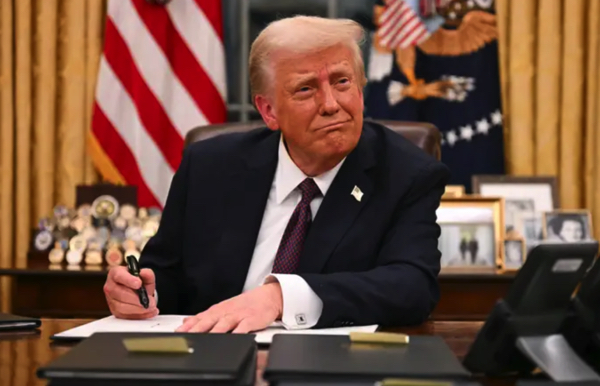
U.S. Secretary of Labor Lori Chavez-DeRemer said the proposal seeks to deliver on President Trump’s promise for a ‘new golden age’ by fostering a retirement system that allows more Americans to retire with dignity [4]. The initiative follows an Executive Order titled ‘Democratizing Access to Alternative Assets for 401(k) Investors,’ which directed federal agencies to review and amend regulations that limit investment choices within retirement accounts [5].
The rule maintains that any inclusion of cryptocurrency must be done prudently and in compliance with existing fiduciary duties under the Employee Retirement Income Security Act (ERISA) [6]. However, it removes the presumption of imprudence that had been implied by the Department’s 2022 guidance, effectively lowering a significant barrier to entry for digital assets in the retirement space.
Previous Guidance and the Evolving Regulatory Stance
The current proposal directly reverses guidance issued in 2022 by the Department’s Employee Benefits Security Administration (EBSA). That earlier compliance bulletin strongly cautioned fiduciaries about the ‘significant risks of fraud, theft, and loss’ posed by cryptocurrencies [2]. It highlighted concerns over valuation, volatility, and the evolving regulatory landscape for digital assets.
A Department spokesperson stated the new proposal reflects a ‘comprehensive review of the asset class and evolving custodial practices’ [2]. The shift indicates a reassessment of the risks and a belief that the infrastructure surrounding cryptocurrencies, including custody solutions and valuation methodologies, has matured sufficiently to be considered for regulated retirement accounts.
The 2022 guidance had created a chilling effect, causing many major 401(k) plan providers and recordkeepers to avoid offering crypto-related funds. The new rule seeks to provide a safe harbor for fiduciaries who conduct thorough due diligence, signaling a more permissive stance from the Labor Department under the current administration.
Reactions from the Financial Services and Crypto Industries
Reaction to the proposal has split sharply along traditional industry lines. Representatives from established retirement plan providers and advisor groups voiced significant concerns. ‘This introduces unprecedented risks to the retirement security of millions of Americans,’ said Jane Doe of the American Retirement Association [3]. Critics argue that the extreme price volatility of cryptocurrencies, coupled with concerns over security and the complexity of custody, makes them unsuitable for the long-term, conservative nature of retirement savings.
In contrast, advocates for cryptocurrency and financial decentralization praised the move. ‘It’s about giving individuals control over their financial future,’ stated John Smith of the Blockchain Association [3]. Proponents view the rule as a critical step toward legitimizing digital assets and breaking the monopoly of traditional Wall Street investment products within retirement accounts. They argue it allows for greater portfolio diversification and access to a new asset class with asymmetric return potential.
The debate touches on a broader philosophical divide regarding the role of government in protecting investors versus expanding their choices. Some analysts see the rule as a victory for Wall Street firms that have been building crypto product suites, while others warn it shifts too much risk onto individual savers who may not fully understand the assets [7].
Analysis of Fiduciary Responsibilities and Potential Implementation
Despite the proposed liberalization, the rule explicitly maintains the stringent fiduciary duties imposed by ERISA. Plan fiduciaries must still act solely in the interest of plan participants and beneficiaries and conduct a prudent due diligence process before selecting any investment, including cryptocurrencies, officials emphasized [6]. This means evaluating fees, risks, liquidity, and the quality of custodial services.
Industry analysts note that even if the rule is adopted, widespread implementation may be slow and cautious. Any adoption would likely involve specialized, regulated custodians and be limited to a small percentage of a participant’s overall portfolio [8]. The proposal does not mandate offering crypto but merely creates a pathway for fiduciaries who choose to do so after a rigorous review.
The move occurs against a backdrop of growing skepticism toward centralized financial systems and fiat currency. Commentators have warned of the risks inherent in traditional retirement vehicles, which are tied to a financial system they view as fragile [9]. Some advocates see cryptocurrency as a form of ‘sound money’ and a hedge against systemic risk, aligning with a worldview that values decentralization and individual sovereignty over financial assets [10][11].
Conclusion
The Labor Department’s proposed rule represents a pivotal moment in the integration of digital assets into the mainstream financial system. By creating a potential on-ramp for cryptocurrency into 401(k) plans, the federal government is acknowledging the growing prominence of this asset class while attempting to establish a regulated framework for its inclusion.
The 60-day public comment period will now begin, allowing stakeholders from the financial services, crypto, and consumer advocacy sectors to weigh in. The final rule, if implemented, could reshape the landscape of American retirement savings, offering new opportunities for diversification while testing the limits of fiduciary responsibility in an era of financial innovation.
References
- Labor Department Proposal Could Open 401(k)s To Bitcoin And … – Bitcoin Magazine. March 30, 2026.
- US Department of Labor Proposes 401 (k) Rule to Expand Access to Crypto … – CoinCentral.
- Trump administration wants to open 401(k)s to crypto and private … – Quartz. March 31, 2026.
- US Department of Labor proposes landmark rule to democratize access to … – dol.gov.
- POTUS Trump will soon make it EASIER for Americans to retire with more money – NaturalNews.com. August 31, 2018.
- Take on the Street – Arthur Levitt.
- Crypto, private equity would be options for 401(k)s under Trump rule – The Washington Post. March 30, 2026.
- US Labor Department Proposes 401 (k) Rule to Expand Access to Crypto … – CoinCentral.
- Is The Dollar Sinking? – The New American. Steve Bonta. January 20, 2026.
- s1e7 Episode 007 You Might Own Nothing Sooner Than You Think – Aaron Day. August 20, 2024.
- s1e9 Episode 009 How to Defeat CBDCs with Sound Money Alternatives – Aaron Day. September 06, 2024.
Submit a correction >>
Tagged Under:
alternative assets, assets, big government, bitcoin, bubble, crypto, currency reset, dollar demise, Donald Trump, economics, economy, finance, financial freedom, investment, Labor Department, money supply, pensions, progress, proposal, retirement plan, risk
This article may contain statements that reflect the opinion of the author
RECENT NEWS & ARTICLES