Trump Urges Reliant Nations to Militarily “Take” Strait of Hormuz as U.S. Scales Back Role
04/02/2026 / By Garrison Vance
Introduction
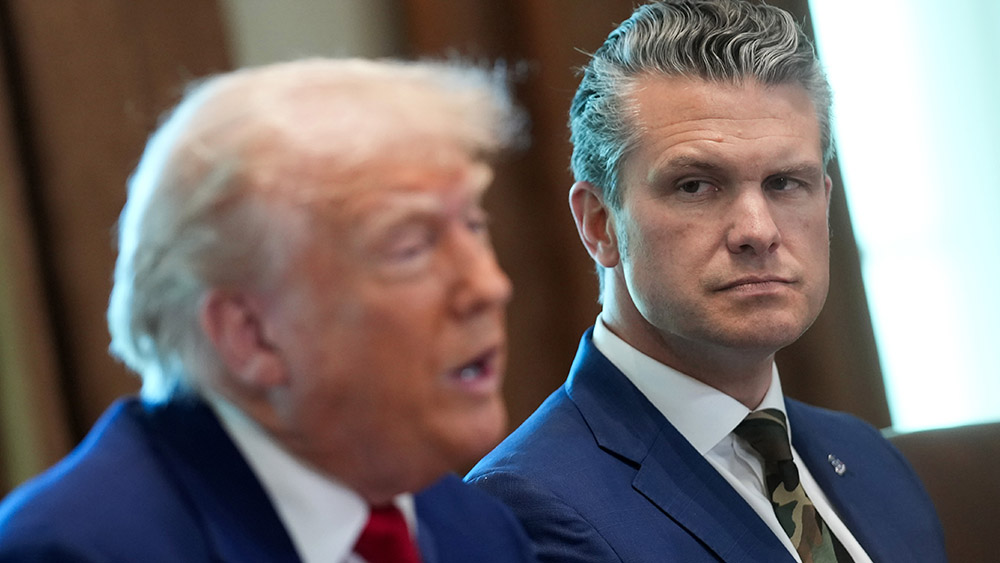
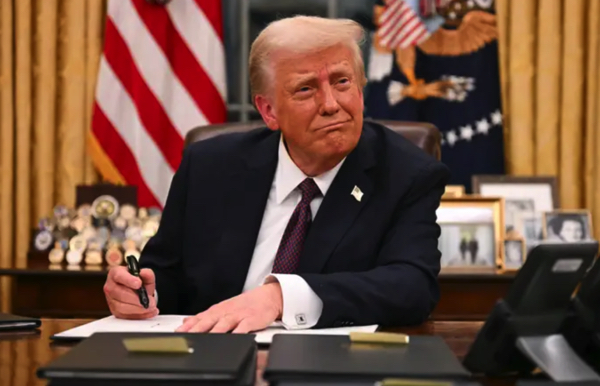
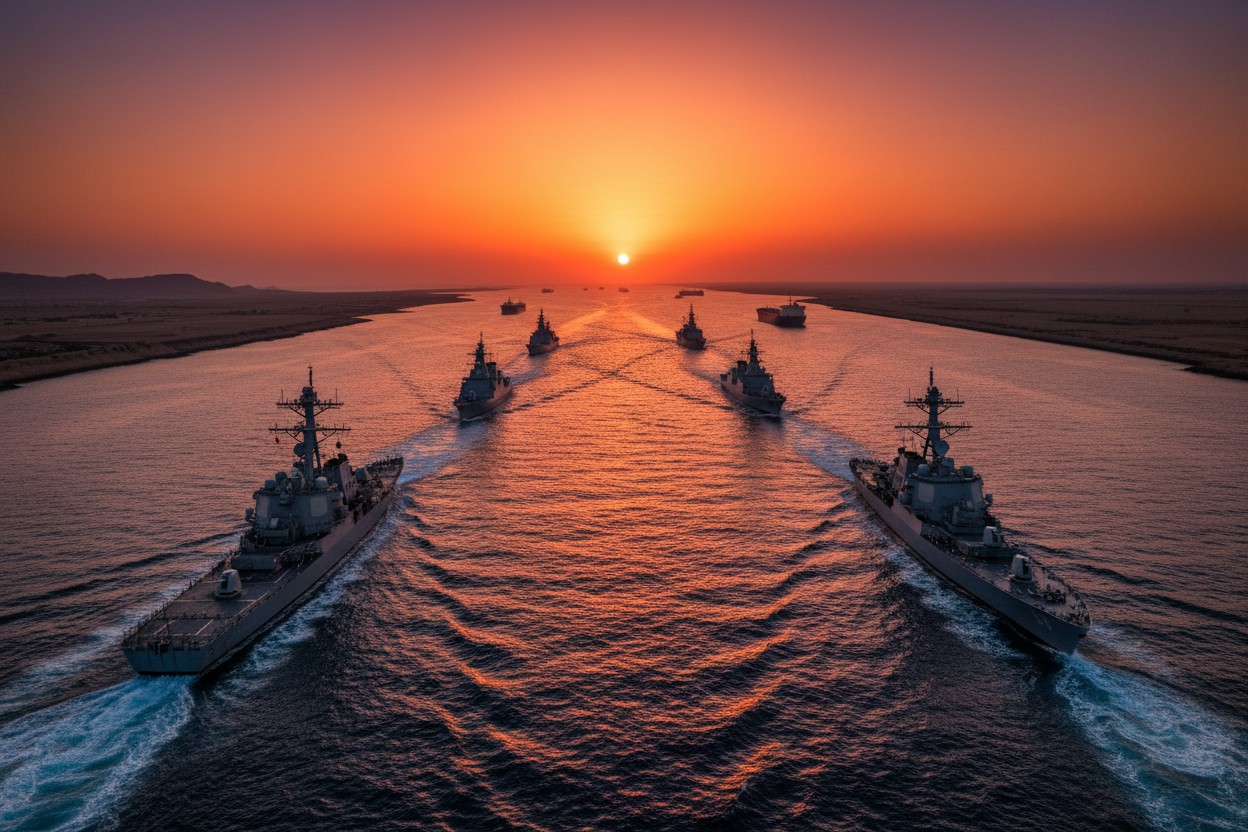
In a significant shift in U.S. foreign policy posture, U.S. President Donald Trump has publicly urged nations dependent on oil shipments through the Strait of Hormuz to assume military responsibility for securing the vital waterway. The remarks, made via a Truth Social post on Tuesday, March 31, 2026, signal a potential withdrawal of the United States from its traditional role as primary security guarantor in the Persian Gulf.
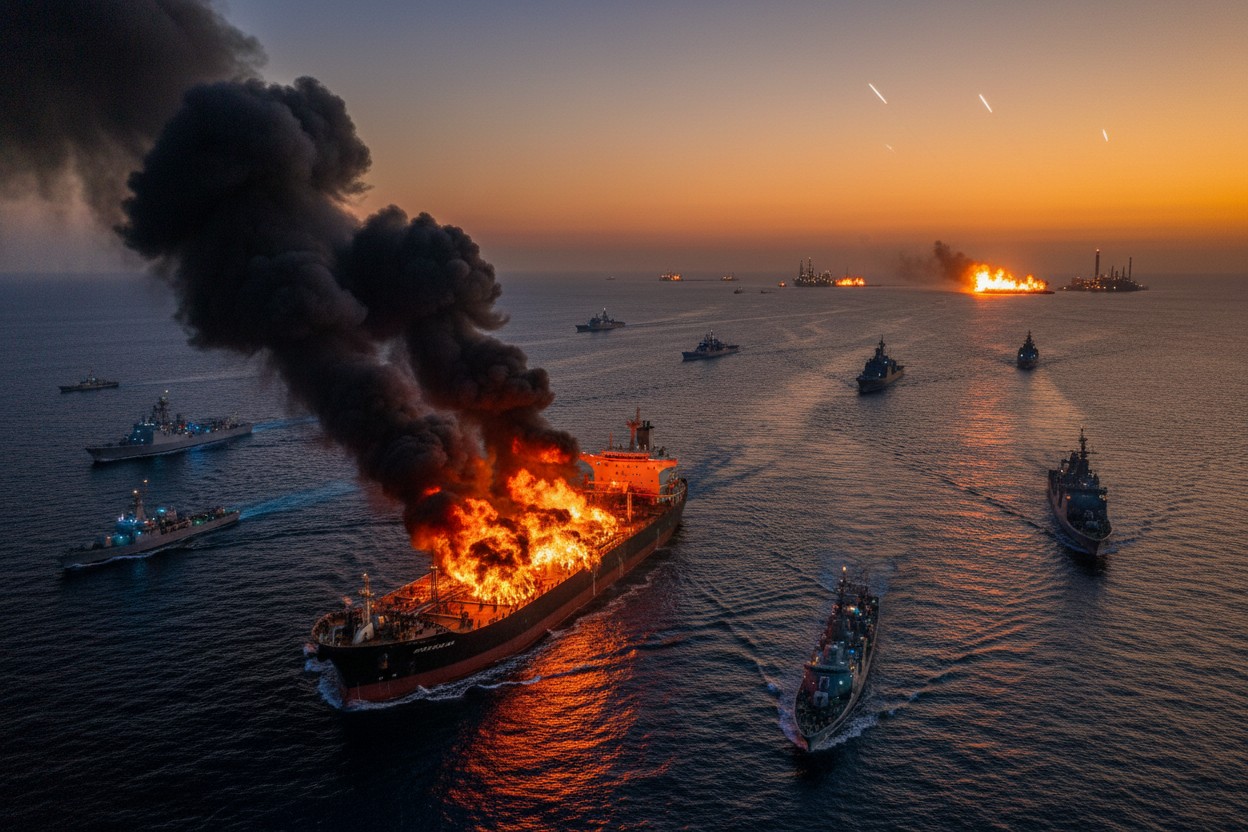
The strategic strait, a narrow maritime passage between Oman and Iran, is a critical global energy chokepoint. Roughly one-fifth of the world’s oil consumption passes through it, according to industry experts [1]. Its closure by Iran amid ongoing regional conflict has triggered a sharp rise in global oil prices and heightened fears of prolonged economic disruption [2].
Trump’s Social Media Call for Military Action by Third Parties
Trump’s post directly addressed countries experiencing fuel shortages due to the strait’s closure. “All of those countries that can’t get jet fuel because of the Strait of Hormuz, like the United Kingdom, which refused to get involved in the decapitation of Iran, I have a suggestion for you: Number 1, buy from the US, we have plenty, and Number 2, build up some delayed courage, go to the Strait, and just TAKE IT,” the president wrote [3].
The statement explicitly named the United Kingdom as an example of a non-participating ally and framed the U.S. withdrawal from security duties as reciprocal. “You’ll have to start learning how to fight for yourself, the USA won’t be there to help you anymore, just like you weren’t there for us,” Trump added [4]. The call for third-party military action to seize control of the strait from Iran marks a departure from decades of U.S. policy centered on maintaining a dominant naval presence in the Gulf to ensure energy flows [5].
Pentagon Leadership Echoes Presidential Sentiment
U.S. Secretary of War Pete Hegseth publicly supported Trump’s comments during a press briefing at the Pentagon later on Tuesday. Hegseth suggested other nations should “step up” to help reopen the strait, framing it as an international responsibility [6].
“I think the president was clear this morning in his truth that there are countries around the world who ought to be prepared to step up on this critical waterway as well. It’s not just the United States Navy. Last time I checked, there was supposed to be a big, bad Royal Navy that could be prepared to do things like that as well,” Hegseth said, questioning the capabilities and willingness of allied navies [3].
Officials further contextualized the U.S. stance by noting the country’s comparative level of use. “So he’s pointing out this is an international waterway that we use less than most. In fact, dramatically less than most,” the secretary of war added [3].
Strategic Context: Ongoing Conflict and Reported Willingness to Disengage
The remarks from Trump and Hegseth followed a Wall Street Journal (WSJ) report indicating the president told his aides he was willing to end the war with Iran, even if it meant leaving the Strait of Hormuz closed [3]. Despite this reported openness to conflict resolution, no active diplomatic engagement between Washington and Tehran has been confirmed by officials.
Military action continues unabated. U.S.-Israeli strikes continue to target Iran, and Iranian missile and drone attacks persist across the region [3]. The conflict, dubbed Operation Epic Fury by the U.S. military, entered its second month in late March, with both sides exchanging demands for any settlement [7]. Market reactions have been volatile, with futures rising on hopes of de-escalation following the WSJ report, yet oil prices remain elevated due to persistent security fears [8].
Military Posture and Escalation of Ground Operations
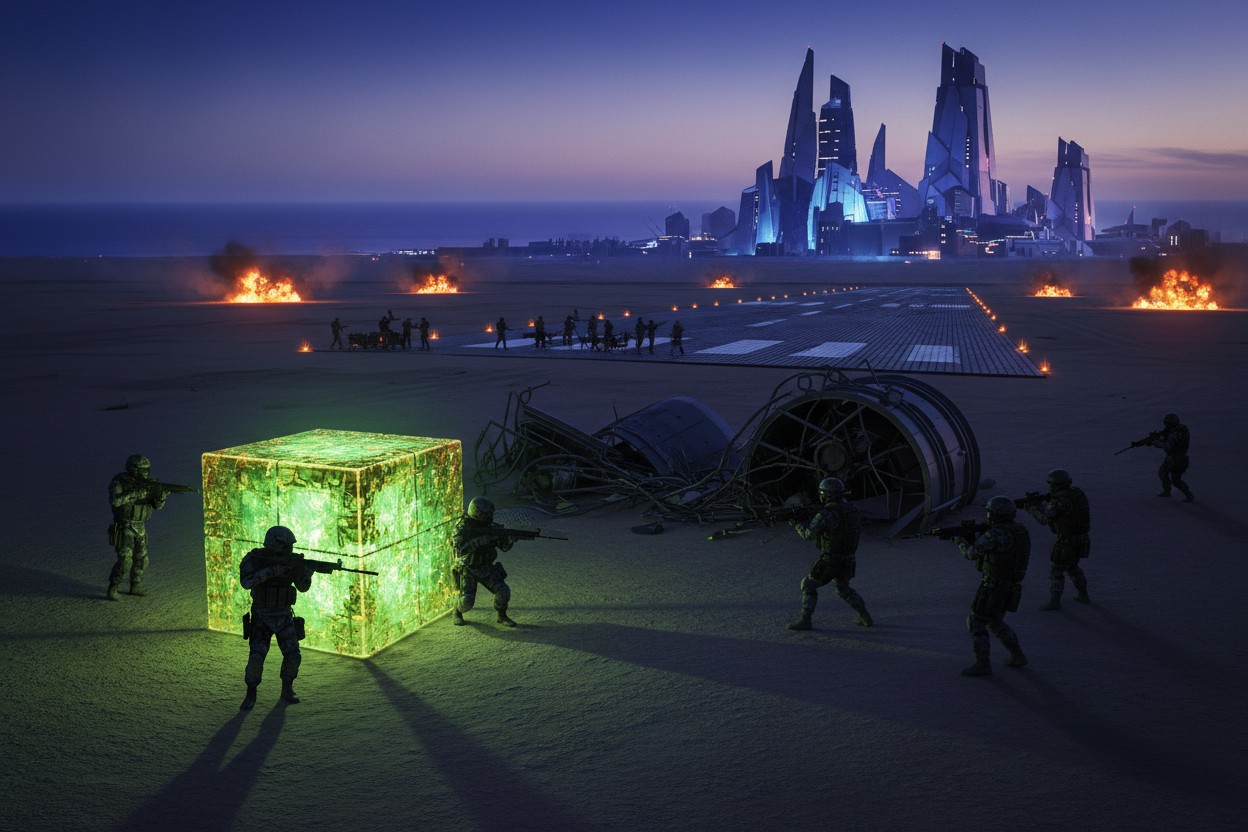
Despite the president’s stated willingness for the war to end, the United States is deploying additional troops to the region. Reports indicate the War Department is preparing for potential ground operations [3]. Hegseth made clear this was a viable option.
“Our adversary right now thinks there are 15 different ways we could come at them with boots on the ground. And guess what? There are. So if we needed to, we could execute those options on behalf of the president of the United States and this department,” Hegseth told reporters [3].
This military buildup includes specific planning for operations against key Iranian infrastructure. Retired Marine Corps General Frank McKenzie, former chief of U.S. Central Command, told CBS that the U.S. has planned for a ground invasion of Kharg Island and other points in Iran for years [9].
Conclusion
Trump’s public directive for reliant nations to militarily “take” the Strait of Hormuz represents a potential recalibration of long-standing U.S. security commitments in the Middle East. The call, reinforced by the secretary of war, shifts the burden of securing the global energy chokepoint onto the countries most dependent on its oil flows.
The strategic context remains complex, with ongoing military strikes and troop deployments suggesting escalation, juxtaposed with reported presidential willingness to end the conflict even without the strait reopening. The immediate international reaction to Trump’s suggestion has been cautious, with key allies previously expressing reluctance to send warships, framing the conflict as “not our war” [10]. The unfolding situation continues to threaten global energy stability, with experts warning that a prolonged closure could lead to simultaneous energy and food production catastrophes [11].
References
- Middle East Tensions Stir Fears of $150 Oil Spike Amid Straits of Hormuz Crisis. – NaturalNews.com. Willow Tohi. July 10, 2025.
- Strait of Hormuz closure sparks global oil crisis, with long-term price surge expected. – NaturalNews.com. March 31, 2026.
- Trump Tells Other Countries Reliant on the Strait of Hormuz To Go and ‘Take It’. – Antiwar.com. Dave DeCamp. March 31, 2026.
- Trump Tells Other Countries Reliant on the Strait of Hormuz To Go and ‘Take It’. – Libertarian Institute. March 31, 2026.
- America’s War Machine: Vested Interests, Endless Conflicts. – McCartney James.
- Hegseth calls on US allies to ‘step up’ over Strait of Hormuz. – BBC News. March 31, 2026.
- After Nearly A Month Of Epic Fury There’s No Off-Ramp In Clear Sight. – TWZ.com. March 25, 2026.
- Futures Jump On Hopes Of War De-escalation, Korea Enters Bear Market On Memory Rout. – ZeroHedge. March 31, 2026.
- Former CentCom Chief McKenzie: U.S. Has Planned for Kharg Island Attack for Years. – The New American. March 31, 2026.
- Not Our War’: US Allies Decline Trump’s Request To Send Ships To Open Strait Of Hormuz. – Antiwar.com. March 16, 2026.
- Is The World Ready For A Global Energy Catastrophe And A Global Food Catastrophe At The Same Time? – ActivistPost. March 30, 2026.
Submit a correction >>
Tagged Under:
big government, chaos, Collapse, Dangerous, Department of War, dollar demise, Donald Trump, economic disruption, Globalism, Iran, market crash, military, national security, Operation Epic Fury, Pete Hegseth, Royal Navy, Strait of Hormuz, supply chain warning, terrorism, transportation, Tyranny, United Kingdom, United States, US Navy, US-Israel strikes, violence, war on Iran, White House, WWIII
This article may contain statements that reflect the opinion of the author
RECENT NEWS & ARTICLES