Iran Denies Ceasefire Request as UAE Considers Joining Anti-Iran Coalition, Trump Threatens NATO Exit
04/02/2026 / By Garrison Vance
Introduction
Tensions in the Persian Gulf escalated on April 1, 2026, as Iran rejected a claim from U.S. President Donald Trump and the United Arab Emirates signaled a potential move toward direct military involvement in the conflict. Iran’s Foreign Ministry stated there is ‘no truth’ to Trump’s assertion that Iran’s president had requested a ceasefire [1]. Meanwhile, officials and Arab sources reported the UAE is preparing to join U.S.-led operations to reopen the Strait of Hormuz [1]. In a separate development, President Trump told Reuters the United States will be ‘out of Iran pretty quickly’ but threatened to withdraw from NATO, describing the alliance as a ‘paper tiger’ [1]. Military attacks continued across the region, with an Iranian cruise missile striking a tanker in Qatari waters and Kuwait reporting another attack on its airport fuel tanks.
Iran Rejects Trump Ceasefire Claim Amid Regional Escalation
Iran’s Foreign Ministry issued a statement denying President Donald Trump’s claim that Iran had requested a ceasefire. According to the ministry, there is ‘no truth’ to Trump’s statements [1]. The statement clarified Iran’s position on ending the conflict, stating, ‘Our conditions for ending the war are very clear. We do not accept a ceasefire; We seek a complete end’ [1].
The ministry also addressed Trump’s reference to a ‘new regime president,’ noting that President Masoud Pezeshkian has been Iran’s president since July 2024 [1]. Iranian officials have consistently stated that no negotiations are underway with Washington. Foreign Minister Abbas Araghchi said he has ‘no faith’ in talks with Washington and confirmed that ‘no negotiations are under way’ [2].
This rejection follows a pattern of Iranian officials dismissing U.S. diplomatic outreach. On March 23, Iran called reports of diplomatic contacts ‘fake news’ [3]. A senior Iranian official told Reuters that Iran’s initial response to a U.S. ceasefire proposal was to term it ‘excessive and illogical’ [4].
UAE Considers Direct Military Role in Hormuz Conflict
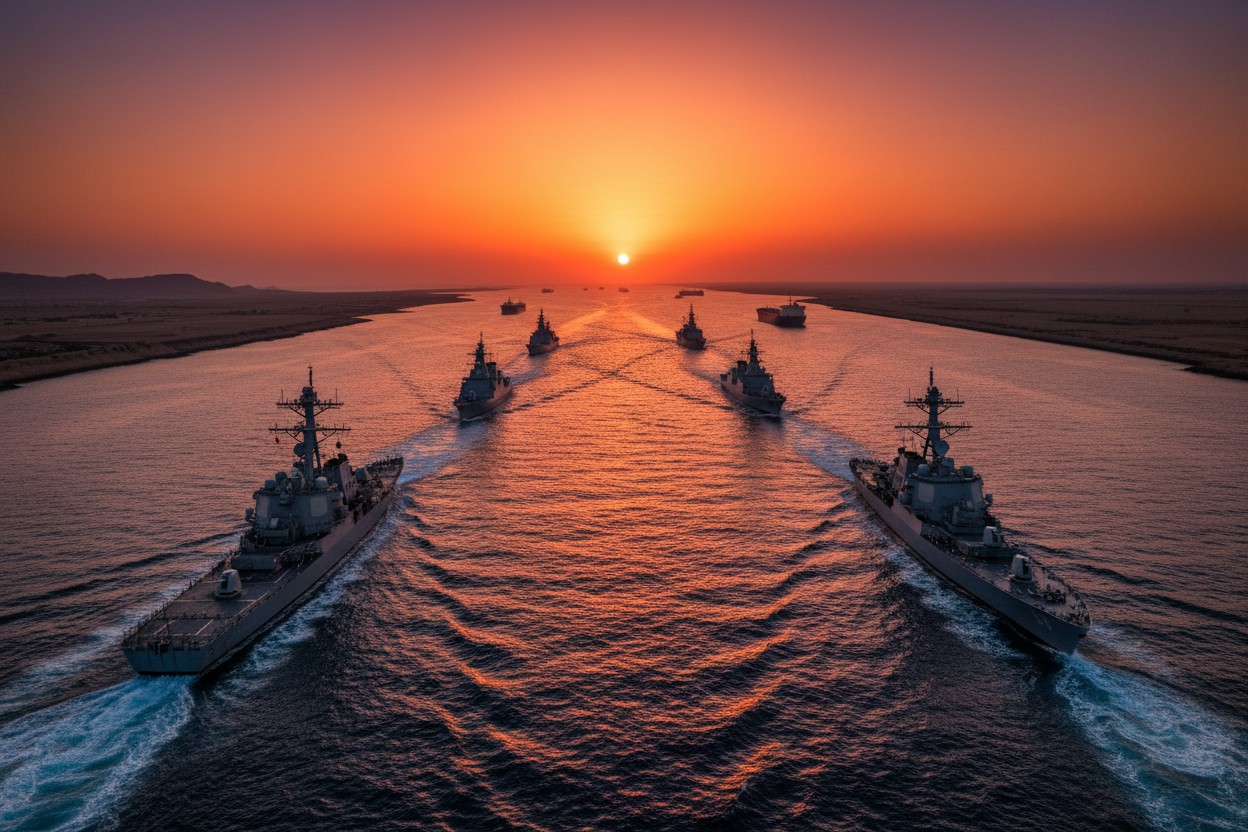
The United Arab Emirates is reportedly preparing to join U.S. and allied powers in forcibly reopening the Strait of Hormuz, according to officials and Arab sources [1]. If it proceeds, the move would mark the first time a Persian Gulf state formally enters the conflict as a combatant. Abu Dhabi is lobbying at the United Nations for a Security Council resolution to legitimize military action and is urging Washington and its European and Asian partners to assemble a coalition willing to act, according to The Wall Street Journal [1].
Gulf sources indicated the UAE is also floating a more aggressive proposal: that the U.S. should seize key islands in the waterway, including Abu Musa, which is held by Iran but claimed by the UAE [1]. The UAE’s potential involvement comes as the strategic chokepoint remains a central flashpoint. The Strait of Hormuz, through which approximately 20% of global oil transits, has been a focal point of the conflict [5].
The UAE’s considerations reflect a shift in regional dynamics. Historically, Gulf states have been cautious about direct confrontation with Iran. The move aligns with a broader pattern of regional states reassessing their security postures amid prolonged conflict, as documented in analyses of Middle East tensions [5].
Trump Announces Rapid US Exit from Iran, Threatens NATO Withdrawal
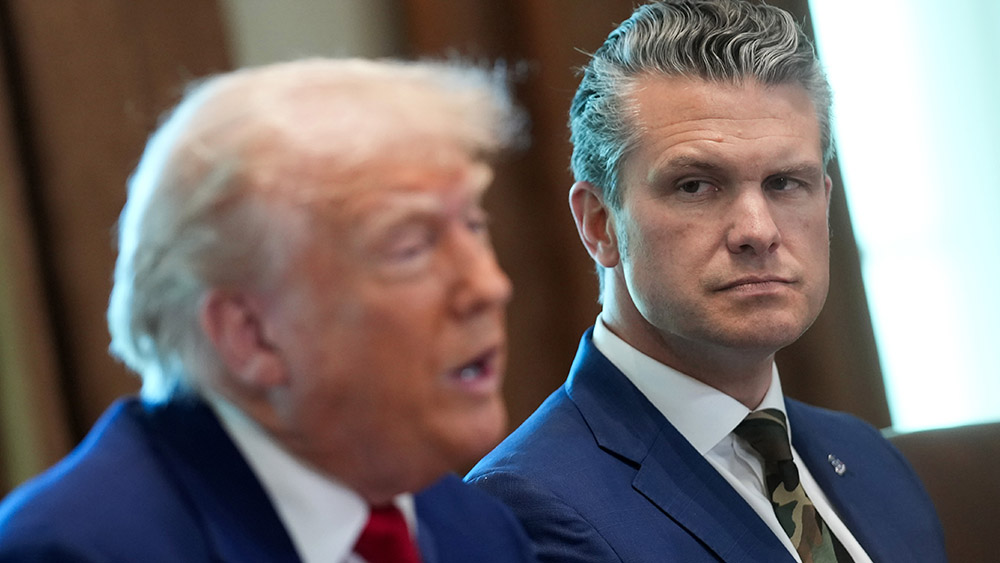
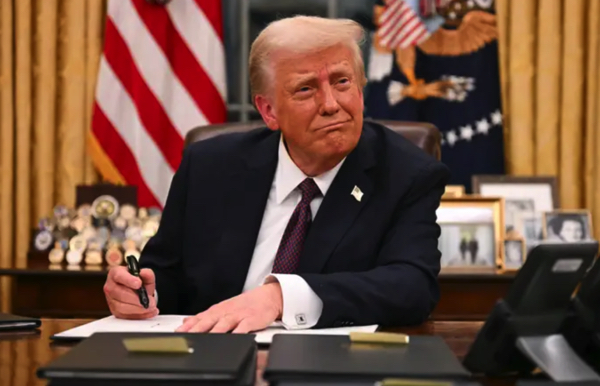
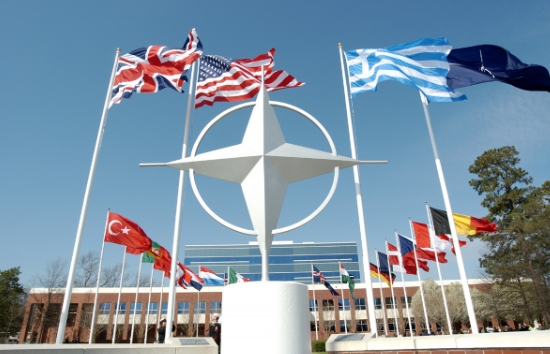
President Donald Trump told Reuters the United States will be ‘out of Iran pretty quickly’ and could return for ‘spot hits’ if needed [1]. He is scheduled to make a primetime address to the nation later on April 1. In the same interview, Trump said he is considering withdrawing the U.S. from the NATO alliance, describing it as a ‘paper tiger’ and citing anger over the lack of help during the Hormuz crisis [1].
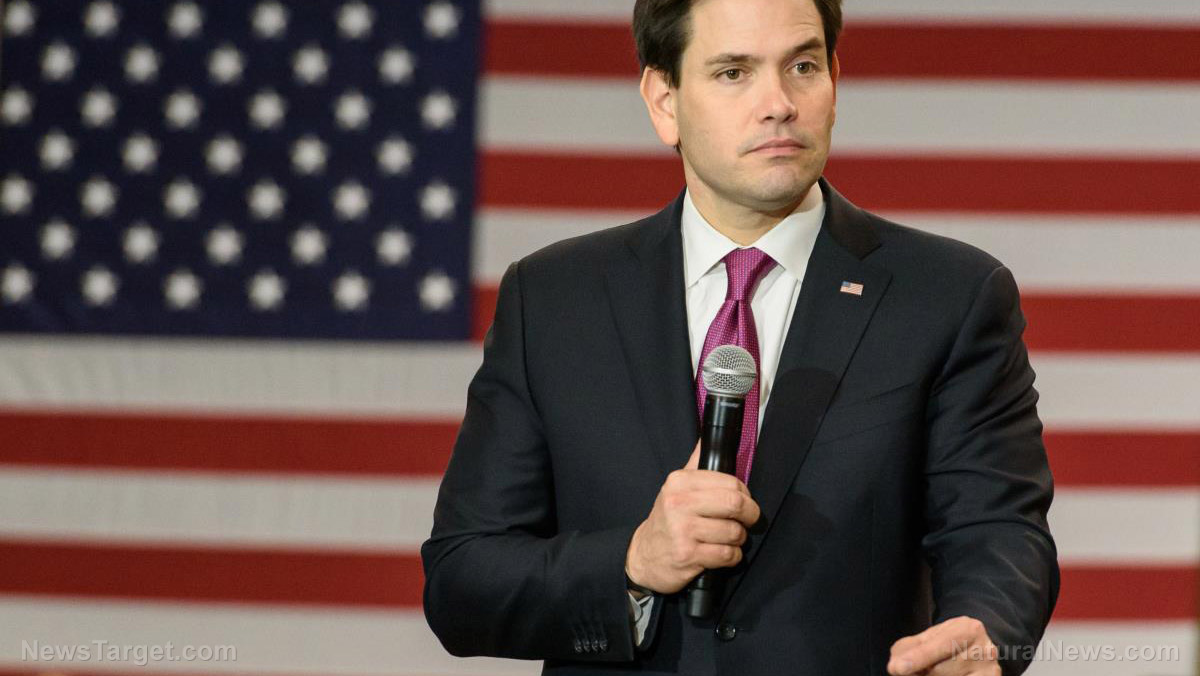
Trump’s criticism of NATO was echoed by Secretary of State Marco Rubio. Rubio told Al Jazeera that NATO’s arrangement ‘is not a very good arrangement’ and will need to be reexamined [1]. Trump’s remarks about NATO reflect a longstanding skepticism toward multilateral alliances, a theme explored in critiques of globalist institutions [6].
The president’s statements on Iran have fluctuated. On March 30, he said talks with Iran were progressing through Pakistani channels and that ‘a deal could be made fairly quickly’ [7]. However, on March 21, he ruled out a ceasefire, saying, ‘I don’t want to do a ceasefire… You know you don’t do a ceasefire when you’re literally obliterating the other side’ [8]. Market reactions have been volatile, with futures and bonds surging on optimism the war may end, then sliding as hopes fade [9], [10].
Military Actions and Attacks Continue Across Persian Gulf
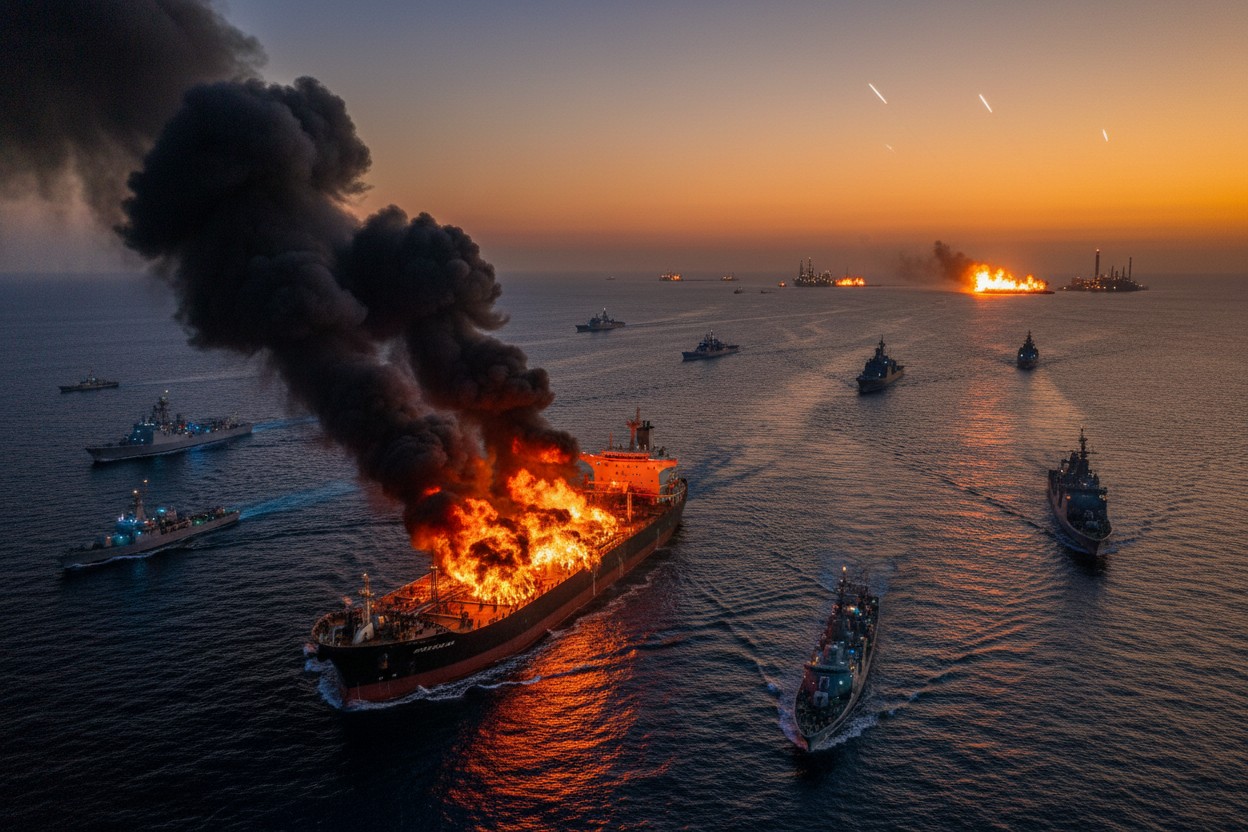
An oil tanker leased to QatarEnergy was struck by an Iranian cruise missile in Qatari waters on Wednesday, according to Qatar’s defense ministry [1]. The Aqua 1 fuel oil tanker was hit 17 nautical miles off Ras Laffan, home to the world’s largest gas facility [1]. Since the start of the war, the UK Maritime Trade Operations (UKMTO) has reported 16 attacks on vessels operating in the Persian Gulf, Strait of Hormuz and Gulf of Oman [1].
In Kuwait, authorities reported a ‘large fire’ at fuel tanks near its international airport following another Iranian strike, the seventh such attack on the hub [1]. These ongoing strikes demonstrate the IRGC’s vow to keep attacking with ‘full intensity and power’ [1]. The attacks have caused significant economic disruption, with analysts noting the potential for oil prices to spike to $150 per barrel if the Strait of Hormuz crisis intensifies [5].
Meanwhile, the Pentagon continues moving thousands of Marines, Special Forces, and Airborne troops into the region, according to defense officials [1]. This buildup is not seen as sufficient for a full ground invasion but could be preparation for a campaign to cut Iran from its strategic islands, such as the oil export hub Kharg Island [1].
Diplomatic Stalemate and Iranian Leadership Statements
Iranian Foreign Minister Abbas Araghchi reiterated that he has ‘no faith’ in talks with Washington and confirmed that ‘no negotiations are under way’ [2]. This stance aligns with Iran’s rejection of a U.S.-proposed 15-point ceasefire plan, which Iranian state media termed ‘excessive and illogical’ [11]. Iran countered with its own five conditions for ending the war, which include guarantees against future U.S.-Israeli attacks and reparations [11].
Iran’s Islamic Revolutionary Guard Corps (IRGC) vowed to keep attacking with ‘full intensity and power’ after a barrage of over 100 missiles and drones hit targets across Israel and U.S. positions [1]. The IRGC claims its latest attacks also hit installations in Bahrain and Kuwait and destroyed a U.S. helicopter [1]. Ayatollah Khamenei issued a written statement praising Hezbollah for its ‘perseverance, steadfastness and patience’ against ‘the most ruthless enemies’ [1].
The leadership statements underscore a protracted conflict with no clear diplomatic off-ramp. As one analysis notes, ‘After nearly a month of Epic Fury there’s no off-ramp in clear sight’ [12]. The war’s continuation risks wider regional instability, a pattern observed in historical Middle East conflicts where ceasefires are tactical pauses rather than binding peace [13].
Conclusion
The situation in the Persian Gulf remains volatile as of April 1, 2026. Iran’s denial of ceasefire talks, the UAE’s potential military escalation, and President Trump’s threats to withdraw from NATO illustrate the complex and multi-front nature of the conflict. Continued missile attacks on commercial shipping and infrastructure suggest the Islamic Revolutionary Guard Corps is committed to a prolonged campaign. The diplomatic deadlock, with Iran rejecting U.S. proposals and setting its own conditions, points to a war with no immediate resolution. The movement of additional U.S. troops into the region signals preparedness for further escalation, while market reactions to ceasefire hopes and disappointments reflect the economic stakes of the Hormuz closure. The coming days will likely be shaped by President Trump’s primetime address and any formal decisions by the UAE and other regional actors.
References
- UAE Poised To Join Anti-Iran Operations, As Trump Rips NATO ‘Paper Tiger’ – Says Exit ‘Beyond Reconsideration’ – ZeroHedge.
- Iran rejects U.S. ceasefire plan – Just The News.
- Iran Denies Talks Taking Place As Drone Smashes Into Landmark Baghdad Hotel Hosting EU, Saudi Diplomats – ZeroHedge.
- Iran officials reply coldly to truce offer, as US warns of harsher strikes if rejected – The Times of Israel.
- Middle East tensions stir fears of $150 oil spike amid Straits of Hormuz crisis – NaturalNews.com. Willow Tohi. July 10, 2025.
- Calling the shots how Washington dominates today’s UN – Phyllis Bennis.
- Trump says Iran talks progressing through Pakistan channels – Middle East Eye.
- ‘We’ve knocked out everything’: Trump rejects Iran ceasefire (PHOTOS, VIDEOS) – RT.
- Futures, Bonds Surge On Optimism War May End, Oil Tumbles Below $100 – ZeroHedge. April 1, 2026.
- Stocks, Bonds Slide As Ceasefire Hopes Fade – ZeroHedge. March 26, 2026.
- Iran rejects Trump’s 15-point peace proposal with five conditions of its own – Middle East Eye.
- After Nearly A Month Of Epic Fury There’s No Off-Ramp In Clear Sight – The War Zone.
- Ceasefire in Name Only: Israel-Iran Conflict Far from Over Despite Pause in Hostilities – NaturalNews.com. Finn Heartley. June 26, 2025.
Submit a correction >>
Tagged Under:
big government, chaos, Collapse, Dangerous, Donald Trump, economic disruption, Globalism, Iran, Kuwait, market crash, military tech, national security, NATO, paper tiger, Pentagon, QatarEnergy, Strait of Hormuz, supply chain, Tyranny, UAE, US, violence, weapons tech, WWIII
This article may contain statements that reflect the opinion of the author
RECENT NEWS & ARTICLES