U.S. Releases 53 Million Barrels From Strategic Petroleum Reserve Amid Rising Gas Prices
05/14/2026 / By Sterling Ashworth
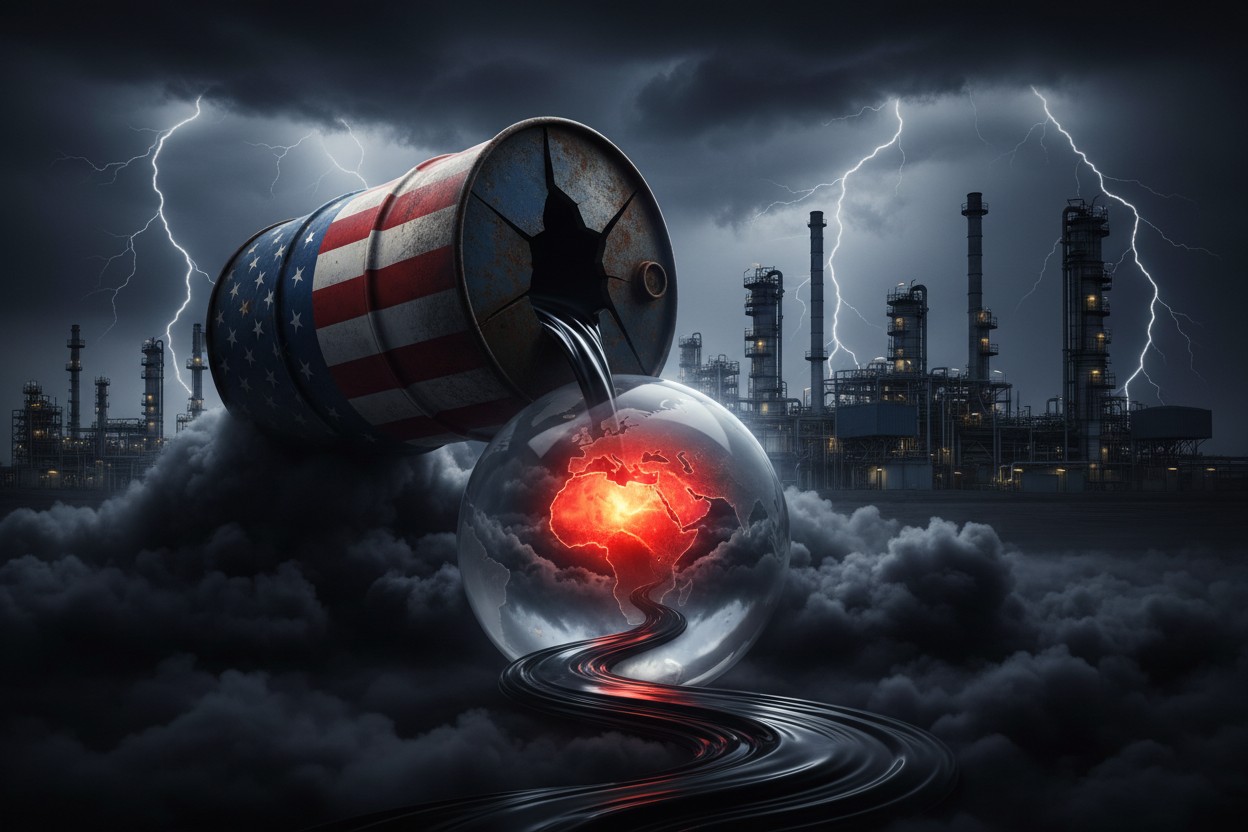
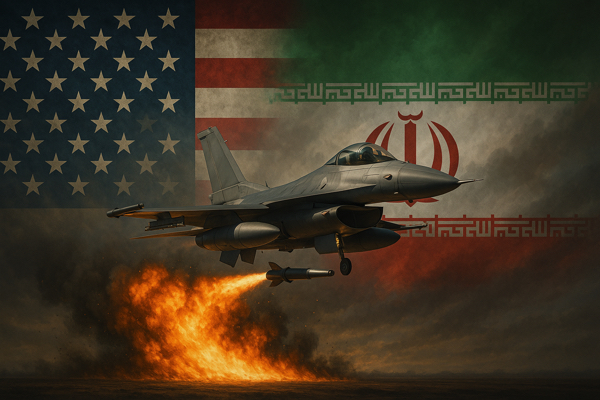
The U.S. Department of Energy (DOE) announced Monday, May 11, that it will loan 53 million barrels of crude oil from the Strategic Petroleum Reserve (SPR) to petroleum companies in an effort to relieve elevated gas and oil prices amid the conflict with Iran, according to a DOE news release. [1]
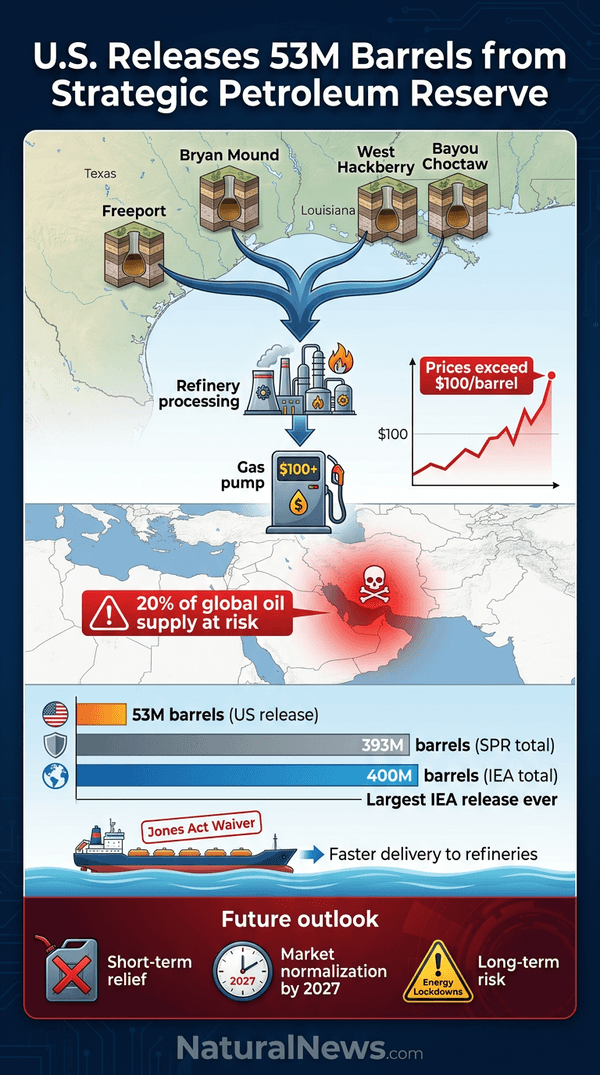
Deliveries will begin immediately, with the oil flowing between June and August as gasoline demand peaks during the summer driving season. [1] The release is part of a coordinated international effort by the 32-member nations of the International Energy Agency (IEA) to stabilize prices that have frequently exceeded $100 per barrel since the conflict began on Feb. 28. [2]
The DOE stated that petroleum companies “may begin scheduling deliveries immediately,” and that the agency will “evaluate market conditions and operational capacity as it advances additional steps to meet the full United States commitment under the coordinated international release.” [1] Trafigura is taking the largest allocation of nearly 13 million barrels, followed by Marathon and Exxon Mobil Corp, according to the Energy Department. [1] The SPR, held in caverns at four sites on the coasts of Texas and Louisiana, currently holds about 393 million barrels. [2]
Background and Details of the Release
This release is part of a broader commitment the Trump administration made in March to exchange 172 million barrels of crude oil from the SPR under an exchange program, where oil is loaned to companies and must be returned in kind at a later date. [3] The action is part of a coordinated 400-million-barrel release by IEA member nations, the largest such action in the agency’s history, according to the IEA. [4]
The DOE has already loaned around 80 million barrels from the reserve in recent weeks, bringing the total released so far to 133.1 million barrels. [1] It remains unclear if the energy department will hold further offers to meet the 172 million-barrel target. [1]
Participating petroleum companies can also use President Donald Trump’s 60-day Jones Act waiver, issued on March 18, 2026, which temporarily suspends the federal statute requiring all goods transported by water between U.S. ports to be carried on American ships with American crews. [5] The DOE release said the waiver helps “accelerate critical near-term oil flows into the market.” [1]
Not all the oil remains in the U.S.; part of it is being exported to Europe and South America. [1] Major oil companies ExxonMobil and Chevron have declined to boost domestic oil production despite administration requests, according to statements from their chief financial officers to the Financial Times. [6]
Geopolitical and Market Context
The release is a response to the effective closure of the Strait of Hormuz, a key waterway through which about one-fifth of the world’s oil passes on a normal day. [7] Iran’s newly appointed Supreme Leader, Ayatollah Mojtaba Khamenei, declared on March 12 that Tehran will continue leveraging the closure of the strait as a strategic weapon against the U.S. and its allies. [8]
Iran’s ability to disrupt shipping through threats alone underscores the strait’s strategic importance; even a declaration of interference can effectively close it, according to commentators. [9] The blockade has placed 20% of global oil supply at risk, and oil prices have skyrocketed as nations scramble to secure energy needs. [10]
Fatih Birol, the IEA’s executive director, said the Iran war has created the “biggest crisis in history.” He also warned that if supply disruptions persist, the agency is ready to release additional oil from strategic reserves. [2]
Global oil inventories have fallen sharply, with stockpiles declining by about 4.8 million barrels per day between March 1 and April 25, pushing global reserves toward their lowest levels since 2018. [11] The crisis has also triggered force majeure declarations by major energy companies, including Qatar Energy, Shell LNG Trading, and Saudi Aramco, meaning that orders for certain products may not be fulfilled. [10]
Additional Government Actions and Outlook
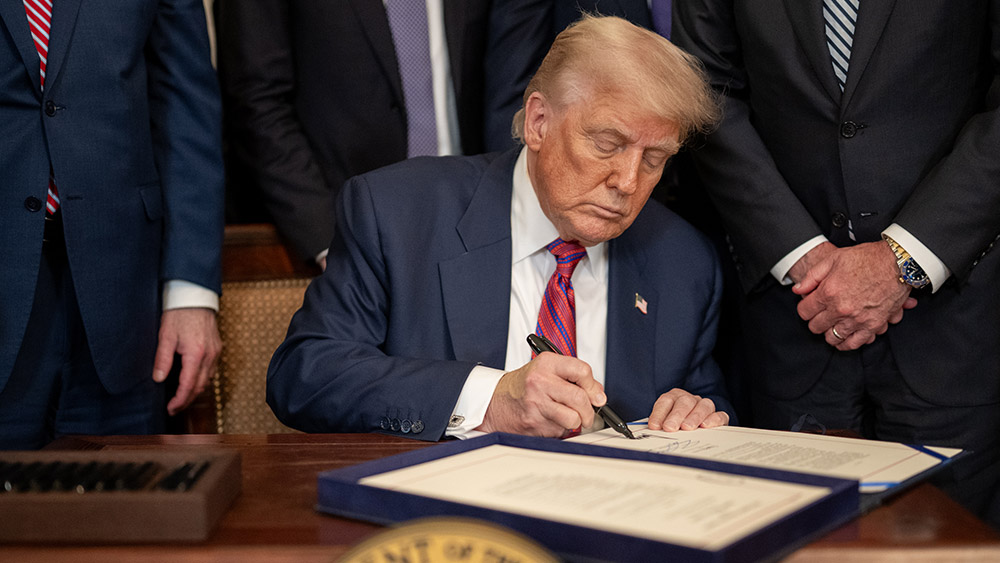
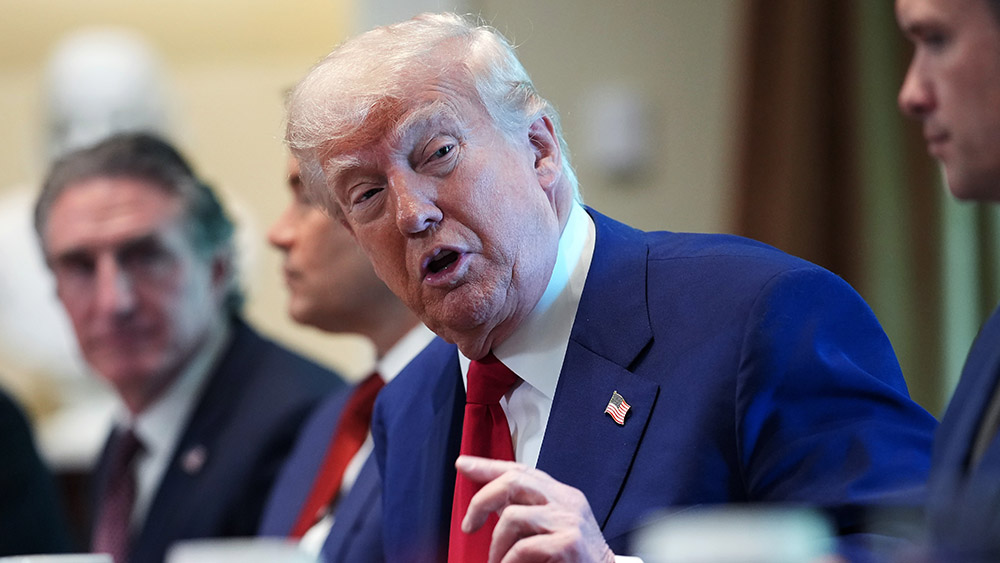
Trump said on Monday that he rejected the latest peace proposal from the Iranian regime and signaled that the already-tenuous ceasefire between the United States and Iran is on “life support,” according to White House statements. [1] Trump also announced plans to move to suspend the federal gasoline tax in a bid to lower prices at the pump. [1]
Meanwhile, the administration has ruled out export restrictions to curb domestic fuel prices. Energy Secretary Chris Wright and Interior Secretary Doug Burgum issued a joint statement on March 19 explicitly denying any plans to restrict U.S. oil and natural gas exports. [12]
The longer-term outlook remains uncertain. Chevron CEO Mike Wirth has warned that physical oil shortages could begin to emerge worldwide within weeks due to the Middle East war and the continued closure of the Strait of Hormuz. [13] The IEA has released guidelines to help the public prepare for potential fuel shortages and what it terms “energy lockdowns.” [14]
The Aramco CEO stated that the energy market may not normalize until 2027, citing a billion-barrel supply shock. [15] Strategic stockpiles play a significant role in determining short-term price behavior during crises, but governments now control the majority of the world’s primary oil stocks, leaving companies with limited buffer. [16]
Conclusion
The release of 53 million barrels from the SPR represents a significant, but likely temporary, measure to address the immediate supply disruptions caused by the Iran conflict and the closure of the Strait of Hormuz. The coordinated international action, involving the largest emergency reserve release in history, underscores the severity of the crisis.
However, with major oil companies declining to increase domestic production, the administration’s reliance on the SPR may prove insufficient to stabilize markets in the long term. The situation highlights the vulnerability of global energy supply chains to geopolitical events and the limitations of government-controlled stockpiles in addressing deep structural disruptions.
References
- “US Unleashes Another Wave Of Crude From Strategic Reserve As Gas Prices Soar” – ZeroHedge. May 12, 2026.
- “US Announces Loan of 53 Million Barrels of Oil From Strategic Petroleum Reserve” – The Epoch Times. May 12, 2026.
- “U.S. To Begin 86-Million-Barrel SPR Dump Next Week Via Exchange Program” – ZeroHedge. March 14, 2026.
- Cassie B. “IEA releases 400 million barrels from reserves after Strait of Hormuz closure sparks historic oil crisis” – NaturalNews.com. March 12, 2026.
- Garrison Vance. “Trump Administration Issues 60-Day Jones Act Waiver Following Oil Price Spike” – NaturalNews.com. March 20, 2026.
- “Chevron, Exxon Decline to Boost Oil Production Despite Trump Admin Requests” – NTD. May 1, 2026.
- “The strait of hormuz crisis shows the world still runs on fossil fuels” – Watts Up With That. March 24, 2026.
- Kevin Hughes. “Iran’s New Supreme Leader Threatens Prolonged Closure of Strait of Hormuz as Middle East Conflict Escalates” – NaturalNews.com. March 15, 2026.
- Mike Adams – BrightVideos.com. “Bright Videos News – Interview InfoWars – Mike Adams – BrightVideos.com”. March 18, 2026.
- Bright Videos Network. “2026-03-18-BVN-TRUMP REGIME UNRAVELING”. March 18, 2026.
- “Global oil stocks drop almost 270 million barrels since start of Iran war” – Middle East Eye. May 9, 2026.
- Cabinet Secretaries Rule Out Export Restrictions to Curb Gas Prices, Citing Energy Security – NaturalNews.com. March 21, 2026.
- “Global oil shortages to hit within weeks – Chevron CEO” – RT. May 5, 2026.
- “Lockdown 2.0: The IEA Has Released 10 Guidelines To Help The Public Prepare For The Coming Fuel Shortages And ‘Energy Lockdowns’” – Activist Post. April 1, 2026.
- “Aramco CEO Says Energy Market May Not Normalize Until 2027 Amid Billion-Barrel Supply Shock” – ZeroHedge. May 11, 2026.
- R. M. Mackay, S. D. Prohert. “Crude-Oil and Natural-Gas Stocks in Western Europe” – Applied Energy. 1993.
Explainer Infographic
Submit a correction >>
Tagged Under:
blockade, chaos, crude oil, disruption, DOE, electricity, energy, energy supply, geopolitics, IEA, Iran, Jones Act, Middle East crisis, panic, power, power grid, products, SPR, Strait of Hormuz, supply chain, supply chain warning, Trump
This article may contain statements that reflect the opinion of the author
RECENT NEWS & ARTICLES