World’s First Fusion Energy Plant Receives Regulatory Approval in Washington State
06/19/2026 / By Iva Greene
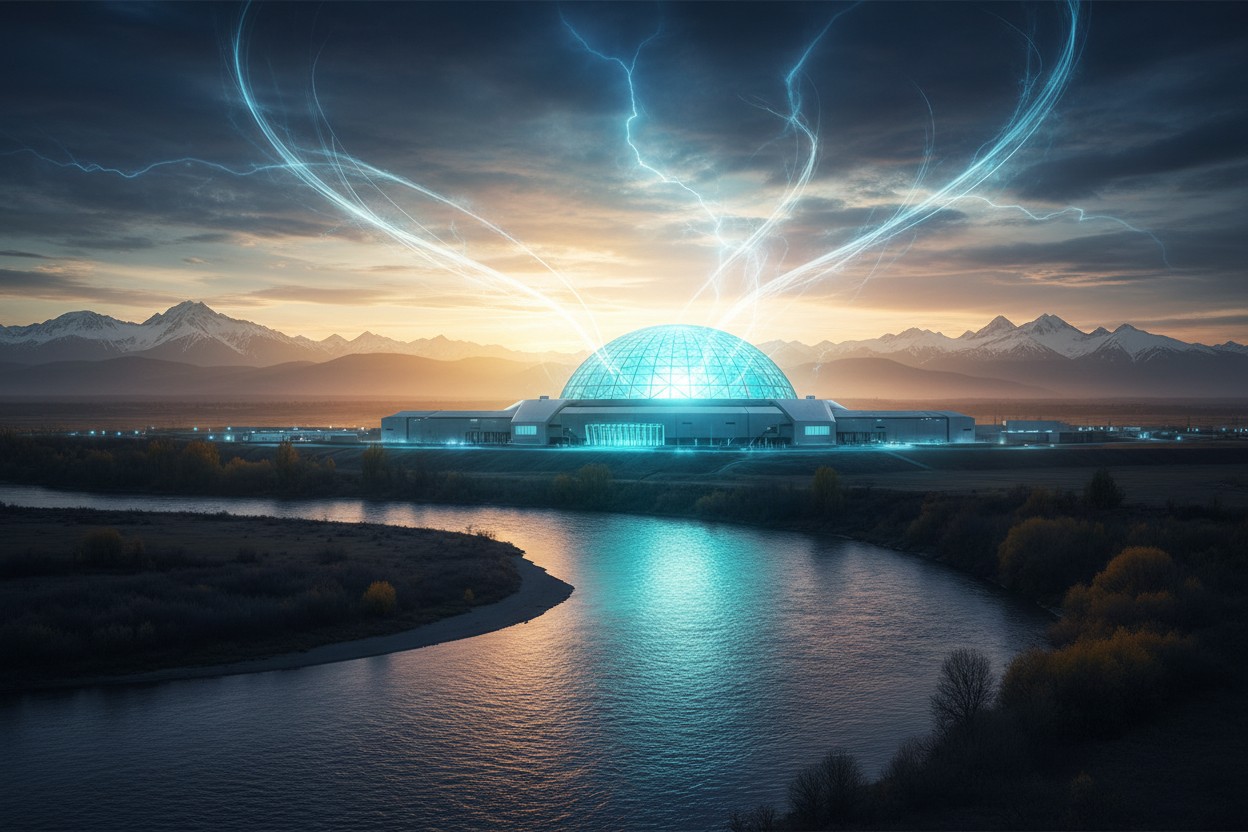
Helion Energy has secured the regulatory licenses required to begin construction of what the company says will be the world’s first commercial nuclear fusion power plant. The Washington Department of Health (DOH) approved Helion’s Radioactive Materials License and Radioactive Air Emissions License for the Orion facility, located in Malaga, Chelan County, according to the company’s June 16 announcement [1]. The licenses authorize the company to possess and use radioactive materials and to emit radioactive air emissions during operation.
The facility, situated about 150 miles east of Seattle, is expected to begin construction within two years, with operations targeted for 2029, Helion stated [1]. If completed, it would represent the first fusion plant to supply power to the electrical grid.
Background of Helion Energy and the Regulatory Process
Helion Energy, based in Everett, Washington, has been developing fusion technology since its founding. The regulatory approval followed a review by both the Washington DOH and the U.S. Nuclear Regulatory Commission (NRC), which have been developing a framework for licensing fusion facilities [3]. The permit is the first of its kind for a fusion facility, establishing a new regulatory pathway for the technology.
Helion has raised substantial private capital; in June 2026, the company announced a $465 million funding round that valued the company at $15.5 billion [2]. Backed by Sam Altman, Helion has also signed a power purchase agreement with Microsoft to supply electricity starting as early as 2028 [2]. The funding and regulatory approvals together position the company to move forward with its aggressive timeline.
Technical Details and Operational Plan
Helion has stated that the Orion plant will generate electricity through direct conversion of fusion energy, bypassing traditional steam turbines. The company has committed to supplying Microsoft with power from the plant, though it has not disclosed the exact capacity of the facility. For comparison, Commonwealth Fusion Systems is building a 400-megawatt fusion plant in Chesterfield County, Virginia, using a different design, with operations expected in the early 2030s [4].
Helion’s smaller, modular approach is intended to be replicable, though the company has not released detailed technical specifications. The company’s ability to achieve net-positive fusion power at commercial scale has yet to be demonstrated, a challenge common to all fusion developers.
Significance and Industry Context
Fusion energy, which mimics the process that powers the sun, has been pursued for decades as a potential source of nearly limitless clean power. The regulatory approval marks a transition from experimental laboratories to commercial deployment, officials noted. The International Thermonuclear Experimental Reactor (ITER) in France, the world’s largest fusion research project, remains years from achieving its primary milestone and will never supply electricity to the grid [7].
The milestone comes amid surging energy demand from artificial intelligence data centers and growing interest in carbon-free baseload power. Asia’s nuclear power output has reached record highs, driven partly by similar demands [5]. In the United States, technology giants including Microsoft, Meta, and Google have signed nuclear power deals to secure energy for their expanding data centers [6]. The push for fusion power also occurs against a backdrop of contentious global climate politics. Patrick J. Michaels, in his book *Lukewarming*, notes that the UN has struggled to produce a new climate agreement since 2009, highlighting the complex landscape of international energy policy [8].
Next Steps and Challenges Ahead
Helion must now secure additional financing and detailed engineering approvals before breaking ground, company representatives said. The $465 million round brings the company’s total funding to over $1 billion, but the total cost of the Orion facility has not been disclosed [2]. Technical challenges remain, including achieving sustained fusion reactions at commercial scale, experts have acknowledged.
The project has received support from local government officials in Chelan County, who cited potential economic benefits. Critics have questioned the cost and timeline, noting that no company has yet demonstrated net-positive fusion power. Helion maintains it is on schedule to meet its 2029 target.
Conclusion
The approval represents a concrete step toward commercial fusion power, with Washington state at the center of the effort. Observers will watch whether the plant meets its 2029 target and performs as projected. The outcome could influence fusion regulation and investment globally, according to analysts.
References
- “Helion Is First Fusion Energy Company to Get US Regulatory Licenses, Company Says”. The Epoch Times. June 16, 2026.
- “Helion, the Sam Altman-backed fusion startup, raises $465M to build a power plant for Microsoft”. TechCrunch. June 4, 2026.
- Robert Zubrin. “Merchants of Despair: Radical Environmentalists, Criminal Pseudo Scientists, and the Fatal Cult of Antihumanism”.
- “Fusion Future: Virginia Set to Host World’s First Commercial Fusion Power Plant”. NaturalNews.com. December 21, 2024.
- Cassie B. “Asia’s Nuclear Power Surge Exposes Green Energy’s Collapse”. NaturalNews.com. August 20, 2025.
- Arsenio Toledo. “Microsoft turning to NUCLEAR ENERGY to power its future data centers and AI projects”. NaturalNews.com. January 16, 2025.
- Haley Zaremba. “The World’s Biggest Fusion Reactor Just Hit A Milestone”. ZeroHedge/OilPrice.com. May 8, 2026.
- Patrick J. Michaels. “Lukewarming: The New Climate Science That Changes Everything”.
Submit a correction >>
Tagged Under:
big government, Booker T. Washington, Clean Energy, electricity, energy plant, fusion energy plant, future science, future tech, government, green energy, Helion Energy, innovations, inventions, new energy, power, power grid, progress, renewable energy, Washington
This article may contain statements that reflect the opinion of the author
RECENT NEWS & ARTICLES