Vance’s Switzerland trip postponed as U.S.-Iran deal faces logistical hurdles
06/20/2026 / By Cassie B.
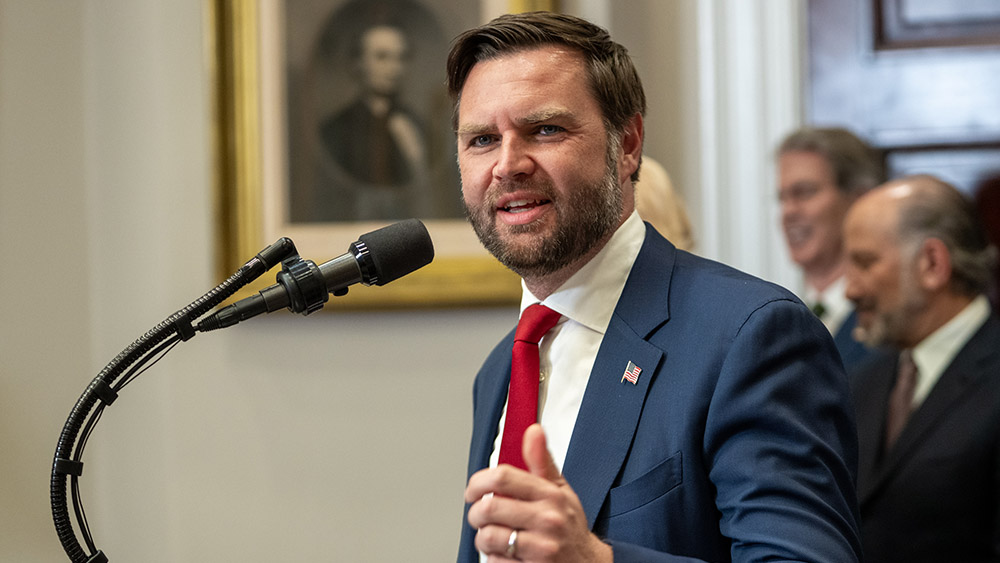
- Trump and Iran signed a 14-point ceasefire memorandum ending months of open warfare.
- The deal includes sanctions relief and a $300 billion reconstruction fund for Iran.
- Technical talks in Switzerland were postponed due to ongoing Israeli strikes on Hezbollah in Lebanon.
- A separate Israel-Hezbollah ceasefire was announced but remains fragile.
- Both sides have up to 60 days to finalize a permanent agreement.
When the United States and Iran sign a peace deal ending months of open warfare, the world expects a ceremony. What it got instead was a dinner, a postponement, and a lot of unanswered questions.
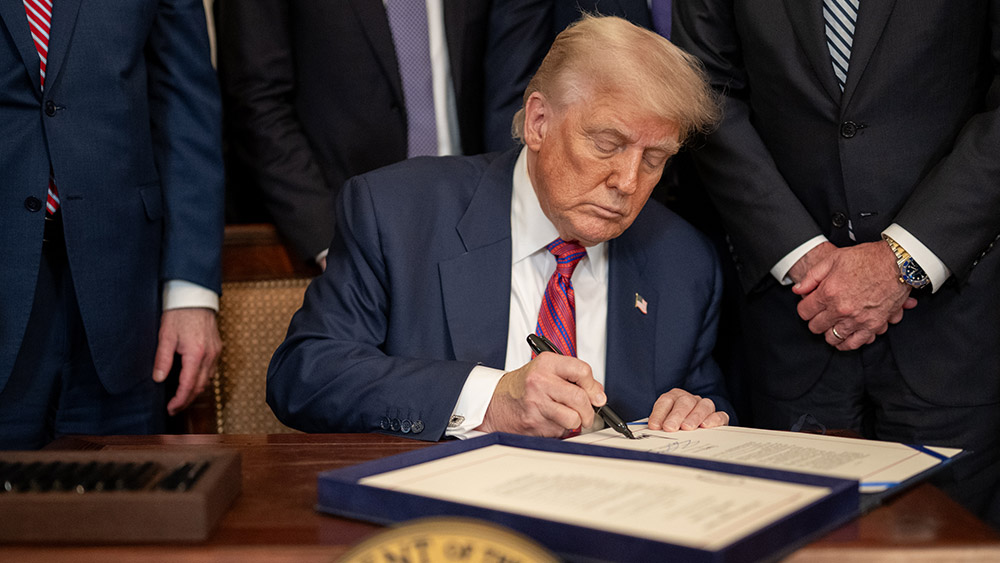
The United States and Iran confirmed on Sunday that work on a memorandum of understanding had been completed, with both nations remotely signing the document overnight into June 18. The agreement was designed to end the military conflict that began February 28. President Trump signed the memorandum with Iran on Wednesday, with Vice President JD Vance expected to represent the American delegation at subsequent technical talks in Switzerland on Friday. But those plans have now collapsed.
“The plans for the upcoming technical talks have not been finalized, and the US delegation has been prepared to depart at the first available opportunity,” a White House spokesperson said in a statement. “But the logistics of these negotiations have never been simple or predictable.”
It is worth examining what this deal actually contains. White House officials released an official summary of the 14-point memorandum of understanding on Wednesday, which included sanctions relief and a $300 billion reconstruction fund for Iran. That figure alone has raised eyebrows among Republican lawmakers, including Iowa Sen. Joni Ernst.
“I have to know where that money is coming from because I don’t think my constituents are going to be really happy about it if that’s all US taxpayer dollars,” Ernst told reporters at the Capitol on Thursday. “If it is their money that we are releasing, that might be a different story.”
The timing problem
The postponement comes at a moment when Israel has launched deadly strikes in Lebanon, with Lebanon’s health ministry reporting at least 47 people killed overnight and into Friday. Israel’s military said it had targeted the Iran-backed group Hezbollah and that four of its own soldiers had been killed.
This raises an uncomfortable question: Can the U.S. credibly negotiate peace with Iran while Israel continues military operations against Iranian allies in Lebanon?
Hours before the White House issued its statement, Hezbollah-linked Lebanese media reported that the talks had been suspended due to ongoing Israeli air strikes. Later on Friday, a U.S. official announced that an immediate ceasefire between Israel and Hezbollah had been agreed, taking effect at 4:00 p.m. local time.
Israeli military spokesperson Brig. Gen. Effie Defrin confirmed: “We are in a ceasefire. The IDF is prepared to continue fighting if called upon to do so.”
Vance had publicly criticized members of Israeli Prime Minister Benjamin Netanyahu’s cabinet over their opposition to the deal on Thursday, singling out far-right National Security Minister Itamar Ben-Gvir and telling reporters Israel should “wake up and smell the reality.”
What the deal means
The memorandum’s 14 points cover a range of issues: reopening the Strait of Hormuz, a commitment that Iran will never develop a nuclear weapon, full U.S. sanctions relief, and a $300 billion reconstruction fund for Iran. Both sides have a maximum of 60 days, extendable by mutual consent, to finalize a permanent agreement.
Iran’s Supreme Leader Mojtaba Khamenei said he approved the deal despite having a “different view,” claiming Trump had “out of desperation, used all kinds of leverage” to bring it about. Trump shot back: “We didn’t meet out of desperation, Iran did. They are FINISHED!”
Vance brushed aside GOP opposition, urging critics to “have a little faith” in the president. “The idea that he is going to strike a deal that’s been bad for the American people, it’s preposterous,” he said.
Switzerland’s foreign ministry confirmed that the talks at the Burgenstock resort had been postponed, though preparations there were continuing. The White House said it looked forward to “beginning technical talks as soon as possible” — a phrase that raises its own questions about timeline and sincerity.
Lebanon has paid the heaviest price throughout this conflict. Since Hezbollah entered the war by launching rockets into Israel following the strike that killed Supreme Leader Ali Khamenei, Lebanese health authorities report more than 3,900 people killed in Israeli attacks, among them women and children. Israeli authorities put their own losses at a minimum of 30 soldiers and four civilians.
The fate of this deal now rests on whether the ceasefire in Lebanon holds and whether both sides trust each other enough to sit across the same table. For the Lebanese civilians caught in the middle, that is not an academic question.
Sources for this article include:
Submit a correction >>
Tagged Under:
big government, ceasefire, chaos, Collapse, Donald Trump, Hezbollah, Iran, Israel, JD Vance, Lebanon, Middle East, Mojtaba Khamenei, national security, politics, switzerland, terrorism, US-Iran deal, violence, White House, World War III
This article may contain statements that reflect the opinion of the author
RECENT NEWS & ARTICLES