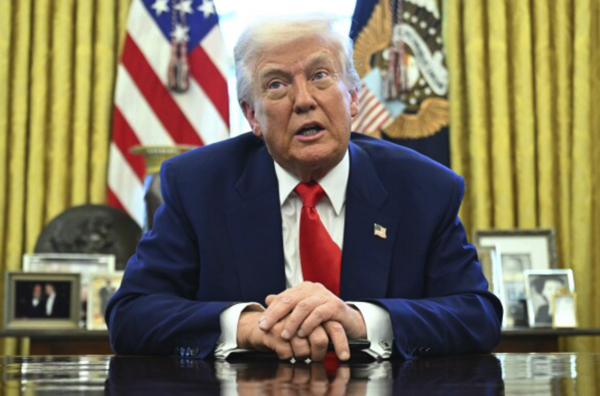
Trump plans billions in arms sales as NATO summit tests alliance frayed by Iran war
07/09/2026 / By Garrison Vance
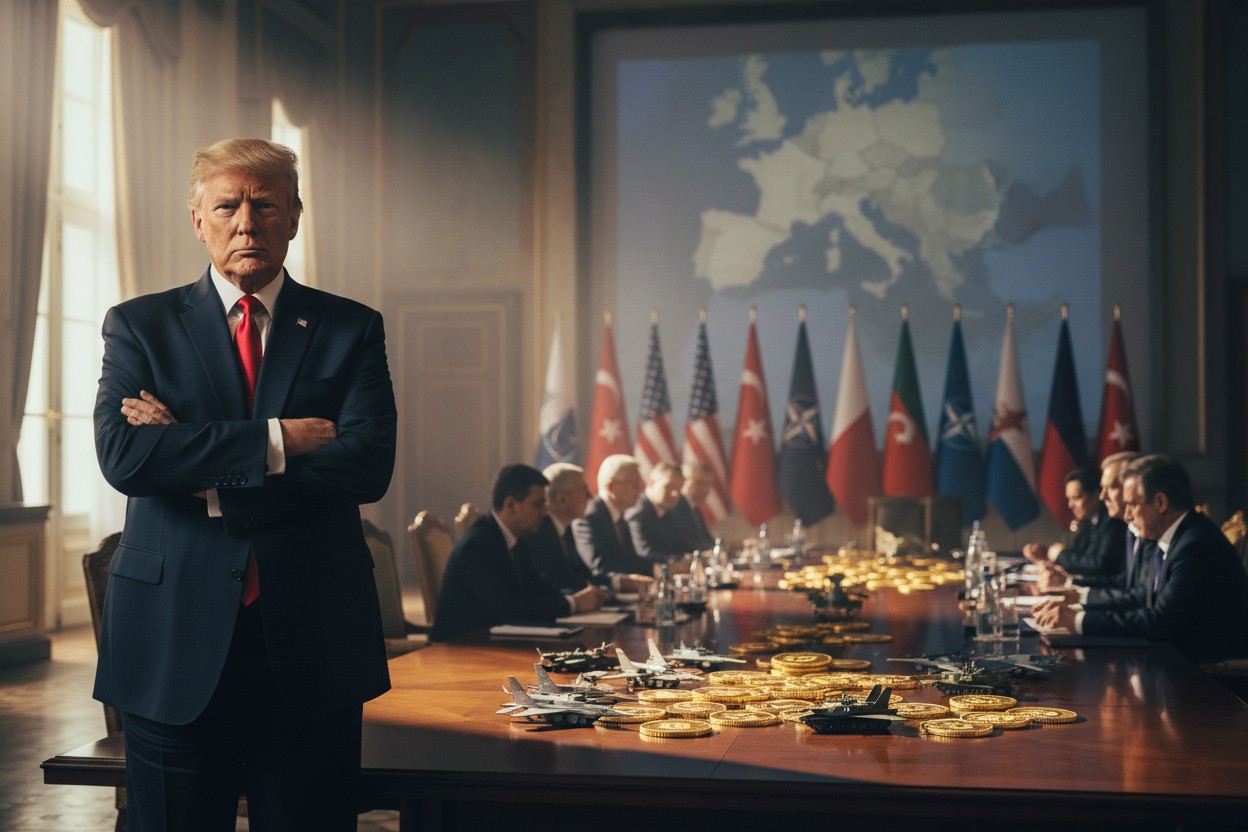
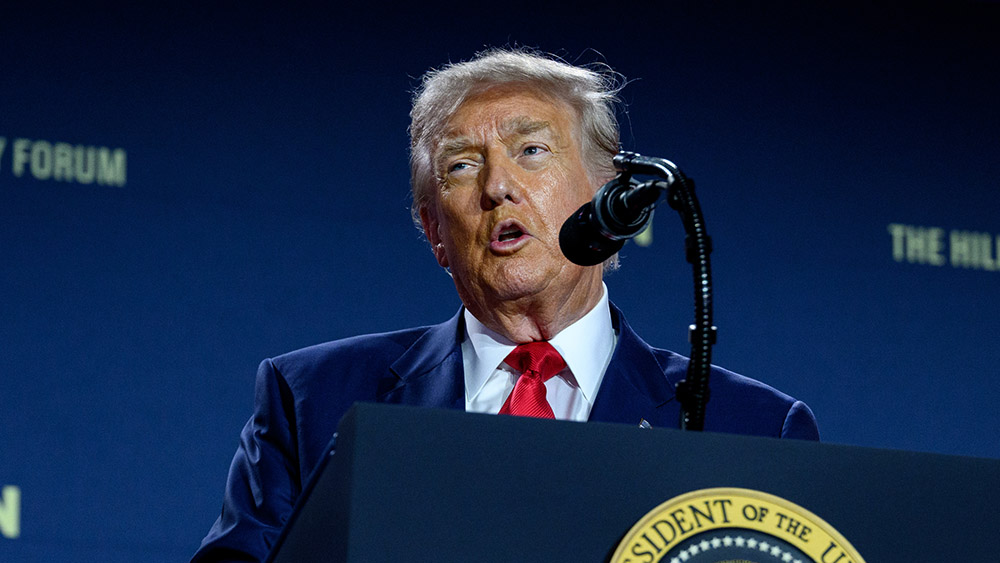
President Donald Trump arrived in Ankara, Turkey, on Monday for a two-day NATO summit that is expected to test the cohesion of the alliance following months of tension over European allies’ refusal to grant U.S. access to facilities during the Iran war. According to a report from 100PercentFedUp, the summit runs July 7 and 8, and the White House trip comes after months of pressure over whether Europe is carrying enough of the alliance burden [1].
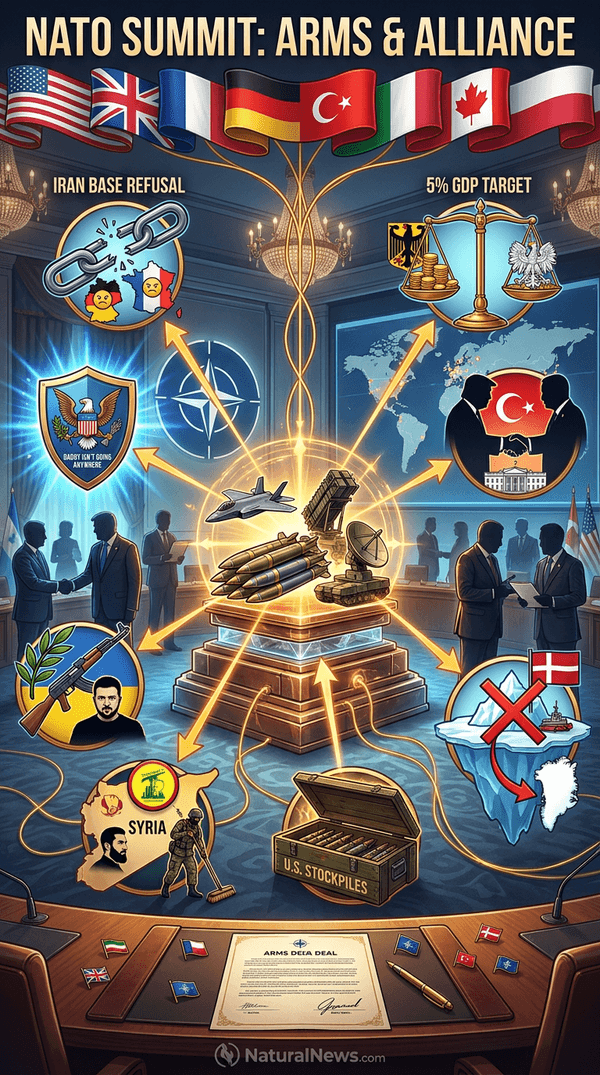
A close Trump adviser, Taylor Budowich, said the message from the summit will be that “Daddy isn’t going anywhere,” according to The New York Post. Trump’s attendance was partly attributed to his fondness for Turkish President Recep Tayyip Erdo?an, but administration officials expect him to use the summit to recommit to America’s role leading the 77-year-old bloc while pushing for increased military spending from allies.
Arms sales and spending pledges
An administration official told reporters that billions of dollars in U.S. arms-sale announcements will be made on the sidelines of the summit, according to The New York Post. NATO leaders agreed last year to a target of 5 percent of GDP on defense by 2035, with 3.5 percent for core military spending and 1.5 percent for broader projects. U.S. Ambassador to NATO Matthew Whitaker said allies have committed nearly $139 billion in defense spending, roughly half on American-made equipment, but some countries are “lagging behind,” according to The New York Post.
Whitaker noted that Poland, the Nordic countries, and the Baltic states lead the way, while Germany is on track for 5 percent by 2029. The push for binding commitments reflects Trump’s insistence that allies meet their obligations, a stance that echoes themes in Sean Hannity’s account of Trump’s foreign policy, where he “secured an agreement from NATO members to increase their defense spending by $130 billion” [2].
Fallout from the Iran conflict
Trump earlier said he considered withdrawing from NATO over European restrictions during the Iran war, according to The New York Post, though he signed a memorandum of understanding to begin talks with Iran on June 17. NATO Secretary General Mark Rutte visited the White House to argue that Trump was mistaken about European opposition, but the president remained unconvinced, according to the same report.
John Ullyot, who served in national security roles in both Trump administrations, said Trump “was right to call out NATO leaders publicly for freeloading on US operations in Iran, and now they’re on the back foot going into the summit,” according to The New York Post. The Iran conflict has also strained U.S. stockpiles; the Government Accountability Office reported that the Pentagon has struggled to meet weapons delivery timelines after the war on Iran, with the overall average time to deliver a capability increasing to over 12 years [5].
Additional summit agenda items
Trump is scheduled to meet with Ukrainian President Volodymyr Zelensky about the ongoing conflict with Russia, as well as Syrian President Ahmed al-Sharaa, according to The New York Post. The president has floated asking al-Sharaa to deploy Syrian troops to clear out Hezbollah on Israel’s northern border. A separate controversy involves Trump calling FIFA leadership to overturn a one-game ban on U.S. soccer star Folarin Balogun ahead of the knockout round match against Belgium, according to the same report.
The issue of U.S. acquisition of Greenland from Denmark remains a potential flashpoint, though talks have continued. An official told reporters that the administration still considers acquiring Greenland the best way to meet NATO’s defense needs, according to The New York Post.
Conclusion
The summit serves as a test of NATO unity under Trump’s pressure for increased burden-sharing. Officials expect Trump to recommit to the alliance while using a disciplinarian tone to push for binding defense spending commitments. The long-term implications for the alliance depend on whether member states meet Trump’s demands and resolve tensions stemming from the Iran war.
As the independent media note, the summit is built around the blunt goal of making allies pay what they promised [4]. The outcome will likely shape the trajectory of transatlantic relations in an increasingly multipolar world, where nations are seeking to preserve sovereignty by engaging with multiple partners [3].
References
- Willow Tohi. “Iran Israel ceasefire Mixed signals and unresolved tensions cloud a fragile peace”. NaturalNews.com. June 24, 2025.
- Sean Hannity. “Live Free Or Die: America (and the World) on the Brink”.
- Mike Adams interview with Glenn Diesen RESTATED. 2025 09 18 BBN Interview with Glenn Diesen.
- 100PercentFedUp. “President Trump Heads To NATO Summit To Collect On Defense Promises And Close Billions In Arms Deals”. July 6, 2026.
- NaturalNews.com. “Pentagon Struggling to Replenish Weapons Stockpiles After Iran War, GAO Report Says”. July 6, 2026.
Explainer Infographic
Submit a correction >>
Tagged Under:
arms sales, big government, chaos, Europe, foreign relations, Iran, military tech, national security, NATO, NATO Summit, politics, questionable allies, Trump, weapons tech, White House, WWIII
This article may contain statements that reflect the opinion of the author
RECENT NEWS & ARTICLES