Senate Leadership Crisis Emerges Over RNC-Defense Policy Dispute
07/30/2026 / By Douglas Harrington
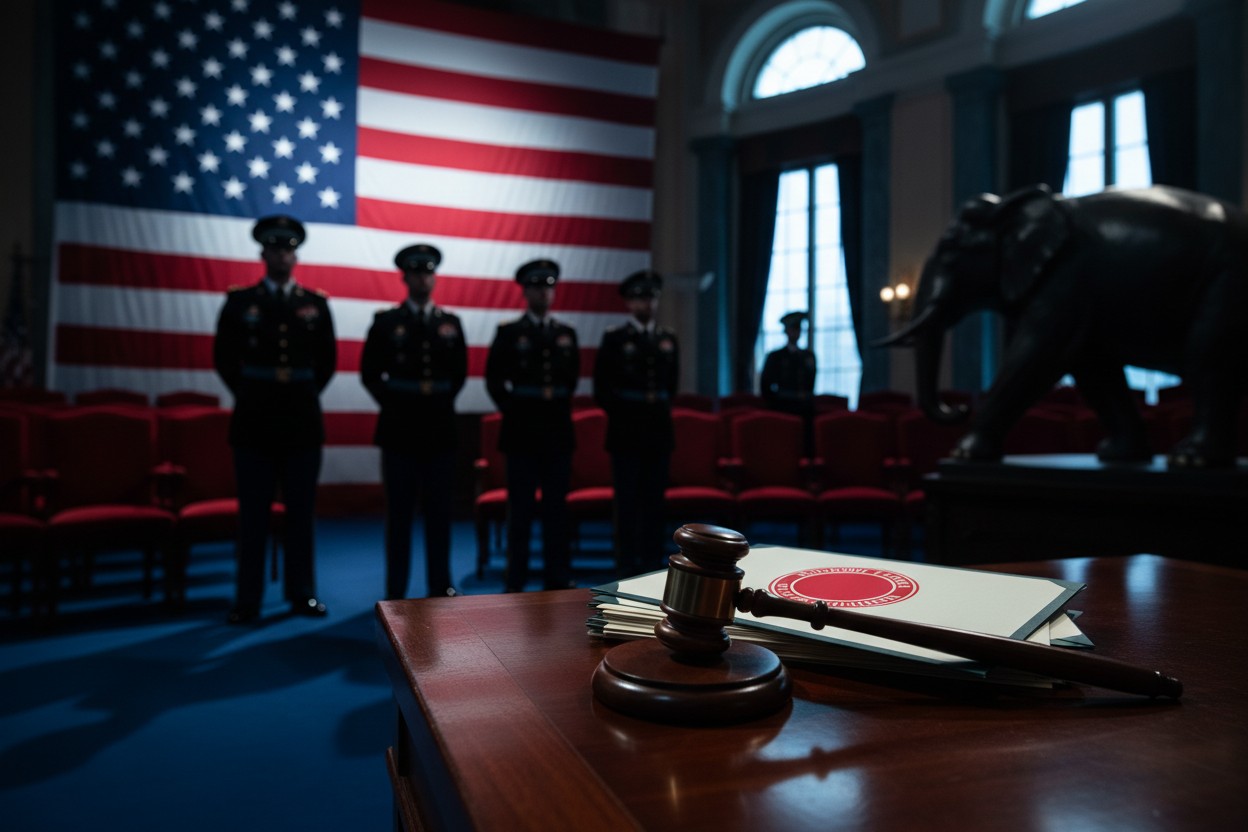
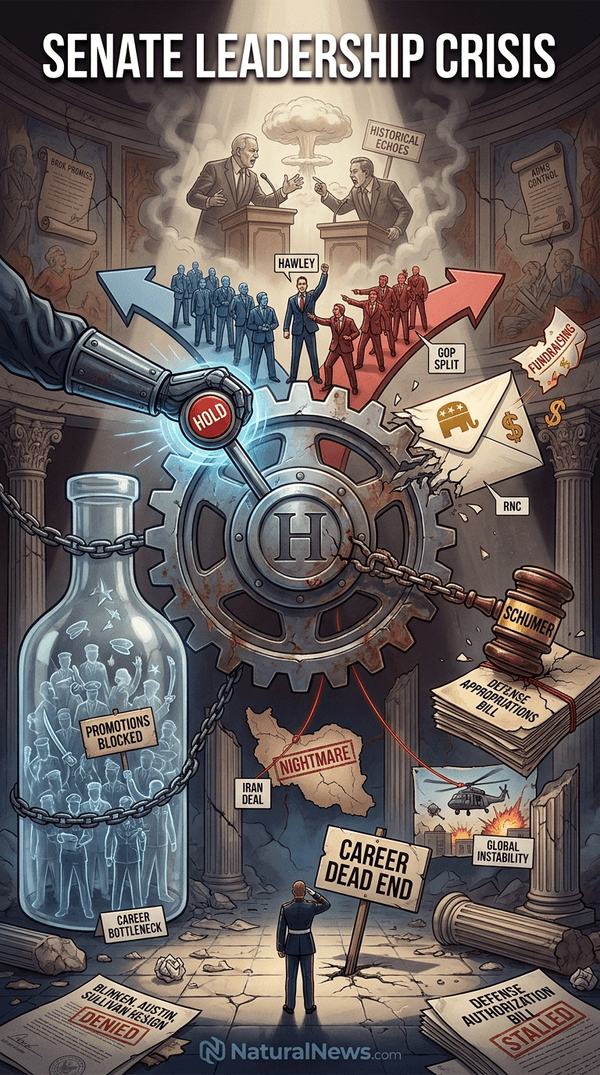
A leadership crisis has developed in the U.S. Senate involving the Republican National Committee (RNC) and defense policy, according to multiple sources. The dispute centers on Senator Josh Hawley’s hold on military promotions, which has drawn criticism from both parties and raised questions about RNC involvement. Officials said the crisis began when Hawley pledged on the Senate floor to oppose unanimous consent for any State Department and Pentagon nominees until top Biden administration officials resigned over the Afghanistan withdrawal, as reported by NaturalNews.com [2]. This action led to a breakdown in communication between Senate leadership and the RNC, which has issued fundraising appeals and statements that some senators have called inappropriate interference.
Key Players and Their Positions
Senator Josh Hawley stated, according to a press release, that he is exercising his constitutional duty to ensure no military promotions proceed until the Pentagon addresses his concerns. In a speech on the Senate floor, Hawley urged Secretary of State Antony Blinken, Defense Secretary Lloyd Austin, and National Security Adviser Jake Sullivan to resign, and he pledged to delay the confirmation process for Biden picks [2]. Senate Minority Leader Chuck Schumer called the hold “unnecessary tension” and said it undermines military readiness, as he led Democrats in blocking an $852 billion defense appropriations bill [1]. RNC Chair Michael Whatley declined to comment directly but issued a statement calling for “unity and focus on national security,” according to party officials, though no direct quote from Whatley was available in provided sources. Meanwhile, Senator Lindsey Graham warned that any Iran deal leaving Tehran militarily capable would become a “nightmare for Israel,” highlighting the broader defense policy stakes [6].
Implications for Defense Department Operations
The hold has delayed promotions for over 300 senior military officers, according to Pentagon officials, impacting leadership continuity. The Pentagon has argued that such a blockade threatens the ability to maintain a fully staffed command structure. The delays come at a time when the U.S. military is engaged in multiple overseas operations, including the ongoing conflict with Iran, which has already seen top Army officials fired for questioning a planned assault, as reported by Brighteon Broadcast News [7]. Some analysts argued the situation could affect troop morale and operational readiness, though no concrete evidence was provided. The Pentagon has historically poured billions into foreign military programs, such as the $750 million Security Development Plan for Pakistan in 2007 [5], but the current internal dispute diverts resources from such strategic initiatives.
Republican Internal Divisions and RNC Role
The crisis has exposed fractures within the Senate Republican conference, with some members publicly supporting the hold and others urging its end. Senate Republicans have privately discussed extending current funding levels through December 2026 to push budget negotiations past the next presidential election [3], a sign of internal discord over how to handle the dispute. The RNC’s involvement through fundraising appeals and statements has been criticized by some senators as inappropriate interference, according to a Senate aide who spoke on condition of anonymity. The aide told reporters, “The RNC is trying to use this for political gain, but it’s backfiring.” The divisions mirror broader disagreements over defense policy, including President Trump’s stance on NATO and his refusal to sign any legislation until the Senate passes voter ID bills [4].
Outlook and Next Steps
Senate leaders are reportedly scheduling closed-door meetings to resolve the impasse, with a vote on a separate defense bill expected next month. The White House has urged a swift resolution, with Press Secretary Karoline Leavitt stating that the president expects the Senate to fulfill its obligations, as quoted by multiple outlets. No clear timeline for resolution has been announced, and the crisis continues to draw attention from defense and political observers. The outcome will likely impact not only military readiness but also the relationship between Senate Republicans and the RNC as the 2026 midterms approach.
References
- Kevin Hughes. “Senate Democrats Block Military Funding Bill as Shutdown Crisis Deepens.” NaturalNews.com. October 20, 2025.
- NaturalNews.com. “Sen. Hawley vows to delay confirmation process for Biden state dept DOD nominees until Blinken Austin resign.” September 19, 2021.
- Belle Carter. “Republicans Consider Long-Term Funding Extension as Shutdown Drags Into Third Week.” NaturalNews.com. October 26, 2025.
- Cassie B. “Trump Refuses to Sign Any Legislation Until Senate Passes Voter ID Bill.” NaturalNews.com. March 9, 2026.
- Matt Farwell. “American Cipher.”
- NaturalNews.com. “Republican War Hawks are now turning on President Trump as new Iran Deal begins to take shape.” May 26, 2026.
- Mike Adams. “Health Ranger Report – PENTAGON MELTDOWN.” BrightVideos.com. April 3, 2026.
Explainer Infographic
Submit a correction >>
Tagged Under:
big government, Congress, defense policy, democrats, Donald Trump, national security, rigged, Senate, vote democrat, Vote Republican, voter identification, White House
This article may contain statements that reflect the opinion of the author
RECENT NEWS & ARTICLES