Trump’s new drone tariffs leave Ukraine’s billion-dollar export plans in limbo
08/14/2026 / By Cassie B.
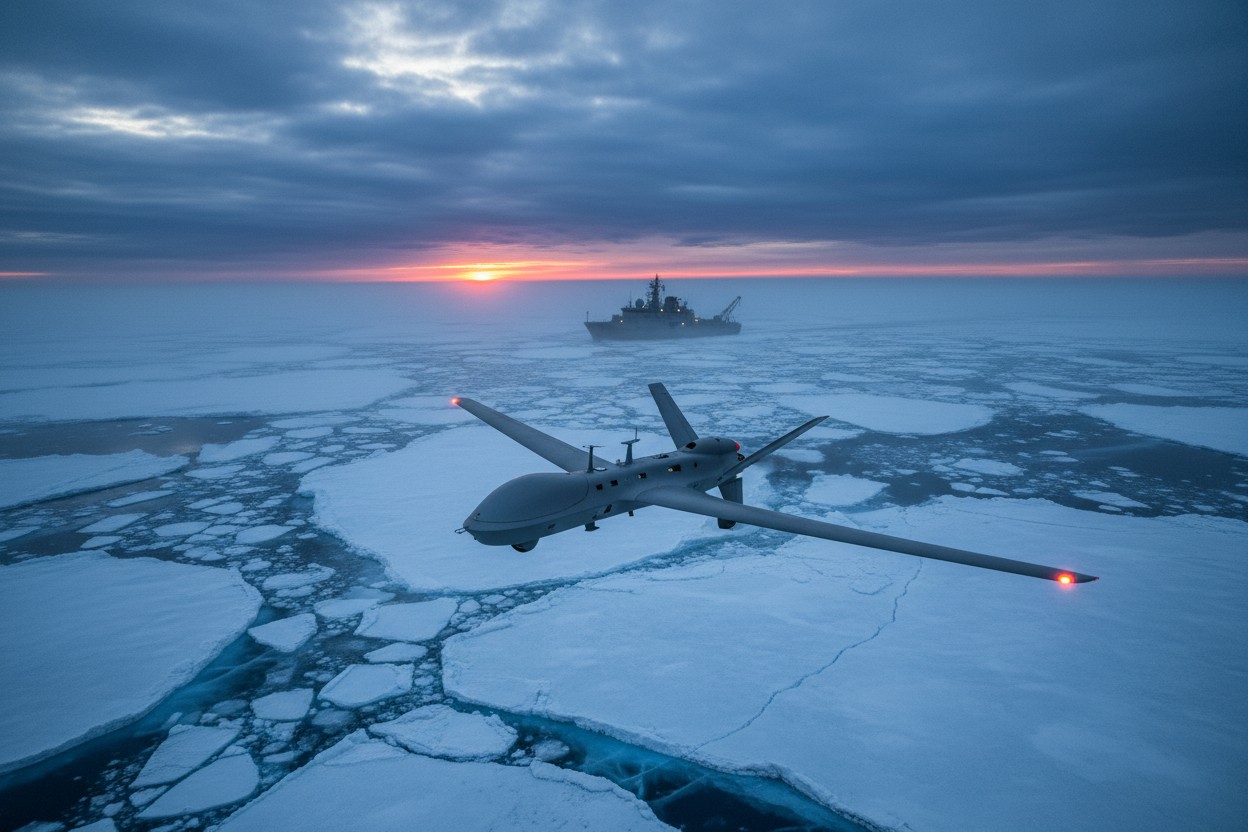
- President Trump signed a proclamation imposing tariffs of up to 100% on imported drones, with heavier and thermal-equipped models hit hardest, while smaller drones face a 25% levy.
- Ukraine was notably excluded from allied exemptions, leaving Kiev without preferential rates even as Washington previously touted a potential $10-$30 billion Ukrainian drone purchase deal.
- Commerce Secretary Howard Lutnick’s review concluded the U.S. is too reliant on foreign drone sources and that certain foreign entities pose security risks, prompting the trade action.
- Ukraine’s export ambitions are clouded by corruption scandals and missing weapons reports, which have long failed to deter Western funding but may now be checked by Trump’s tariff policy.
- The tariffs create an ironic contradiction: the same administration that praised a Ukrainian drone deal just wrote trade rules that could tax it into unworkability, with no carve-out for Kiev.
President Trump signed a proclamation Thursday imposing tariffs of up to 100% on imported drones and their components in a move that threatens to complicate Kiev’s push to sell billions of dollars’ worth of unmanned aerial vehicles to Washington. The tariffs follow a Commerce Department review that found the United States “too reliant” on foreign drone sources but notably exclude Ukraine from the list of allied nations receiving reduced rates.
Tariff tiers single out heavier and thermal-equipped drones
The proclamation sets a tiered system based on capability and origin. Drones weighing more than 25 kilograms or equipped with thermal imaging — categories the administration considers particularly sensitive to national security — face a 100% tariff, along with certain docking stations and critical components. Smaller drones lacking those capabilities are subject to a 25% levy.
Commerce Secretary Howard Lutnick “found that import penetration from foreign producers of UAS is substantial and that the United States is too reliant on foreign sources of UAS and UAS components,” Trump said in the proclamation. Lutnick also determined that drones and components from certain foreign entities pose security and safety risks, and that domestic industry does not yet produce enough to meet the country’s security needs. The measures take effect in 21 days; tariffs on less sensitive components are delayed 180 days.
Ukraine left off the list of allied exemptions
Selected partners received preferential treatment: the European Union, Japan, Liechtenstein, South Korea, Switzerland and Taiwan face a 15% tariff, while the United Kingdom received a 10% rate, provided the hardware and software originate within those countries. Ukraine was not on that list.
The omission is notable given Washington’s recent overtures toward Kiev. Trump said last month the U.S. would buy Ukrainian drones, and Reuters reported Kiev had agreed to export UAVs for the Pentagon’s “Drone Dominance” program. Ukrainian leader Volodymyr Zelensky has suggested a broader deal could eventually be worth between $10 billion and $30 billion. Neither government has said whether the planned purchases will be exempted or how the new duties might affect the proposed agreements.
Corruption scandals cloud Kiev’s export pitch
Ukrainian officials have pitched domestic weapons production as a future revenue stream, aiming to open export hubs across Europe. But the country’s defense sector remains reliant on Western military and financial support even as it seeks to become an arms exporter in its own right, and it has faced repeated corruption allegations, including probes into embezzlement and inflated procurement deals. European officials have also warned that weapons sent to Ukraine have gone missing, with some fearing the arms could reach criminal networks.
An irony buried in Trump’s own trade policy
There’s something almost self-defeating in the timing. The same administration touting a Ukrainian drone deal worth up to $30 billion just wrote the tariff rules that could tax it into unworkability — and unlike the EU or UK, Kiev got no carve-out to soften the blow. For years, corruption investigations and missing-weapons reports did little to slow the flow of Western money into Ukraine’s defense sector. Trump’s own trade policy, almost by accident, may end up doing more to check that flow than any watchdog report has.
Sources for this article include:
Submit a correction >>
Tagged Under:
big government, bubble, Donald Trump, drones, export, military tech, money supply, national security, risk, supply chain, tariffs, UAVs, Ukraine, weapons technology, White House
This article may contain statements that reflect the opinion of the author
RECENT NEWS & ARTICLES