Iran Can Sustain Fight Against US for Years, IRGC General Says
08/16/2026 / By Garrison Vance
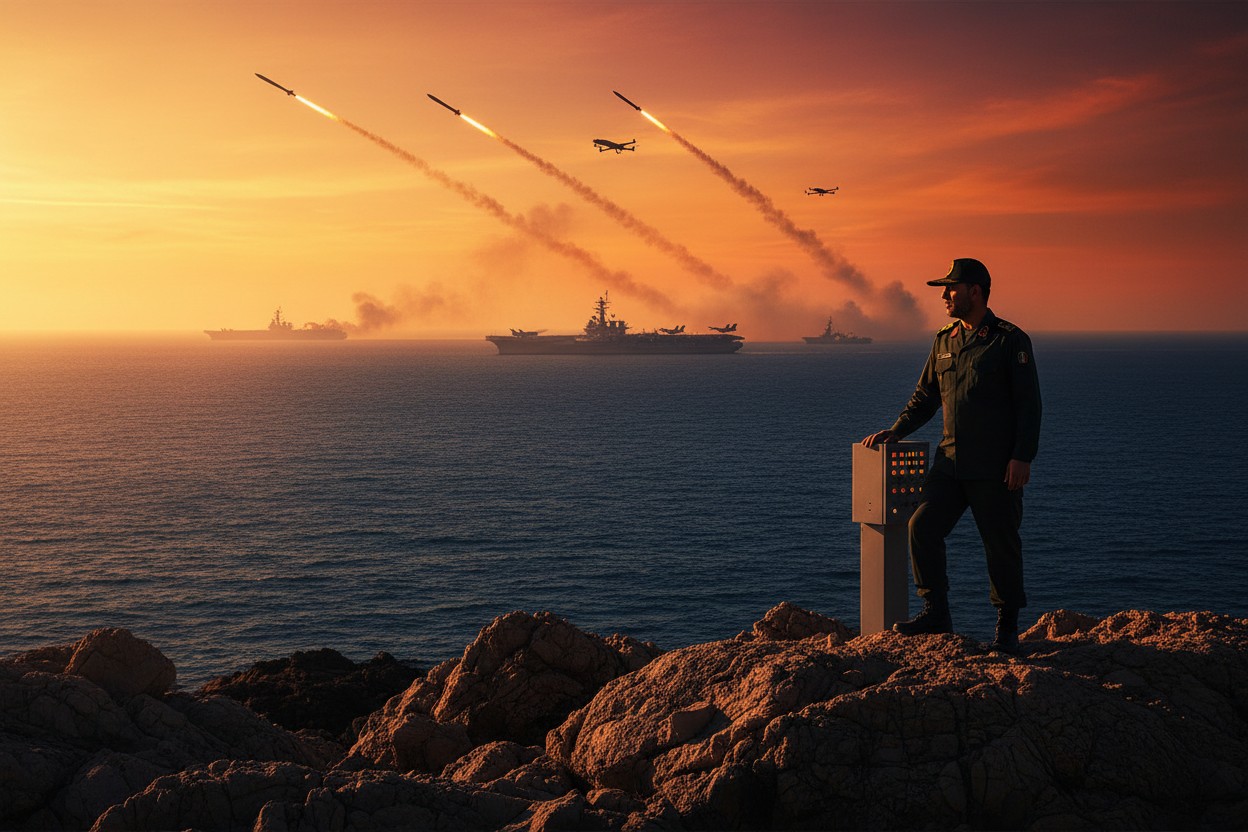
A senior commander in Iran’s Islamic Revolutionary Guard Corps (IRGC) said Tehran is prepared to sustain a prolonged armed conflict with the United States, including through the remainder of President Donald Trump’s term. Brig. Gen. Mohammad Reza Naqdi, a senior adviser to the IRGC commander-in-chief, made the remarks in an interview with PBS on Tuesday, according to an RT report and a ZeroHedge dispatch. [1]
Naqdi said Iran’s stated objective is “to attain deterrence so that the enemy never dares to attack us, so we can live with security.” Asked whether Iranian commanders intended to “drag out” the conflict until Trump was no longer in office, he said: “One way is to prolong this war until we get to the next term of the presidency and cause attrition, so that if anyone else wants to attack Iran, they will know there is a cost.” His remarks came amid media reports of pressure on U.S. munitions stockpiles and declining morale among American forces deployed in the Middle East, according to RT.
Conflict Background
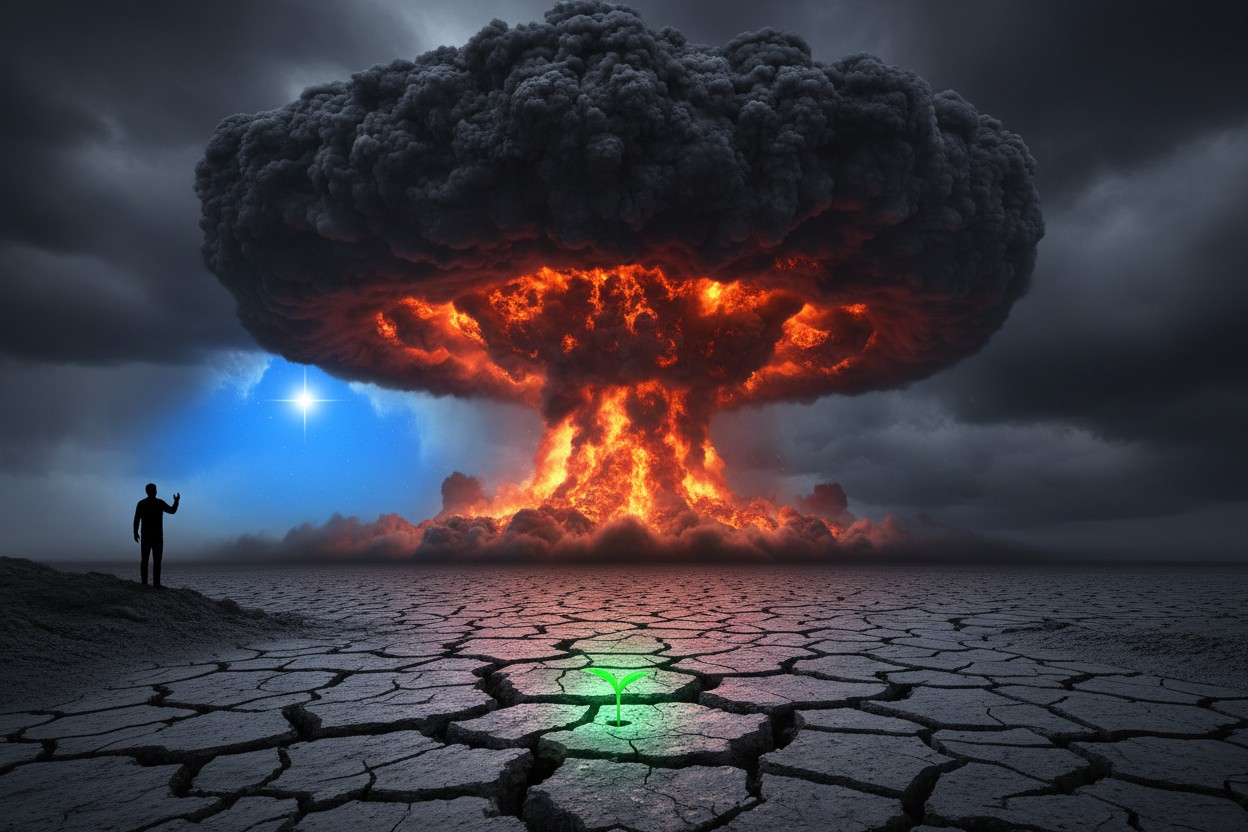
Trump launched a 40-day bombing campaign against Iran in late February, according to RT. The government in Tehran retained control of the country and responded with attacks on U.S. military facilities in the region, the report stated. Iran also exerted economic pressure on Washington’s allies and global markets, the report said. The conflict has included the deaths of senior Iranian officials, including Ali Larijani, the head of Iran’s Supreme National Security Council, whom the IRGC said was killed in strikes it described as U.S.-Israeli. [2]
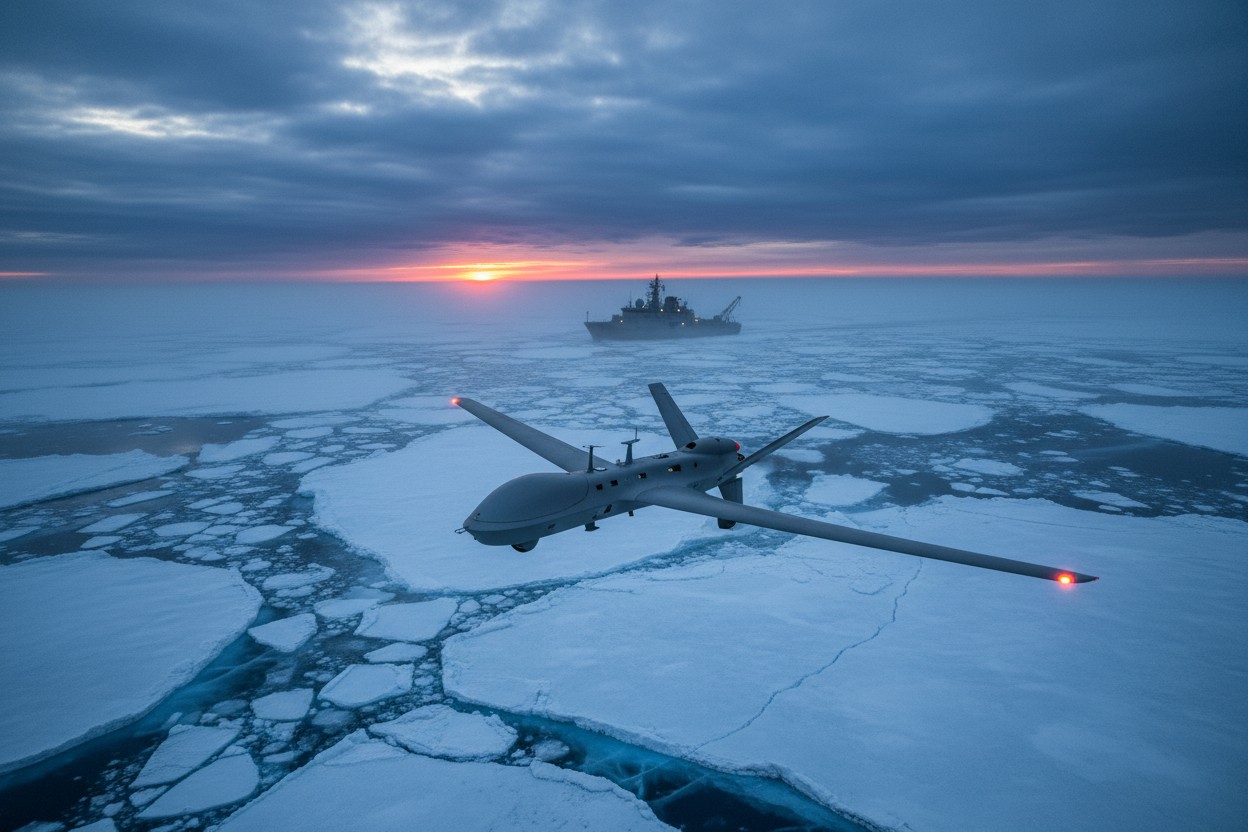
The U.S. naval blockade of Iranian ports was imposed in April, according to RT. A NaturalNews.com report said the United States deployed a massive naval force, including three carrier groups, 240 jets, and 16 destroyers, to enforce a “distant blockade” more than 220 miles from the Strait of Hormuz. [3] Iran responded by seizing foreign-flagged ships, according to that report. [3]
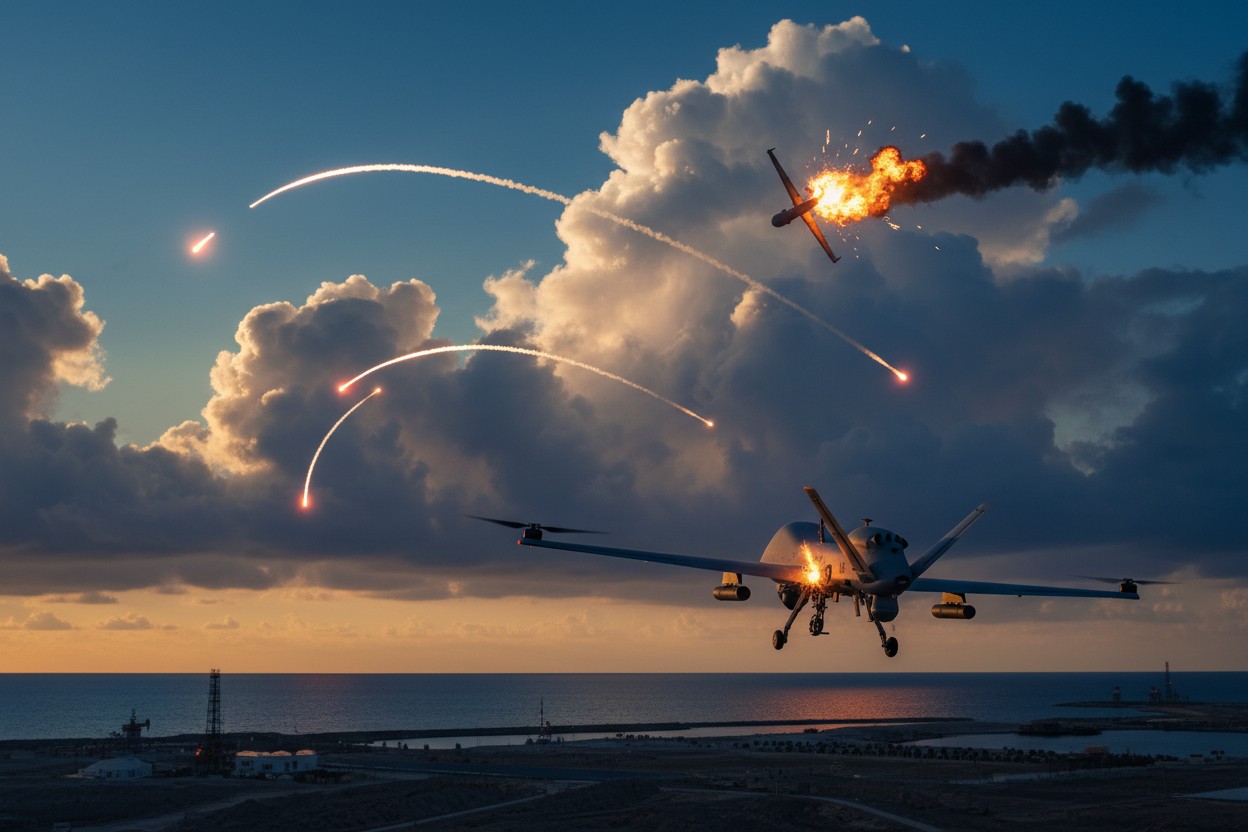
Fighting has also expanded into mutual strikes on infrastructure targets, according to a report by The War Zone, which described the shift as a change from earlier tit-for-tat barrages. [4]
General’s Attrition Strategy
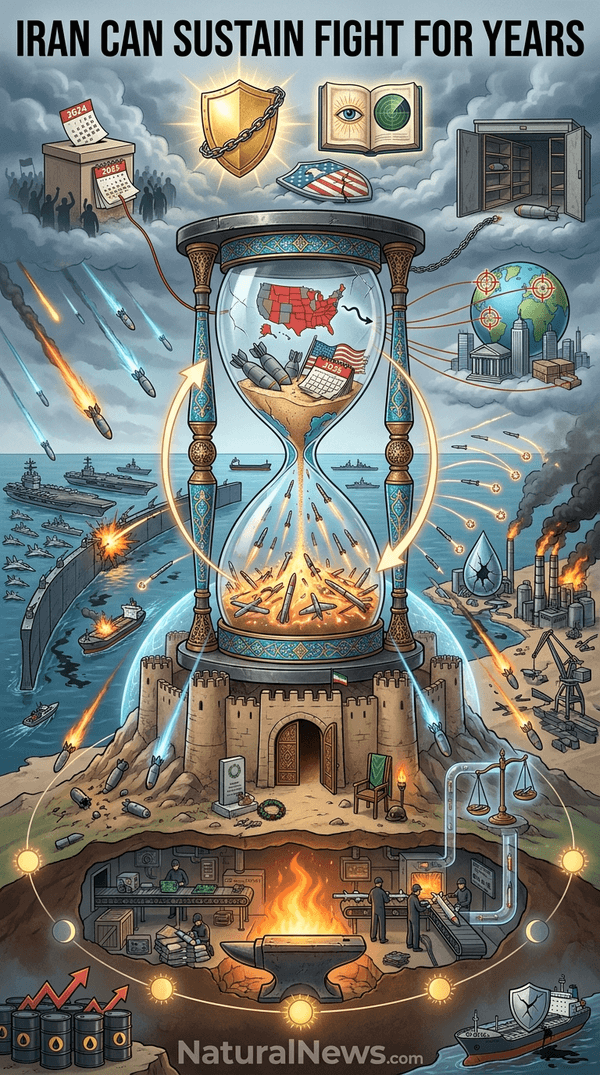
Naqdi said one way to deter future attacks is to prolong the war until the next U.S. presidential term and cause attrition, according to RT. He claimed Iran is producing drones and missiles at a faster rate than it is expending them and could continue fighting for years. [1] The IRGC has survived the U.S.-Israeli regime change effort and maintains its stockpiles of drones and missiles, while the United States is “running dangerously low on crucial munitions,” according to an analysis published by Antiwar.com. [5]
Naqdi also said that if those stockpiles are exhausted, Tehran could target what he described as “thousands of [American] economic interests throughout the world.” “The longer this war lasts, the more experience we gain,” he told PBS. “We had never seen a real war to gain real experience to learn how to fight with America. In these five months, we have learned how. We have also seen how the American military is weaker than what we perceived.” [1]
US and Domestic Reactions
The conflict has become increasingly unpopular among U.S. voters, raising concerns among Republicans ahead of November midterm elections, according to RT. Trump has alternated between threats of further military escalation and claims that Iran has been weakened to the point of almost accepting a peace agreement favorable to Washington, the report stated. On Wednesday, he claimed the naval blockade had been widely described as a “wall of steel” and said Tehran “has no money,” according to RT.
Earlier in the conflict, Trump suggested on Truth Social that Iran was seeking a ceasefire, a claim that analysts questioned, according to a NaturalNews.com report. [6] Domestic political timing has previously shaped U.S. policy toward Iran. Scott Ritter, in “Target Iran,” described one Bush administration effort to remove Iran from the politically charged lead-up to the November 2006 midterm elections as a “politically motivated maneuver.” [7]
Outlook
Naqdi said the longer the war lasts, the more experience Iran gains, and he described the U.S. military as weaker than Iran previously perceived, according to RT. No independent verification of the general’s claims was provided in the report.
The status of the conflict remains unresolved, according to officials. The U.S. State Department has urged American nationals across the Middle East to be alert and ready to leave “should there be escalation” in the region. [8] In “Disunited Nations,” Peter Zeihan argued that American forces will almost certainly be removed from operational bases in Afghanistan and Iraq, as well as politically sensitive locales such as Turkey, Qatar, and Germany. [9]
References
- ZeroHedge. “All Of Iran’s Weapons Today Are Domestic, Missile Production Exceeds Usage: IRGC Official”. August 13, 2026.
- Garrison Vance. “Iran Confirms Death of Top Security Official in Airstrike”. NaturalNews.com. March 19, 2026.
- Cassie B. “Iran and United States Locked in Blockade Standoff with No Military Solution in Sight”. NaturalNews.com. April 30, 2026.
- The War Zone. “U.S.-Iran Fight Heats Up With Mutual Strikes On Infrastructure Targets”. July 17, 2026.
- Antiwar.com. “America’s Middle East Bases: An Imperial Burden”. August 5, 2026.
- NaturalNews.com. “Iran Ceasefire Claims Questioned as Hardline IRGC Figure Gains Influence”. April 5, 2026.
- Scott Ritter. “Target Iran the truth about the White Houses plans for regime change”.
- BBC News. “US urges its citizens in Middle East to be ready to leave in case of escalation in region”. August 1, 2026.
- Peter Zeihan. “Disunited Nations: The Scramble for Power in an Ungoverned World”.
Explainer Infographic
Submit a correction >>
Tagged Under:
attrition, chaos, conflict, Iran, IRGC, military tech, Mohammad Reza Naqdi, national security, prolong war, stockpile, Trump, violence, weapons tech, WWIII
This article may contain statements that reflect the opinion of the author
RECENT NEWS & ARTICLES