U.S. energy boom cushions economy as Europe’s inflation climbs amid oil shock
10/01/2026 / By Cassie B.
- Inflation in France, Italy and Germany jumped to multiyear highs in September as the oil shock hit Europe.
- U.S. second-quarter GDP growth was revised up to 2.2%, and a key inflation gauge cooled more than expected.
- The U.S. shale boom has lifted crude output to about 13.7 million barrels a day and cut Gulf reliance to 8% of crude imports.
- Americans still feel the oil shock, with gasoline averaging about $4.15 a gallon in early September.
- Qatar’s LNG outage and Hormuz disruptions are straining Europe, which critics say neglected domestic energy.
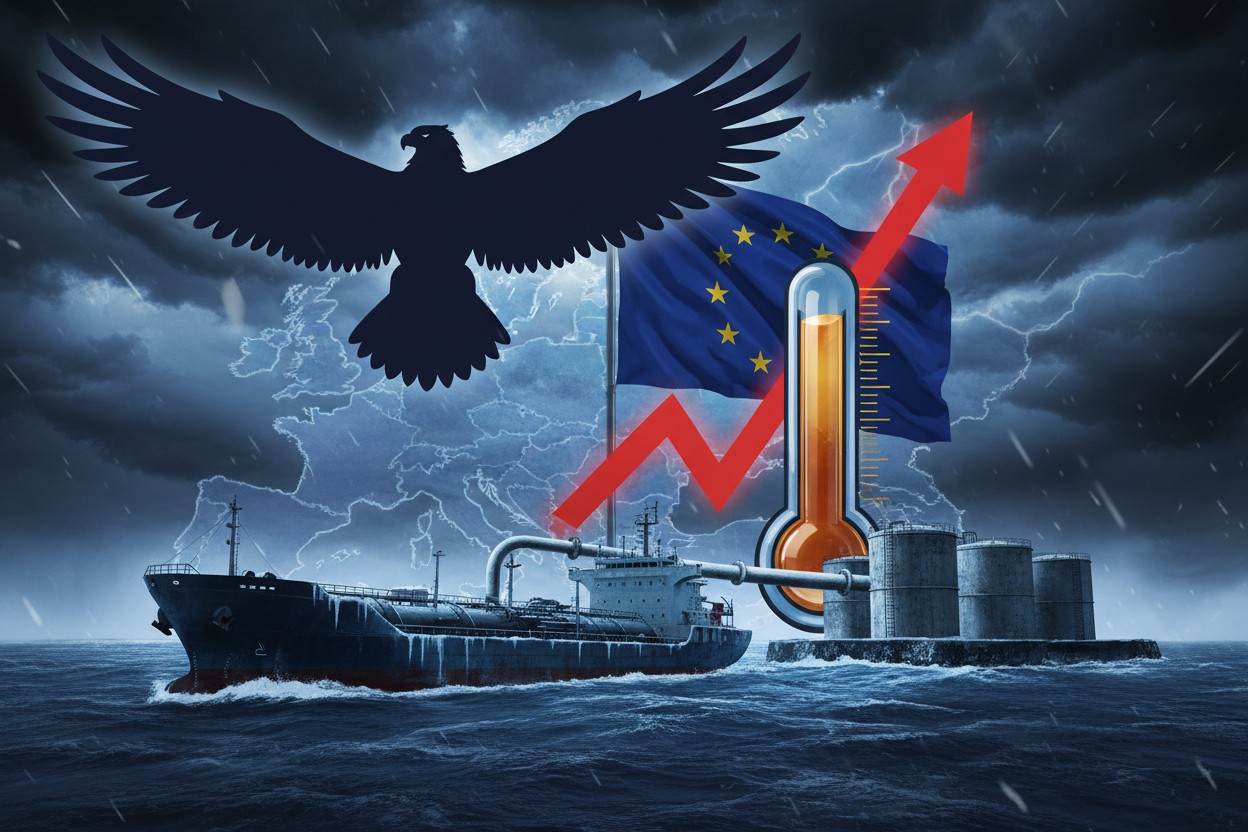
As global oil markets convulse and European nations face soaring inflation, the United States has emerged as a rare economic bright spot thanks to a decade-long transformation into the world’s dominant energy producer. While France, Italy, and Germany grapple with their highest inflation readings in years, the U.S. economy grew faster than expected in the second quarter of 2026, with a key inflation gauge cooling more than projected. The divergence highlights how energy policy decisions made years ago—and warnings that went unheeded—are now reshaping the global economic landscape.
European inflation surges while U.S. economy outperforms
Market data from late September 2026 reveals a transatlantic split on inflation and growth. Stocks in Paris and Frankfurt slid Wednesday as investors digested hotter-than-expected inflation readings. France’s inflation rate rose to a level not seen since February 2024, and Italy’s national measure reached 4.2%, up from 3.3% in August. Germany’s annual inflation hit 3.3% in September, up from 2.9% in August, according to the Independent.
The picture across the Atlantic looked markedly different. Wall Street ended the day mixed, with the Nasdaq up 0.2% and the Dow down 0.9%, but the economic data was stronger. The U.S. Bureau of Economic Analysis revised second-quarter GDP growth upward to an annual rate of 2.2%, well above the 1.5% estimated earlier.
Europe laughed off Trump’s 2018 energy warning
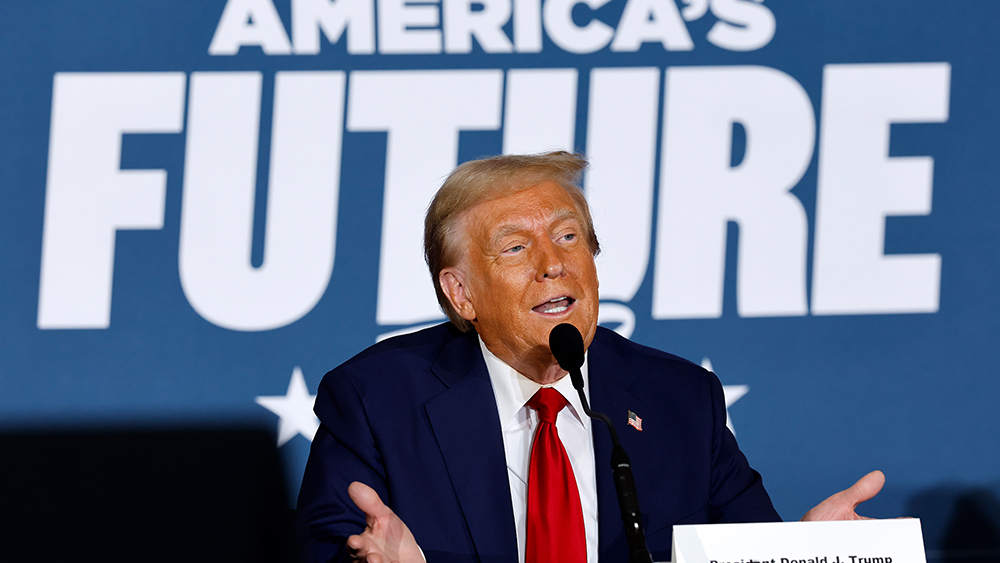
President Donald Trump warned the UN General Assembly in 2018 that Germany was becoming too dependent on Russian energy, a warning its delegation met with laughter. European policymakers instead pursued aggressive renewable energy mandates, a shift that critics such as commentator Eric Worrall say has left Europe vulnerable to supply shocks and high prices.
U.K. manufacturers say soaring energy costs are shifting output abroad. Some European leaders are now reconsidering their approaches. German Chancellor Friedrich Merz said in January, “It was a serious strategic mistake to exit nuclear energy.”
U.S. shale boom cushions the economy from global supply shocks
America’s energy transformation stems from the shale boom, which Forbes contributor David Blackmon argues Trump’s energy dominance policies accelerated in both of his terms. Energy Information Administration data show crude output averaging about 13.7 million barrels per day in the first half of 2026, on track for a record year. In 2025, the U.S. exported more petroleum overall than it imported, although it still buys crude abroad.
The Persian Gulf supplied just 8% of U.S. crude imports in 2025, the agency reports, and Blackmon puts imports from the region near 500,000 barrels per day, a steep drop from the early 2000s.
While global oil prices still affect American consumers—the national average for gasoline was about $4.15 a gallon in early September, according to AAA—limited reliance on Gulf oil gives Washington more room to maneuver, Blackmon argues, a flexibility Europe lacks.
America’s energy advantage gives Washington strategic leverage
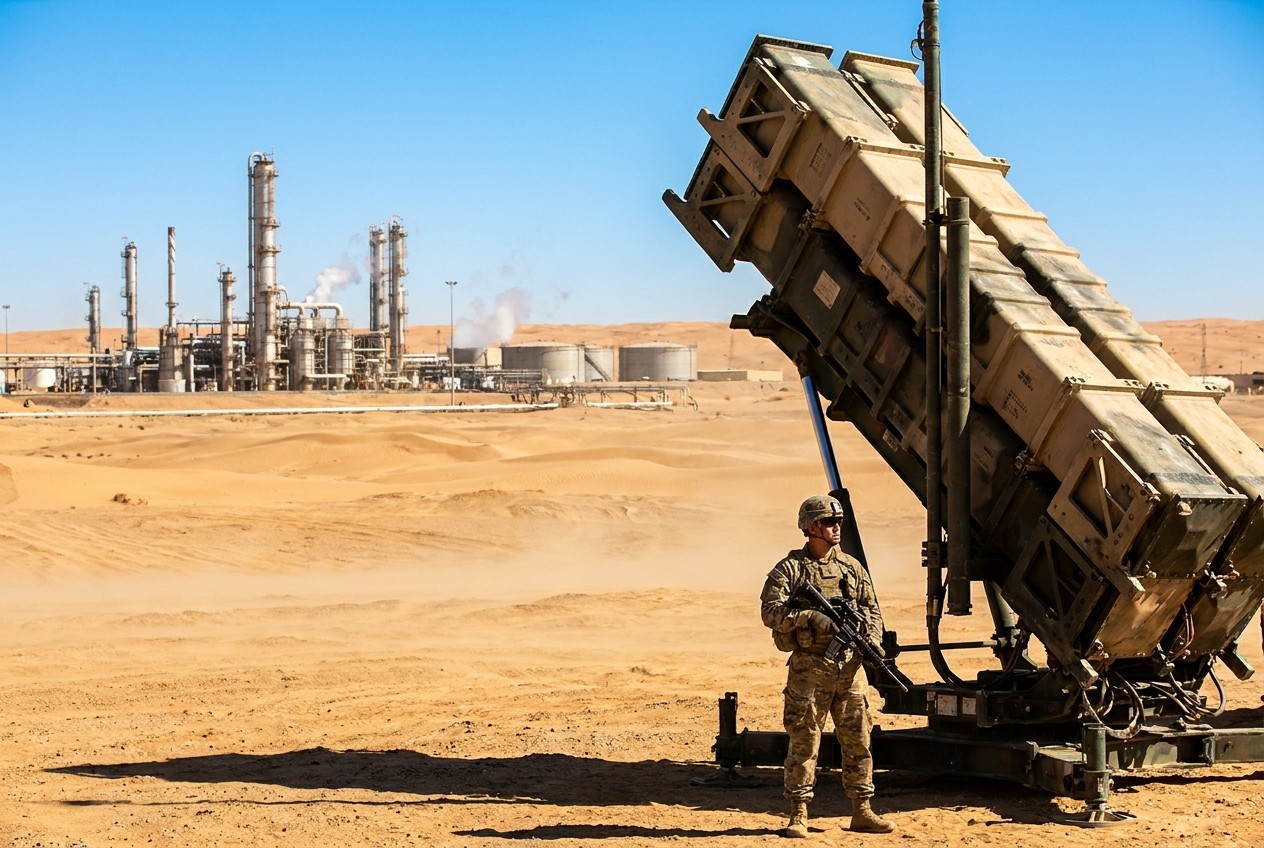
The conflict in Iran and disruptions near the Strait of Hormuz, which normally carries about a fifth of the world’s oil, have exposed the vulnerabilities of nations that neglected domestic energy production. Qatar has extended force majeure on LNG shipments to Europe and Asia after Iranian strikes damaged its Ras Laffan facility, straining European markets, while American LNG exports are helping to fill the gap.
America’s path to energy dominance has not made it immune to higher prices, but it has left the country far less exposed to supply disruptions than import-dependent nations. For European nations now paying the price for an overreliance on renewables and poor planning, there is no quick fix—and the EU has adopted a phase-out of Russian gas by late 2027 even as Gulf supplies remain disrupted.
Sources for this article include:
Submit a correction >>
Tagged Under:
big government, bubble, chaos, Collapse, debt bomb, debt collapse, Donald Trump, energy supply, Europe, fuel supply, Inflation, market crash, money supply, new energy, oil, risk, Russian oil, sanctions, supply chain
This article may contain statements that reflect the opinion of the author
RECENT NEWS & ARTICLES