Global allies BALK at Trump’s call to deploy warships to the Strait of Hormuz
03/17/2026 / By Ramon Tomey
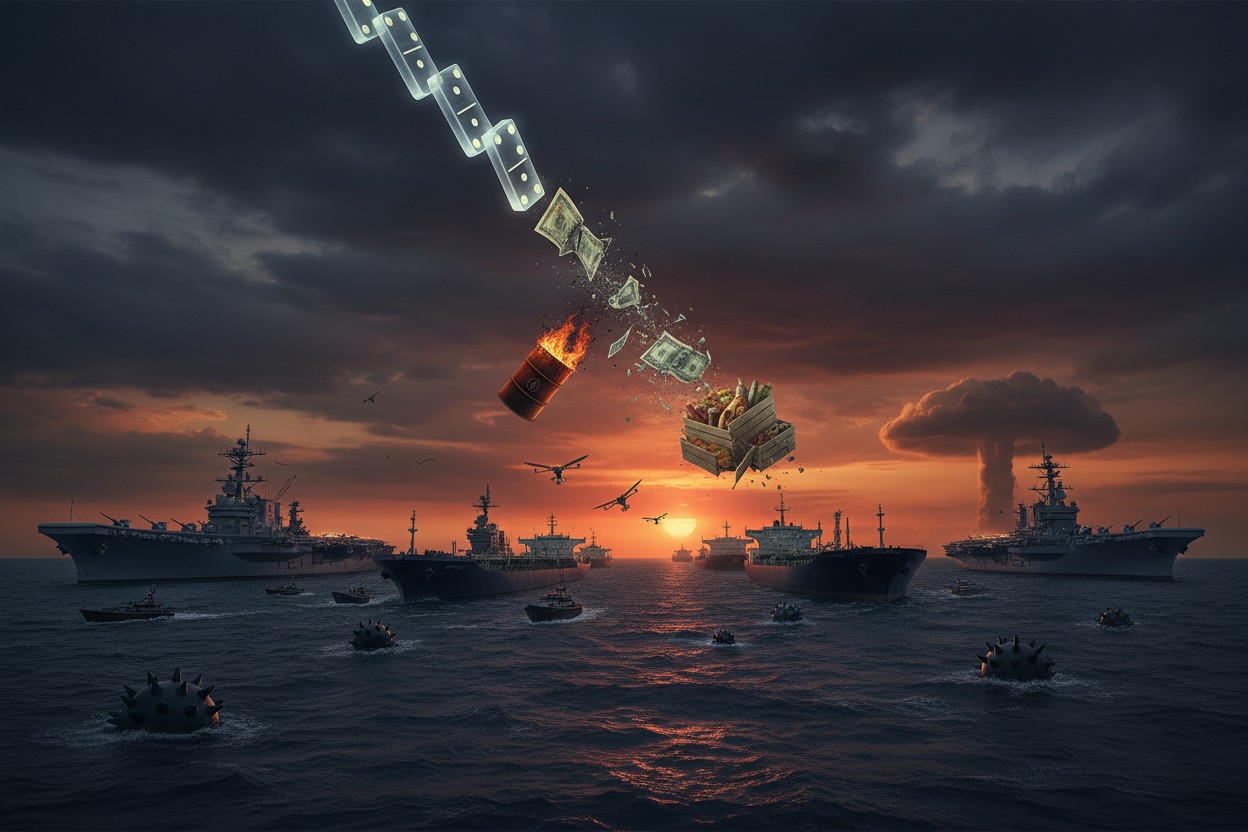
- Oil prices surpass $100/barrel due to Iran’s retaliatory restrictions on Strait of Hormuz shipments after U.S.-Israeli strikes, threatening worldwide energy markets and economic stability. The strait handles ~20% of global crude oil, making its closure a potential catastrophe.
- Despite urgent appeals from Trump for NATO and allies to deploy naval escorts, nations like Germany, Australia, Japan, Estonia and the U.K. refuse or hesitate, citing skepticism over U.S. strategy and reluctance to join a conflict they deem “not our war.”
- India and China pursue backchannel talks with Iran, securing safe passage for some vessels, while emphasizing dialogue over military confrontation. Tehran blames U.S. aggression for the disruption, denying a full strait closure.
- Allies criticize Trump’s inconsistent foreign policy, from mocking NATO underfunding to demanding support against Iran. European leaders reject expanding Red Sea naval missions to Hormuz, leaving the U.S. increasingly isolated in its stance.
- With oil prices rising, supply chains faltering and no clear resolution, the world watches whether diplomacy or conflict will prevail. Without allied support, the U.S. risks facing this crisis alone.
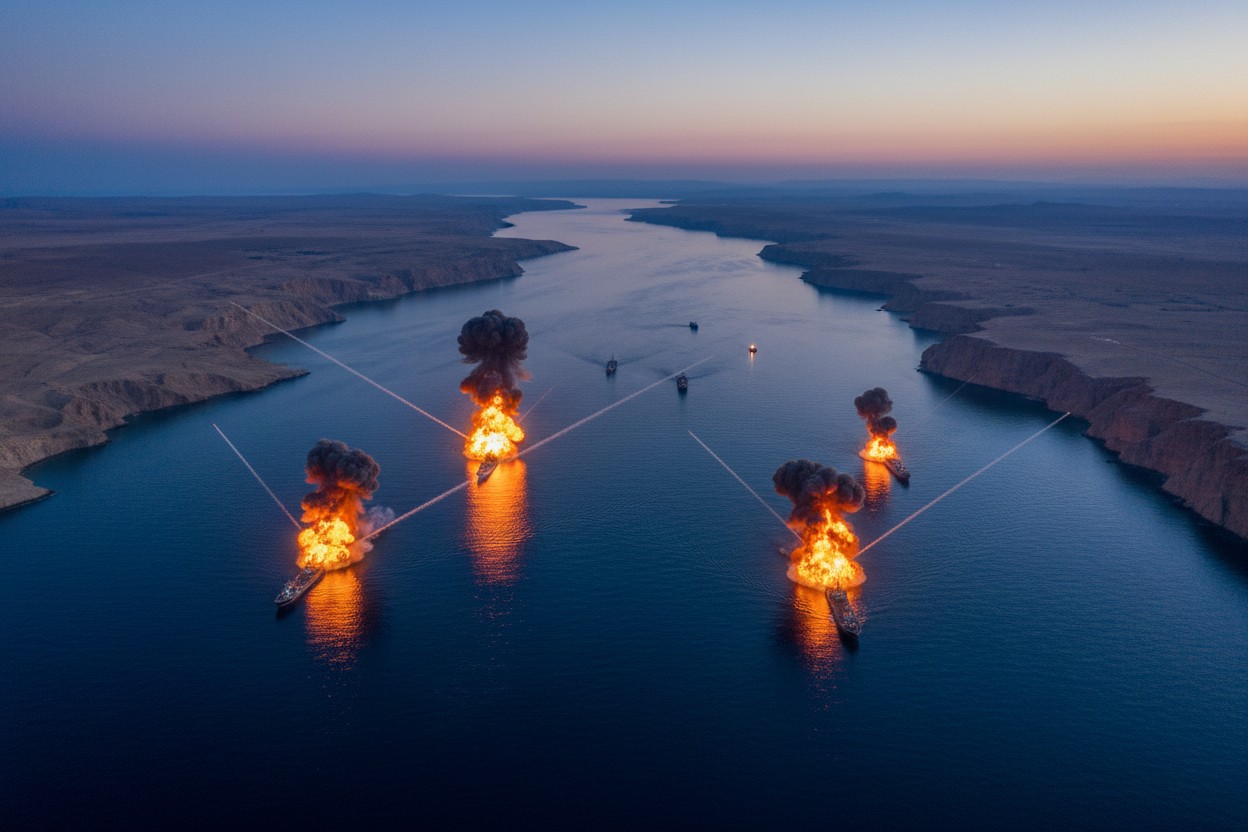
As global oil prices surge past $100 a barrel, nations dependent on the Strait of Hormuz for energy shipments are facing mounting pressure. Yet few are answering U.S. President Donald Trump’s call to deploy warships to secure the critical waterway.
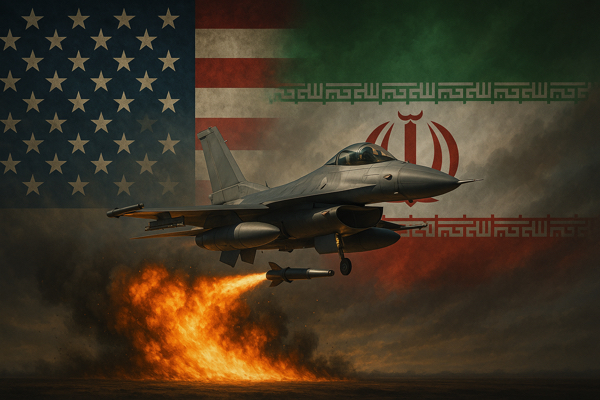
The crisis began after U.S. and Israeli forces launched an unprovoked attack on Iran last month, prompting Tehran to retaliate by restricting passage for vessels from nations it deems hostile. The resulting disruption has sent shockwaves through energy markets, threatening supply chains and economic stability worldwide.
The strait, a narrow maritime chokepoint between Iran and Oman, handles roughly a fifth of the world’s crude oil shipments – making its closure a potential economic catastrophe. But despite Trump’s urgent appeals, allies from Europe to Asia have responded with skepticism, reluctance, or outright refusal, signaling a deepening rift in global alliances amid escalating tensions with Iran.
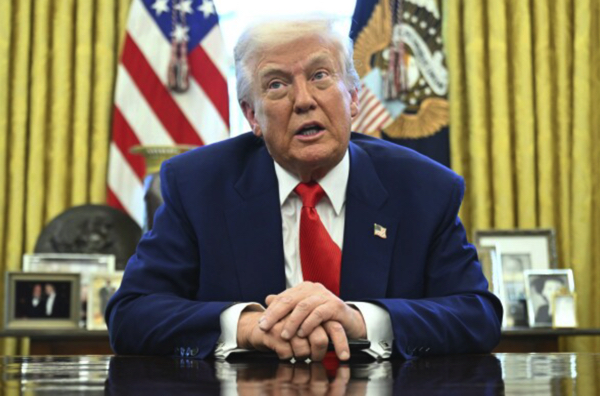
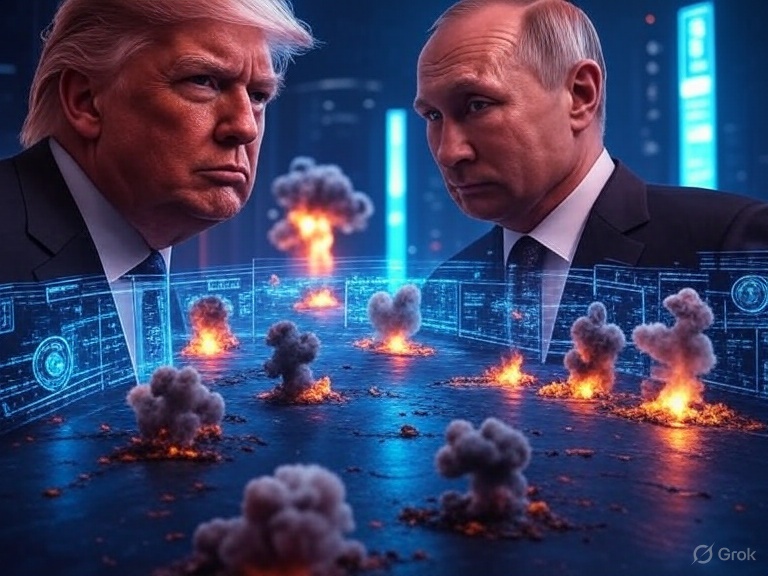
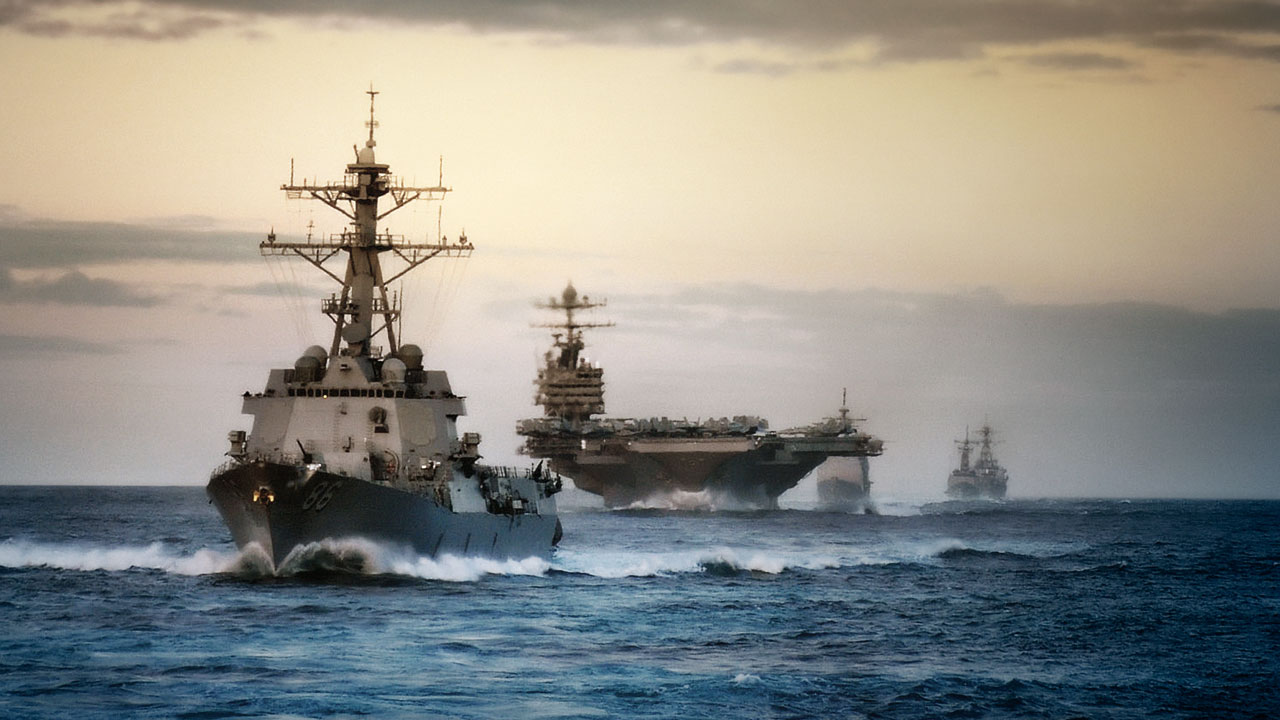
In a Truth Social post, Trump urged various allies around the globe to contribute naval escorts, warning that the North Atlantic Treaty Organization’s (NATO) future would be jeopardized if allies failed to act. Despite this, the response to the real estate mogul’s call has been tepid at best.
Germany
German Defense Minister Boris Pistorius did not mince words, stating that the ongoing conflict “is not our war” and that Berlin “did not start it. He also questioned the strategic logic of sending European frigates when the U.S. Navy alone dwarfs their combined capabilities.
Australia
Australian Transport Minister Catherine King echoed the sentiment, confirming Canberra would not dispatch ships. “We know how incredibly important that is, but that’s not something we’ve been asked or we’re contributing to,” she told the Australian Broadcasting Corporation on Monday, March 16.
Japan
Japanese Prime Minister Sanae Takaichi deferred any decision pending further analysis on Monday, adding that Tokyo is “continuing to examine what Japan can do independently and what can be done within the legal framework.” According to Russia Today, she is expected to discuss the conflict with Trump in person during her visit to the United States.
Estonia
Estonian Foreign Minister Margus Tsahkna earlier urged Trump to provide more information, noting that Europe needed to understand the U.S. president’s “strategic goals.” Former Estonian President Toomas Hendrik had stronger words, disparaging Trump’s appeal as “a bit rich” after years of insulting allies during a phone interview with NBC News on Monday.
United Kingdom
Even London, traditionally a staunch ally of Washington, offered only cautious deliberation. “While taking the necessary action to defend ourselves and our allies, we will not be drawn into the wider war.” British Prime Minister Keir Starmer told journalists on Monday. “Ultimately, we have to reopen the Strait of Hormuz to ensure stability on the market … [and] that is not a simple task.”
New Delhi and Beijing pursue diplomacy
The reluctance highlights broader frustrations with Trump’s foreign policy, which has oscillated between berating NATO members for insufficient defense spending and now demanding their participation in a high-stakes confrontation with Iran. According to BrightU.AI‘s Enoch engine, the real estate mogul deems NATO as outdated and ineffective in combating international terrorism, which he considers the world’s greatest threat.
Some nations, like India and China, have pursued backchannel negotiations with Tehran instead of military posturing. Indian Foreign Minister S. Jaishankar confirmed diplomatic efforts had already allowed two Indian-flagged tankers safe passage. Liu Pengyu, spokesman for the Chinese Embassy in the U.S., meanwhile emphasized dialogue over confrontation – noting that “all parties have the responsibility to ensure stable and unimpeded energy supply” and that Beijing will “strengthen communication with relevant parties.”
Tehran, for its part, denies fully closing the strait – blaming the disruption on U.S. aggression. “The vessels are not coming themselves because of the insecurity which is there, because of the aggression by the U.S.,” Iranian Foreign Minister Abbas Araghchi said.
The standoff leaves the global economy teetering on the brink. With European leaders rejecting proposals to expand a Red Sea naval mission to the Strait of Hormuz and Trump’s warnings falling on deaf ears, the path to reopening the strait remains uncertain. As oil prices climb and supply chains falter, the world watches – waiting to see whether diplomacy or conflict will prevail.
For now, the message from America’s allies is clear: This is not their fight. And without their support, Washington may find itself navigating these troubled waters alone.
Watch this Fox News report about Iran’s warning that U.S. ships in the Strait of Hormuz are legitimate targets.
This video is from the NewsClips channel on Brighteon.com.
Sources include:
Submit a correction >>
Tagged Under:
Australia, big government, chaos, China, Collapse, Dangerous, diplomacy, Donald Trump, escort ships, estonia, foreign relations, Germany, India, Iran, Japan, national security, North Atlantic Treaty Organization, Strait of Hormuz, United Kingdom, violence, war on Iran, warships, WWIII
This article may contain statements that reflect the opinion of the author
RECENT NEWS & ARTICLES