Iran seeks full American military withdrawal from Persian Gulf as U.S. allies retreat
03/17/2026 / By Lance D Johnson
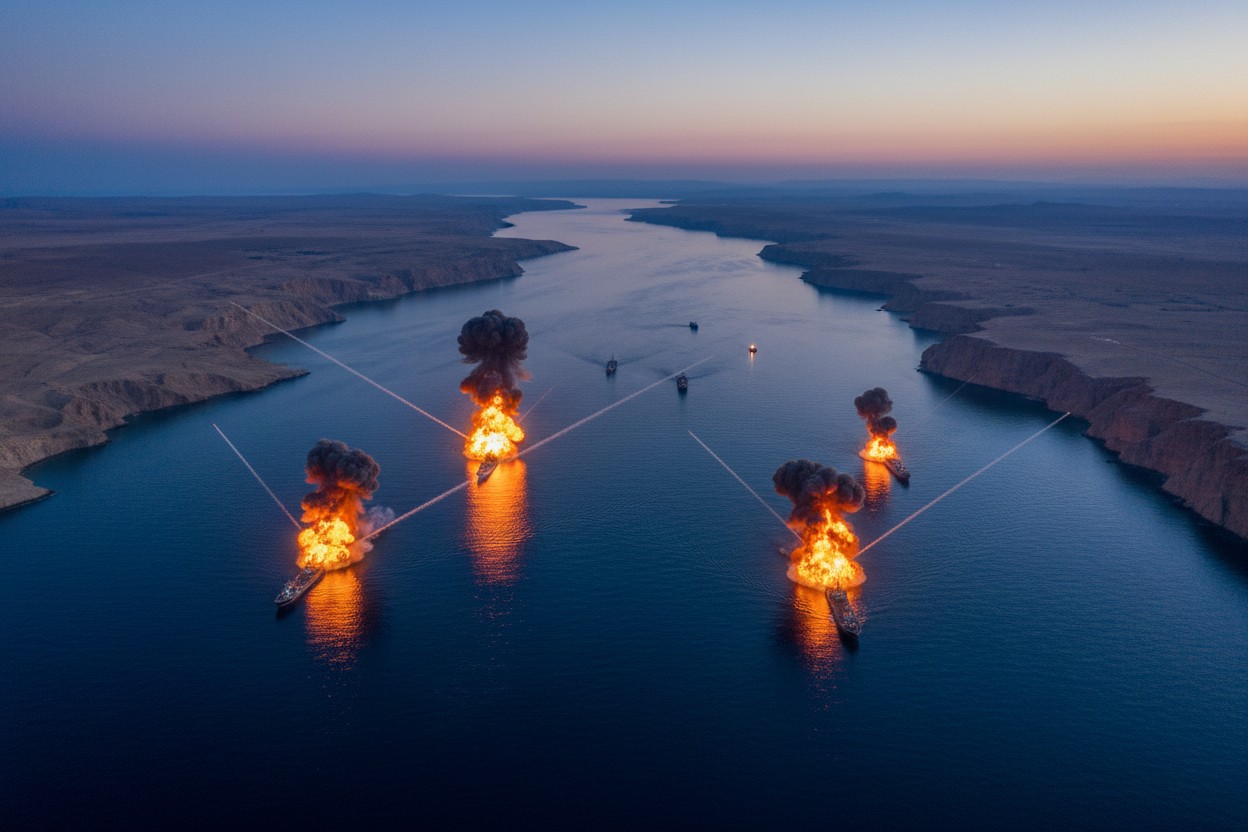
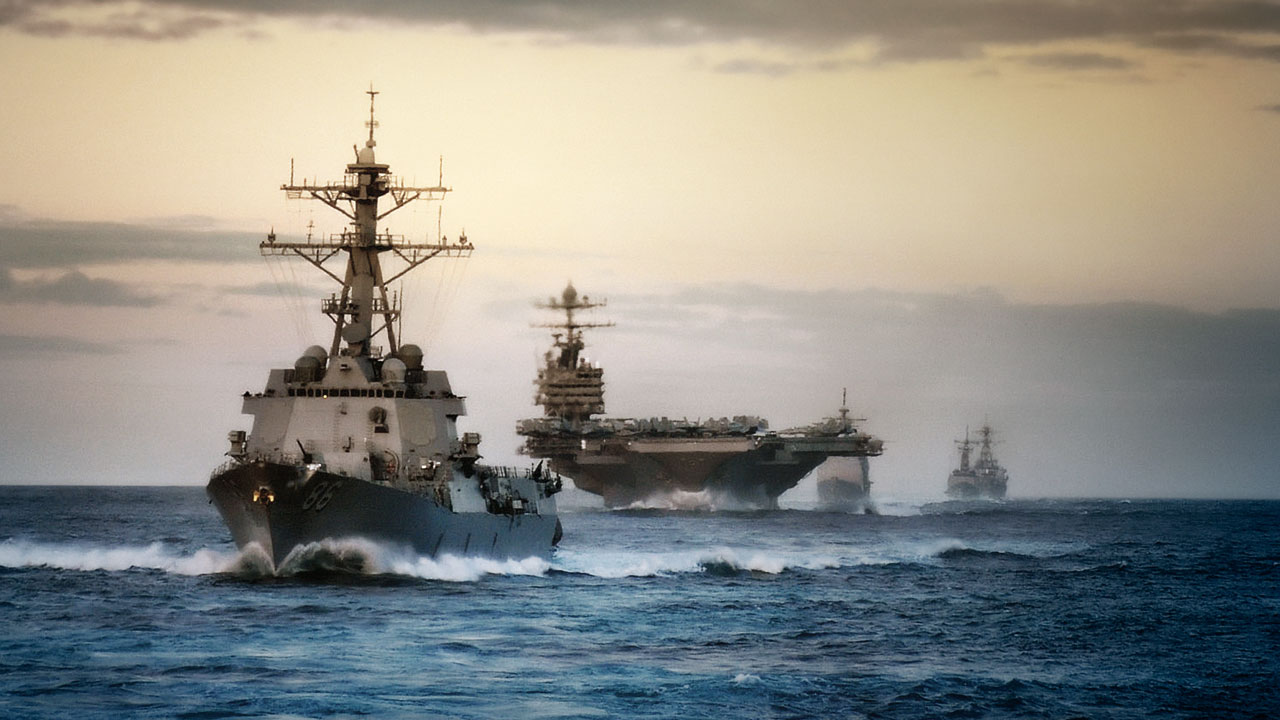
The myth of American military invincibility is crumbling in the Persian Gulf. A reckless U.S.-Israeli military campaign, initiated with boasts of swift victory, has instead ignited a resilient Iranian counter-punch that has rewritten the rules of regional power. With NATO countries refusing further participation and global energy markets teetering, the United States and Israel are being pushed toward a ceasefire not on their terms, but on Iran’s. The result is a stunning strategic reversal: Iran is gaining control over the world’s most critical oil choke-point, leveraging its newfound resistance to dictate terms that include a full American military withdrawal from the region.
Key points:
- A senior Iranian official has declared that peace is contingent on the U.S. removing its military forces from the Persian Gulf, demanding reparations and security guarantees.
- The U.S. and Israel’s “Operation Epic Fury” has failed to achieve strategic objectives despite tactical strikes, triggering an Iranian response that has effectively closed the Strait of Hormuz to traffic.
- Iran’s asymmetric warfare, including missile and drone attacks on U.S. bases and partner nations, has exposed critical vulnerabilities, with over 55,000 U.S. troops in the region at risk.
- NATO allies are refusing to participate in further escalation, isolating the U.S. and Israel diplomatically and militarily.
- The conflict has triggered a looming global energy crisis, with oil prices predicted to spike catastrophically, forcing a recalculation in Washington and Tel Aviv.
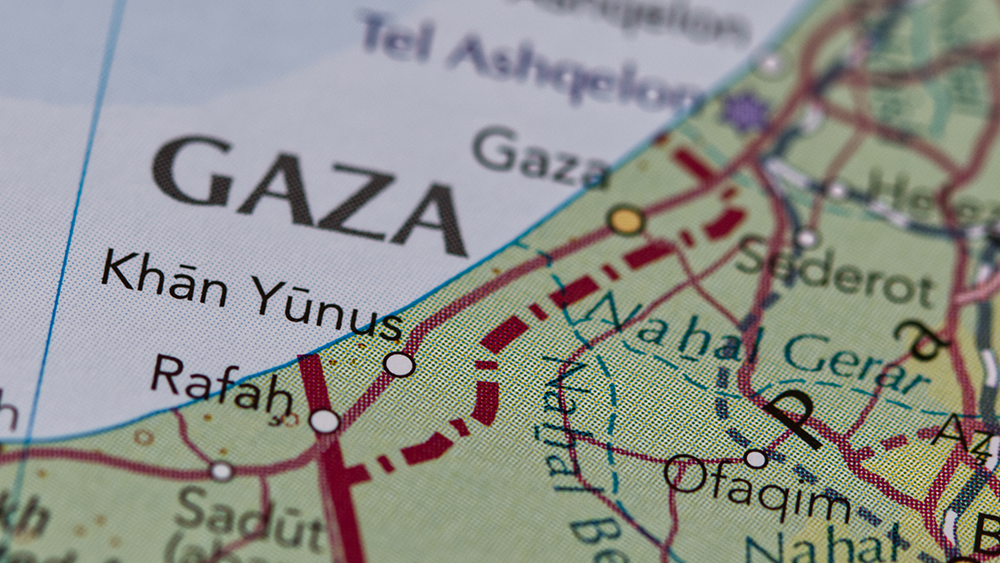
The current crisis, dubbed Operation Epic Fury by the U.S. and Roaring Lion by Israel, began with massive airstrikes on February 28th. The opening salvo killed Iranian Supreme Leader Ayatollah Ali Khamenei and senior commanders, while a subsequent strike on the Shajarah Tayyibah girls’ school killed at least 175, mostly children. President Donald Trump framed the campaign as a move to achieve “UNCONDITIONAL SURRENDER,” aiming to degrade Iran’s nuclear and military capabilities.
However, this war of choice ignored decades of geopolitical shifts and intelligence. U.S. assessments have consistently stated Iran is not actively building a nuclear weapon, and its conventional military strength has grown substantially. Analysts warned that Iran’s vast territory, advanced missile arsenal—including hypersonic weapons—and network of proxies made a quick victory impossible. The U.S. military, weakened by decades of over-extension, lacks the capacity for a ground invasion, leaving only air bombardment as a tool, a tool that cannot secure territory or achieve political surrender.
The attritional battlefield and NATO’s retreat
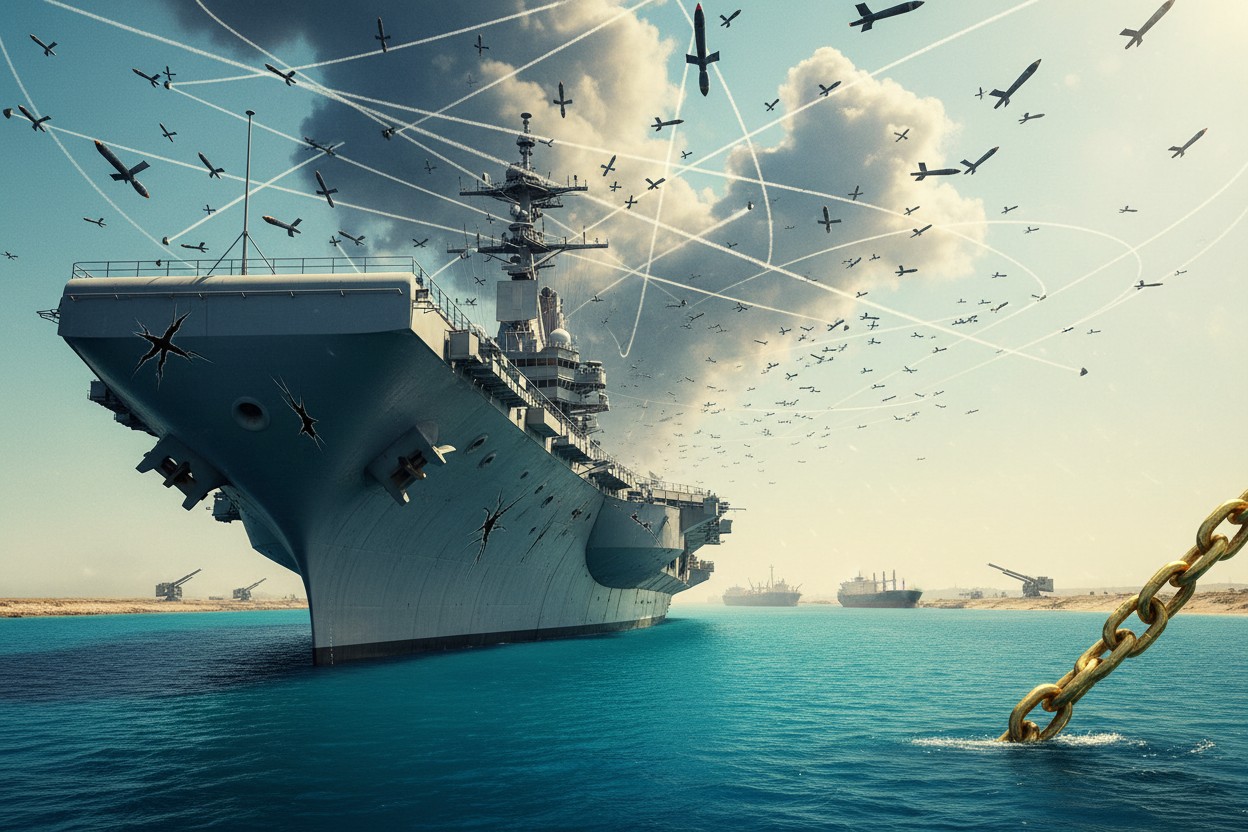
Iran’s response was immediate and strategically shrewd. It closed ranks, elevating Mojtaba Khamenei as the new Supreme Leader, and launched a campaign of attrition. By targeting U.S. bases across the Middle East and, crucially, partner nations in the Gulf with missiles and drones, Iran demonstrated it could inflict severe costs. Most significantly, it effectively halted traffic through the Strait of Hormuz, through which roughly one-third of global seaborne oil passes, sending shockwaves through the world economy.
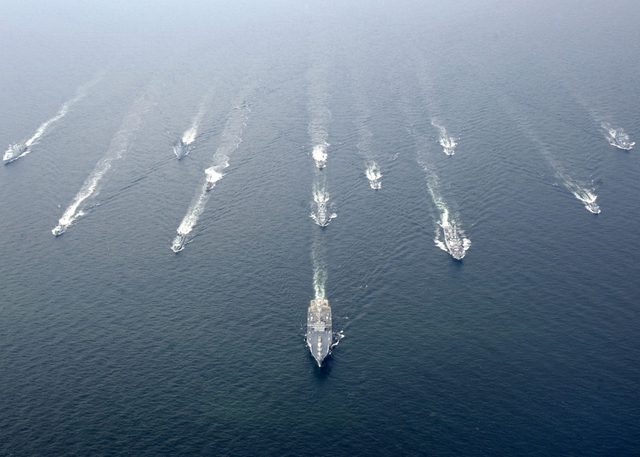
This move exposed the fragile foundation of the U.S. position. The approximately 55,000 American troops stationed in bases across Iraq, Kuwait, Qatar, and the UAE suddenly became high-value targets in range of Iranian missiles. Nations hosting these bases, many of whom opposed the war, faced economic ruin and domestic fury as Iranian retaliation hit their soil. This reality has led to a critical fracture: NATO allies, recognizing the suicidal nature of further escalation and the dubious pretexts for the war, are now refusing to participate. This diplomatic and military isolation leaves the U.S. and Israel alone to face the consequences of a widening conflict they can no longer control.
The unavoidable path to an Iranian-dictated ceasefire
Faced with a resilient enemy, abandoned by allies, and staring down a global energy catastrophe, the U.S. and Israel are being forced to seek an exit. Iranian officials have been unequivocal about the price. Mohsen Rezaee, a senior figure in Iran’s power structure, stated the “main cause of insecurity” is the U.S. military presence, listing its withdrawal as a key precondition for peace alongside reparations. President Masoud Pezeshkian echoed the demand for “recognition of Iran’s legitimate rights” and reparations.
The demand for a U.S. withdrawal from the Persian Gulf is not mere posturing; it is a reflection of a new strategic reality. Iran has demonstrated an ability to hold the global economy hostage and threaten every American asset in the region. The U.S. can claim a tactical victory in damage inflicted, but Iran is poised to claim the strategic victory by surviving the onslaught and proving its capacity for devastating retaliation. The world is witnessing a fundamental shift: the era of unchallenged U.S. military coercion in the Middle East is over, and a ceasefire, when it comes, will mark not a peace between equals, but a recognition that Iran now holds decisive leverage over the Persian Gulf.
Sources include:
Submit a correction >>
Tagged Under:
attrition, ceasefire, chaos, Collapse, disaster, drones, energy crisis, energy report, energy supply, geopolitics, Globalism, Iran, Israel, Khamenei, Middle East, military, military tech, missiles, national security, NATO, oil, Persian Gulf, reparations, sanctions, Strait of Hormuz, supply chain, terrorism, Trump, Tyranny, United States, violence, weapons tech, WWIII
This article may contain statements that reflect the opinion of the author
RECENT NEWS & ARTICLES