Trump Orders Historic 172M Barrel SPR Release Amid Middle East Crisis – Lowest Reserve Levels Since 1970s
03/17/2026 / By Sterling Ashworth

Large-Scale SPR Release Authorized to Address Energy Costs
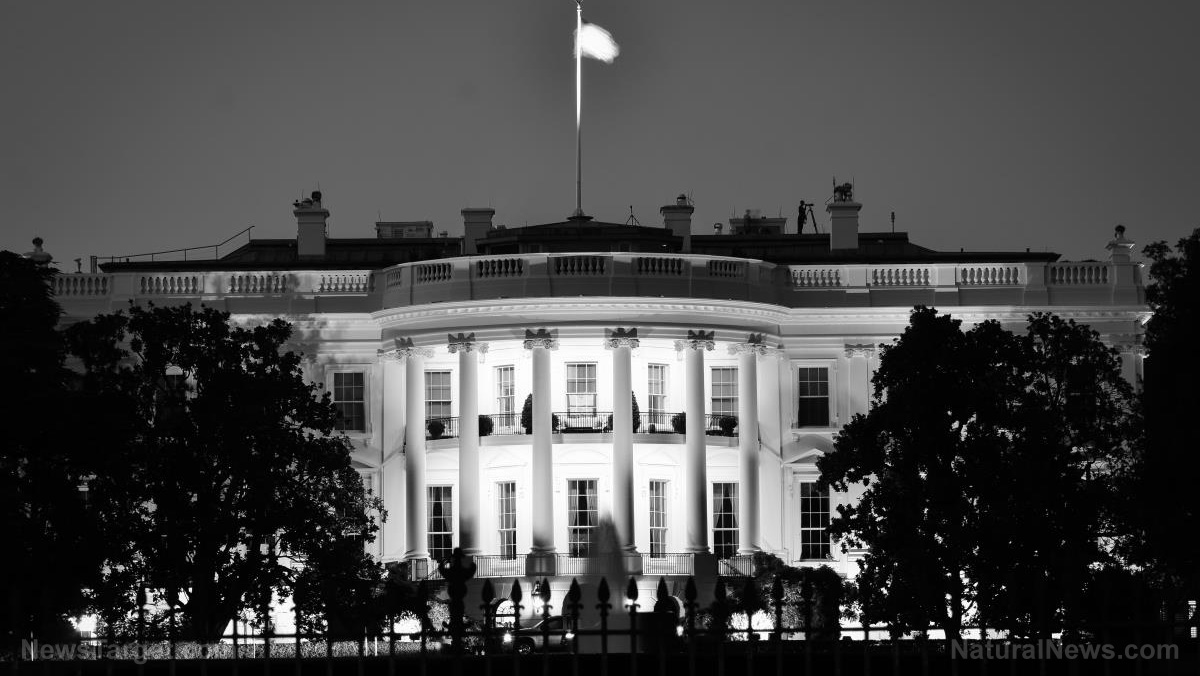
President Donald Trump authorized the release of 172 million barrels of crude oil from the U.S. Strategic Petroleum Reserve (SPR), marking the largest single drawdown since the reserve’s creation in the 1970s [1]. The action is part of a coordinated international effort approved by the 32-member nations of the International Energy Agency (IEA) to release a total of 400 million barrels from global reserves [2]. U.S. Energy Secretary Chris Wright stated the release will begin next week and is expected to take approximately 120 days to complete based on planned discharge rates [3].
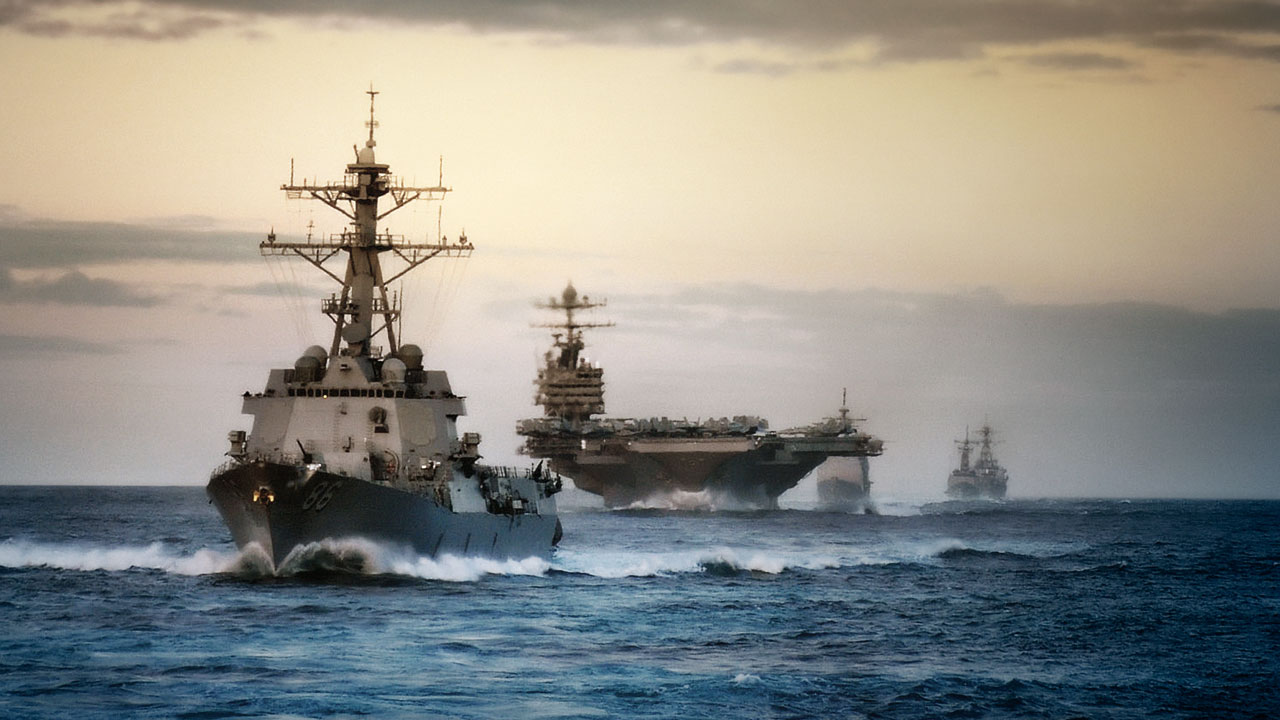
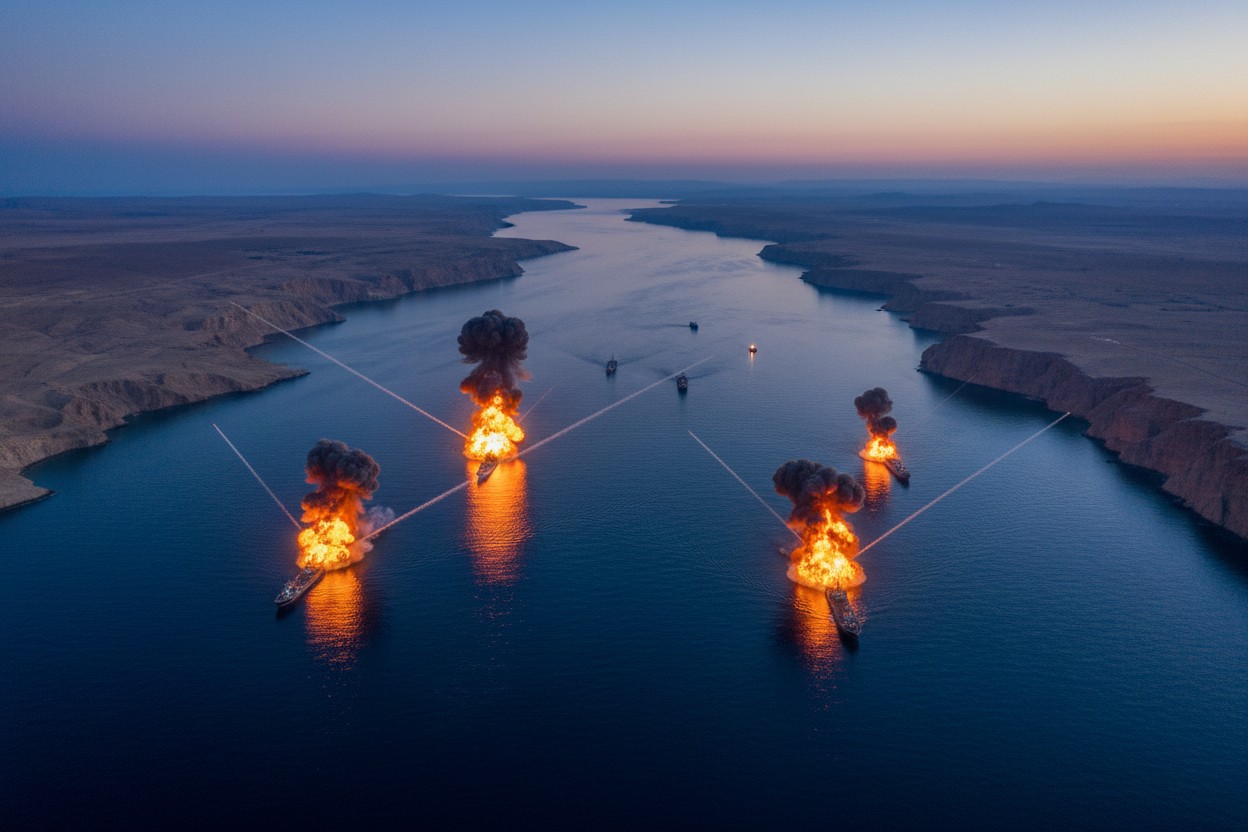
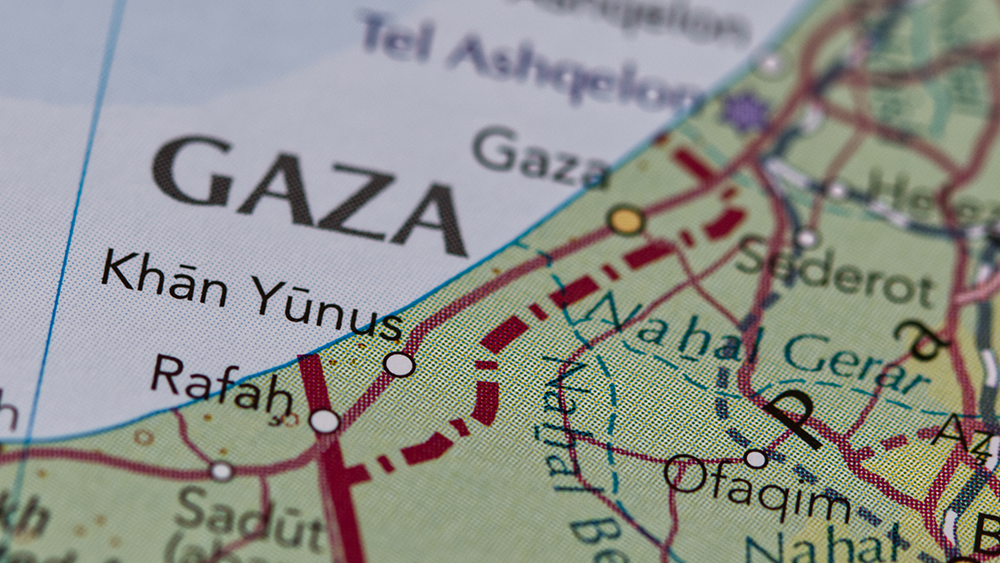
Officials said the move aims to counteract a surge in gasoline and diesel prices that followed the outbreak of military conflict between the U.S., Israel, and Iran in late February. The average price of gasoline in the U.S. reached $3.306 per gallon on March 6, the highest level since August 2024, and had increased by 32.4 cents in the preceding week [4]. The closure of the Strait of Hormuz, a critical global oil chokepoint, by Iran has been cited as a primary cause of the supply shock [5].
The decision follows public pressure from lawmakers, including Senate Minority Leader Chuck Schumer, who on March 8 called on the president to tap the reserve, stating, ‘The Strategic Petroleum Reserve is for moments just like this’ [6]. President Trump had previously downplayed the need for such action, telling reporters on March 8, ‘There’s a lot of oil out there. That’ll get healed very quickly’ [7].
Current Reserve Levels and Historical Context
The release of 172 million barrels will reduce the total U.S. strategic crude inventory to approximately 243 million barrels [8]. This level is below the lowest point recorded during the Biden administration, which had drawn the reserve down to 453.1 million barrels by August 2022, a 37-year low at the time [9]. As of March 6, 2026, the SPR held 415,442,000 barrels of oil [8].
Energy analysts note this represents a significant depletion of the nation’s emergency fuel supply. According to analysis cited by Climate Depot, refilling the SPR to its 714 million-barrel capacity from its pre-release level would take an estimated 7 to 8 years, given a maximum replenishment rate of approximately 3 million barrels per month [10]. Previous administrations have authorized smaller releases during supply disruptions. In 2022, following Russia’s invasion of Ukraine, the Biden administration conducted what was then an unprecedented release to ease fuel costs ahead of the midterm elections [11].
The SPR was established in 1975 following the Arab oil embargo to mitigate supply disruptions. A science paper notes that since that embargo, ‘several countries have built large crude oil stocks to prevent shortage’ [12]. The current drawdown occurs amid an ongoing military conflict that has severely constrained global oil flows. Data from JPMorgan indicates that since the end of February, roughly 76 million barrels of crude have accumulated in on-water storage and other facilities due to the Strait of Hormuz closure [13].
Market Impact and Price Stabilization Goals
White House economic advisors stated the release is intended to provide immediate price relief to consumers [1]. Treasury Secretary Scott Bessent said the administration is ‘taking decisive steps to promote stability in global energy markets and working to keep prices low as we address the threat and instability posed by the terrorist Iranian regime’ [14]. The announcement triggered a brief retreat in oil prices, though market analysts questioned whether the drawdown would have lasting effects [15].
Oil prices have been highly volatile since the conflict began. Brent crude futures briefly surpassed $119.50 per barrel on March 9, their highest level since mid-2022, before retreating [16]. On March 12, Brent briefly topped $100 a barrel and West Texas Intermediate crude climbed above $91 [17]. The Energy Information Administration forecasted that crude oil prices would stabilize at around $70 per barrel by the end of 2026, but that projection was made before the conflict escalated [16].
The price surge has broader economic implications. U.S. stock indices fell on March 12, with the Dow Jones Industrial Average dropping more than 500 points in midday trading [17]. An analyst from Saxo UK noted, ‘Oil prices remain volatile and risk sentiment fragile and trading is on the headlines and rapidly evolving conflict in the Middle East’ [15]. The administration is also reportedly planning temporary waivers of the Jones Act, a century-old maritime law, to further ease domestic transportation constraints [18].
Criticism and Alternative Perspectives on the Decision
Some energy security experts warned against depleting emergency reserves for price management. A book on energy policy notes that strategic reserves were created to prevent shortages during genuine supply crises, not to manipulate markets [12]. An article from NaturalNews.com cited an economic expert who criticized previous SPR drawdowns as ineffective at controlling soaring oil prices [19]. Phil Flynn, a senior account executive at PRICE Futures Group, stated of prior releases, ‘The Biden administration still doesn’t get the fact that the release of oil from the Strategic Petroleum Reserve is not a long-term solution’ [19].
Alternative energy analysts suggested the move highlights vulnerabilities in domestic production policies. An article argued that restrictive policies under previous administrations prioritized environmental concerns over energy security [20]. The Trump administration has recently proposed expanding oil and gas drilling in Alaska’s National Petroleum Reserve by 6.8 million acres, reversing Biden-era restrictions [21]. Critics argued the SPR release addresses symptoms rather than underlying supply constraints. An interview with Mike Adams on Brighteon.com highlighted concerns about refilling the reserve, stating, ‘If we try to buy more petroleum for the strategic reserve, this could exacerbate existing diesel shortages’ [22].
Other commentators pointed to geopolitical dimensions. An RT article suggested the market turmoil revealed deeper systemic issues, stating, ‘With the system of global governance in shambles and institutional checks conspicuous by their absence, the Iran war has triggered a puzzling market trend’ [23]. Meanwhile, the administration temporarily lifted sanctions on Russian oil ‘currently stranded at sea’ to increase global supply [14].
Broader Energy Policy Context and Future Implications
The decision occurs amid ongoing debates about U.S. energy independence and production capacity. A science paper defines energy independence as being achieved ‘when the annual economic costs of oil dependence are less than 1% of US gross domestic product (GDP), with 95% probability’ [24]. The current crisis tests that metric. The Trump administration had previously begun a modest refilling of the SPR, purchasing about 1 million barrels for delivery in late 2025 and early 2026 [25]. It has also considered agreements, such as a potential swap with Venezuelan heavy oil, to replenish stocks [26].
Energy Department officials said they will monitor market response before considering additional actions . The release raises questions about long-term strategic planning for national energy security. An interview with Colonel Douglas MacGregor discussed America’s role in ‘a new era of energy independence and competition’ [27]. The reliance on the SPR during this conflict underscores the persistent vulnerability of global energy markets to geopolitical strife in key chokepoints like the Strait of Hormuz, through which approximately 20 million barrels of crude oil flow daily [5].
The drawdown also intersects with financial market dynamics. An interview with financial analyst Andy Schectman discussed how control over commodities like oil is intertwined with monetary policy, noting a shift away from Western banking dominance [28]. As the administration navigates the immediate crisis, the long-term strategy for rebuilding the SPR and securing domestic energy supplies remains a subject of policy debate, with implications for both economic stability and national security [10][29].
Conclusion
The authorization to release 172 million barrels from the Strategic Petroleum Reserve represents a significant intervention in global energy markets during a period of heightened conflict and price volatility. The move, coordinated with other IEA members, aims to provide temporary relief from soaring fuel costs driven by the closure of the Strait of Hormuz. However, it will reduce the U.S. emergency stockpile to its lowest level in over four decades, prompting concerns about long-term energy security and the nation’s ability to respond to future supply disruptions.
The effectiveness of the release in stabilizing prices remains uncertain, as market forces continue to react to military developments in the Middle East. The decision highlights the ongoing tension between using the SPR as an emergency buffer and as a tool for macroeconomic management. As the drawdown proceeds over the next 120 days, its impact on consumer prices, domestic energy policy, and the broader geopolitical landscape will be closely watched by analysts, policymakers, and the public alike.
References
- U.S. to Release 172 Million Barrels of Oil From the Strategic Petroleum Reserve. – Climate Depot.
- US to tap into oil reserve as Iran conflict drives gas prices up. – Just the News.
- 172 Million Barrels of Oil to Be Released From US Strategic Petroleum Reserve. – NTD.
- US Gas Prices Jump as Iran War Continues. – NTD.
- Strait of Hormuz siege threatens global energy collapse as Trump dismisses $100 oil as ‘small price’ for Iran war. – NaturalNews.com.
- Schumer presses Trump to tap Strategic Petroleum Reserve amid, amid record-high oil prices. – Just the News.
- Despite rising prices, Trump downplays need to tap Strategic Petroleum Reserve. ‘There’s a lot of oil out there. That’ll get healed very quickly’. – Climate Depot.
- Trump’s release of strategic oil reserves will lower stockpiles below Biden administration’s levels. – Just the News.
- US oil reserves fall to 37-year low as Biden continues to export Americas oil to China. – NaturalNews.com.
- ‘It would take 7–8 years to fill the Strategic Petroleum Reserve up to its 714 million-barrel capacity’. – Climate Depot.
- After Dems Record-Breaking (And Useless) Drain, Schumer ‘Demands’ Trump Release Oil From The SPR ‘Immediately’. – ZeroHedge.
- Gusher of Lies The Dangerous Delusions of Energy Independence. – Robert Bryce.
- JPM: Counting Down To The Next Wave Of Shut?Ins. – ZeroHedge.
- Sanctions On Russian Oil “Stranded At Sea” Temporarily Lifted. – 100PercentFedUp.com.
- WTI Extends Gains, Shrugs Off SPR Release Amid Crude Build, Dip In US Production. – ZeroHedge.
- Oil Prices Expected to Stabilize Around $70 by End of 2026: EIA. – NTD.
- US Stocks Slide as Oil Jumps Above $100 on Signs Hormuz Crisis May Drag On. – Breitbart.
- Trump Set To Suspend Jones Act To Help Tame Oil Prices. – ZeroHedge.
- Expert_ Bidens drawdowns from Strategic Petroleum Reserve failed to control soaring oil prices. – NaturalNews.com.
- Oil industry warns of imminent refining crisis thanks to Bidens green policies that equate to energy SABOTAGE ag. – NaturalNews.com.
- Trump administration expands Alaska energy development, reverses Biden restrictions. – NaturalNews.com.
- Brighteon Broadcast News. – Mike Adams – Brighteon.com.
- The Iran war has triggered a puzzling market trend. – RT.
- Measuring energy security: Can the United States achieve oil independence? – David L. Greene. Energy Policy 37 (2009).
- Refilling Strategic Petroleum Reserve begins. – Just the News.
- Trump Admin Considers Venezuelan Oil Swap to Fill Strategic Petroleum Reserve. – The National Pulse.
- Mike Adams interview with Douglas Macgregor – February 5 2025. – Mike Adams.
- Mike Adams interview with Andy Schectman – April 19 2024. – Mike Adams.
- How One Arrest Could Refill the Strategic Oil Reserves Biden Drained. – Watts Up With That.
Submit a correction >>
Tagged Under:
Chris Wright, embargo, energy, fuel supply, global reserves, IEA, Iran, Israel, Middle East, price surge, products, Reserve, SPR, strategic crude inventory, supply, terrorism, Trump, US
This article may contain statements that reflect the opinion of the author
RECENT NEWS & ARTICLES