America’s NATO exit debate heats up as Trump calls alliance a “paper tiger”
04/22/2026 / By Cassie B.
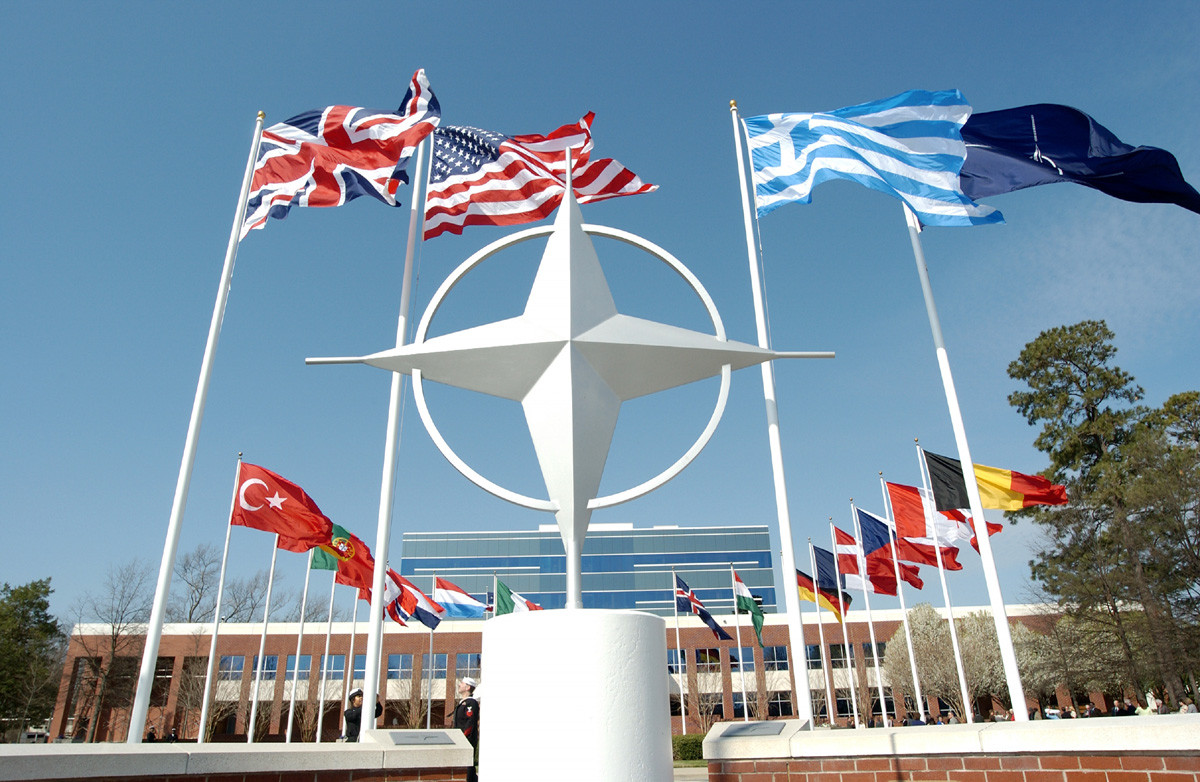
- A movement is growing to withdraw the U.S. from NATO, calling it a costly relic.
- Proponents argue the alliance drains finances and drags America into unnecessary foreign wars.
- They advocate for a “fortress America” strategy, relying on geography and nuclear deterrence instead.
- Legislation to exit NATO has been introduced in both the House and the Senate.
- The debate questions whether NATO is essential for security or a burdensome artifact.
A bold political movement is gaining momentum to sever what it calls a costly and dangerous entanglement: the United States’ membership in NATO. Embraced by everyone from former Reagan budget director David Stockman to legislation from Republican lawmakers, the push frames the 75-year-old alliance as a fiscal millstone and a strategic relic that draws America into unnecessary wars.
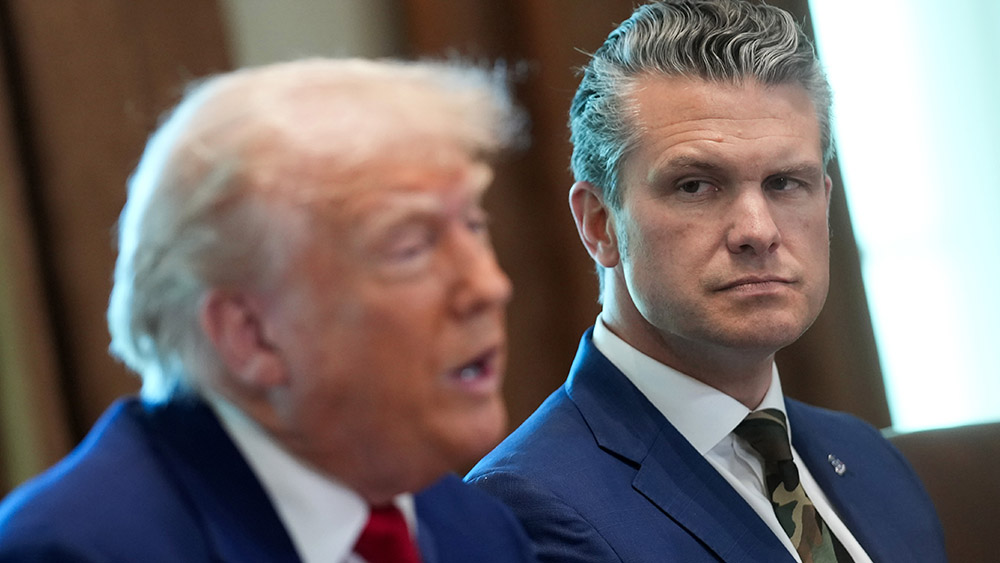
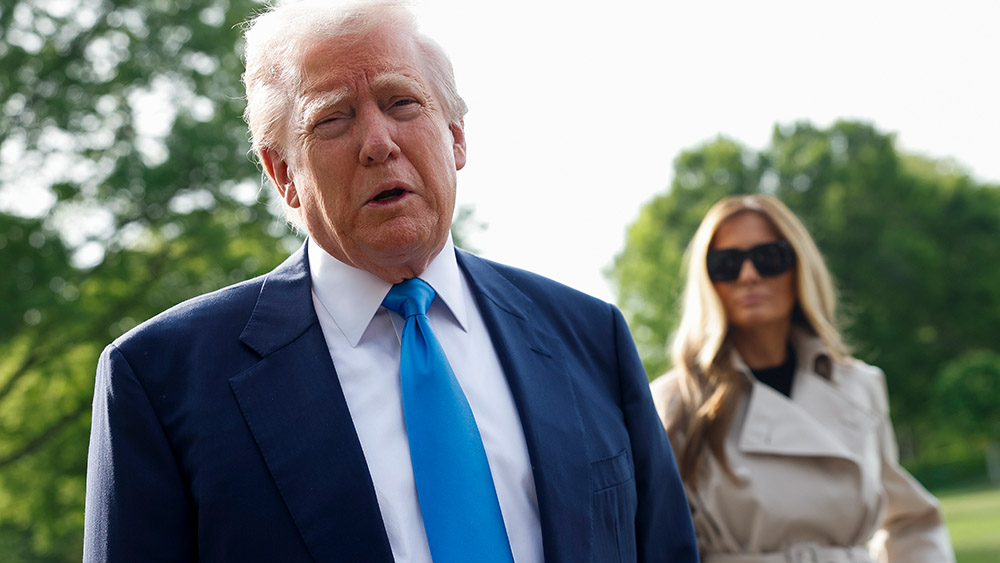
The issue surged back into headlines after President Donald Trump recently lambasted NATO as a “paper tiger” for not supporting a conflict with Iran, stating, “They weren’t there. None of them.” While European allies avoided that escalation, critics like Stockman argue the incident reveals a deeper truth. “Allies and alliances are a profound detriment to the Homeland Security of America, not a fundamental necessity,” he writes.
For these advocates, the primary case is fiscal. They point to a national security budget nearing $1.5 trillion annually, a figure that continued climbing long after the Soviet Union’s collapse. Stockman contends this “elephantine Warfare State” fuels a “self-fueling fiscal doomsday machine,” with public debt projected to hit $62 trillion by the early 2030s. He proposes slashing defense spending by $500 billion a year, a goal he says is impossible without leaving NATO and closing hundreds of overseas bases.
A return to fortress America
The argument hinges on a return to what proponents see as foundational American principles. They cite George Washington’s warning against “entangling alliances” and Thomas Jefferson’s call for “peace, commerce and honest friendship with all nations, entangling alliances with none.” Stockman asserts that America’s geographic blessings – the Atlantic and Pacific moats – combined with an invincible nuclear triad make foreign alliances redundant for homeland defense.
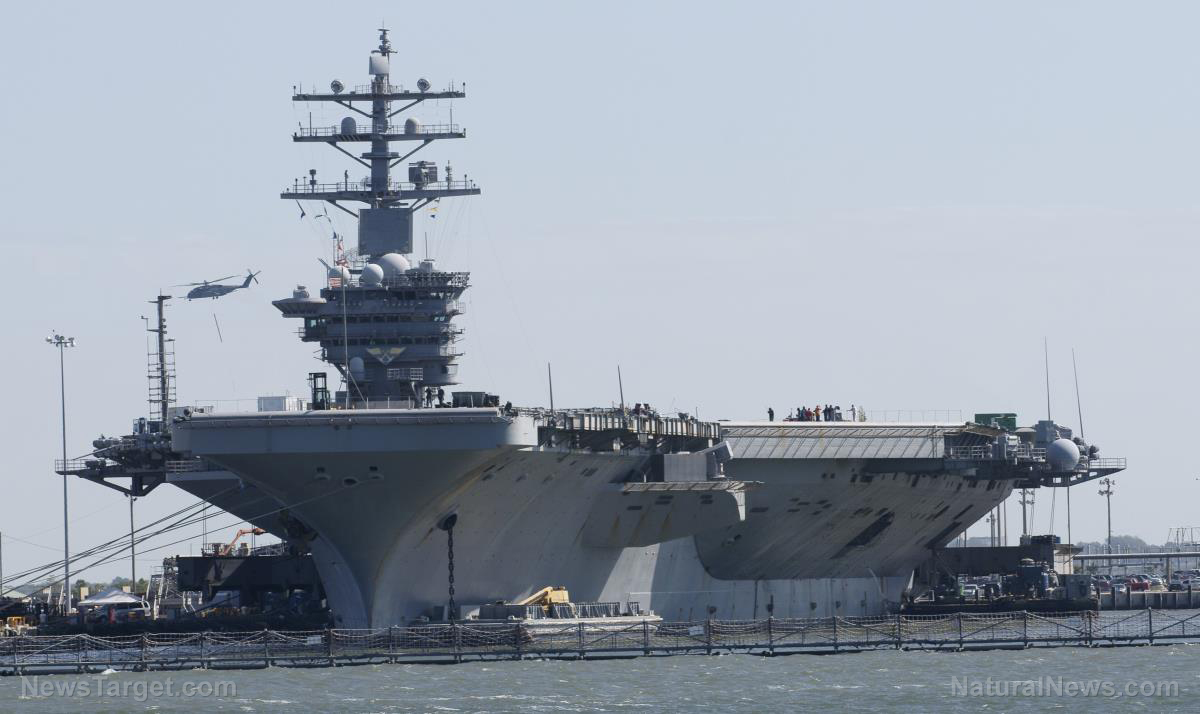
“The core component of America’s military security requires only 7% of today’s massive military budget,” Stockman claims, referencing the estimated $75 billion annual cost to maintain nuclear deterrents. He argues that no nation, including Russia or China, possesses the sealift capacity or economic heft to mount a conventional invasion of the U.S. mainland. Therefore, the massive conventional armies and carrier groups are tools of “global power projection” and empire, not national defense.
This philosophy is now being translated into legislative action. Representative Thomas Massie of Kentucky introduced a bill to withdraw the U.S. from NATO, co-sponsored by Representative Anna Paulina Luna of Florida. “NATO is a Cold War relic,” Massie said. “U.S. participation has cost taxpayers trillions of dollars and continues to risk U.S. involvement in foreign wars.” Companion legislation was introduced in the Senate by Senator Mike Lee of Utah.
NATO’s evolution into a “roaming mandate”
Critics of the alliance argue it has dangerously strayed from its original, narrow purpose of deterring a Soviet invasion of Western Europe. Writer John Mac Ghlionn calls NATO today an “unaccountable” institution that “no longer prevents war but manages it.” He points to interventions in Afghanistan and Libya, which he says left behind ruin, as evidence of a “roaming mandate” that creates dependency and conflict.
Stockman offers a scathing historical review, labeling every major U.S. military intervention since NATO’s founding – from Korea and Vietnam to Iraq and Afghanistan – as “pointless” and “tantamount to criminal undertakings” that did nothing to enhance American security. The alliance, he argues, transformed Washington into the “War Capital of the World.”
The political path for withdrawal remains steep. The legislation faces strong opposition within both parties, and the Trump administration has not endorsed it. However, the debate underscores a persistent undercurrent of skepticism about America’s role as global policeman and the financial burdens it entails. As the national debt climbs and political polarization grows, calls to reevaluate seven-decade-old commitments are finding a renewed audience.
The question at the heart of the debate is profound: Is NATO the indispensable bedrock of global stability and American security, or is it a bureaucratic relic that bankrupts the treasury and embroils the nation in endless, fruitless wars? For a growing faction, the answer is clear, and the time to leave is now.
Sources for this article include:
Submit a correction >>
Tagged Under:
big government, Congress, foreign wars, forgein wars, Globalism, Iran, military, national debt, national security, NATO, nuclear, Resist, Trump, weapons tech, WWIII
This article may contain statements that reflect the opinion of the author
RECENT NEWS & ARTICLES