Diplomatic thaw or temporary truce? Trump brokers extended Israel-Lebanon ceasefire amid Hezbollah defiance
04/24/2026 / By Willow Tohi
- President Donald Trump announced a 3-week extension of the Israel-Lebanon ceasefire after April 23, White House talks, building on an initial 10-day truce.
- Lebanese President Joseph Aoun pushed for Israeli troop withdrawal, end to home demolitions, prisoner releases, and reconstruction in broader negotiations.
- Hezbollah rejected participation in diplomatic talks and refused to disarm while under Israeli attack, insisting weapons integration into Lebanese military must be defensive.
- Israel maintained a 10-kilometer security zone inside southern Lebanon and demanded Hezbollah’s disarmament as condition for permanent peace.
- More than 2,300 people have been killed in Lebanon since fighting intensified March 2, with over 1 million displaced across the country
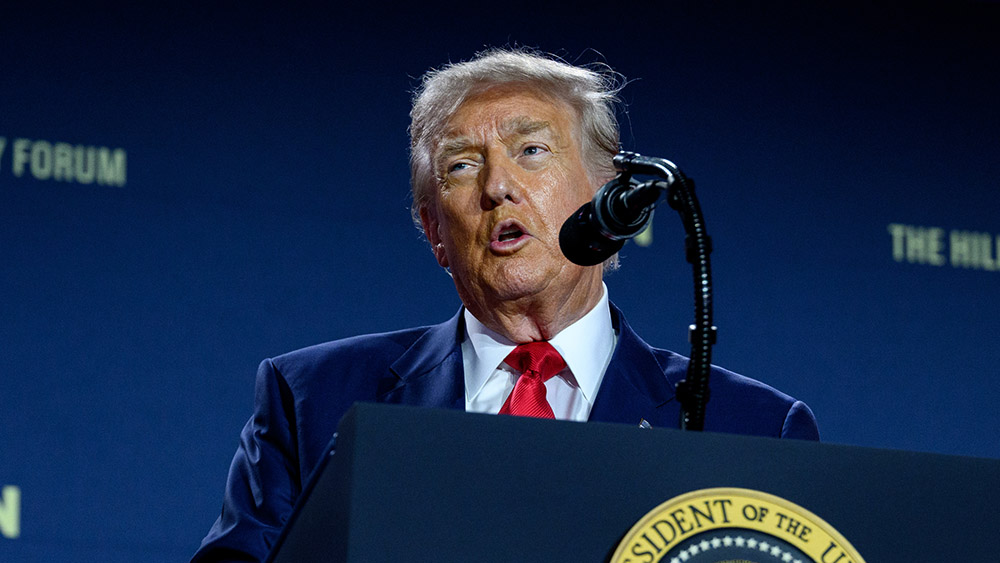
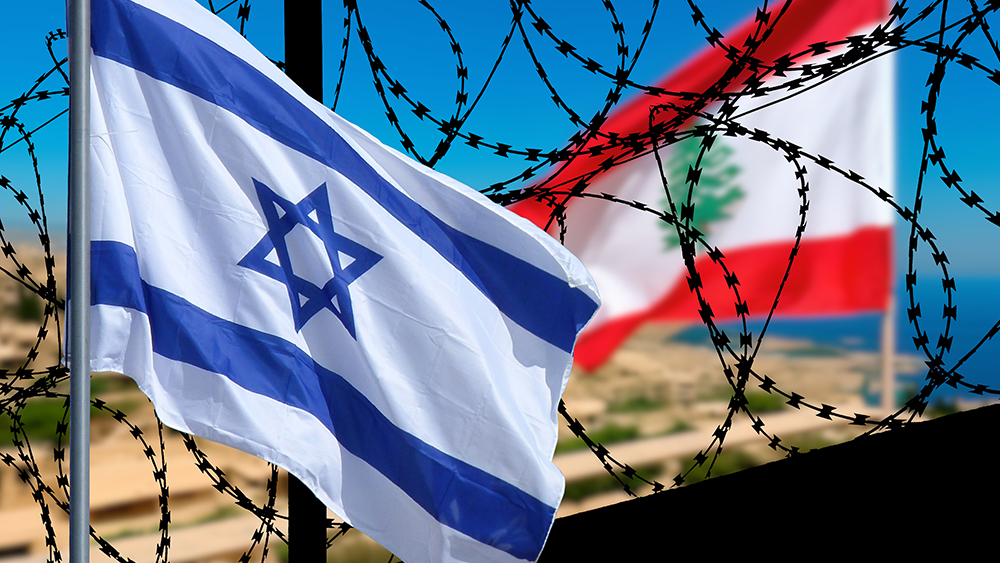
WASHINGTON — April 24, 2026 — President Donald Trump announced Thursday that Israel and Lebanon agreed to extend their ceasefire by three weeks following Oval Office talks that brought together envoys from both countries for only the second time in three decades. The extension, announced on Truth Social after a meeting Trump called “historic,” builds on an initial 10-day truce brokered April 16 and aims to halt more than seven weeks of renewed fighting between Israel and the Iran-backed Hezbollah militia. The agreement comes as Lebanon’s president demands Israeli withdrawal, Hezbollah refuses to disarm, and more than 2,300 people have died in the latest round of violence.
The Washington Breakthrough: Direct Talks After 30 Years
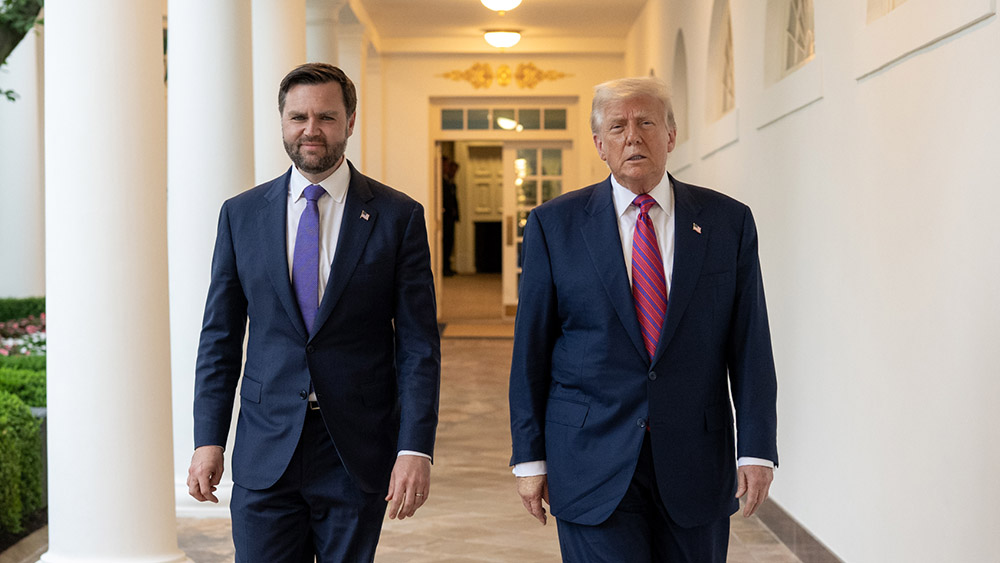
Trump hosted Israeli Ambassador Yechiel Leiter and Lebanese Ambassador Nada Hamadeh Moawad alongside Vice President JD Vance, Secretary of State Marco Rubio, U.S. Ambassador to Israel Mike Huckabee, and U.S. Ambassador to Lebanon Michel Issa. The meeting marked the first direct, high-level diplomatic contact between Israel and Lebanon since 1993 — a significant development for neighboring countries technically at war since Israel’s founding in 1948.
The extension follows an initial 10-day ceasefire announced April 16, which was set to expire this weekend. Trump indicated he would host Israeli Prime Minister Benjamin Netanyahu and Lebanese President Joseph Aoun at the White House “in the near future” for further negotiations.
“The United States is going to work with Lebanon in order to help it protect itself from Hezbollah,” Trump said, though he did not specify whether assistance would include American military aid. Washington has long financed the Lebanese Armed Forces, which operates alongside Hezbollah’s independent military wing — a group the U.S. State Department has designated a foreign terrorist organization since 1997.
Beirut’s Demands: Withdrawal, Prisoners, and Reconstruction
Aoun, speaking a day before the Washington talks, laid out Lebanon’s negotiating priorities. The Lebanese president directed Ambassador Moawad to demand an end to Israeli home demolitions in villages and towns occupied after fighting erupted March 2. Broader objectives include full Israeli troop withdrawal from Lebanese territory, release of Lebanese prisoners held in Israel, deployment of Lebanese forces along the border, and commencement of reconstruction.
Aoun has previously condemned Israeli violence, accusing Tel Aviv of responding to Beirut’s diplomatic overtures with intensified attacks. The Lebanese president has acknowledged that Hezbollah’s disarmament cannot be achieved by force, warning of potential violence and emphasizing the need for negotiations with the group.
Israeli Foreign Minister Gideon Saar characterized Lebanon as a “failed state” while insisting that the obstacle to peace “is one: Hezbollah.” Saar urged Lebanon to work with Israel to disarm the militia, describing the alternative as “a future of sovereignty, independence and freedom from the Iranian occupation.”
Hezbollah’s Rejection: No Disarmament Under Fire
Hezbollah has refused to participate in the diplomatic process. Wafiq Safa, a high-ranking member of the militant group’s political council, stated that Hezbollah will not abide by any agreements reached during the direct talks between Israeli and Lebanese representatives.
The group has rejected Lebanon’s cabinet order for full nationwide disarmament, maintaining it will only discuss integrating its weapons into Lebanon’s military as part of a defensive strategy — and not while Israel continues attacks. A Hezbollah spokesperson argued the existing agreement only calls for disarmament starting from the southern Litani River area toward the border, contradicting Lebanese authorities who claim the deal mandates disarmament across the entire country.
The militia continued rocket fire into northern Israel even as Washington talks proceeded Thursday, targeting the village of Shtula. The Israeli military said it intercepted several launches and struck rocket launchers in southern Lebanon in response.
The Human Toll: War Returns to Southern Lebanon
The latest cycle of violence began March 2, when Hezbollah launched rockets and drones into Israel in retaliation for U.S. and Israeli attacks on Iran that killed Iran’s supreme leader on February 28. Israel responded with widespread bombardment of Lebanon and a ground invasion, capturing dozens of towns and villages along the border.
Israeli forces currently occupy a buffer zone stretching up to 10 kilometers (6 miles) into southern Lebanon. Israel says the zone aims to remove the threat of short-range rockets and anti-tank missiles targeting northern Israeli communities. Hezbollah, for its part, frames its actions as resistance against Israeli occupation and a demonstration of solidarity with Iran.
According to Lebanon’s health ministry, at least 2,294 people have been killed in Israeli attacks since the war began, including 274 women and 177 children. The figures do not differentiate between civilians and combatants. Israeli authorities report two civilian deaths from Hezbollah attacks and 15 Israeli soldiers killed in combat inside Lebanon.
United Nations figures show that more than one million people — roughly one in five of Lebanon’s population — have been displaced, primarily from southern regions where Israel has destroyed homes and villages.
Ceasefire Violations and the Path Forward
Both sides have accused each other of violating the ceasefire agreement since the initial truce took effect. An Israeli strike Wednesday killed Amal Khalil, a well-known Lebanese journalist covering southern Lebanon. Lebanese health officials said the Israeli military opened fire on an ambulance that attempted to respond, preventing rescuers from reaching her for hours. The Israeli military denied deliberately targeting journalists or firing on rescuers.
Lebanon’s Deputy Prime Minister Tarek Mitri said the government is compiling a report documenting alleged war crimes by Israel and that ministers discussed joining the International Criminal Court.
Israeli Ambassador Leiter expressed hope that the talks could “formalize peace between Israel and Lebanon in the very near future.” Lebanese Ambassador Moawad thanked Trump “for all your effort to help and to support Lebanon,” referencing his “Make America Great Again” slogan when she said, “I think with your help, with your support, we can make Lebanon great again.”
A Fragile Pause, Not a Solution
The three-week ceasefire extension represents a diplomatic achievement for direct engagement between Israel and Lebanon, breaking decades of indirect communication. Yet the fundamental obstacles remain unchanged. Hezbollah continues to reject disarmament, Israel maintains its occupation zone, and more than a million displaced Lebanese face an uncertain future. The Trump administration’s willingness to assist Lebanon against Hezbollah — without specifying what form that assistance takes — signals continued American engagement. But without Hezbollah’s participation or consent, any agreement reached in Washington may prove temporary. The coming weeks will test whether this diplomatic thaw can produce lasting peace or merely a pause before the next round of fighting.
Sources for this article include:
Submit a correction >>
Tagged Under:
big government, ceasefire, chaos, Collapse, Dangerous, depopulation, genocide, Globalism, humanitarian, Israel, Lebanon, military tech, national security, progress, Trump, violence, weapons tech, White House, WWIII
This article may contain statements that reflect the opinion of the author
RECENT NEWS & ARTICLES