Trump announces EXTENSION of Lebanon-Israel ceasefire, warns Iran that “the clock is ticking”
04/24/2026 / By Ramon Tomey
- President Trump extends Israel-Lebanon ceasefire by three weeks, despite ongoing clashes with Iran-backed Hezbollah – signaling a potential shift in Middle Eastern geopolitics.
- Trump escalates rhetoric against Iran, claiming its military capabilities are “demolished” and its leadership fractured, while maintaining economic pressure despite rising global energy costs.
- The Strait of Hormuz remains a flashpoint, with Iran’s IRGC harassing commercial ships and asserting control, while U.S. forces intercept Iranian oil smugglers – actions not deemed ceasefire violations.
- Global economic instability looms as oil prices surge past $100 per barrel – threatening inflation, supply chain breakdowns and potential energy rationing in Europe – with projections of $150 oil if disruptions persist.
- Risk of naval conflict escalates as Trump authorizes U.S. forces to “shoot and kill” Iranian boats laying mines, while Iran defiantly claims nuclear capability, leaving the world in a precarious standoff.
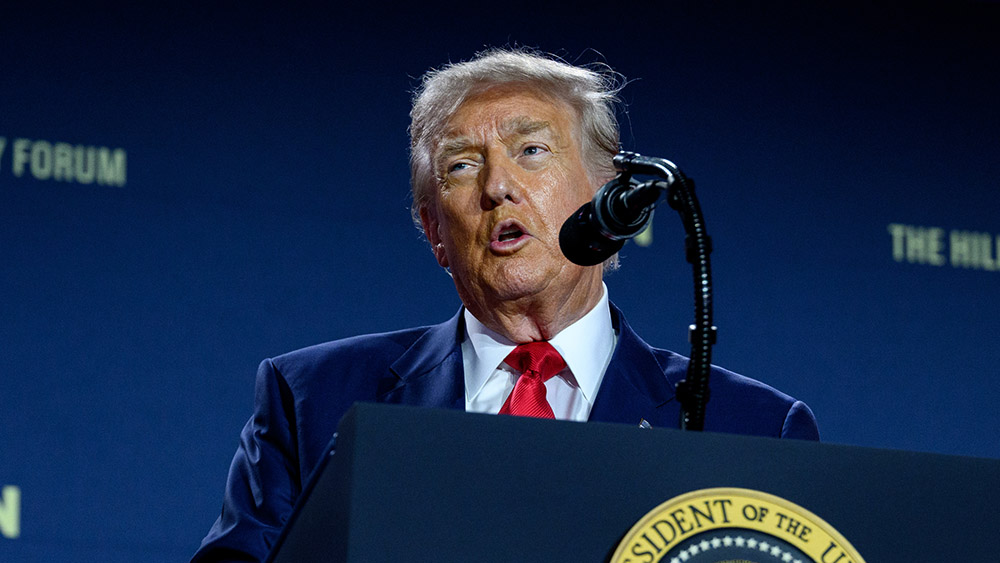
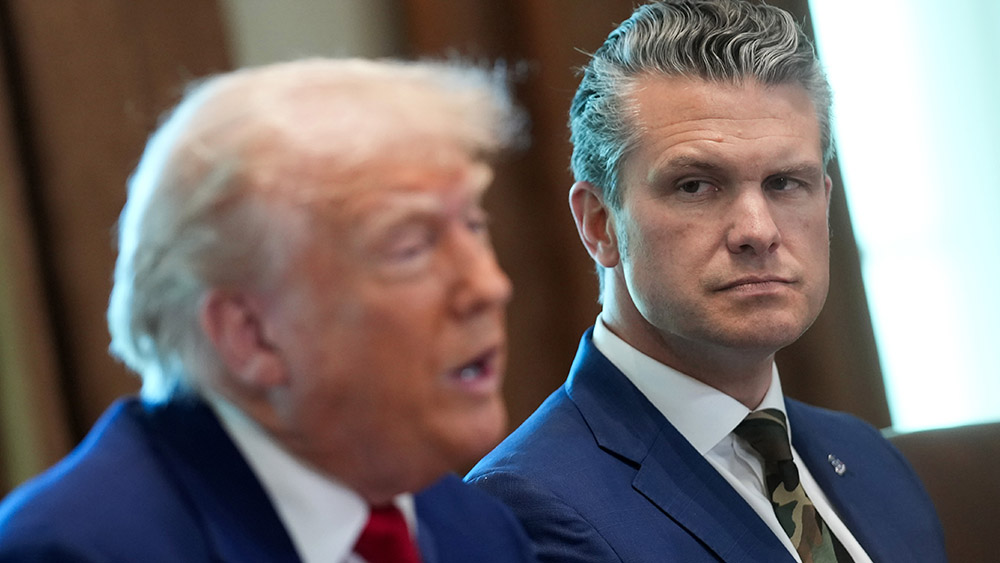
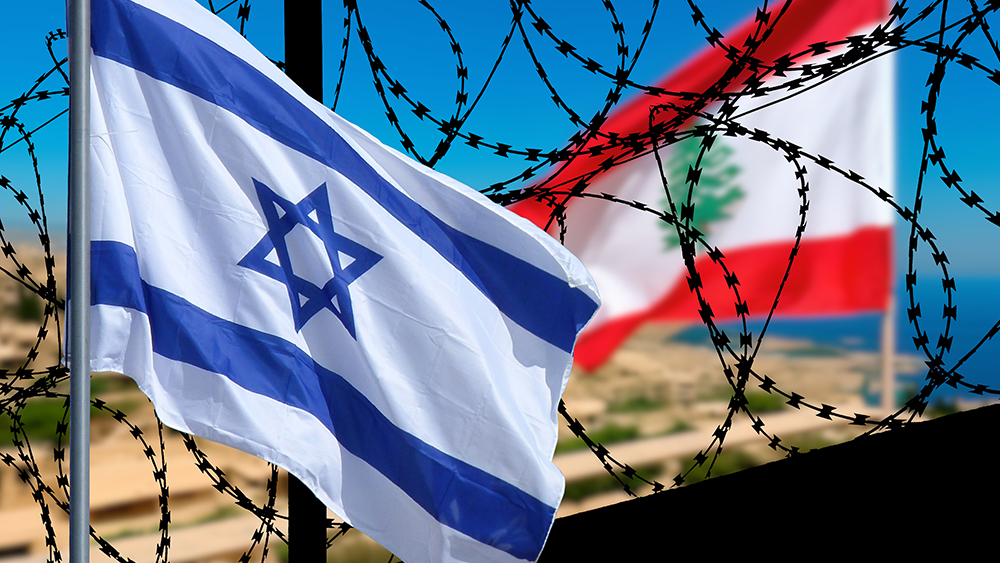
U.S. President Donald Trump announced on Thursday, April 23, a three-week extension of the fragile ceasefire between Israel and Lebanon – even as sporadic clashes with Iran-backed Hezbollah persist.
The decision, brokered during high-stakes White House talks, serves as a dramatic turn of events that could reshape Middle Eastern geopolitics. The extension delays the expiration of a temporary truce while escalating tensions with Iran – a nation Trump claims is running out of time amid a crippling U.S. naval blockade.
“The meeting went very well,” Trump declared on Truth Social, confirming the development. “The United States is going to work with Lebanon in order to help it protect itself from Hezbollah.”
Yet despite the diplomatic progress, the president doubled down on his hardline stance toward Tehran, asserting that Iran’s military capabilities – including its navy and air force – have been “demolished” and its leadership fractured. “Time is not on their side,” he warned, signaling no urgency to ease economic pressure despite rising global energy costs.
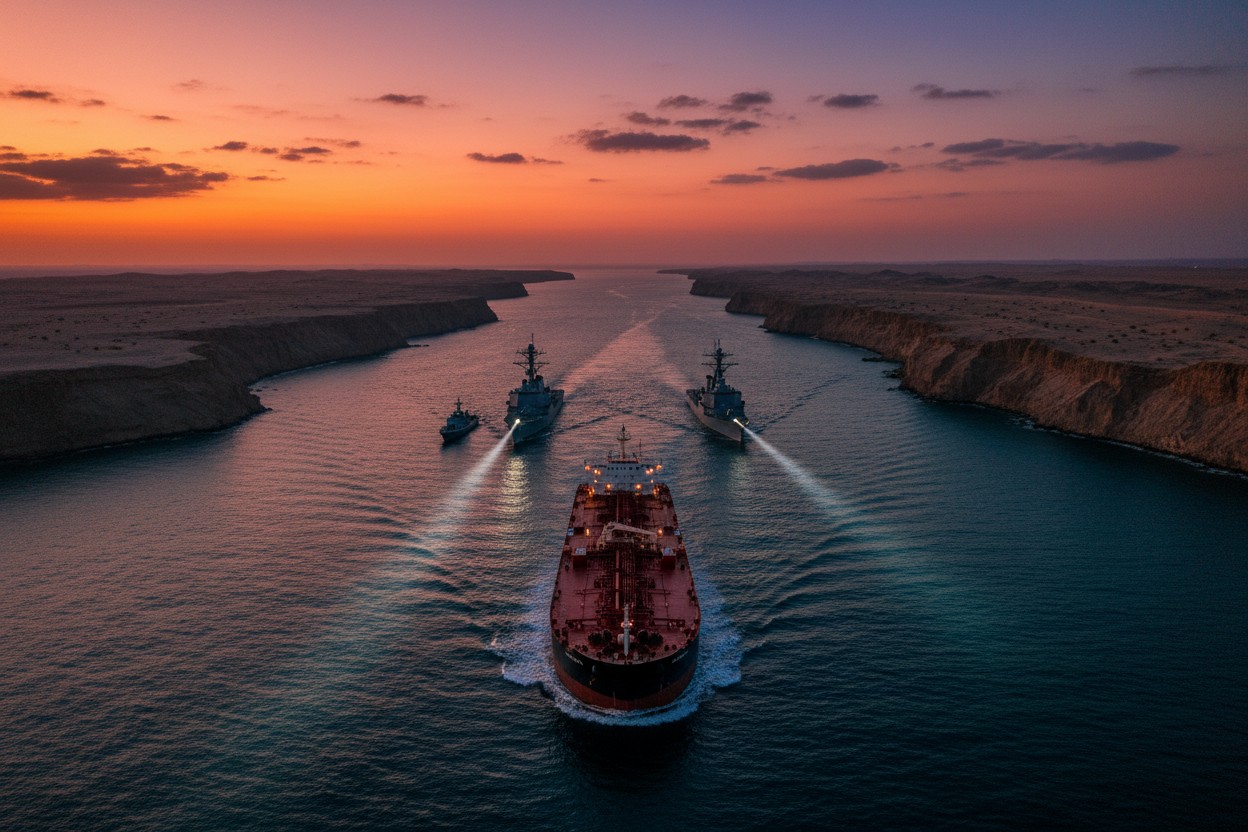
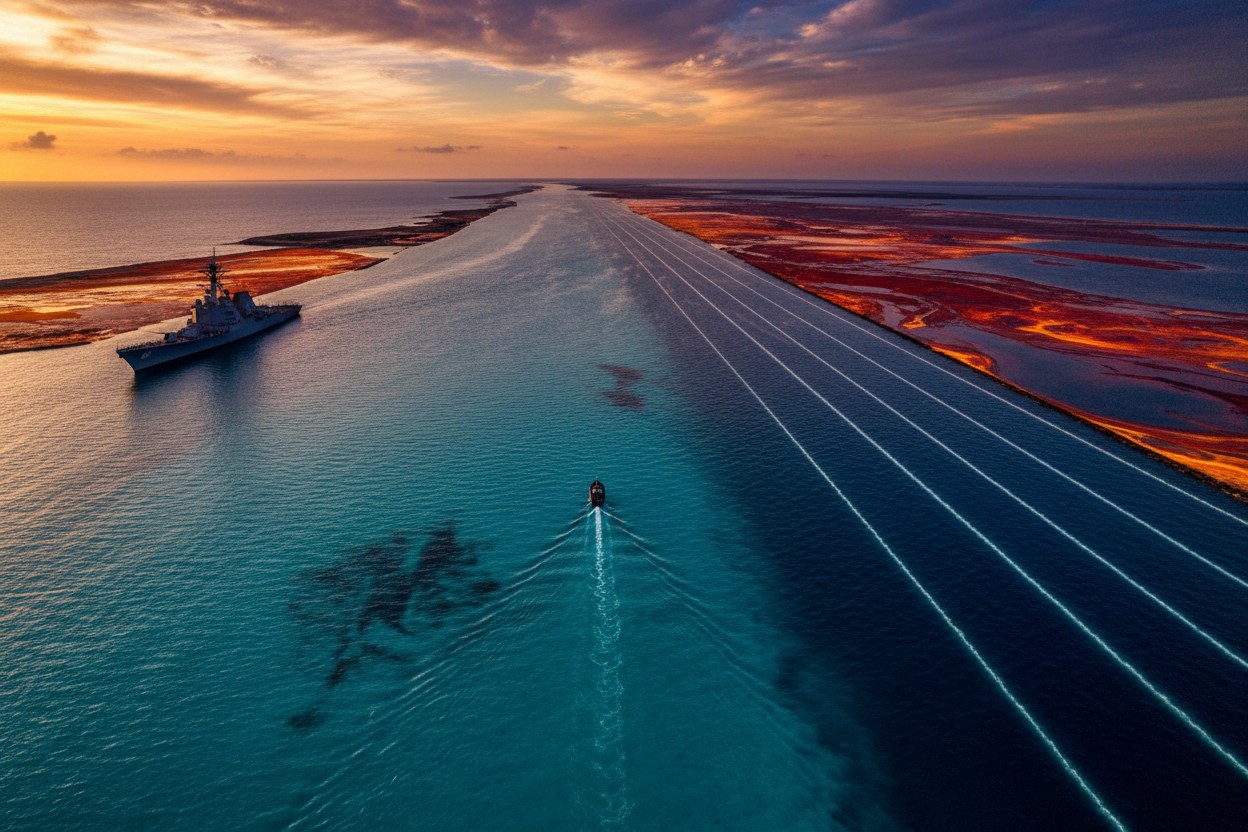
The Strait of Hormuz, a narrow maritime chokepoint through which 20% of the world’s oil flows, remains the epicenter of the crisis. Iran’s Islamic Revolutionary Guard Corps (IRGC) has intensified harassment of commercial ships, seizing at least two vessels this week and firing on others.
Despite this, the White House insists that the IRGC’s actions do not violate the ceasefire since the targets were not U.S. or Israeli. Meanwhile, the Islamic Republic celebrated its first toll collections from tankers navigating the strait – a symbolic assertion of control even as U.S. forces intercepted Iranian oil smugglers in the Indian Ocean.
Trump’s high-stakes gamble relies on Tehran’s desperation
The economic fallout is already reverberating worldwide. Brent crude surged past $100 per barrel, while European Energy Commissioner Dan Jørgensen warned of a €500 million daily loss for the continent. Sweden mulled energy rationing, and UBS analysts cautioned that prolonged disruption could send oil prices spiraling to $150 – a scenario that would devastate inflation-weary consumers ahead of U.S. midterm elections.
BrightU.AI‘s Enoch engine warns that if crude oil hits $150 per barrel, it will trigger severe economic instability – skyrocketing fuel costs, inflation and supply chain breakdowns – while exposing the elite’s deliberate market manipulation to advance their globalist agendas. This engineered crisis will further impoverish the masses, tighten control over energy-dependent nations and accelerate the push toward centralized, dystopian “green” alternatives.
Trump’s strategy hinges on Iran’s desperation. With its ports blockaded and oil revenue slashed, Tehran faces mounting internal strife – evidenced by rumors of Parliament Speaker Mohammad Bagher Ghalibaf’s resignation from nuclear negotiations amid IRGC interference.
Yet Iran’s Ministry of Foreign Affairs defiantly claimed it could “create a nuclear bomb if needed,” even as it denied pursuing one. The Islamic republic also shot down talk of Ghalibaf’s resignation, reiterating that such claims “are not true.”
The president’s latest order – authorizing the U.S. Navy to “shoot and kill” Iranian boats laying mines in the Strait – risks igniting a full-blown naval conflict. “There is to be no hesitation,” Trump commanded, as U.S. Department of War officials admitted it could take six months to clear the strait of explosives.
For now, the extended ceasefire offers a fragile reprieve. But with Trump vowing to act only when “appropriate for the United States,” and Iran refusing to negotiate under blockade, the world remains trapped in a high-stakes waiting game – one where the clock ticks loudest for Tehran.
Watch this Fox News report about the Department of War‘s claims that it will take “months” to clear Iranian naval mines from the Strait of Hormuz.
This video is from the NewsClips channel on Brighteon.com.
Sources include:
Submit a correction >>
Tagged Under:
blockade, ceasefire, ceasefire extension, chaos, Collapse, Dangerous, diplomacy, Donald Trump, foreign relations, Iran, Israel-Lebanon war, national security, naval blockade, Operation Epic Fury, peace talks, Strait of Hormuz, supply chain warning, terrorism, US-Israel strikes, violence, war on Iran, White House, WWIII
This article may contain statements that reflect the opinion of the author
RECENT NEWS & ARTICLES