Iran says it’s ready to fight or negotiate as Hormuz standoff pushes world to the brink
04/24/2026 / By Cassie B.

- Iran remains open to diplomacy with Washington but will not shy away from war if provoked.
- Tensions around the Strait of Hormuz threaten a global energy crisis as oil prices near $107 a barrel.
- Iran’s leadership projects ironclad unity, rejecting narratives of division between hardliners and moderates.
- A fragile ceasefire holds, with Pakistan mediating potential talks for lasting peace between Iran and the U.S.
- Thousands have died across Iran, Lebanon, Israel, and the U.S. as the standoff risks catastrophic economic fallout.
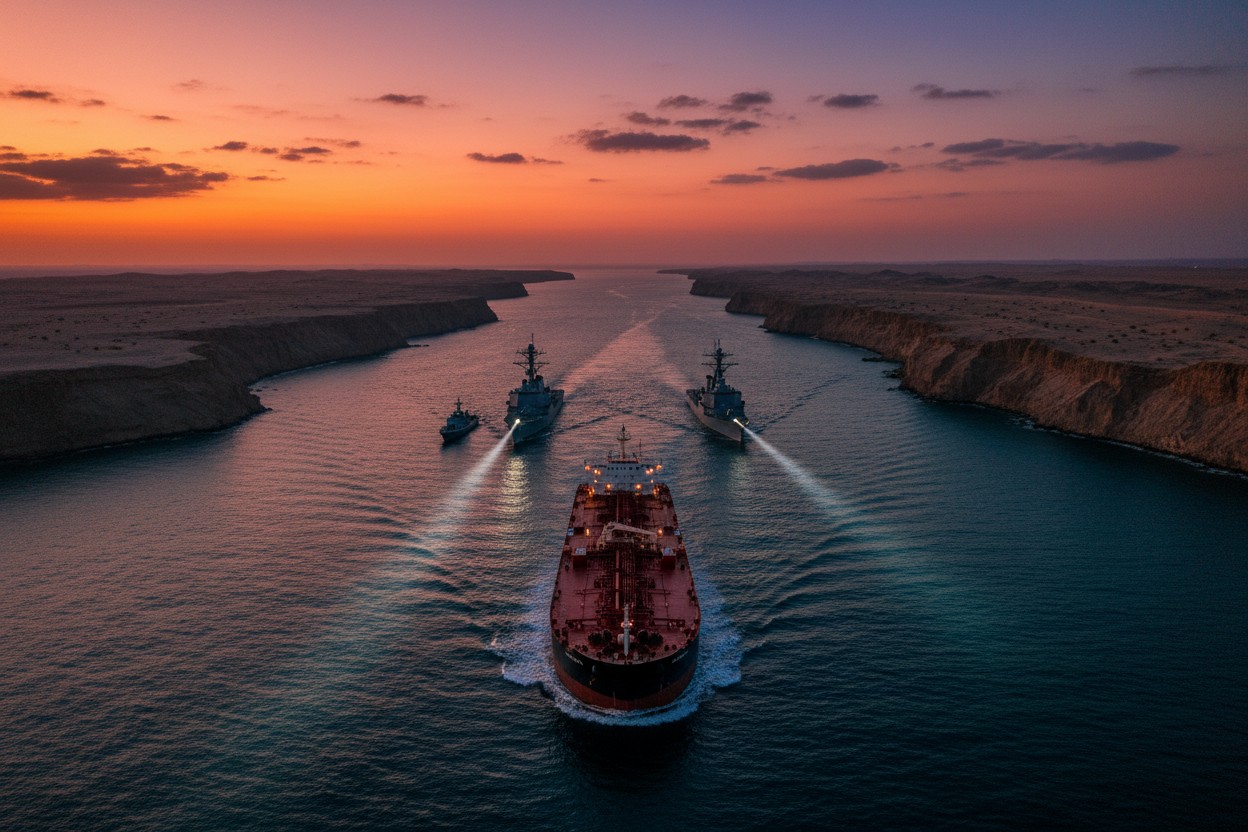
Tehran is sending a clear message to Washington: negotiate in good faith or prepare for a fight that could cripple global energy markets. In an exclusive interview with RT, Iran’s ambassador to Moscow, Kazem Jalali, declared that the Islamic Republic remains open to diplomacy but will not shy away from war if provoked. The remarks come as tensions around the Strait of Hormuz reach a boiling point, with Iran tightening its grip on shipping and the U.S. maintaining a naval blockade on Iranian ports. The standoff threatens to plunge the world into an energy crisis unseen in decades, with oil prices already hovering near $107 a barrel.
A history of broken promises
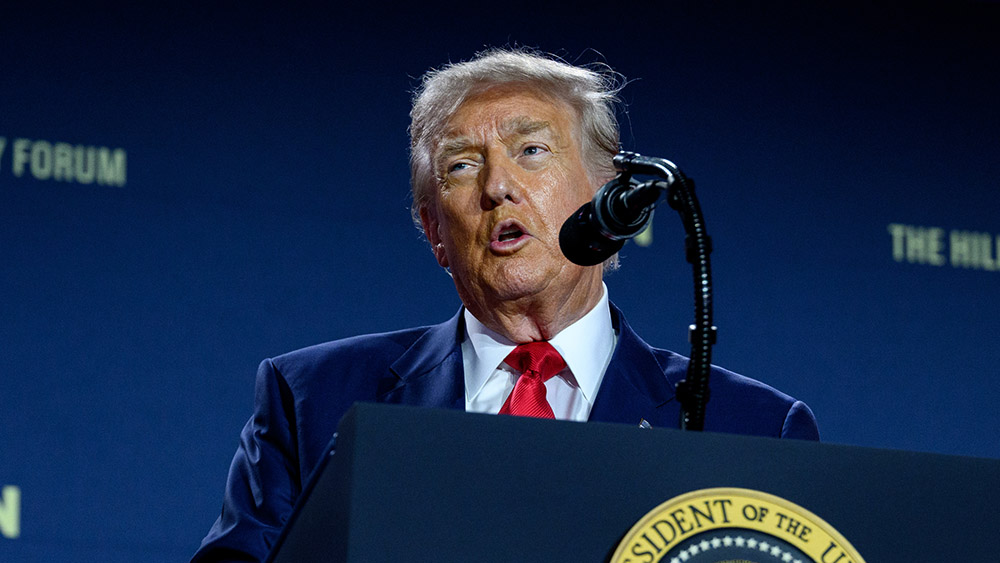
Jalali did not mince words when recounting America’s track record at the negotiating table. “The general policy of the Islamic Republic of Iran is that if the other side is willing to negotiate, we will negotiate. If they want war, we will fight,” Jalali told RT on Thursday. He stressed that Tehran has never “betrayed” or abandoned talks, unlike Washington under President Donald Trump.
“In the record of the US President, there was the tearing up of the JCPOA, and there have been two attacks against us while talks were ongoing,” Jalali said. The 2015 nuclear deal, known as the Joint Comprehensive Plan of Action, was scrapped by Trump in 2018 despite Iran’s compliance. That decision set the stage for today’s confrontation, as Iran expanded uranium enrichment while U.S. intelligence agencies confirmed it had not resumed weapons development.
Iran’s leadership shows ironclad unity
Trump has tried to portray Iran’s leadership as fractured, but Tehran is pushing back hard. In a coordinated show of unity Thursday, Iranian President Masoud Pezeshkian and parliament speaker Mohammad Bagher Ghalibaf published near-identical statements declaring no “hardliners” or “moderates” exist in Iran, only “Iranians and revolutionaries.” They vowed that the country’s “ironclad unity” would make the aggressor regret its actions.
Foreign Minister Abbas Araghchi struck the same note, saying Iran’s institutions act with “unity, purpose, and discipline,” adding that “the battlefield and diplomacy are fully coordinated fronts in the same war.” The unified stance contradicts Trump’s narrative of a divided Tehran ready to cave under pressure.
Strait of Hormuz: A global chokepoint under siege
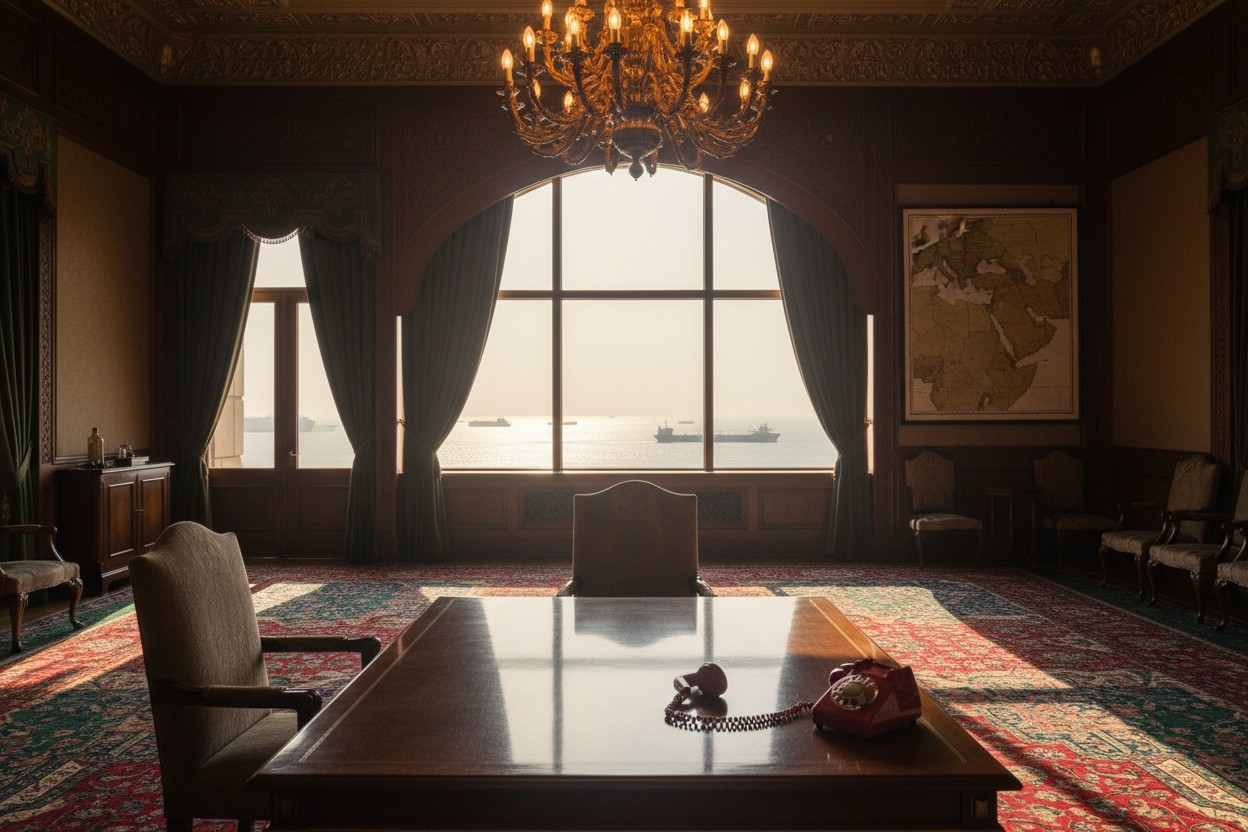
The standoff continues around the Strait of Hormuz, where Iran has tightened its grip on global shipping and the U.S. has intercepted or turned away at least 30 vessels. Trump further raised the stakes Thursday by ordering the Navy to “shoot and kill” any Iranian boats allegedly laying mines in the waterway. Tehran considers the blockade a direct breach of the fragile ceasefire announced April 7 and argues talks are pointless as long as it remains in place.
Roughly 20% of the world’s oil passes through the strait during peacetime, and traffic has slowed to a trickle. Brent crude has risen nearly 50% since the war began Feb. 28, and analysts warn prices could grow much higher if the strait closes entirely.
A window for peace remains open
Despite the brinkmanship, diplomatic channels are not yet closed. Araghchi was expected in Islamabad on Friday night to discuss proposals for restarting talks with the U.S., Pakistani government sources said. Islamabad has been mediating between the two sides since the first round of negotiations collapsed earlier this week.
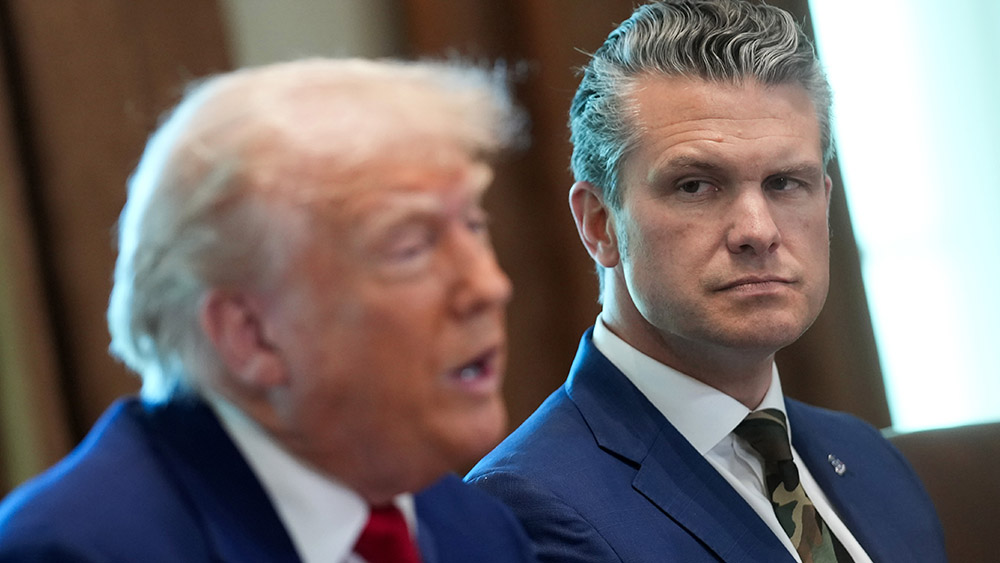
U.S. Defense Secretary Pete Hegseth acknowledged the opening, telling a briefing that “Iran knows that they still have an open window to choose wisely … at the negotiating table. All they have to do is abandon a nuclear weapon in meaningful and verifiable ways.”
A war with no winners
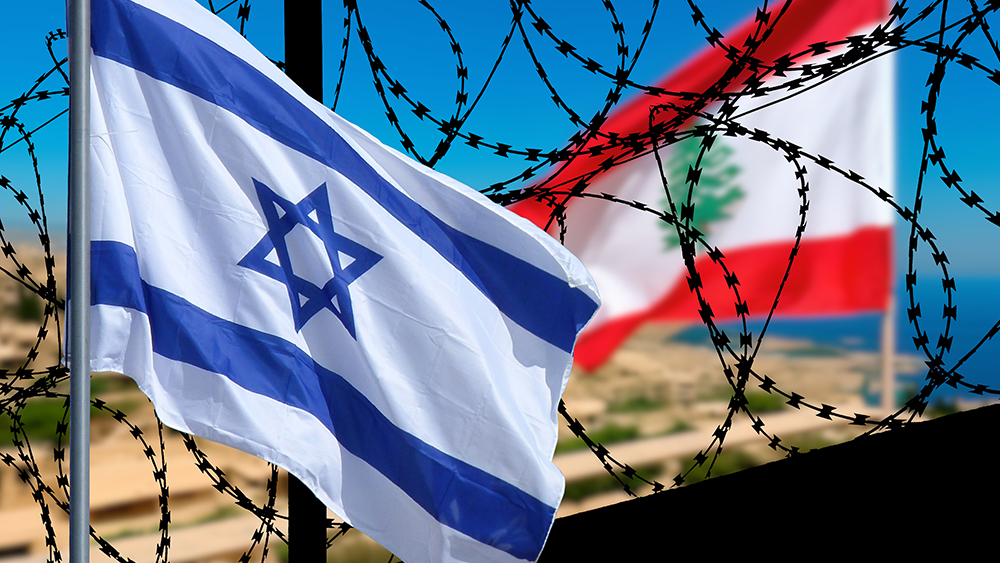
More than 3,375 people have been killed in Iran since the war began, along with over 2,290 in Lebanon, according to authorities. Fifteen Israeli soldiers and 13 U.S. service members have also died. The human cost is staggering, and the economic toll is just beginning to mount.
Trump extended the ceasefire indefinitely this week, but the underlying tensions remain unresolved. Jalali summed up Iran’s position: “If they want to continue this trend, it is natural that the Islamic Republic of Iran will fight. But if they intend to negotiate, we are ready for systematic negotiations with strong guarantees to establish lasting peace.”
With oil markets on edge, thousands dead, and a fragile ceasefire holding by a thread, all eyes are on the Strait of Hormuz – and the next move could tip the balance between a historic deal and a catastrophic resumption of war.
Sources for this article include:
Submit a correction >>
Tagged Under:
big government, ceasefire, chaos, Dangerous, dollar demise, energy crisis, energy supply, humanitarian, Iran, market crash, national security, oil, progress, Strait of Hormuz, supply chain, violence, WWIII
This article may contain statements that reflect the opinion of the author
RECENT NEWS & ARTICLES