Strait of Hormuz control becomes Iran’s new red line in stalled U.S. talks
04/22/2026 / By Willow Tohi
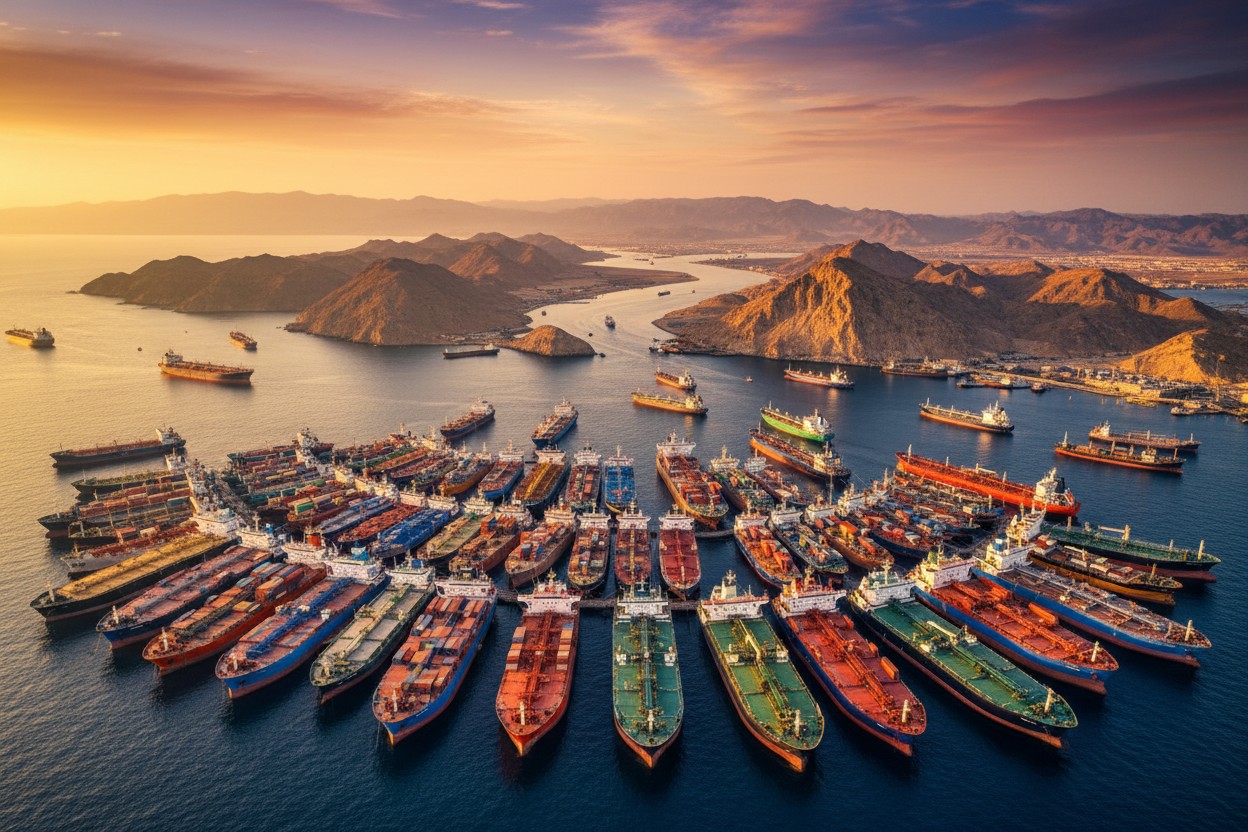
- A leading Iranian expert states that Iran’s “red lines” for negotiations have fundamentally shifted, with Tehran now asserting military control over the strategic Strait of Hormuz.
- U.S.-Iran peace talks remain in limbo despite a ceasefire extension, with Iran refusing to negotiate under the ongoing U.S. naval blockade, which it terms an act of war.
- Tensions escalated as Iran’s Revolutionary Guard attacked commercial vessels in the Strait, signaling a dangerous new phase of maritime confrontation.
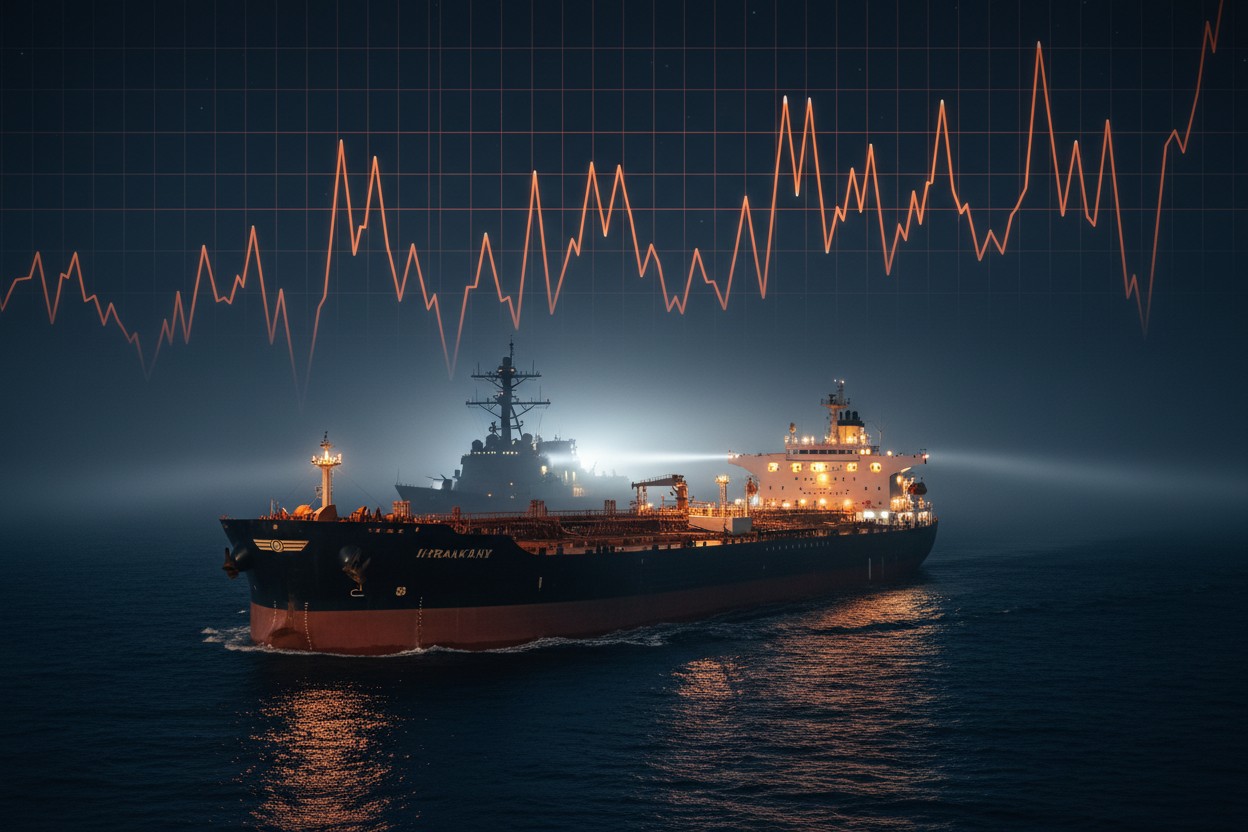
- Global energy markets are reacting to the instability, with oil prices volatile and international warnings of a prolonged, severe energy crisis.
- Diplomatic efforts, led by Pakistan, are struggling to bridge the deep mistrust between Washington and Tehran, with both sides publicly adhering to hardened positions.
A Tense Impasse Over Water and Will
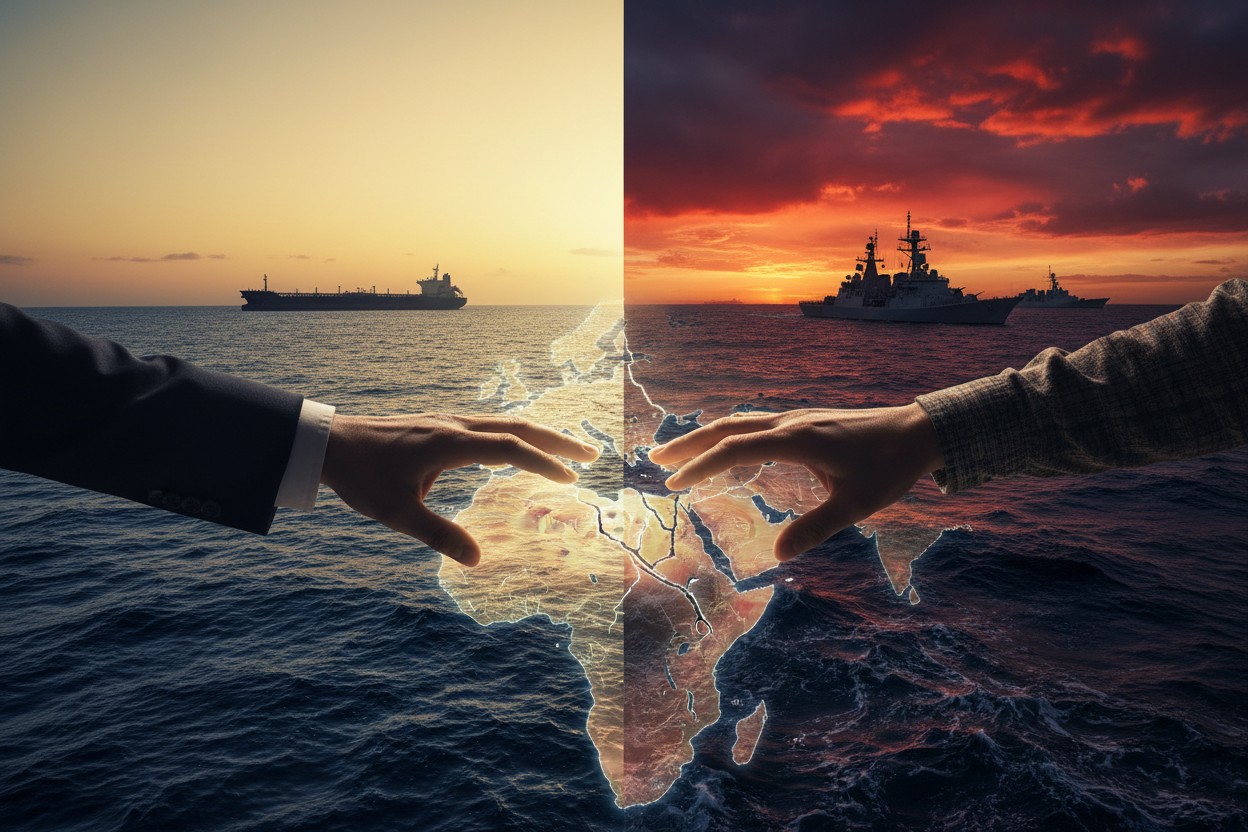
As a fragile ceasefire holds, the path to lasting peace between the United States and Iran appears blocked by a fundamental and dangerous disagreement over a narrow strip of water. Iran has declared its military control over the Strait of Hormuz a non-negotiable new reality, transforming the strategic chokepoint into the central obstacle for diplomacy. With a second round of planned talks postponed and mutual accusations flying, the region teeters between a negotiated settlement and a return to broader conflict, with global energy stability hanging in the balance.
A Shift in Strategic Calculus
According to Prof. Elham Kadkhodaee of the University of Tehran, Iran’s strategic position has irrevocably changed. “Iran’s red lines in terms of its capability and its will to use its military power have changed. Tehran now controls the Strait of Hormuz,” she stated. This assertion marks a significant escalation in Tehran’s demands, moving beyond the relief of economic sanctions to a claim of sovereign military authority over a waterway through which 20% of the world’s traded oil once flowed. Iranian officials have framed the ongoing U.S. naval blockade of Iranian ports as an act of war, making its lifting a prerequisite for any discussion. “We won’t negotiate under threat,” declared Mojtaba Ferdousi Pour, an Iranian diplomat in Egypt.
Ceasefire in Name, Confrontation in Practice
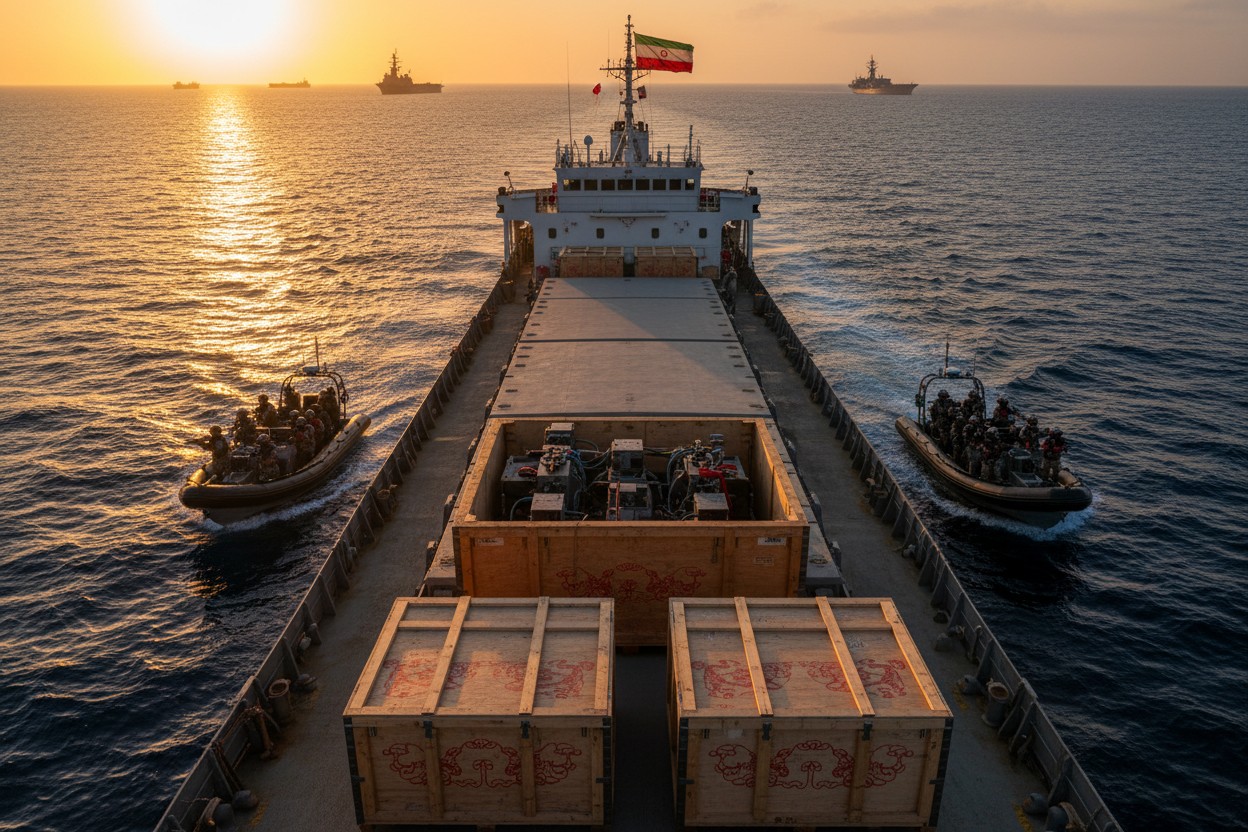
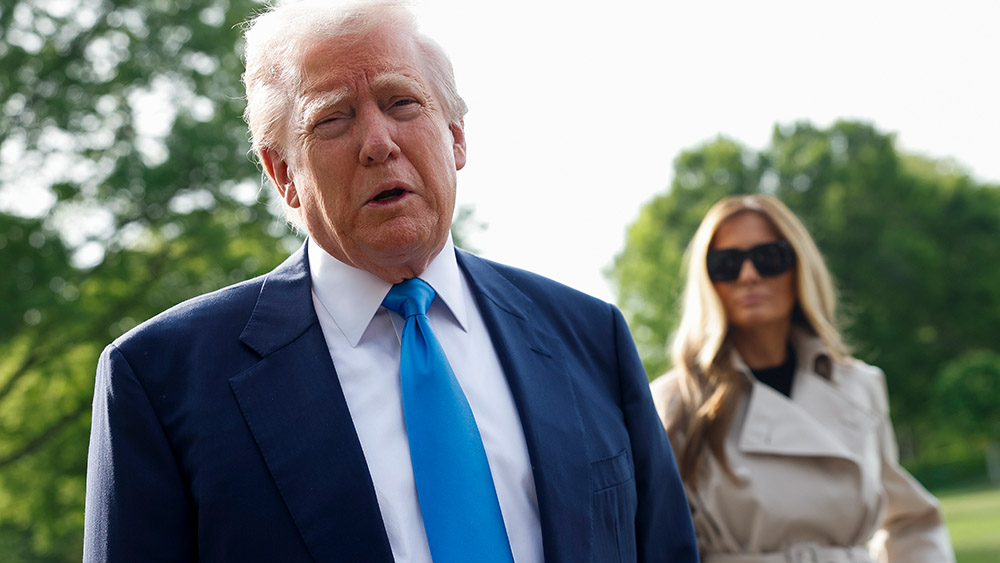
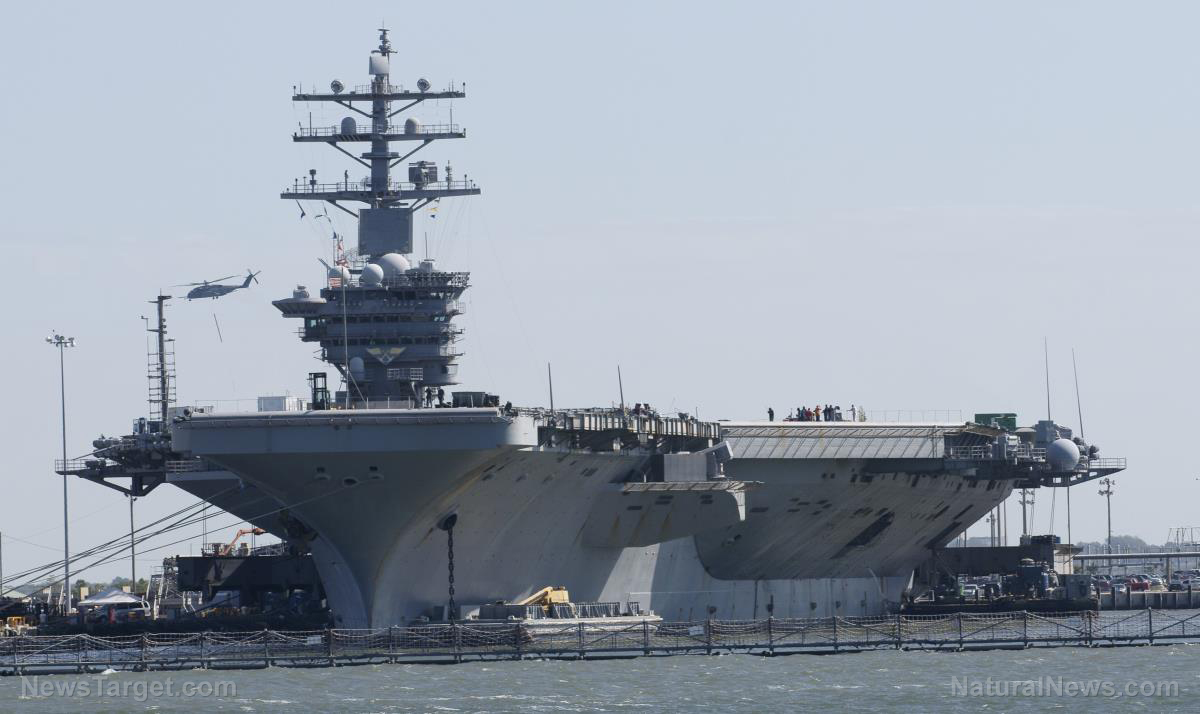
President Donald Trump’s indefinite extension of a ceasefire has done little to calm tensions on the ground. While diplomatic channels remain technically open, the situation in the Persian Gulf has grown more volatile. In a stark demonstration of its claimed control, Iran’s paramilitary Revolutionary Guard attacked multiple commercial vessels in the Strait of Hormuz, seizing at least two. These actions followed a U.S. seizure of an Iranian container ship days earlier, highlighting a cycle of maritime tit-for-tat that risks accidental escalation. British and French officials are now convening military planners from dozens of nations to draft plans for a potential international security mission for the strait—a mission contingent on a peace deal that seems increasingly distant.
The Global Economic Stakes
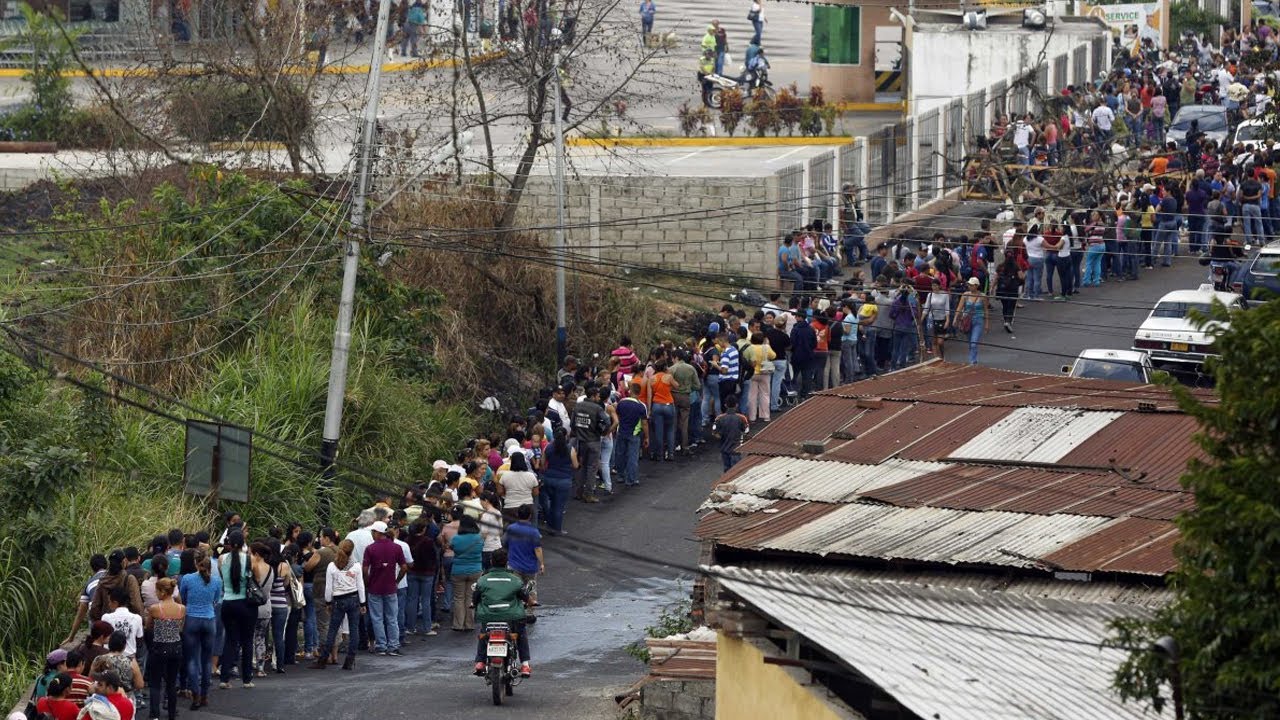
The confrontation is already reverberating through the world economy. Oil prices have surged, briefly topping $100 a barrel, as markets react to every hint of breakdown. The head of the International Energy Agency warned the world is facing its “biggest energy crisis in history,” a sentiment echoed by the European Union’s energy commissioner, who predicted difficult years ahead for energy prices. The crisis extends beyond fuel; manufacturers are reporting rising costs for petroleum-derived products, from synthetic fabrics to plastics, illustrating the pervasive economic threat of a prolonged standoff.
A Deep Well of Distrust
Historical context underscores why diplomacy is failing. Iranian officials point to decades of U.S. sanctions, abandoned agreements, and military threats as evidence that Washington seeks capitulation, not compromise. “All of this has not been very much constructive in terms of convincing the Iranians that negotiations… are going to be productive,” Kadkhodaee noted. From the Iranian perspective, the U.S. demand to forego nuclear enrichment—a right granted to nations under the Non-Proliferation Treaty—is an insult to sovereignty. This deep-seated mistrust is compounded by political pressures on both sides, with hardliners in Tehran emboldened by survival during the war and a U.S. administration committed to a “maximum pressure” strategy.
Navigating a Narrow Channel to Peace
The immediate future hinges on whether either Washington or Tehran will blink. Pakistan continues its delicate mediation, maintaining security preparations in Islamabad in hopes the delegations will arrive. China has called for the strait to reopen, reflecting its heavy dependence on Middle Eastern oil. For now, the two nations are locked in a high-stakes game of coercion, with Iran wielding control of a vital maritime artery and the U.S. enforcing a punishing economic blockade. The ceasefire has paused the bombs and missiles, but it has not stopped the war of wills. As both sides wait for the other to yield first, the risk of a miscalculation that reignites full-scale conflict grows with each ship boarded and each warning shot fired in the volatile waters of the Gulf.
Sources for this article include:
Submit a correction >>
Tagged Under:
big government, chaos, Dangerous, Globalism, Iran, market crash, national security, new energy report, risk, supply chain, supply chain warning, Trump, U.S., WWIII
This article may contain statements that reflect the opinion of the author
RECENT NEWS & ARTICLES