The $300 Billion Mirage: How the U.S.-Iran Deal is destined to fail because Israel won’t stop the bloodshed in Lebanon
06/17/2026 / By Lance D Johnson
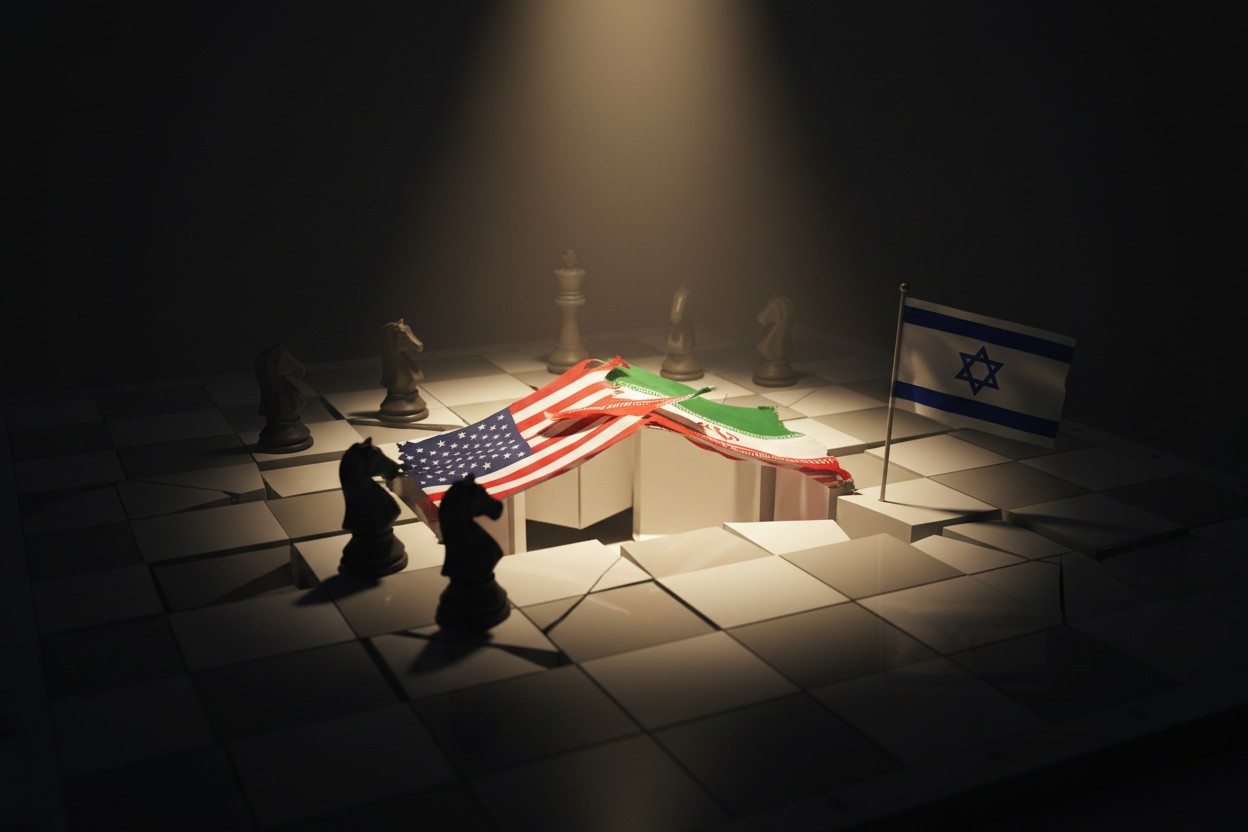
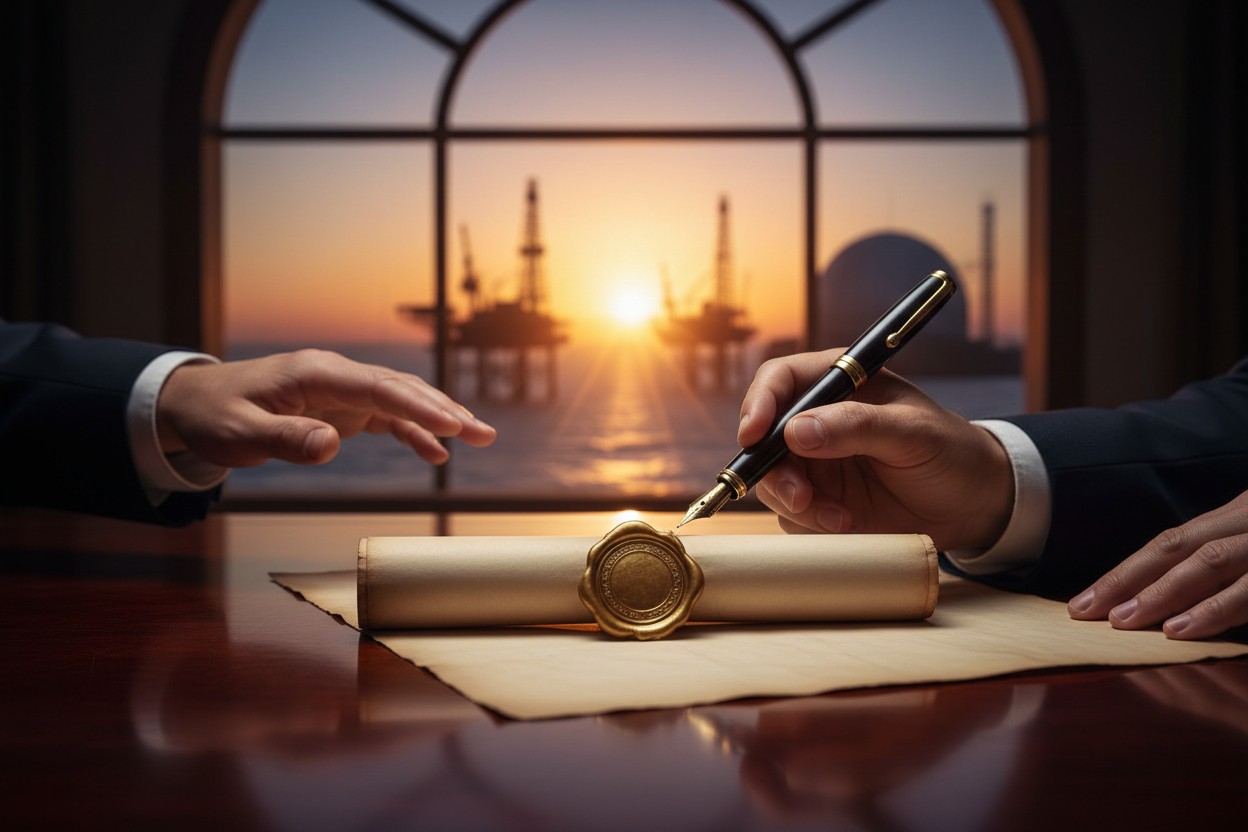
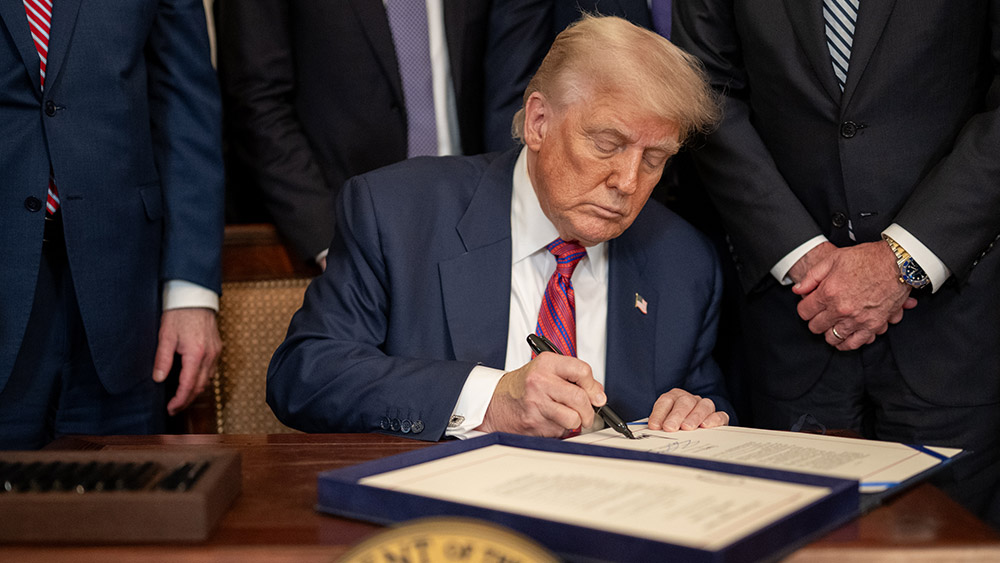
U.S. President Donald Trump, Vice President JD Vance, and Iran’s Parliament Speaker Mohammad Bagher Ghalibaf have virtually signed a 14-point memorandum of understanding to end the U.S. naval blockade of the strait, Iranian ports, and the broader Gulf region, according to senior U.S. sources cited by CNN. The interim peace deal, set for formal signing in Geneva on Friday, promises a 60-day ceasefire extension and the start of nuclear negotiations. But beneath the surface of this diplomatic breakthrough lies a web of unanswered questions: What exactly did Iran promise in exchange for unfreezing access to a potential $300 billion reconstruction fund? And can a nation that Western intelligence agencies have long accused of pursuing nuclear weapons be trusted to honor a piece of paper? The answer is no, because Iran demands Israel stop the bloodshed in Lebanon, and Israel won’t listen. The U.S.-Iran peace buyout Deal is destined to fail.
Key points:
- Trump and Iran’s Ghalibaf have agreed to a 14-point interim deal reopening the Strait of Hormuz and beginning nuclear talks.
- VP Vance suggested Iran could access a $300 billion Gulf-funded reconstruction fund if it complies.
- Israel remains opposed, with Netanyahu saying he and Trump “do not always see eye-to-eye”.
- Commercial oil inventories are already below the trough of early 2022, signaling a tightening market.
- Analysts warn that even with the strait reopening, physical energy markets could take months to normalize.
The $300 billion question: A bribe or a bridge to peace?
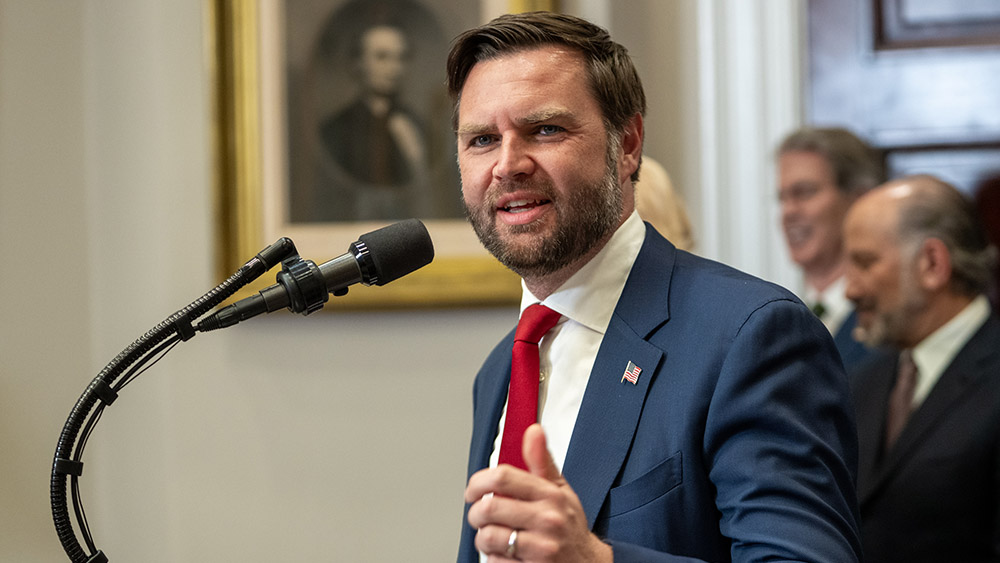
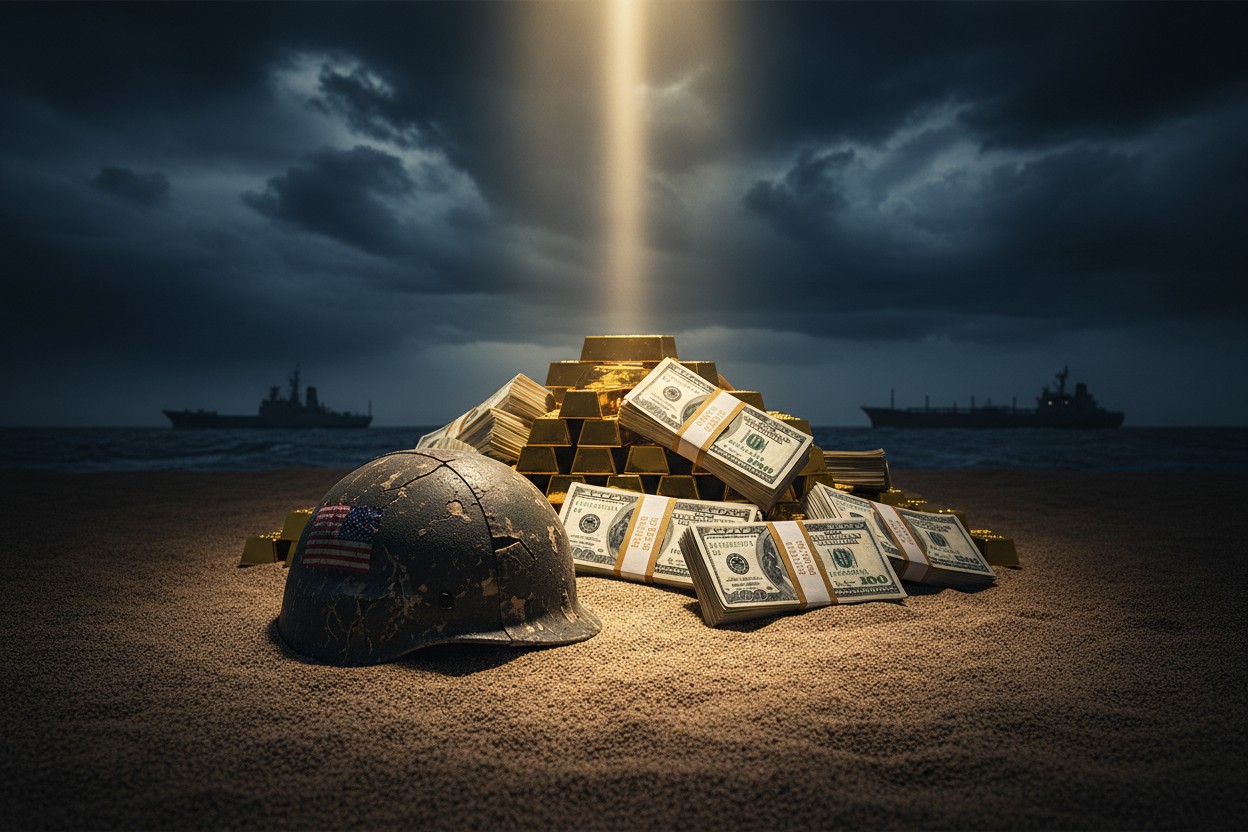
Vice President JD Vance told CBS News that Iran “could have access” to a $300 billion reconstruction fund, funded by the Gulf Coast coalition, provided they “honor their end of the obligation.” Trump immediately denounced reports of a $300 billion payment as “Fake News, put out by the Dumocrats,” writing on Truth Social that “Iran has agreed to never have a Nuclear Weapon!”
This contradiction between the administration’s messaging and the reality of the deal raises serious concerns. The fund, as described by Vance, would be a massive financial injection into an Iranian economy that has been crippled by sanctions, a move that critics argue could free up resources for Tehran’s nuclear ambitions. Trump insists the deal is about preventing Iran from obtaining a nuclear weapon, but the timing is suspicious. Commercial oil inventories are already 7 million barrels below the early 2022 trough and declining at a weekly rate of 11 million barrels, according to Barclays analyst Amarpreet Singh.
With the U.S. strategic petroleum reserve releases structured as loans rather than supply additions, the Trump Administration’s energy policies have left the country vulnerable. Now Trump appears to be negotiating from a position of weakness, offering financial lifelines to a regime that has repeatedly violated international agreements.
Israel’s rejection: The most dangerous wildcard
Prime Minister Benjamin Netanyahu has staked his political future on his relationship with Trump, but that relationship is now a liability. The U.S.-Iran deal leaves the Islamic Republic intact, an unpalatable prospect for Israelis across the political spectrum. Netanyahu, facing an election this fall, must contend with an agreement that effectively legitimizes Iran’s regional influence.
Israeli officials have already declared that “Trump’s agreement does not bind us,” and troops will remain in southern Lebanon despite Iran’s foreign minister Abbas Araghchi demanding a full Israeli withdrawal as part of the deal. The situation is dangerously volatile: Iran has linked the deal’s survival to Israeli compliance, while Israel has made clear it will pursue its own security interests.
If Netanyahu feels cornered politically, a preemptive strike against Iran’s deep underground nuclear facilities could trigger the exact scenario the deal is supposed to prevent. Iran has shore batteries on the islands of Hormuz and Abu Musa, missile launchers in Bandar Abbas and Jask, and the capability to block the strait within hours. The Houthis have already demonstrated in the Red Sea how easily a determined adversary can disrupt global shipping with relatively primitive weapons. Iran’s arsenal is far more sophisticated, including seaborne drones and missiles that could sink any ship attempting to navigate through. History shows that these people refuse to capitulate to one another, and years of resentment and distrust and the war in 2026 have only renewed the hatred toward one another. The U.S. Iran Deal seeks a buyout to keep the peace, but the deal will be temporary like all the others that followed it.
Sources include:
Submit a correction >>
Tagged Under:
Benjamin Netanyahu, Brent crude, commercial inventories, energy crisis, energy markets, geopolitical risk, global inflation, Gulf blockade, Iran Deal, Israel opposition, Middle East conflict, missile launchers, nuclear negotiations, oil prices, Qatar LNG, reconstruction fund, regional war, Strait of Hormuz, strategic petroleum, U.S. foreign policy
This article may contain statements that reflect the opinion of the author
RECENT NEWS & ARTICLES