Downstream Risks From Trump’s War With Iran
07/15/2026 / By Mike Adams
We Are Sleepwalking into a Global Collapse
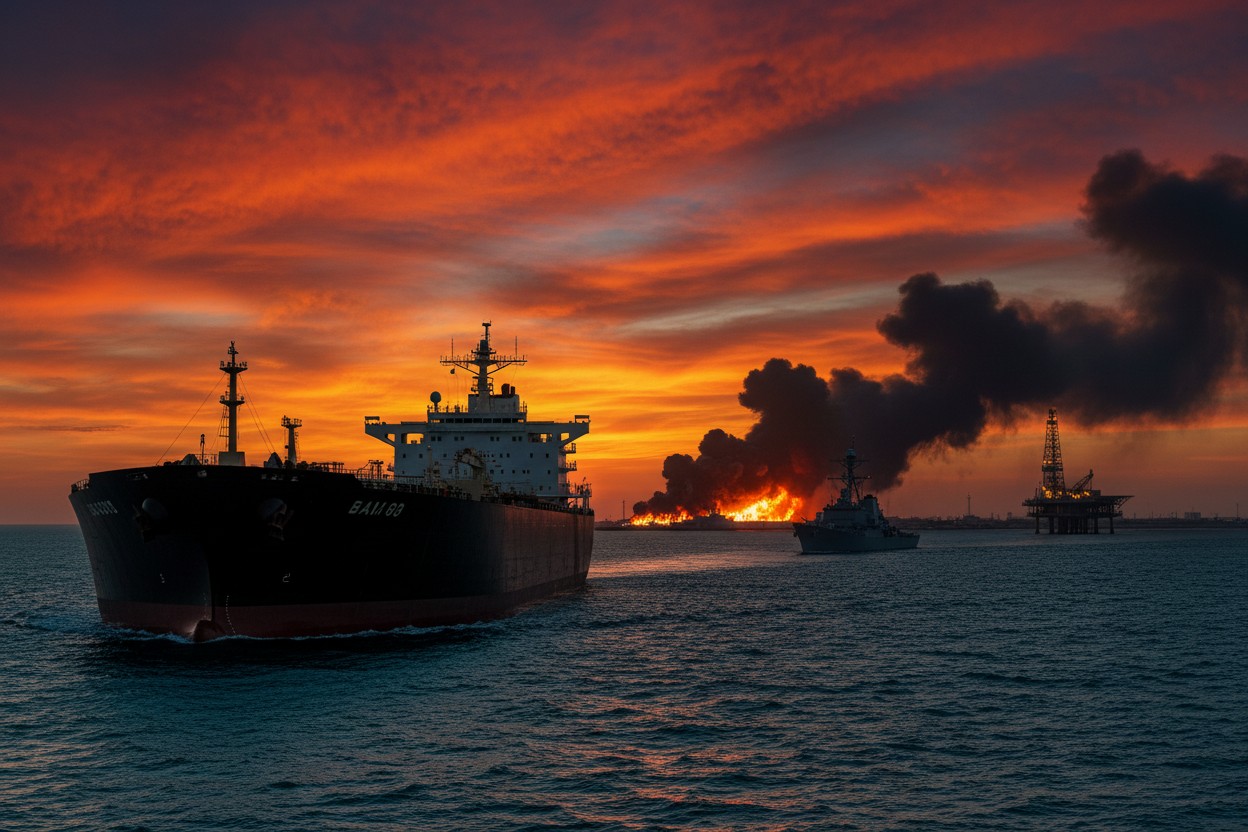
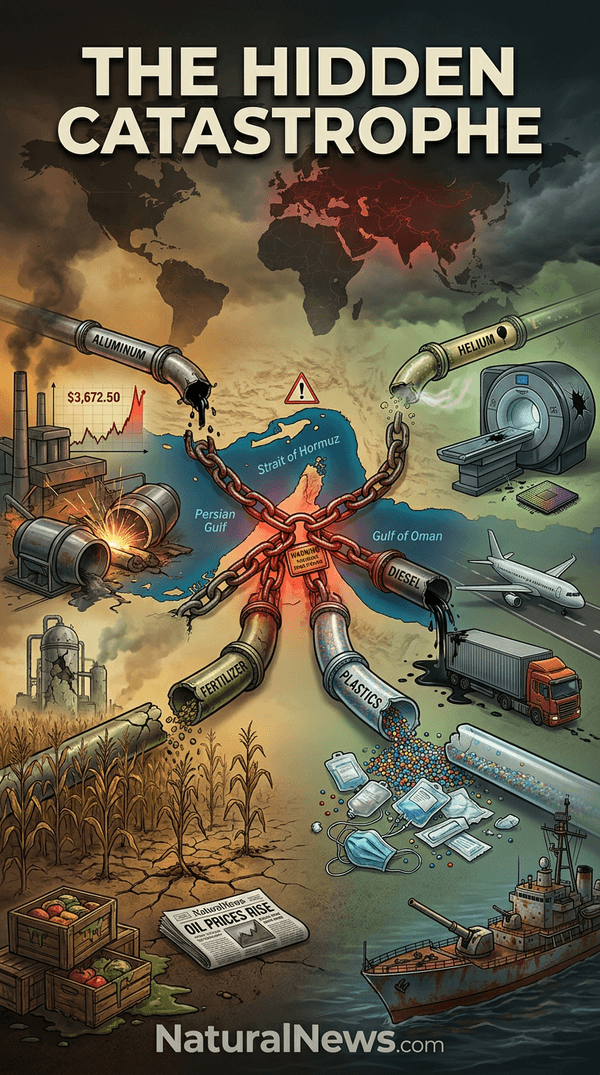
The mainstream media obsesses over oil prices. Every time a barrel jumps a few dollars, the pundits wring their hands. But they are missing the real story — the one that will crash civilization long before a gas pump runs dry. What I see, from my years tracking global supply chains, is a nightmare hidden beneath the headlines: the war with Iran is severing the arteries that carry downstream commodities — aluminum, fertilizer, diesel, plastics, helium — the very things that makes modern life possible.
And those things are going to become astonishingly scarce as current stockpiles and buffer supplies run out. I believe we are not just watching a regional conflict — we are sleepwalking into a global collapse.
Aluminum: The Metal That Builds Everything Is About to Become Extremely Costly and Increasingly Scarce
Aluminum is the backbone of modern industry. Aircraft, cars, data centers, military hardware — they all depend on cheap, abundant aluminum. But aluminum smelters are energy hogs, and the cheapest energy in the Middle East is natural gas. When Qatar’s massive Ras Laffan LNG field went offline due to the war, and the Strait of Hormuz shut down, the natural gas that powers the world’s largest aluminum smelters simply stopped flowing.
As I reported in NaturalNews.com, the Iran conflict has caused severe disruptions to global helium and aluminum supplies, threatening semiconductor manufacturing and medical equipment makers [1]. Just weeks later, the Hormuz shipping crisis forced a major aluminum producer to slash output, spiking market prices [2]. By May 2026, aluminum on the London Metal Exchange had skyrocketed to a four-year high of $3,672 per metric ton [3]. It is now headed even higher.
Without that metal, we cannot build the things that power our modern world. The supply crunch is not a blip; it is a structural collapse of a critical industrial input, and it will ripple through every sector of the economy.
Fertilizer Famine: Starving the World to Win a War
The real horror story of this war is food. Nitrogen fertilizer — the stuff that feeds half the planet — is made from natural gas via the Haber-Bosch process. As I explained in my Bright Videos broadcast, that process requires substantial energy, and hydrogen is typically sourced from natural gas [4]. Without that natural gas, ammonia production plummets, and you can’t make the nitrogen branch of fertilizers (ammonia is NH3).
Phosphorus fertilizer, meanwhile, depends on sulfuric acid, which is a byproduct of oil refining. Without sulfuric acid, you can’t pull phosphorous from phosphate ore, and without phosphorous, most crops won’t grow at all.
The result of the current shutdown of the SoH is a 30 to 50 percent reduction in global fertilizer availability. In another broadcast, I warned that staples like corn, wheat, and soy could see a 10 to 20 percent yield decline [5]. This is not a prediction — it is now a certainty. Countries like China, which imports vast amounts of food, and the Gulf states that depend entirely on imports, will be hit first. Famine will sweep across Southeast Asia and Africa. As Sharon Astyk wrote in Depletion and Abundance, our food is grown with oil, packaged in oil, and transported with oil [6]. Take away the oil and gas, and the food system collapses. We are looking at a mass starvation event that could actually kill billions if the supply chain collapse worsens.
Diesel, Jet Fuel, and Plastics: The Arteries of Modern Society Are Clogging
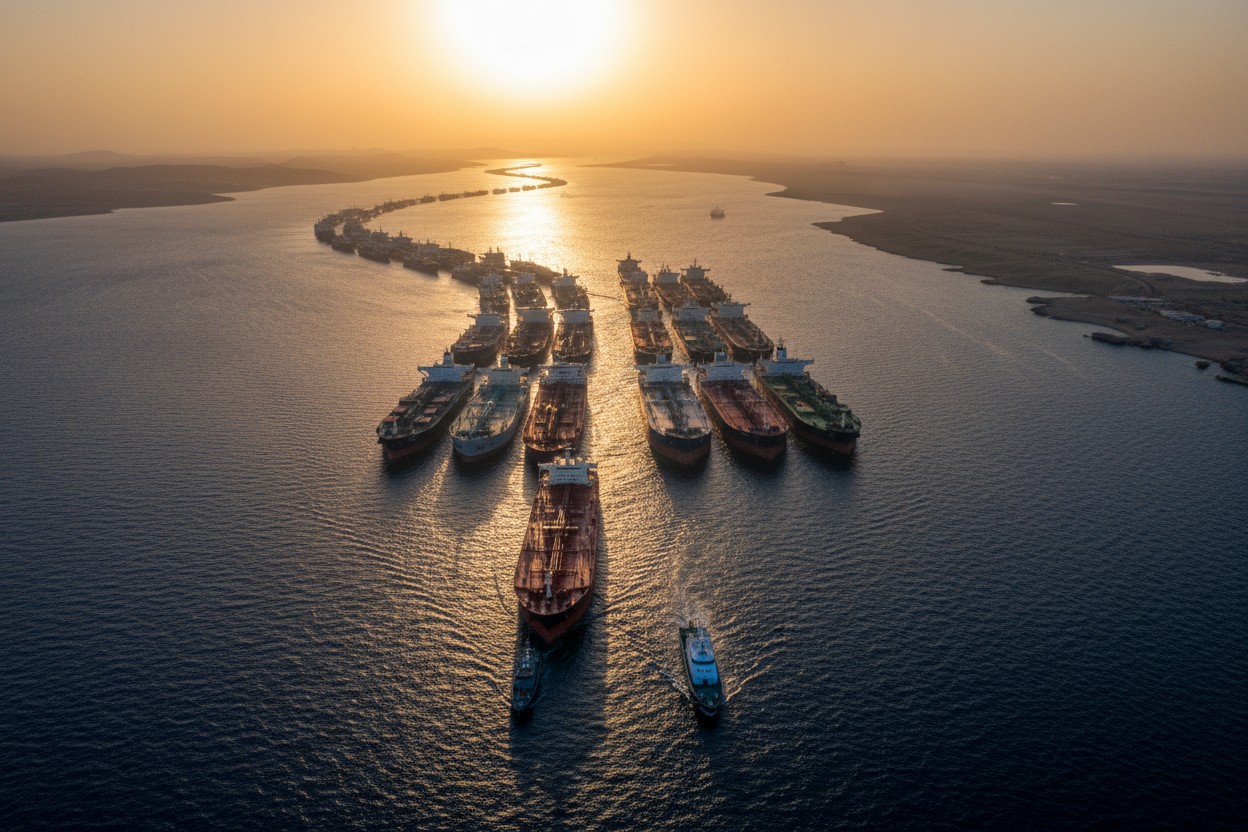
It is not just food and metal, of course. The heavy crude that refineries turn into diesel and jet fuel comes predominantly from the Middle East. American refineries cannot switch to lighter shale oil overnight — the infrastructure is not designed for it. As oil prices surge and the Strait remains blocked, diesel shortages are inevitable. Jet fuel will become a luxury. The global supply chains that keep stores stocked and hospitals running will grind to a halt.
And then there are plastics. Naphtha, a key feedstock for polyethylene, comes from crude oil refining. Plastics are in everything: packaging, medical devices, construction materials. Imagine trying to buy food in a modern grocery store without plastic food packaging. Half the shelves would be bare.
Qatar’s warning that the Iran war could trigger a “global economic collapse” was not hyperbole [7]. This is a systemic shock. In my interview with Andy Schectman, we discussed how the economic consequences of the Middle East crisis could push humanity into very dangerous territory [8]. The arteries of modern society are clogging, and without immediate peace, we will see a cascading failure of every system we depend on… with truly catastrophic effects to follow.
Helium and the Tech Bubble: Even AI Can’t Escape This Crisis
Most people have no idea that almost 25 percent of the world’s helium comes from the Persian Gulf. Helium is not just for party balloons; it is essential for cooling MRI machines, manufacturing microchips, and producing high-bandwidth memory for AI data centers. As I reported earlier, the Iran conflict has disrupted helium supplies, threatening semiconductor manufacturing [1]. China has already banned helium exports, tightening the noose further.
The AI infrastructure buildout — the bubble that financial markets are riding — depends entirely on those chips. When the semiconductor supply chain breaks, the AI bubble pops. We are already seeing it: chip stocks tumbled earlier this month as the Iran war returned, with SK Hynix crashing 15 percent in a single day [9]. Without helium, hospitals will struggle to run MRIs. Tech will stall. The entire illusion of a tech-driven recovery will evaporate. This is not an isolated shortage; it is a chain reaction that will take down the most hyped sector of the modern economy. And given that a huge portion of the U.S. stock market is held up by a shockingly small number of semiconductor stocks, if they give way, the stock market as a whole takes a brutal beating.
The Only Path Forward: Peace Before It’s Too Late
The math is inescapable. If this war escalates to a worst case scenario, we face a 25 to 50 percent population reduction through famine, war, and societal collapse. That is 2 billion or more deaths. And for what? As Middle East Eye reported, the war on Iran was a strategic disaster for America and Israel, with Iran emerging victorious . Sixty percent of U.S. voters already think the war was not worth it . Even 92 percent of Israelis believe Iran has won [10].
I believe the only way out is to end the U.S. military presence in the Middle East. Peace and open trade are the only forces that can prevent this catastrophe.
But in the mean time, prepare for the worst — store food, stack silver, learn to grow your own — but also demand peace. The globalist war machine is consuming us alive. We must stop it before civilization itself unravels.
References
- Iran Conflict Disrupts Critical Helium and Aluminum Supplies with Global Economic Impact – NaturalNews.com. April 9, 2026.
- Hormuz shipping crisis forces major aluminum production cut threatening global supply – NaturalNews.com. Cassie B. March 16, 2026.
- Aluminum Skyrockets to Four Year High as Globalist Supply Crunch Exposes the Rot of Centralized Control – NaturalNews.com. Douglas Harrington. May 29, 2026.
- Bright Videos News – SUPERSTORMS FAMINE ZEE transcript – Mike Adams. May 1, 2026.
- 2026-03-05-BVN-GLOBAL FOOD INFLATION INCOMING – Bright Videos Network.
- Depletion and Abundance: Life on the New Home Front – Sharon Astyk.
- Qatar warns Iran war could trigger global economic collapse as energy exports grind to halt – NaturalNews.com. Kevin Hughes. March 12, 2026.
- Mike Adams interview with Andy Schectman – October 31, 2023.
- Futures Slide, Oil Surges As Iran War Returns, Chip Stocks Tumble As Korea, SK Hynix Crash – Zero Hedge. July 13, 2026.
- Ninety-two percent of Israelis think Iran has won war, new poll finds – Middle East Eye. June 21, 2026.
- Iran’s strikes show its priority is flexing muscle on Hormuz, not dealing with Trump – Times of Israel. July 14, 2026.
- Trump retreat over Hormuz tolls suggests he is struggling to end Iran war – BBC News. July 14, 2026.
- Origins: How the Earth Shaped Human History – Lewis Dartnell.
Explainer Infographic
Submit a correction >>
Tagged Under:
AI, artificial intelligence, conspiracy, corruption, current events, deception, government, lies, national security, politics, propaganda, tech bubble, Trump, war on Iran
This article may contain statements that reflect the opinion of the author
RECENT NEWS & ARTICLES