Senate advances sweeping Russia sanctions bill targeting top oil buyers, provoking China
07/17/2026 / By Willow Tohi

- A bipartisan Senate bill, named the “Lindsey Graham Russia Accountability Bill,” would authorize President Trump to impose up to 100% tariffs on the five largest buyers of Russian oil and gas, including China and India.
- The legislation has White House backing and Senate Majority Leader John Thune has signaled a vote could occur within 30 days, following months of negotiations and technical revisions.
- China’s Foreign Ministry condemned the proposed tariffs as illegal unilateral sanctions, vowing to protect Chinese companies and citizens through countermeasures.
- The bill targets China, India, Slovakia, Hungary and Azerbaijan as major Russian energy purchasers, with a carve-out exempting European allies reducing their Russian gas imports below 15%.
- The legislation follows the death of Sen. Lindsey Graham, its chief architect, and represents a significant escalation in economic pressure on Russia’s wartime revenue streams.
A new chapter in economic warfare
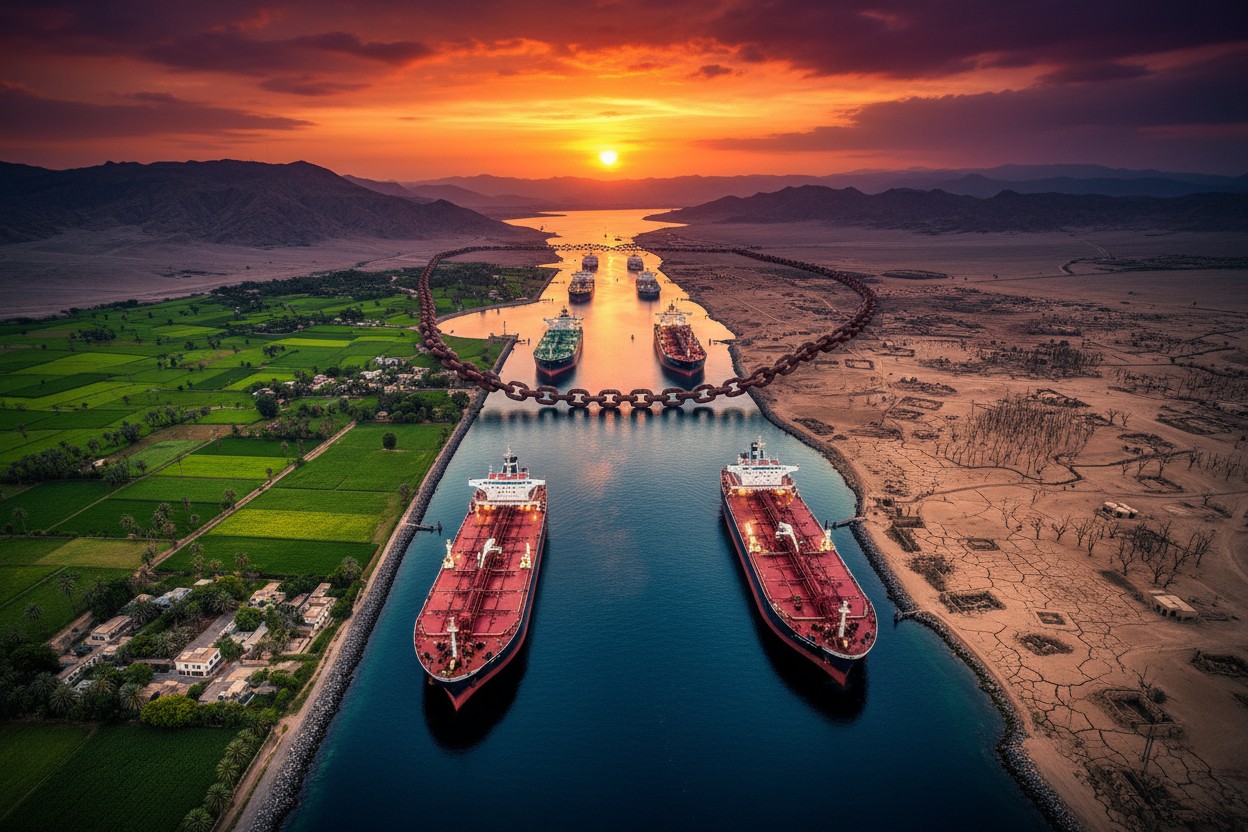
A bipartisan coalition of U.S. senators has formally introduced legislation granting President Donald Trump authority to impose tariffs of up to 100% on the five largest purchasers of Russian oil and gas, marking a dramatic escalation in economic pressure against Moscow more than four years into its invasion of Ukraine. The bill, unveiled Tuesday on Capitol Hill and dubbed the “Lindsey Graham Russia Accountability Bill” after its late chief sponsor, targets China, India, Slovakia, Hungary and Azerbaijan. White House endorsement has cleared the path for Senate action within 30 days, according to Majority Leader John Thune, as Beijing responds with threats of retaliatory measures.
The legislative framework
The revised sanctions bill authorizes Trump to set tariff rates on goods imported from nations identified as the top buyers of Russian crude and natural gas. Unlike earlier drafts that envisioned rates up to 500%, the current version caps tariffs at 100%, with the U.S. Trade Representative determining precise levels. Senators Richard Blumenthal, D-Conn., and Roger Wicker, R-Miss., said the rate would be set high enough to strongly discourage continued purchases from Russia.
The legislation includes waiver authority and congressional reporting requirements if tariffs are later reduced. A critical carve-out exempts European allies importing less than 15% of their gas from Russia if they are already reducing purchases, shielding most NATO partners from immediate impact.
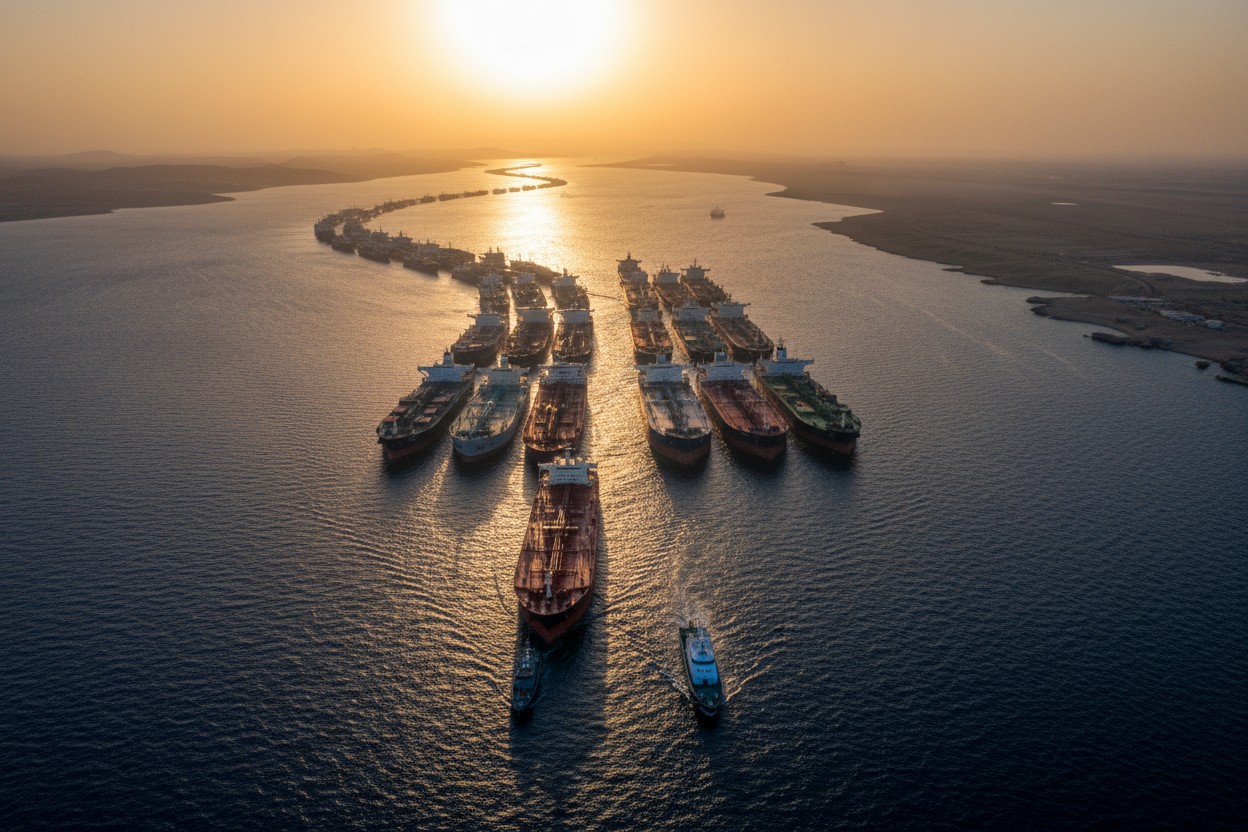
Sen. James Risch, R-Idaho, chairman of the Senate Foreign Relations Committee, secured a separate provision targeting Russia’s “shadow fleet” of tankers used to evade existing oil price caps and export restrictions.
Historical context and strategic significance
The proposed secondary tariffs represent a fundamental shift in U.S. economic statecraft. Previous sanctions regimes focused on direct restrictions against Russia; this bill targets the sovereign nations enabling Moscow’s continued energy revenue.
China has emerged as Russia’s primary economic lifeline during the war, purchasing discounted crude at levels that analysts say directly fund Putin’s military campaign. Beijing’s large-scale energy imports have helped stabilize the Russian economy despite Western sanctions. India similarly surged purchases of Russian crude to a record high in June, buying EUR 4.5 billion worth and accounting for 83% of its total Russian fossil fuel imports.
The legislation comes less than two months after Washington and Beijing signed a trade framework designed to ease tariff tensions. During the previous trade dispute, the U.S. imposed duties up to 145% on Chinese imports, while Beijing retaliated with tariffs up to 125% on American goods and restricted rare earth mineral exports critical to U.S. defense industries.
International reactions and diplomatic fallout
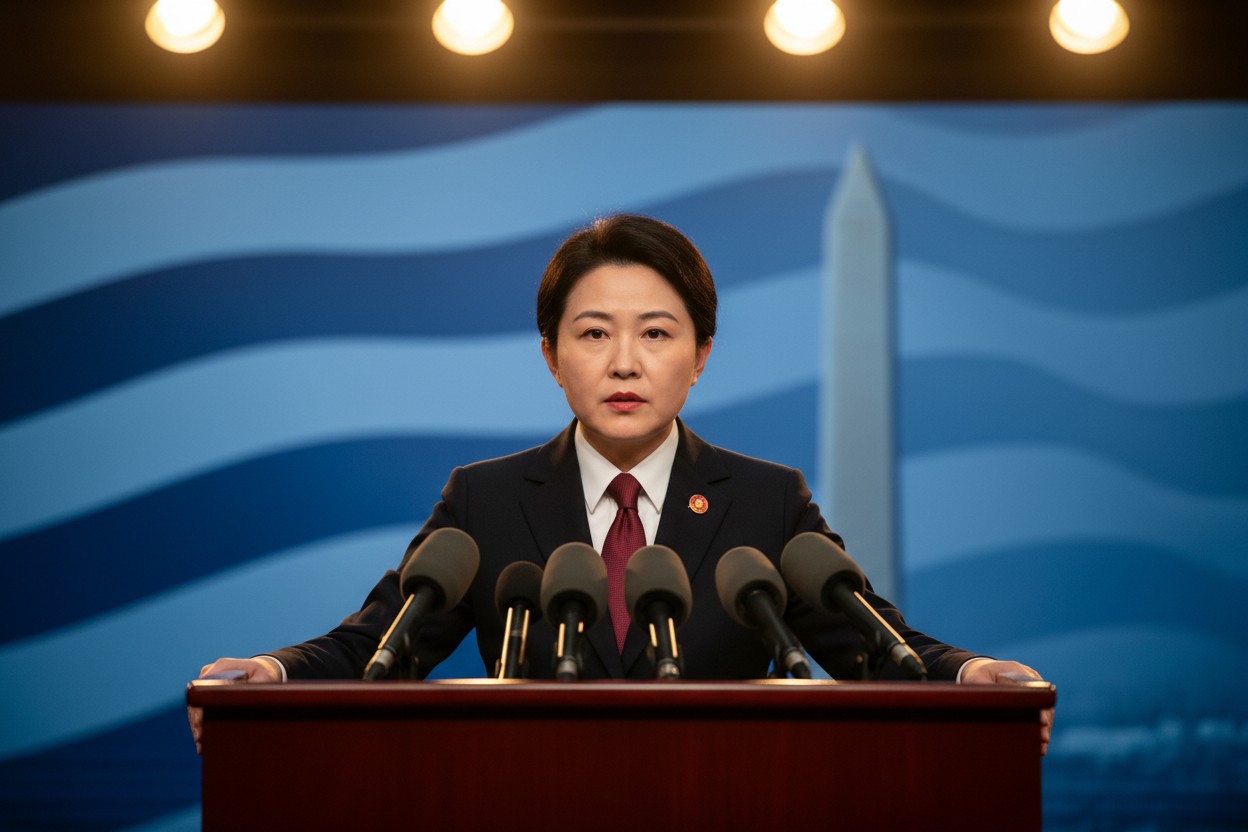
Chinese Foreign Ministry spokesman Lin Jian condemned the proposed legislation Wednesday as lacking basis in international law or U.N. Security Council authorization.
“China firmly opposes illegal unilateral sanctions,” Lin said, vowing to take all necessary measures to protect Chinese enterprises and citizens. He warned that practicing double standards and resorting to coercion would prove self-defeating.
The bill’s narrowed focus represents months of negotiations with the Trump administration, which has now endorsed the measure in writing. Senators said the current draft targets a discreet number of five oil and five gas buyers, reduced from earlier versions that could have affected 63 countries.
Sen. Wicker described the legislation as “Lindsey Graham’s greatest achievement,” pledging continued support to exert maximum economic pressure on Putin’s war machine. The late South Carolina senator spent nearly two years negotiating the measure before his death from heart complications Saturday.
Path forward and implementation
The bill must clear procedural hurdles in the Senate and pass the House of Representatives before reaching Trump’s desk. Senators said they have received assurances from Majority Leader Thune that a vote will proceed once sufficient support is secured, with action possible before the end of August.
Trump previously warned that if a peace deal is not reached within 50 days, he would implement 100% secondary tariffs on nations aiding Russia economically, including China, India, Brazil and Turkey. The current legislation formalizes that threat with congressional backing from 85 senators.
A defining test for global alliances
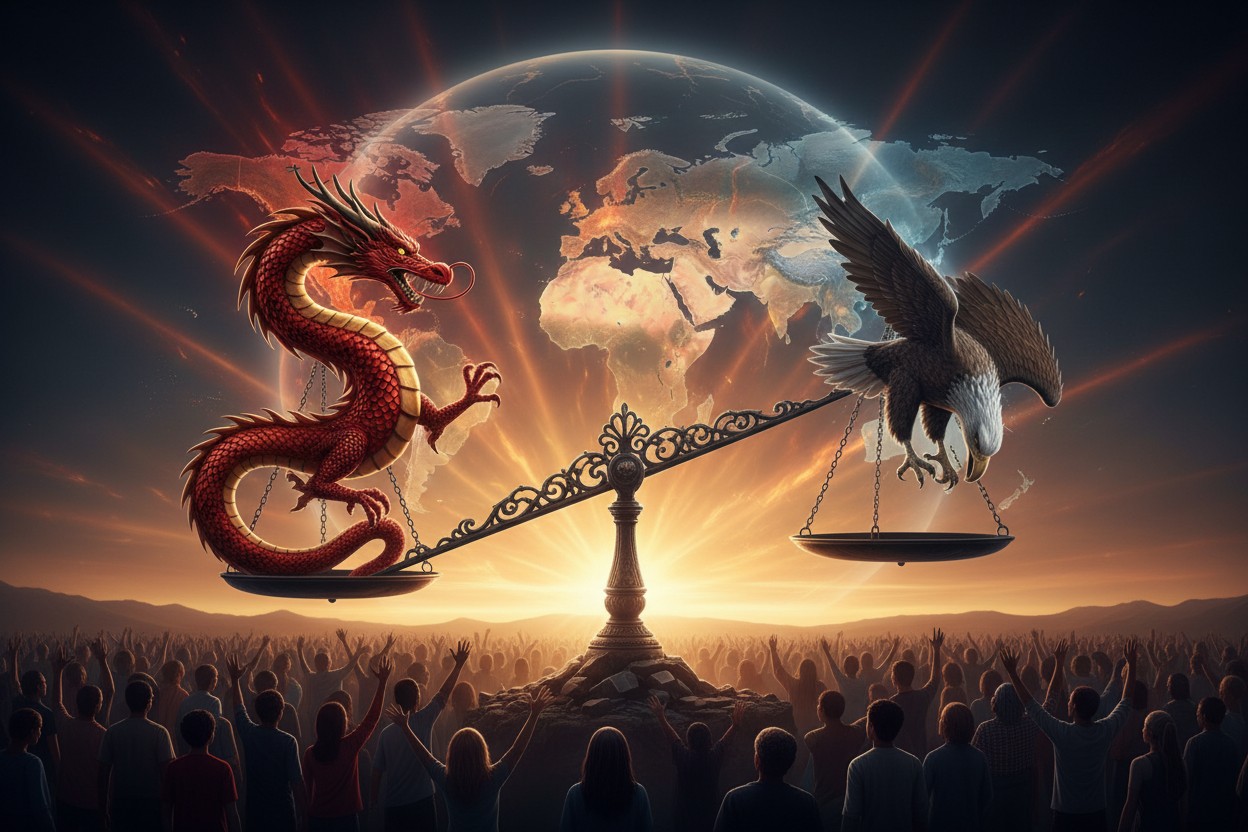
The Graham Russia Accountability Bill represents the most aggressive congressional effort to date to sever the financial arteries sustaining Russia’s war machine. By targeting the sovereign purchasers of Russian energy rather than Moscow alone, the legislation redefines the boundaries of economic warfare and challenges longstanding assumptions about allied neutrality. As China vows countermeasures and India navigates between energy security and Western alignment, the coming weeks will test whether secondary sanctions can force genuine behavioral change among Russia’s remaining customers—or whether they will accelerate the fragmentation of global trade into rival economic blocs. The outcome carries implications far beyond Ukraine, potentially reshaping the architecture of international sanctions for decades to come.
Sources for this article include:
Submit a correction >>
Tagged Under:
big government, China, energy supply, Globalism, Lindsay Graham, national security, new energy report, Resist, Senate, Trump, White House, WWIII
This article may contain statements that reflect the opinion of the author
RECENT NEWS & ARTICLES