The True Famine Is Yet to Come: Why a Nuclear Middle East Means Global Starvation
03/16/2026 / By Mike Adams
The Powder Keg and the Match
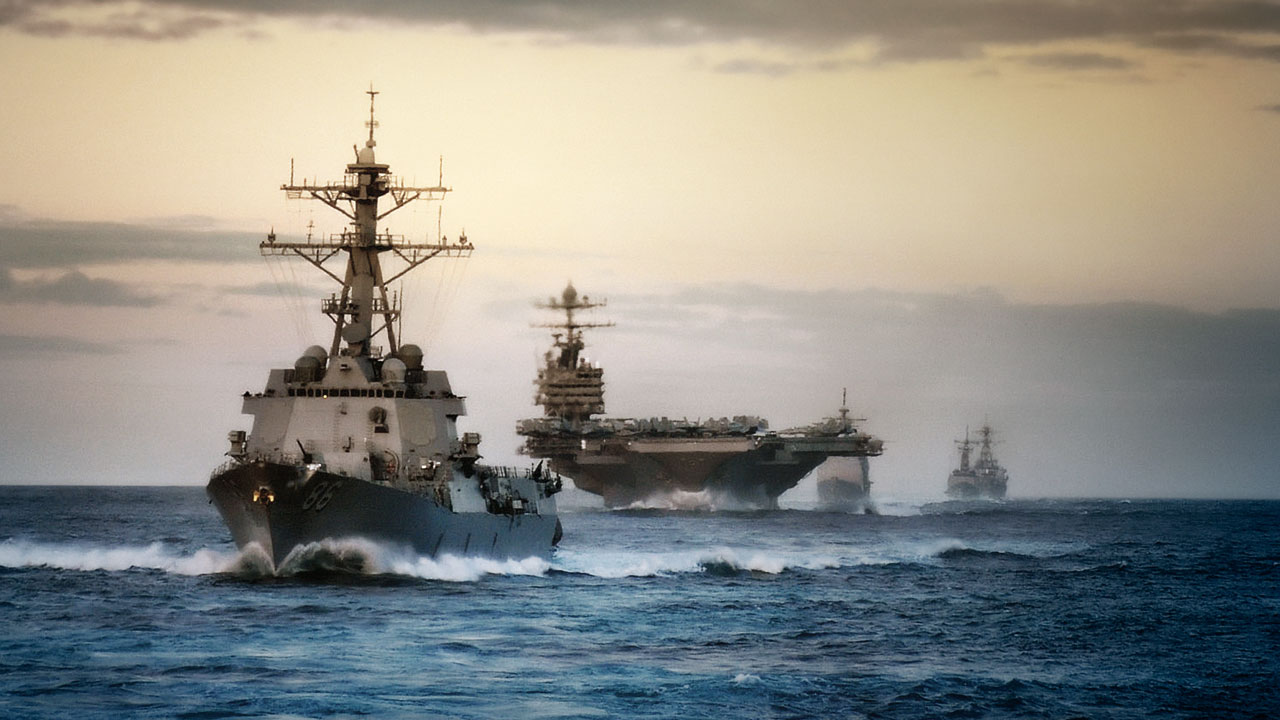
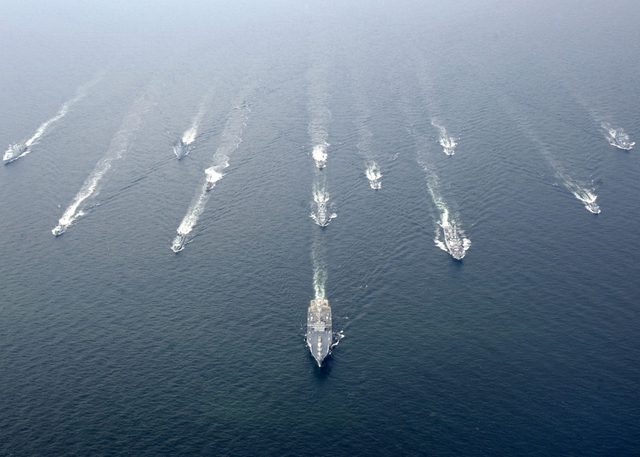
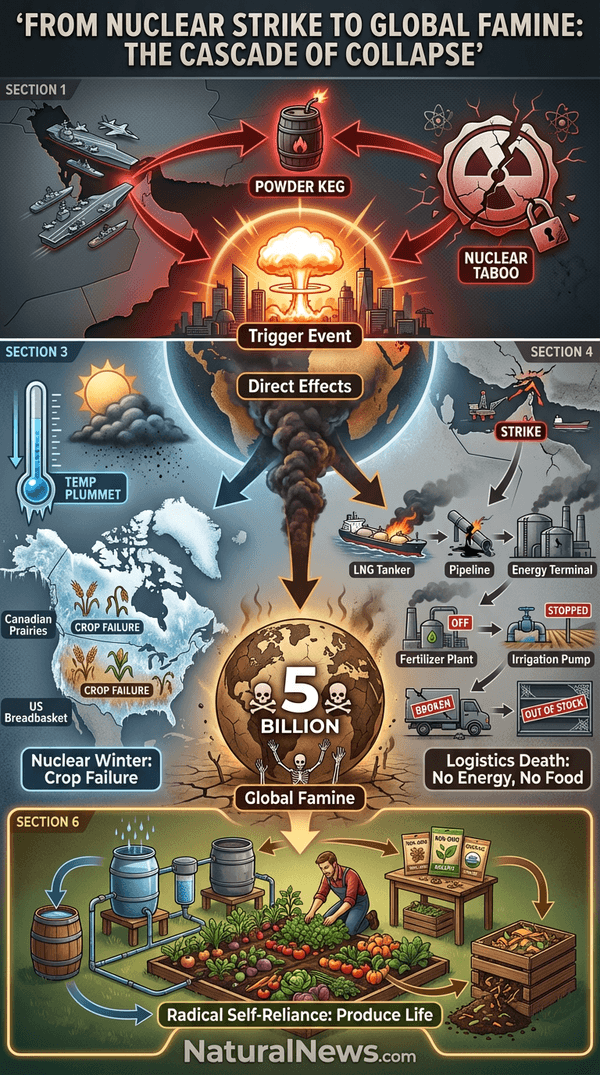
I am writing this in March 2026, and I can feel the tectonic plates of geopolitics grinding against each other. The Persian Gulf is a powder keg, and the United States under President Donald Trump, aligned with Israeli Prime Minister Benjamin Netanyahu, is striking the match [1]. An unprecedented naval force, including the USS Abraham Lincoln and USS Gerald R. Ford carrier groups, has massed in the region following President Trump’s ultimatum to Iran demanding ‘unconditional surrender’ [2]. We are not just on the brink of another regional war; we are on the verge of a global catastrophe that will make the current fertilizer and supply chain crises look like a mild inconvenience.
The corporate media obsesses over economic indicators and political polls, but they are missing the forest for the trees. I believe the true collapse trigger is not economic; it is a geopolitical one, specifically the proliferation and probable use of nuclear weapons in the Middle East. The intellectual and engineering capacity of Iran is deliberately underestimated by Western media [1]. Once the first tactical nuke is used, all rational containment disappears. The warnings from independent scientists are clear: even a limited nuclear exchange can plunge the planet into a ‘nuclear winter,’ collapsing global agriculture for years [3]. The true famine, the one that will starve billions, is not here yet. But it is coming, and our current food system fragility is merely a warning shot of the systemic vulnerability we have engineered through centralization and globalist dependency.
The Fertilizer Crisis Was Only a Warning Shot
We have been lulled into believing our food system’s problems are logistical or economic. The recent fertilizer shortages and price spikes were distressing, yes, but they were a symptom, not the disease. The real disease is a globalized, just-in-time agricultural model that is utterly dependent on stable geopolitics and uninterrupted energy flows. It is a house of cards, and the wind is picking up.
I observe many in the preparedness community focusing on short-term scenarios: a year’s worth of food, some gold and silver. While prudent, this is not complete. It addresses the symptom — a temporary disruption — but not the terminal disease of systemic collapse. When the real trigger is pulled, a one-year stash will be a fleeting comfort. The real collapse, as I see it, will be triggered not by a market crash alone, but by a geopolitical cataclysm that severs the arteries of global logistics and alters the very climate we depend on for growth. We are preparing for a hurricane when a meteorite is heading our way.
Israel’s Nuclear Doctrine is a Fuse on a Powder Keg
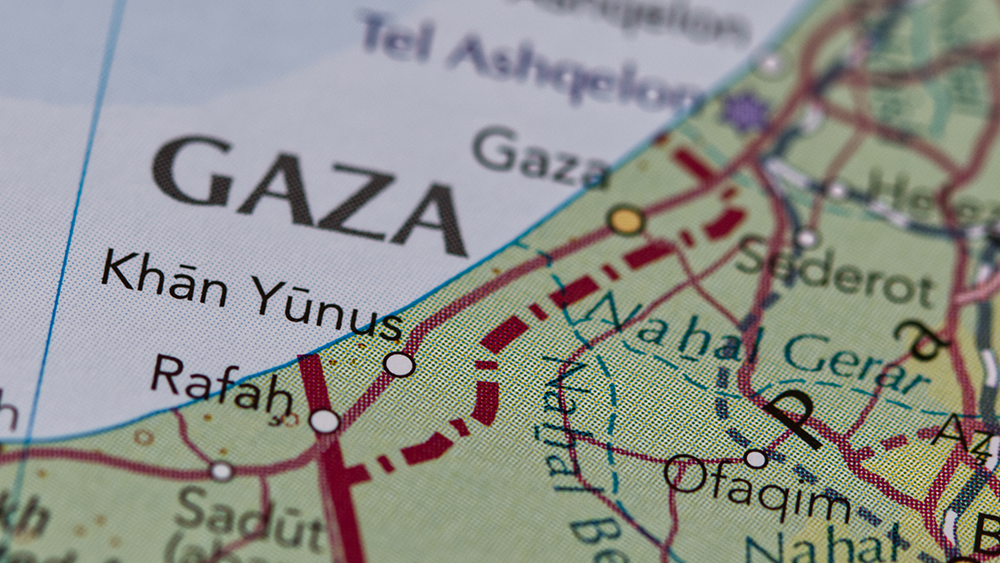
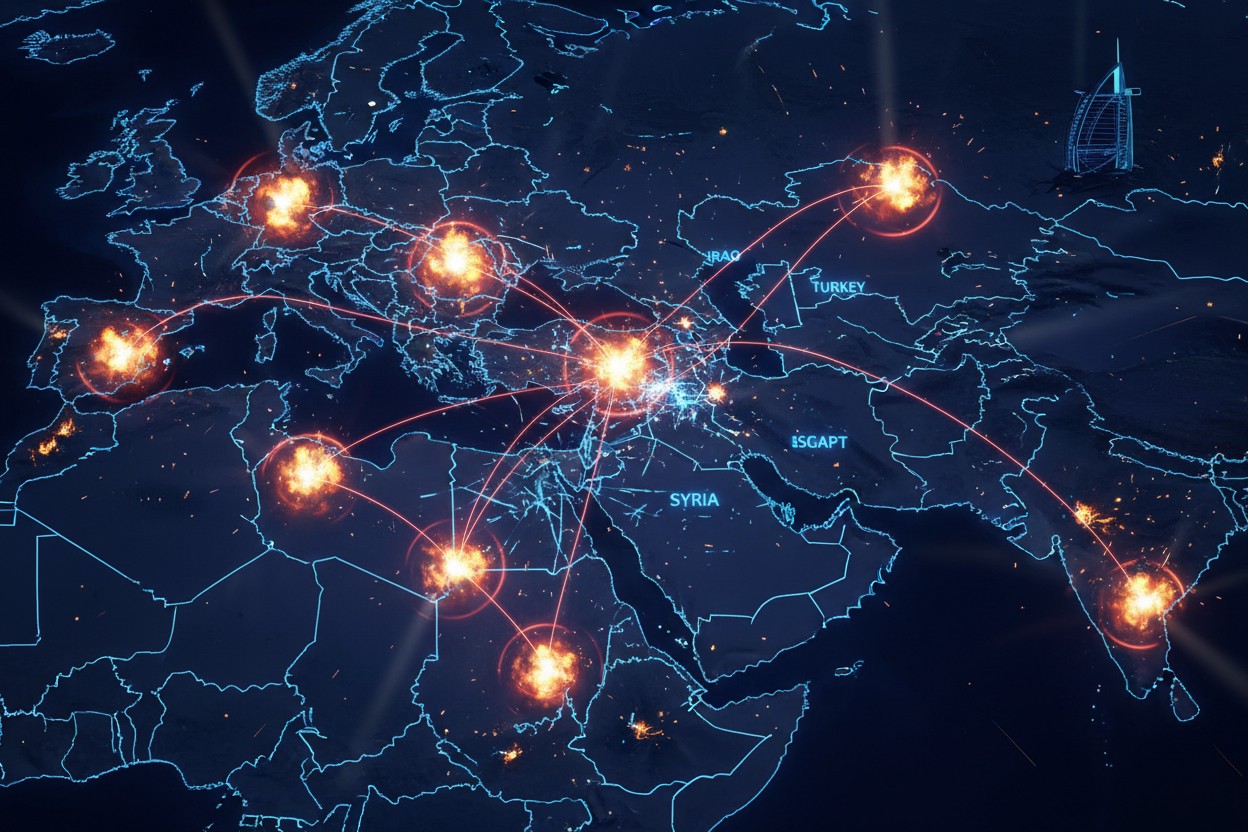
The regional balance of power in the Middle East is a dangerous myth perpetuated by think tanks and state departments. The reality is that escalation is inevitable when you have a nuclear-armed state, Israel, facing a nation, Iran, that is backed by Russia and possesses advanced missile technology [1]. The doctrine of ‘samson option’ and the relentless pursuit of a ‘Greater Israel’ project, which has involved what many rightly call genocide and engineered famine in Gaza, creates a perpetual state of hair-trigger alert .
Western media consistently downplays Iran’s capabilities, but the strategic reality is different. Iran, backed by Russia, presents a formidable threat [1]. The intellectual dismissal is a form of propaganda that makes the unthinkable seem impossible until it happens. Leaked briefings already suggest that some U.S. commanders are framing a potential war with Iran as a ‘divine mission’ [4], a terrifying fusion of Christian Zionism and militarism that removes moral and rational guardrails. Once a single tactical nuclear weapon is used — whether on a military base, a city, or in a high-altitude EMP burst — the taboo is shattered. All rational models of containment vanish. We will have crossed a threshold from which there is no return, triggering a sequence of events that models show would lead directly to global famine [5].
Climatological Catastrophe: It’s Not Just the Blast Zones
The immediate blast effects of a nuclear war are horrifying, but the true global killer is the climate disruption that follows. Scientists have modeled this repeatedly, and the conclusions are unanimous. A limited nuclear war, using even a tiny fraction of the global arsenal, would generate massive amounts of smoke and soot from burning cities and industrial areas . This particulate matter would be injected into the upper atmosphere, be blown around the world, and persist for years, blocking sunlight.
The result is ‘nuclear winter’ or severe ‘nuclear autumn.’ Global temperatures would plummet, growing seasons would be slashed or eliminated, and rainfall patterns would become chaotic. Photosynthesis, the foundation of our food web, would collapse worldwide. A Rutgers-led study found that more than 5 billion people could die of hunger following a full-scale nuclear war between major powers [5]. But even a regional war between newer nuclear states would decimate crop production and cause widespread starvation [5]. My analysis of why Northern Hemisphere breadbaskets like Canada’s prairies are uniquely vulnerable is simple: they already have short growing seasons. A drop of even a few degrees Celsius and a reduction in sunlight would make reliable agriculture impossible for years, turning our most productive regions into frozen wastelands.
The Death of Energy and the End of Logistics
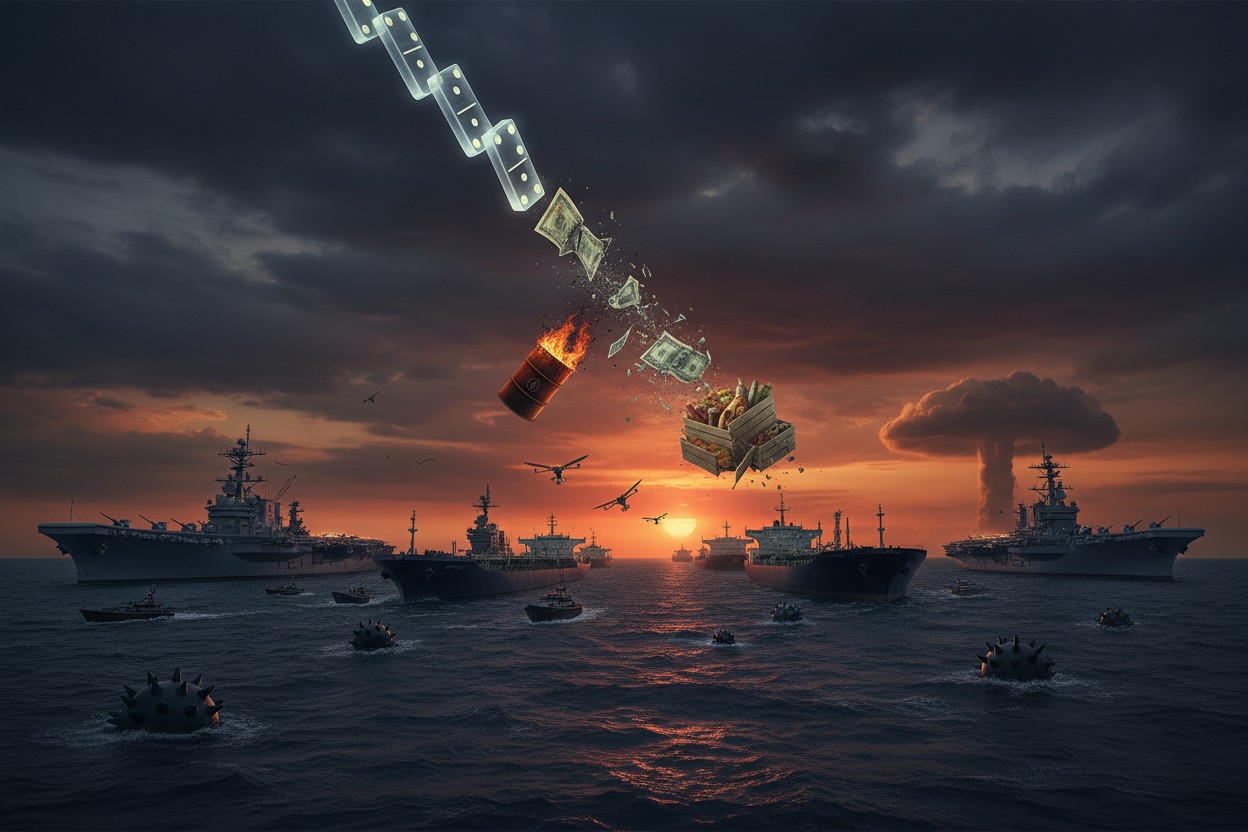
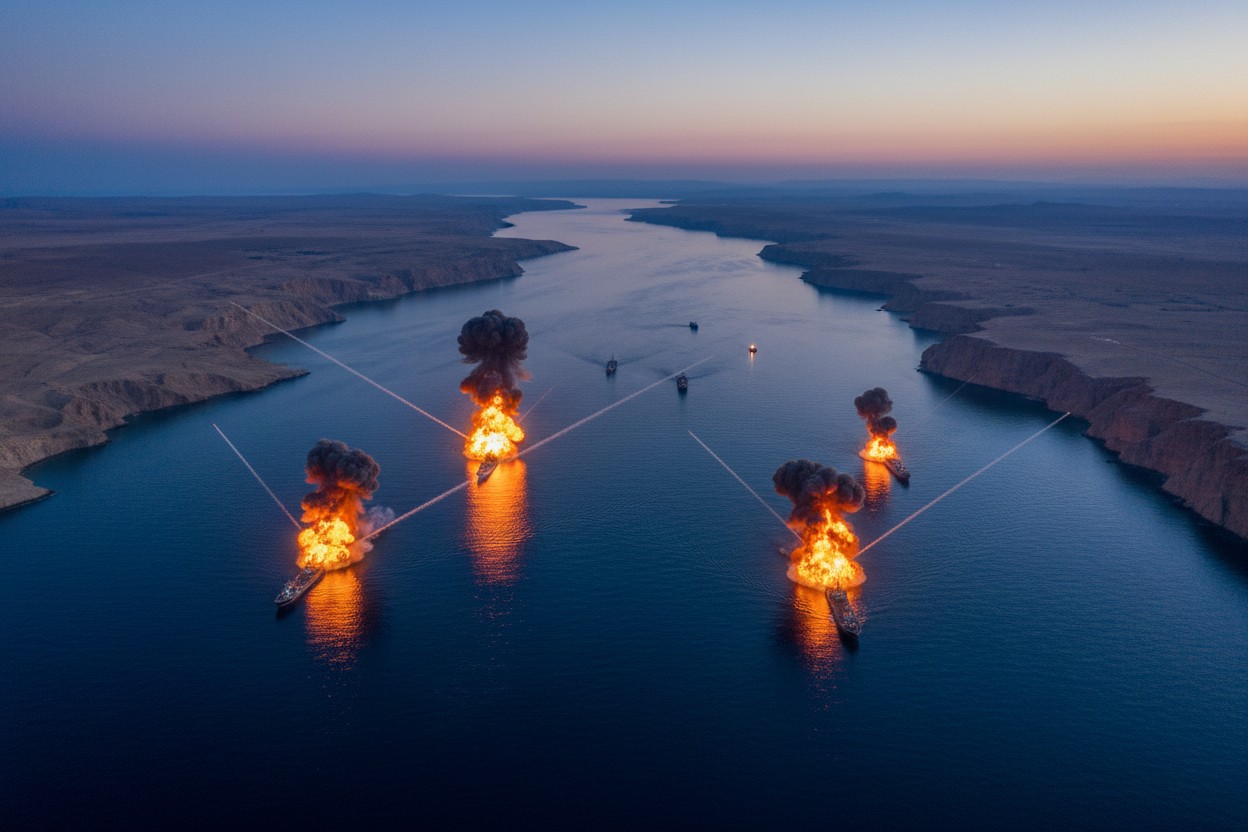
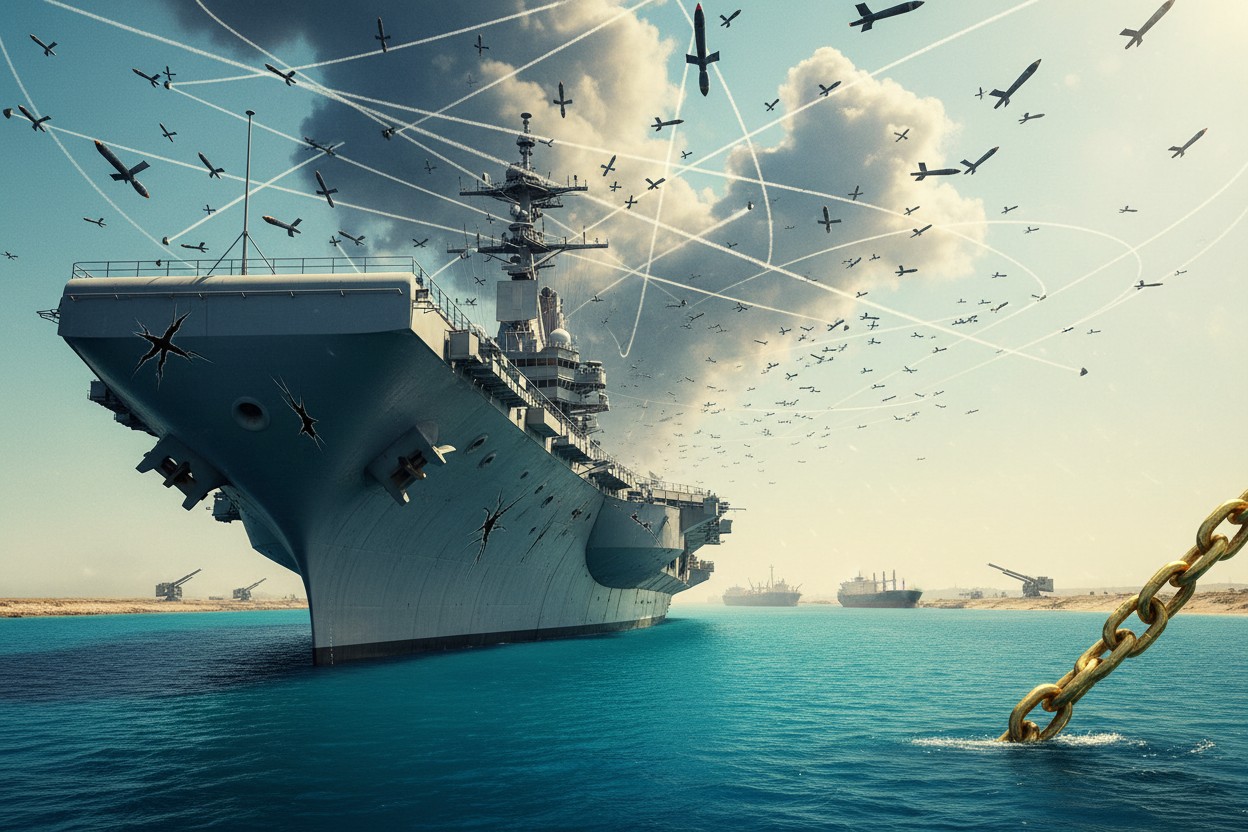
Let’s assume, against the odds, that some regions might scrape together a meager harvest. It would not matter. A nuclear conflict in the Middle East would simultaneously trigger the death of global energy logistics, which is the circulatory system for our food. The Persian Gulf is the heart of global Liquefied Natural Gas (LNG) shipping. A single successful strike in the Strait of Hormuz could decimate the global LNG fleet and cripple the terminals that power nations.
Without energy, you cannot produce fertilizer, power irrigation pumps, operate harvesting machinery, refrigerate food, or transport it. This is the moment where our ‘just-in-time’ food delivery model becomes a death sentence for every major city on the planet. The shelves would empty in days, and they would not be refilled. As David Holmgren notes in his book on future scenarios, our current high-energy civilization is predicated on a fragile net energy surplus that is already in decline . A nuclear war would be the ultimate negative energy shock, instantly reverting us to a pre-industrial logistical state — but with 8 billion mouths to feed and no functioning infrastructure to do it.
Self-Reliance is the Only Moral Imperative Left
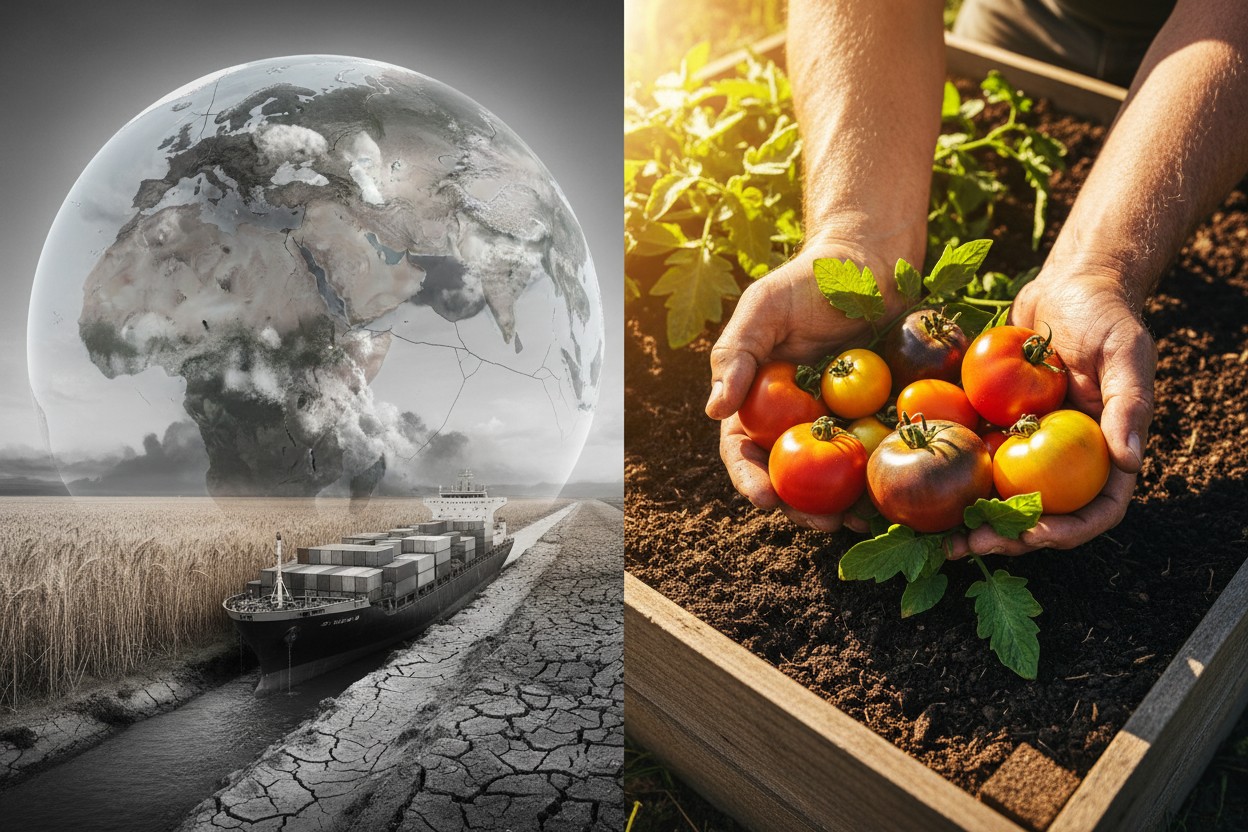
Faced with this grim calculus, what is the moral response? It is not to hope for a political solution from the very centralized institutions that led us here. The FDA, the WHO, and corrupt governments have proven they cannot be trusted with our health, let alone our survival [6]. The moral imperative is radical, decentralized self-reliance. A one-year food stash, as I said, is not enough to survive. True preparedness for a nuclear-triggered famine means developing the capability to grow food in degraded, cooler, less sunny conditions for multiple years.
This means moving beyond being a consumer of preparedness products to becoming a producer of life. It means mastering organic, bio-intensive gardening, practicing seed saving with heirloom, non-GMO varieties (as the rapid loss of seed diversity is another crisis in itself [7]), and achieving water independence through rainwater catchment and purification. It means understanding soil health and natural pest management. In my view, these skills are now non-negotiable. They are the difference between being a victim of the collapsing system and being a node in a new, resilient, and decentralized network of life.
We Stand at the Precipice Because We Betrayed Sovereignty
How did we arrive at this precipice? The path was paved by decades of submitting to globalist wars and corrupt alliances. We traded our national sovereignty and personal self-reliance for the false security of geopolitical loyalty and cheap consumer goods. The ultimate betrayal was outsourcing our food, our energy, and our security to centralized, corrupt institutions that now hold a knife to the throat of humanity.
The climate change narrative, for instance, has been used to crush domestic energy production in the West, destroying our competitiveness while China surges ahead with massive power projects [8]. This deliberate weakness now makes conflict seem like a ‘solution’ to desperate elites. My final conviction is this: Our only hope is to consciously, deliberately rebuild from the local, the organic, and the free. We must decentralize everything — our food, our energy, our money (with honest assets like gold and silver), and our communities.
Platforms like Brighteon.social for free speech, BrightLearn.ai for uncensored knowledge, and the pursuit of natural health are not hobbies; they are the foundational tools for building the world that comes after. The globalists and war criminals betting on annihilation have made their choice. We must make ours: to build, to grow, and to preserve life, starting in our own backyards, regardless of the darkness they seek to unleash.
References
- Global tensions escalate as US-Israel strategy risks multi-front war with Iran, Russia, and China. – NaturalNews.com. January 2, 2026.
- The Domino Effect: How a U.S. Attack on Iran Could Unleash Global Catastrophe. – NaturalNews.com. February 20, 2026.
- Would A Limited Nuclear War In The Middle East Produce A “Nuclear Winter” That Would Cause A Global Famine? – End of the American Dream. February 26, 2026.
- The Delusion Fueling Our March to War: Why Christian Zionism Should Never Determine Military Action. – NaturalNews.com. March 5, 2026.
- Nuclear War Would Cause a Global Famine and Kill Billions … – Rutgers University News. August 15, 2022.
- MASSIVE SABOTAGE Biden Regime doing EVERYTHING POSSIBLE to cripple the incoming Trump Administration and endanger the whole. – NaturalNews.com. S.D. Wells. January 6, 2025.
- Seed hunters make mad dash to save the food c. – NaturalNews.com. July 19, 2011.
- THE AI RACE IS ALREADY WON How Chinas power dominance and Americas climate lunacy surrender secured its victory. – NaturalNews.com. July 23, 2025.
- Is Total War in Our Future? The Prognosis. – Mises.org. Ted Snider. December 11, 2025.
- Maccabi Tel Aviv row reveals Starmer’s cover story for colluding in genocide. – Middle East Eye. Jonathan Cook. October 28, 2025.
- Nuclear war would cause yearslong global famine. – Science | AAAS. August 15, 2022.
- Nuclear war between two nations could spark global famine. – Nature. August 15, 2022.
- Global Famine After Nuclear War. – ADS Harvard. 2021.
- Nuclear war would cause a global famine and kill billions, study finds. – Phys.org. August 2022.
- Future Scenarios: How Communities Can Adapt to Peak Oil and Climate Change. – David Holmgren.
Explainer Infographic:
Submit a correction >>
Tagged Under:
current events, famine, food collapse, food supply, government, mass starvation, national security, nuclear, politics, supply chain, war on Iran, WWIII
This article may contain statements that reflect the opinion of the author
RECENT NEWS & ARTICLES