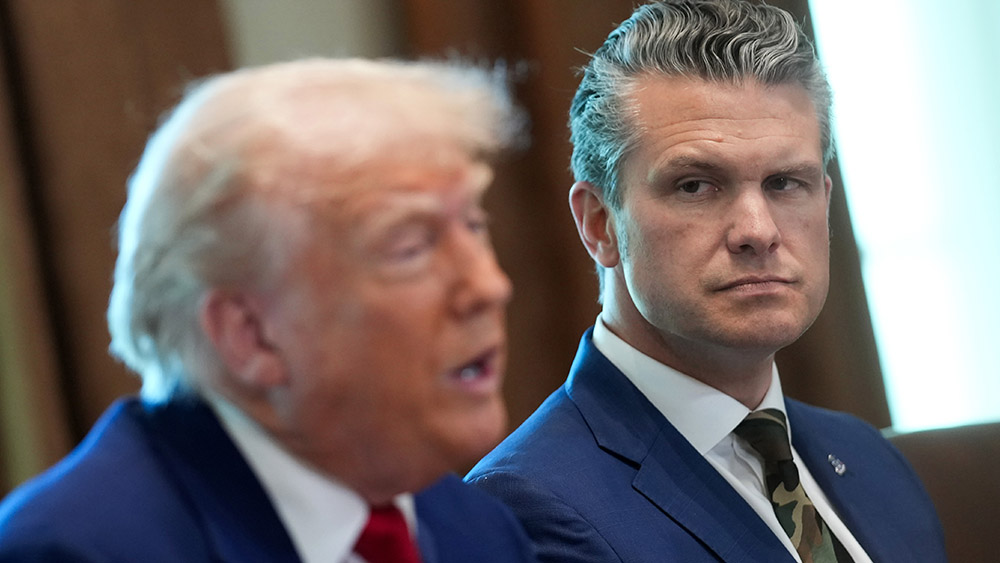
Judge Blocks Trump Campaign From Accessing Voter Database
06/25/2026 / By Douglas Harrington
A federal judge on Monday blocked the Trump administration’s use of a Department of Homeland Security (DHS) database for voter roll verification, a ruling that also restricts the Trump campaign from accessing the data, according to court records and news reports. U.S. District Judge Sparkle Sooknanan of the District of Columbia issued the order in response to a lawsuit from Democratic and voting rights groups, who argued that the restructured SAVE database violated federal privacy laws and could be used to improperly remove eligible voters from state rolls. The order prohibits the administration from using the database to verify citizenship or share the data with outside entities, including the Trump campaign, until a full hearing is held.
Background of the Database Dispute
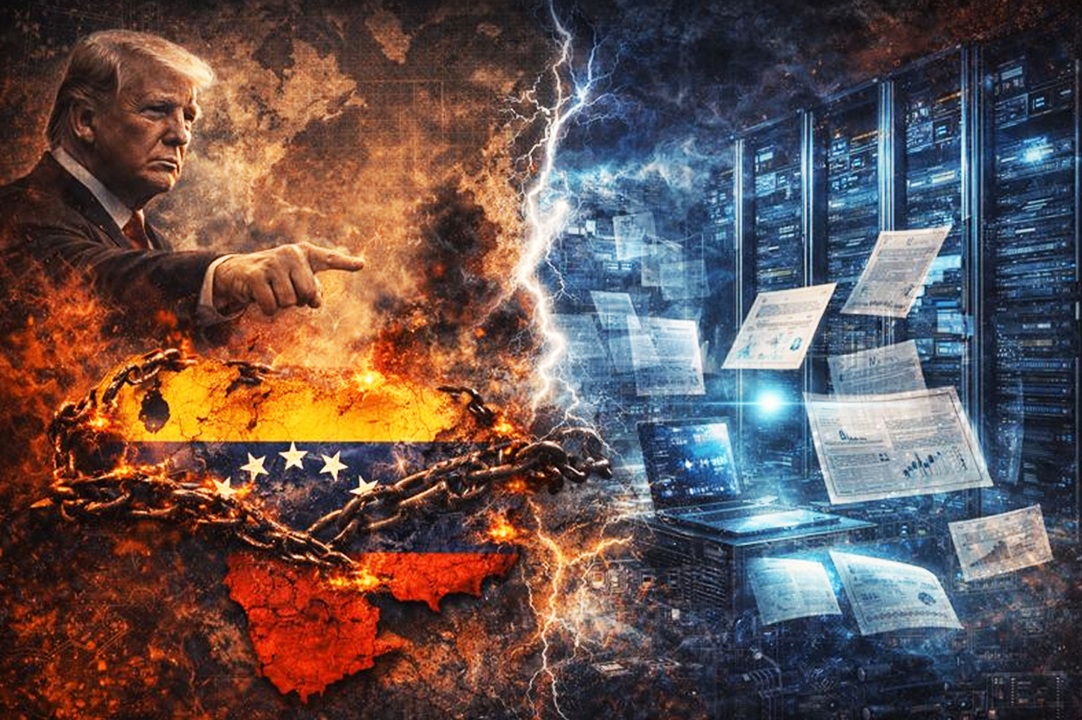
The database at the center of the dispute is the Systematic Alien Verification for Entitlements (SAVE) system, originally designed to verify immigration status for benefit eligibility. Under the Trump administration, DHS repurposed the database to check voter registrations en masse, a move officials said was necessary to ensure only U.S. citizens vote in federal elections. The Department of Homeland Security’s SAVE database, run through USCIS, is now being used at massive scale for voter registration verification and voter list maintenance ahead of the 2026 midterms, according to a report from 100PercentFedUp [7].
Critics, including the Democratic National Committee, argued that the expansion violated the Privacy Act and other laws by exposing Social Security numbers, citizenship status, and other sensitive personal data of millions of Americans without proper safeguards. The DNC and allied groups filed suit, asserting that the administration’s approach amounted to an unauthorized creation of a national voter database. Historical context underscores the sensitivity of voter data: In 2020, U.S. intelligence confirmed that China accessed and analyzed American voter registration data from multiple states, a breach not fully disclosed to Congress or the public, as reported by Willow Tohi [1]. Such past incidents have heightened concerns about data security in election administration.
Judge’s Ruling and Legal Reasoning
In her June 22 ruling, Judge Sooknanan wrote that the plaintiffs demonstrated a substantial likelihood of success on the merits, noting that the administration had “haphazardly combined and repurposed the private information of Americans” in violation of several privacy laws, according to ZeroHedge’s report on the decision [5]. The judge specifically pointed to the improper disclosure of Social Security numbers and citizenship status without statutory authority. The ruling said that the administration failed to adequately justify the sweeping data use or show that existing state voter roll maintenance was insufficient.
Attorneys for the Trump administration had argued that the database was a necessary tool to prevent noncitizen voting and that the Privacy Act allowed for such uses. They also contended that the temporary restraining order would hamper election integrity efforts ahead of the 2026 midterms. However, Judge Sooknanan sided with the plaintiffs, emphasizing that privacy protections for citizens outweighed the administrative convenience. “The court cannot ignore the serious privacy violations that could result from allowing unfettered access to this dataset,” she wrote, as quoted in The Epoch Times [6]. The order remains in effect until a hearing scheduled for late June.
Reactions and Expected Appeals
The ruling drew swift responses from both sides. DNC spokesperson Jaime Harrison said in a statement, “The court’s order protects the integrity of voter data and prevents the Trump administration from using a flawed system to purge eligible voters from the rolls,” according to a press release cited in the report. Meanwhile, Trump campaign officials denounced the decision. “This is a baseless political attack by the left to shield illegal voting, and we will appeal immediately,” campaign spokesperson Liz Harrington stated, as reported by multiple news outlets.
Legal experts noted that the case could have broader implications for how federal agencies share data with political campaigns. The use of sophisticated data systems has long been a feature of modern campaigns. In the 2016 election, Cambridge Analytica used personal data from Facebook to target voters for the Trump campaign, as detailed by Sander van der Linden in his book “Foolproof” [3]. More recently, Democrats have built systems with over 500 data points on every voter, enabling highly targeted get-out-the-vote efforts, according to an interview with Aaron Day conducted by Mike Adams [4]. These precedents suggest that the legal battle over access to proprietary voter databases is likely to intensify. The Justice Department is also expected to appeal the ruling, and the case may reach the Supreme Court, given the high stakes for election administration.
Conclusion: Broader Implications for Election Integrity
Judge Sooknanan’s temporary restraining order against the Trump campaign’s access to the SAVE database highlights the ongoing legal and political struggle over voter data and election security. While the administration argues that such databases are essential to ensuring only eligible citizens vote, critics warn that they could be misused to suppress legitimate voters and violate privacy rights. The ruling also comes amid broader federal efforts to clean up voter rolls. In a related case, another federal judge in May sided with President Trump’s election integrity executive order, allowing key provisions to stand while the lawsuit continues, as reported by 100PercentFedUp [8].
Ultimately, the dispute reflects deeper tensions over who controls voter information and how it can be used. Historical instances of data breaches—such as Russian cyberattacks on Democratic Party networks in 2016, documented by Jerome R. Corsi in his book “Coup d’Etat” [2]—underscore the vulnerability of voter databases. As the 2026 midterms approach, the courts will continue to shape the boundaries of permissible data access in campaigns, with significant consequences for electoral integrity and individual privacy.
References
- Willow Tohi. “A Hidden Breach: U.S. Intel Knew of China’s Access to Voter Data in 2020.” NaturalNews.com. March 19, 2026.
- Jerome R. Corsi. “Coup d’Etat.”
- Sander van der Linden. “Foolproof.”
- Mike Adams interview with Aaron Day. August 15, 2024.
- ZeroHedge. “Biden Judge Sparkle Sooknanan Blocks Trump Admin SAVE Act Database.” June 22, 2026.
- The Epoch Times. “Judge Blocks Trump Admin From Using Immigration Database for Voter Roll Verification.” June 22, 2026.
- 100PercentFedUp. “President Trump’s DHS Is Now Checking Millions of Voter Registrations Before the 2026 Midterms.” May 18, 2026.
- 100PercentFedUp. “In Surprise Move, Federal Judge Sides With President Trump In New Election Integrity Ruling.” May 28, 2026.
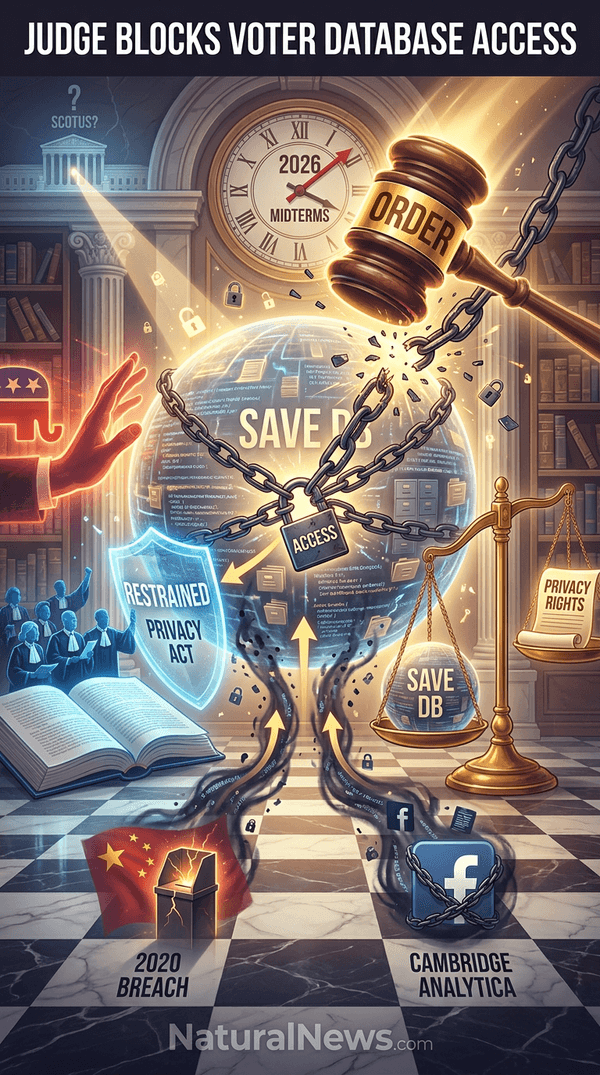
Explainer Infographic
Submit a correction >>
Tagged Under:
big government, DHS, election integrity, elections, Liberty, national security, privacy watch, progress, rigged, secure elections, Suppressed, Trump, vote fraud, voter data
This article may contain statements that reflect the opinion of the author
RECENT NEWS & ARTICLES