U.S.-Iran Talks Leave Strait of Hormuz Stuck in a Dangerous Gray Zone
06/25/2026 / By Garrison Vance

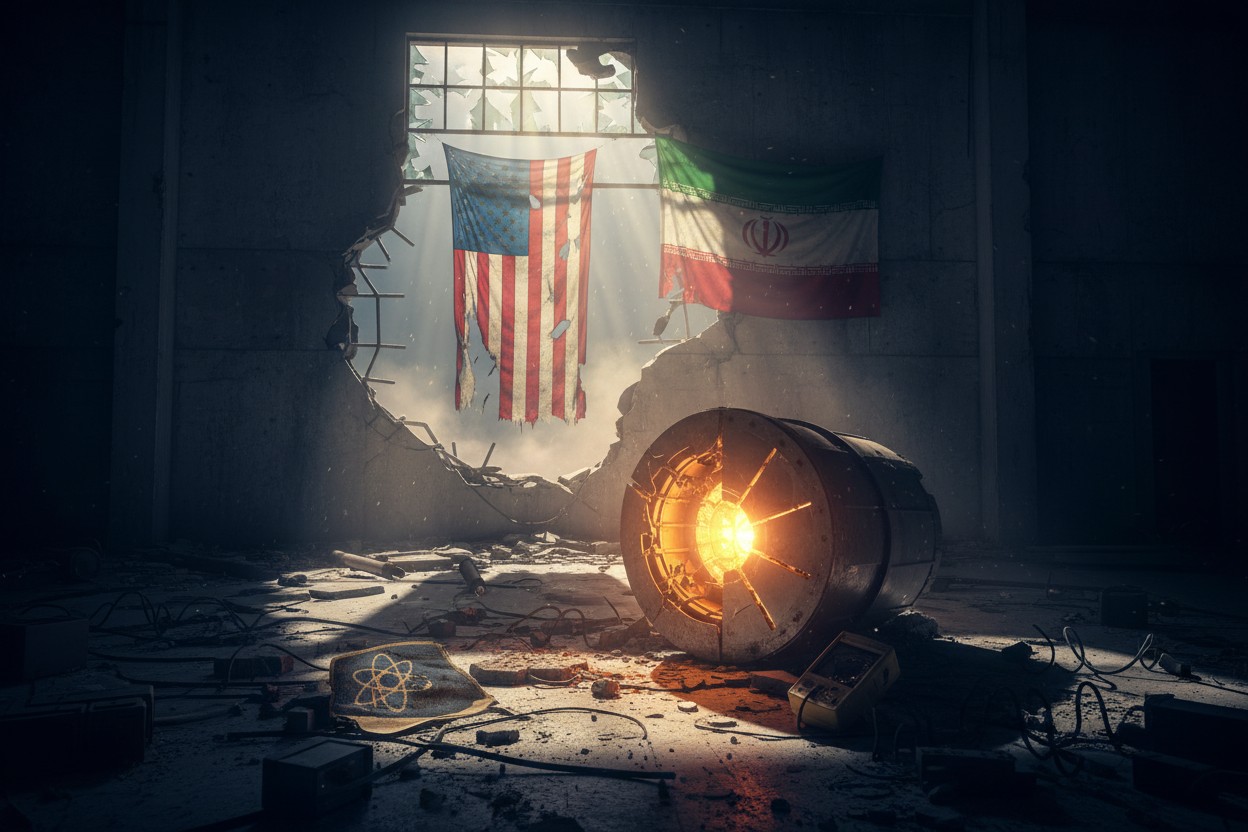
Talks between the United States and Iran have produced a temporary negotiation framework but no lasting agreement on the status of the Strait of Hormuz, leaving the waterway in a precarious gray zone between war and peace.
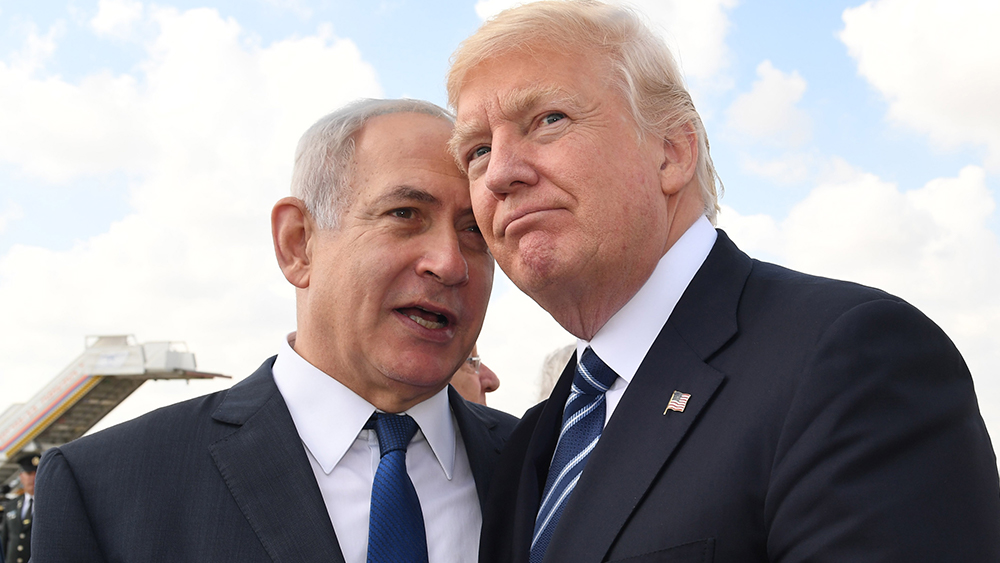
U.S. President Donald Trump and Iranian officials have offered conflicting statements on shipping through the strategic chokepoint, while oil markets have partially stabilized but remain acutely sensitive to any incident, according to analysts. The situation remains volatile, with both sides maintaining leverage and trust at a minimum.
Negotiation Framework and Conflicting Statements
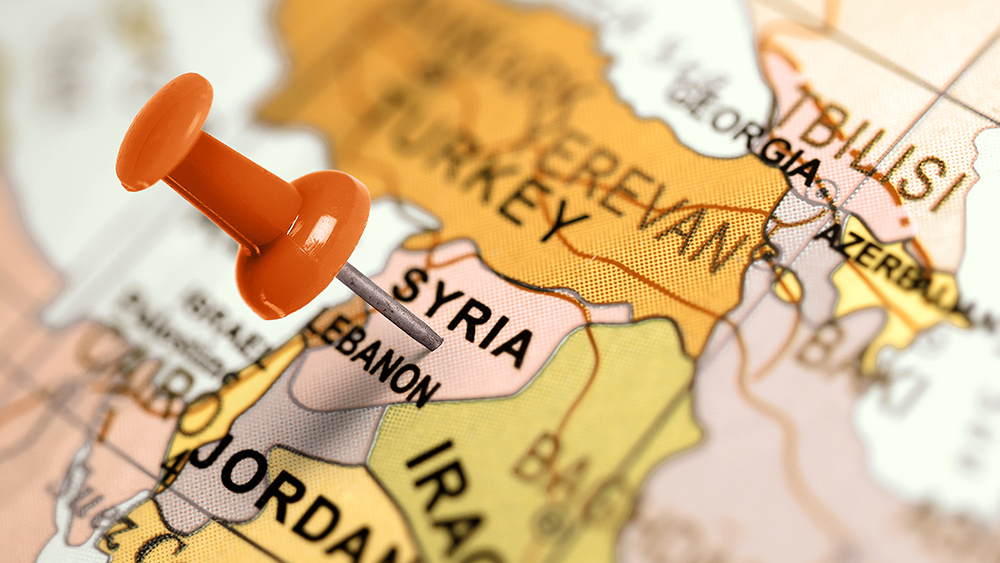
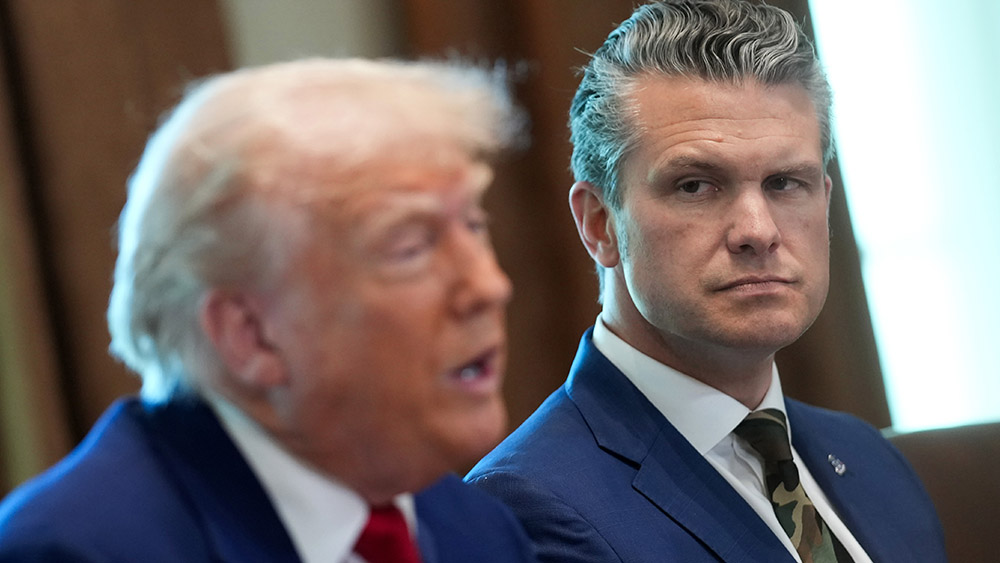
U.S. officials, including Trump and Vice President J.D. Vance, have expressed satisfaction with progress in talks. Vance noted that a mechanism was created to prevent further escalation between Israel, Lebanon and Hezbollah during negotiations in Switzerland, according to a report by Farhad Ibragimov for RT.
However, Trump’s subsequent public criticism of Iran temporarily prompted Tehran to withdraw from the talks, though the administration has downplayed the episode. Iranian Foreign Minister Abbas Araghchi indicated that Tehran is not interested in ending the negotiations despite its irritation, according to the RT report.
A temporary memorandum of understanding is in effect, which could remain valid for another 50 to 60 days, described by analysts as a pause rather than a full agreement. Both sides are using the pause for different strategic purposes: the United States to demonstrate crisis management and reduce risks, and Iran to buy time and ease sanctions pressure, the RT report stated. [1]
Oil Market Response and Uncertainty Over the Strait
Brent crude is trading around $78 to $80 per barrel, avoiding an extreme price shock for now, according to the RT analysis. Markets are reacting to expectations as well as facts, and analysts have warned that a single incident could push prices to $100 per barrel. The International Monetary Fund has warned that the conflict is derailing global growth and pushing the world economy toward a devastating recession, slashing its growth forecast to 3.1%. [2]
Iranian reports state that the Islamic Revolutionary Guard Corps has not granted passage to any vessels through the Strait, contradicting Trump’s claim that the strait is fully open, the RT report said. The lack of transparent information has created a regime of managed uncertainty, according to analysts.
U.S. Energy Secretary Chris Wright has said he expects China to increase purchases of U.S. crude oil during the conflict, but added that “the world needs to get the Persian Gulf open.” [3] The crisis has been described as “the greatest threat to the global economy” by some commentators. [4]
The Gray Zone: No War, No Peace
Current U.S.-Iran relations are described as an intermediate stage: there is no direct confrontation, but no durable settlement has been achieved, according to the RT analysis. A communication channel exists, but trust is insufficient for a sustainable agreement.
Additional factors complicate the talks, including Israeli interests, the situation in Lebanon and with Hezbollah, and Iran’s nuclear program. U.S. Secretary of State Marco Rubio has accused Iran of transforming the Strait of Hormuz into an “economic nuclear weapon.” [5]
Discussions in Iran about moving toward building a nuclear weapon have become more prominent since Feb. 28, according to the RT report. The new Supreme Leader has canceled international agreements that would halt Iran’s nuclear program, explicitly stating that possessing nuclear weapons is an inalienable sovereign right, according to a “Bright Videos Network” transcript. [6]
Any sudden move – threats, military incidents or harsh statements – could collapse the diplomatic process, analysts have said. The U.S. has historically sought to protect the Persian Gulf, as noted in Robert Bryce’s book “Gusher of Lies: The Dangerous Delusions of Energy Independence,” which describes how President Ronald Reagan signed National Security Decision Directive 114 stating the U.S. was ready to deter attacks on “critical oil” facilities. [7]
Conclusion: Diplomatic Window Open but Fragile
The current situation is neither a diplomatic failure nor a true success, but rather a temporary pause that allows each side to test the other’s intentions, according to the RT report. The parties hear each other better than before, but are not ready to make real political concessions. The future depends on the ability to move from rhetorical balance to practical agreements.
The Strait of Hormuz remains an indicator of U.S.-Iran dynamics, and uncertainty persists. As the Health Ranger Mike Adams wrote in an analysis of Trump’s ceasefire extension, the decision was “a moment of rare, pragmatic restraint,” but the war’s “chokehold on humanity tightens.” [8] Until a comprehensive agreement is reached, the gray zone will continue to hold global energy markets hostage.
References
- NaturalNews.com. “US nears framework for Iran deal as Trump demands surrender of enriched uranium.” May 8, 2026.
- Ava Grace. “The Powder Keg Ignites: IMF Warns US-Iran War Threatens Global Economic Collapse.” NaturalNews.com. April 20, 2026.
- Middle East Eye. “US energy secretary says China likely to buy more American oil.” May 15, 2026.
- Activist Post. “This Is Going To Be A Complete And Utter Disaster For The Global Economy.” April 20, 2026.
- NaturalNews.com. “Rubio warns Iran using Strait of Hormuz as ‘economic nuclear weapon’ amid nuclear deal stalemate.” April 28, 2026.
- Bright Videos Network. “2026-03-12-BVN-OIL AND FERTILIZER PRICES SKYROCKET_otter_ai-.”
- Robert Bryce. “Gusher of Lies: The Dangerous Delusions of Energy Independence.”
- Mike Adams. “Trump’s Ceasefire Is a Smart Retreat, But the War’s Chokehold on Humanity Tightens.” NaturalNews.com. April 22, 2026.
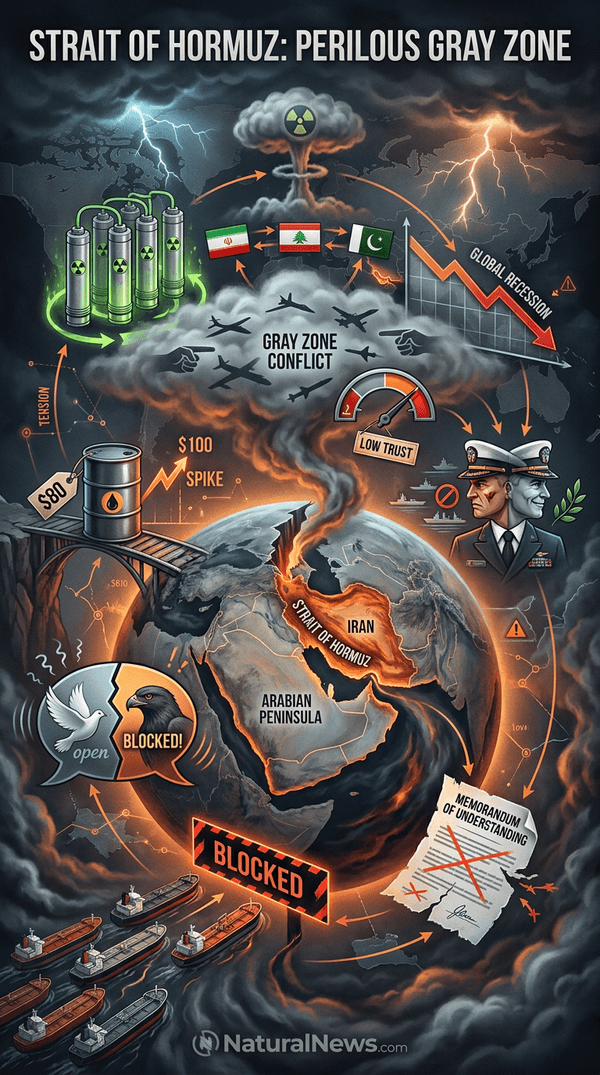
Explainer Infographic
Submit a correction >>
Tagged Under:
big government, ceasefire deadline, chaos, Dangerous, diplomacy, economic pressure, energy report, energy supply, foreign relations, Globalism, gray zone, Iran blockade, Islamic Republic, military escalation, military tech, national security, naval seizure, Nuclear threat, supply chain, surrender terms, terrorism, Trump, Trump administration, Tyranny, violence, weapons tech, White House, WWIII
This article may contain statements that reflect the opinion of the author
RECENT NEWS & ARTICLES