Trump confronts NATO chief over allied reluctance to back Iran campaign
06/26/2026 / By Willow Tohi
- President Donald Trump told NATO Secretary-General Mark Rutte on June 24, 2026, that he was “disappointed” with most NATO allies for refusing to support U.S. military operations against Iran.
- Trump singled out the United Kingdom, France, Germany, Italy and Spain for criticism, calling Spain “terrible” and accusing allies of seeking a “free ride.”
- Rutte defended NATO members, citing 4,000-5,000 U.S. missions launched from European bases during the first six weeks of the Iran conflict.
- The meeting occurred weeks before a scheduled July 7-8 NATO summit in Ankara, Turkey, amid broader tensions over burden-sharing and strategic priorities.
- The Pentagon has begun reducing assets available for NATO operations as Washington shifts focus toward competing with China.
The Oval Office confrontation: What happened
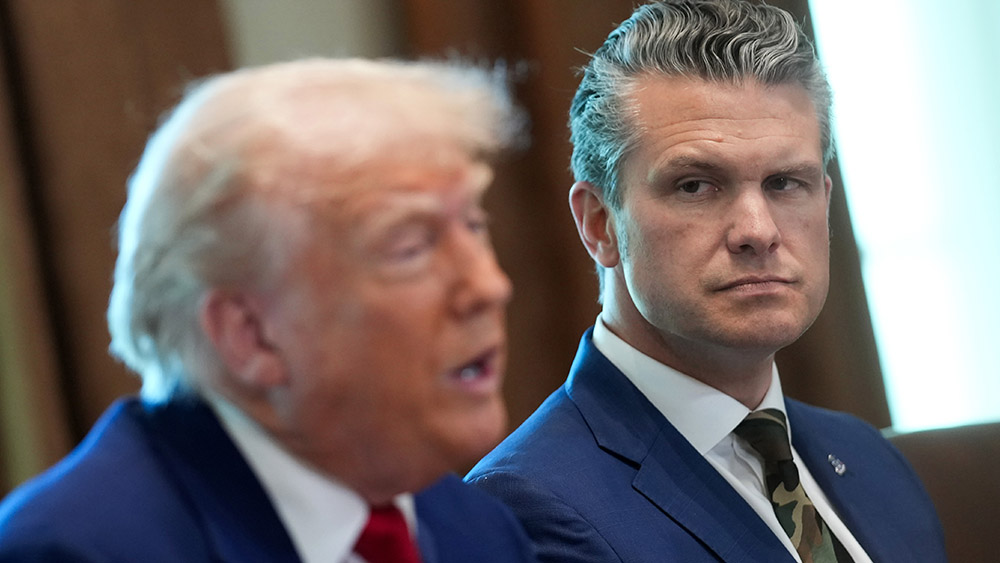
President Donald Trump expressed sharp disappointment with NATO allies during a tense Oval Office meeting with NATO Secretary-General Mark Rutte on June 24, accusing European partners of abandoning the United States during its military campaign against Iran.
The meeting, which occurred three weeks before a scheduled NATO summit in Ankara, laid bare growing divisions between Washington and its European allies over military burden-sharing and strategic alignment. Trump told Rutte that the United States had been “let down” by alliance members who declined to support American and Israeli bombing operations against Iran.
“We demolished them literally in the first week, but it would have been nice if they would have said, ‘We’d like to help,'” Trump said, according to pool reports from the White House.
The president identified five NATO members by name for failing to contribute: the United Kingdom, France, Germany, Italy and Spain. He described Spain as “a horror show” and “terrible” for refusing permission for U.S. forces to use Spanish bases for strikes against Iran in March 2026.
Burden-sharing and broken promises
The dispute centers on longstanding complaints from successive U.S. administrations that European NATO members fail to meet defense spending commitments. Trump emphasized during the meeting that the United States maintains approximately 50,000 troops in Germany alone while receiving insufficient reciprocal support.
“I just want the loyalty. We don’t need their money, we don’t need anything. We have the most powerful military in the world by far,” Trump said. “But I just want loyalty. You know, we’re so loyal to them. We’re always fighting for them.”
The president’s remarks echo complaints dating back to his first term, when he described NATO as “obsolete” during the 2016 presidential transition and pressed allies to meet the 2 percent of GDP defense spending target. Current NATO data shows that fewer than half of the 32 member nations meet that threshold.
Rutte sought to manage the diplomatic fallout without directly challenging Trump’s characterization. He acknowledged “a reason for disappointment” but described allied reluctance as “isolated cases.” The secretary-general also noted that Germany and Romania had fulfilled all bilateral commitments even while opposing the war.
The Iran war and its aftermath
The military campaign against Iran began in early 2026 following what the Trump administration described as Iranian provocations against U.S. forces and Israeli targets in the region. The operation achieved rapid initial success, with Trump claiming Iran was “demolished” within the first week.
Rutte attempted to demonstrate European contributions by citing statistics: U.S. aircraft flew between 4,000 and 5,000 missions from bases in Europe during the first six weeks of the conflict. He also displayed a chart showing European investment supports 83,000 American jobs.
The defense of NATO’s record appears to have fallen short. Trump’s public criticism signals a continuation of tensions that have characterized U.S.-European relations throughout his second term.
Broader strains on the alliance
The confrontation with Rutte represents the latest episode in a pattern of strained relations between Washington and its European partners. Earlier in 2026, Trump threatened to annex Greenland, a Danish territory, before backing down after weeks of diplomatic pressure.
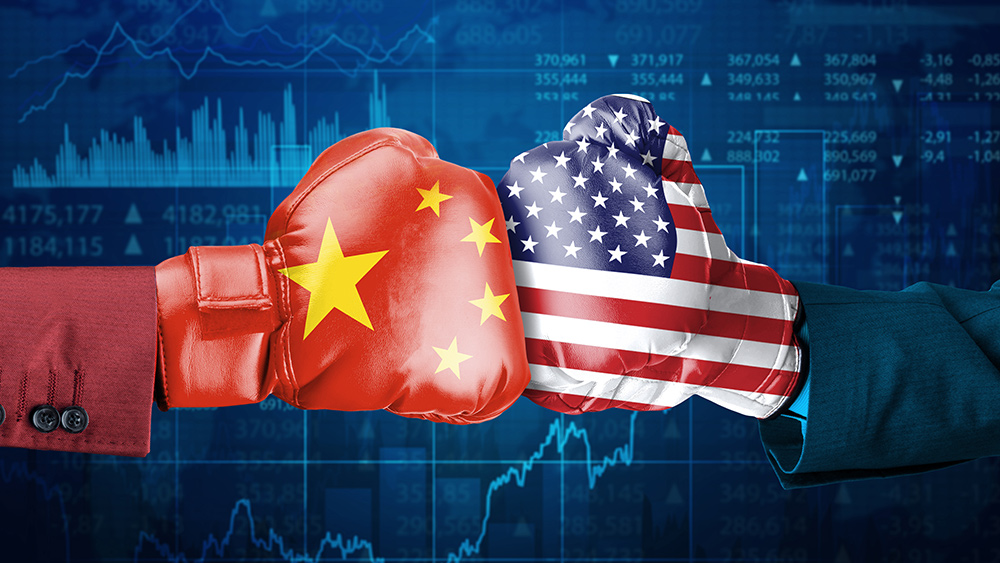
The Pentagon has notified allies that it is reducing the number of military assets available for NATO operations as Washington reorients its strategic focus toward China. This shift has sparked concern among European capitals that the continent could become vulnerable to Russian aggression without full U.S. backing.
German Chancellor Friedrich Merz escalated tensions by stating he would not recommend his children travel to the United States due to what he described as America’s “social climate.” Trump responded by suggesting European leaders should focus on “fixing” their own countries.
The rift raises questions about the alliance’s cohesion as leaders prepare for the Ankara summit, where burden-sharing and strategic alignment are expected to dominate the agenda. Rutte insisted after the Oval Office meeting that Trump remains “completely committed” to NATO and that Washington would “absolutely” protect Europe in the event of an attack.
A transatlantic reckoning
The meeting exposed fundamental disagreements about the nature of the transatlantic partnership. Trump’s demand for “loyalty” reflects a transactional approach to alliance management that differs sharply from the collective security framework established by the Washington Treaty in 1949.
Whether European allies can restore trust with an American president who views their caution as betrayal remains an open question. The Ankara summit will test whether the alliance can reconcile divergent strategic interests, or whether Trump’s disappointment marks a permanent shift in how the United States views its oldest and most important military partnership.
Sources for this article include:
Submit a correction >>
Tagged Under:
big government, Collapse, debt bomb, debt collapse, Europe, Globalism, Iran, military tech, money supply, national security, NATO, pensions, questionable allies, risk, Trump, weapons tech, White House, WWIII
This article may contain statements that reflect the opinion of the author
RECENT NEWS & ARTICLES