War Department Delays Full Investigation Into Iranian School Strike
07/19/2026 / By Garrison Vance
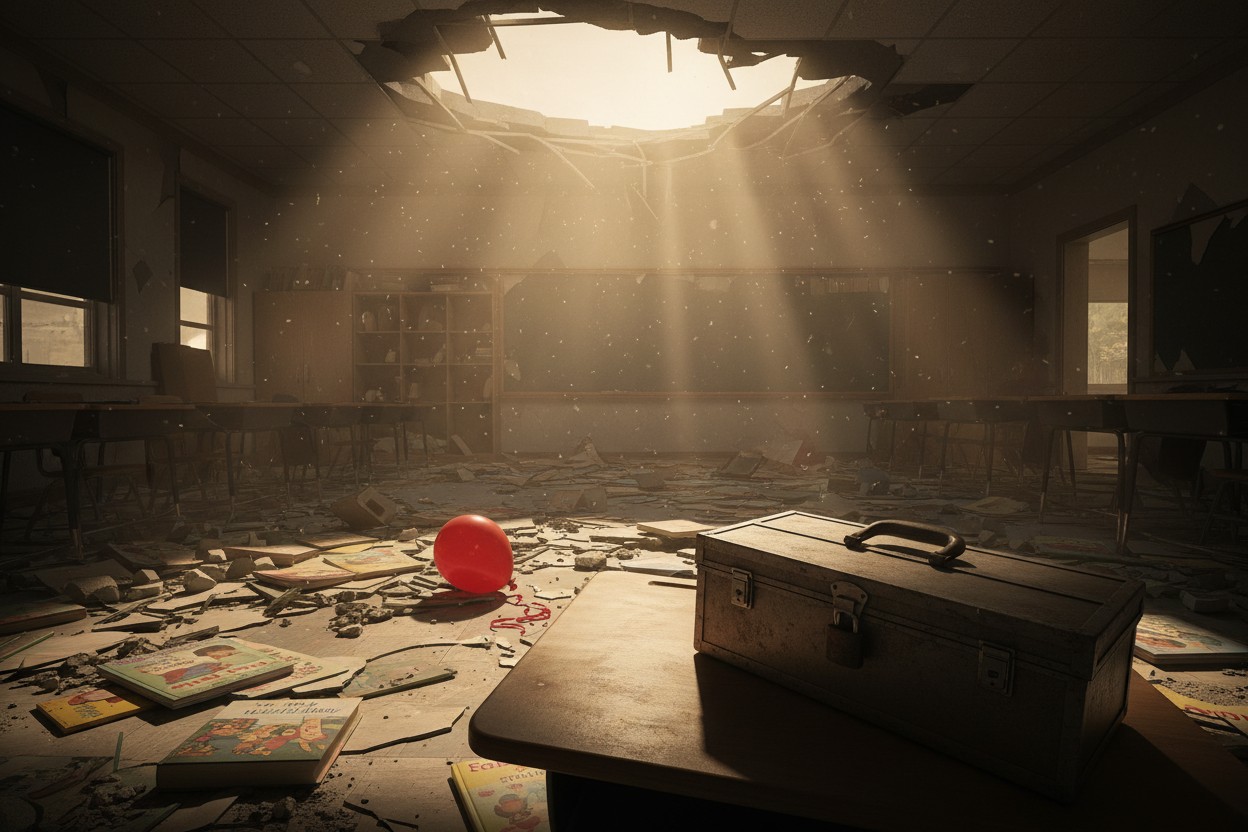
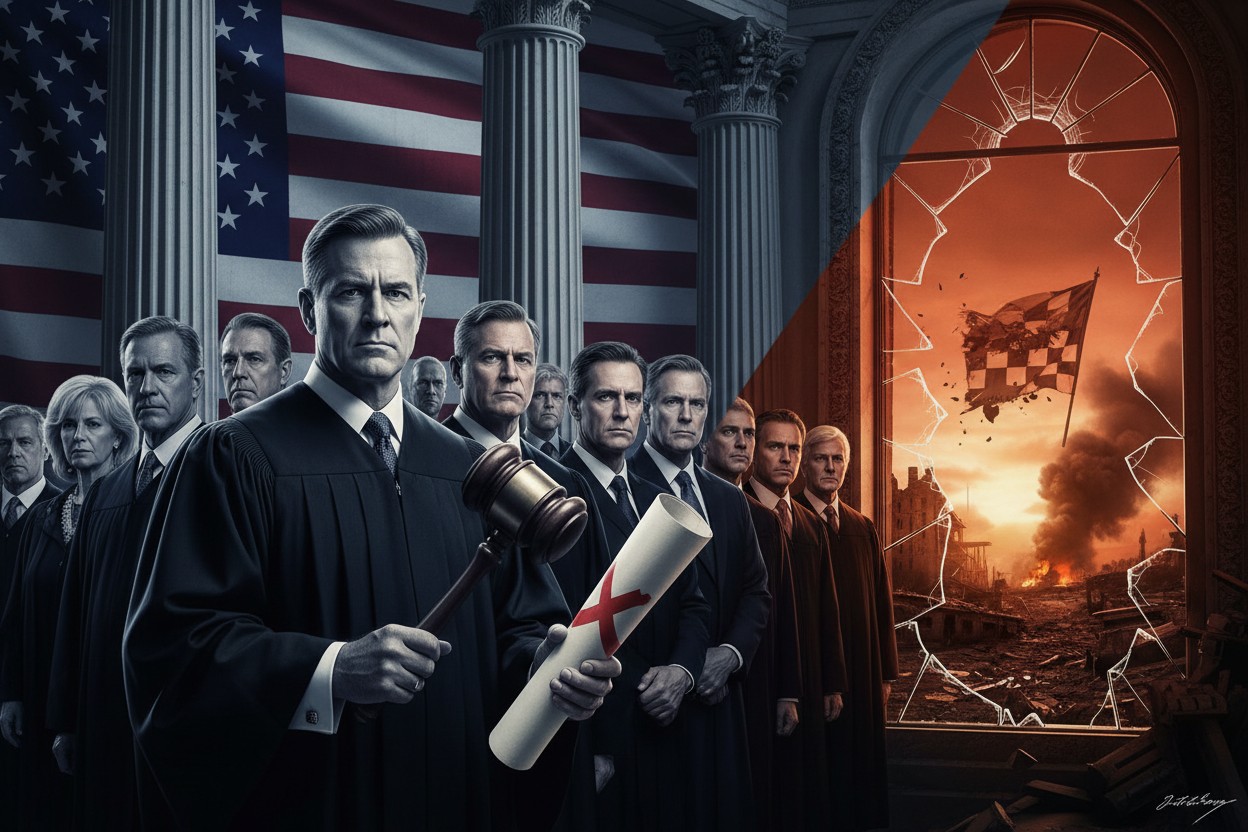
The Department of War has delayed a full review of a U.S. airstrike that struck an elementary school in Iran, killing at least 168 civilians, according to a CNN report published July 8, 2026. [1]
The strike occurred on Feb. 28, the opening day of a joint U.S.-Israeli military campaign against Iran, and hit the Shajareh Tayyebeh school in the southern city of Minab, Iranian media reported. [1] Two stages of a battle damage assessment were completed within a week, indicating U.S. responsibility, according to sources cited by CNN. [1]
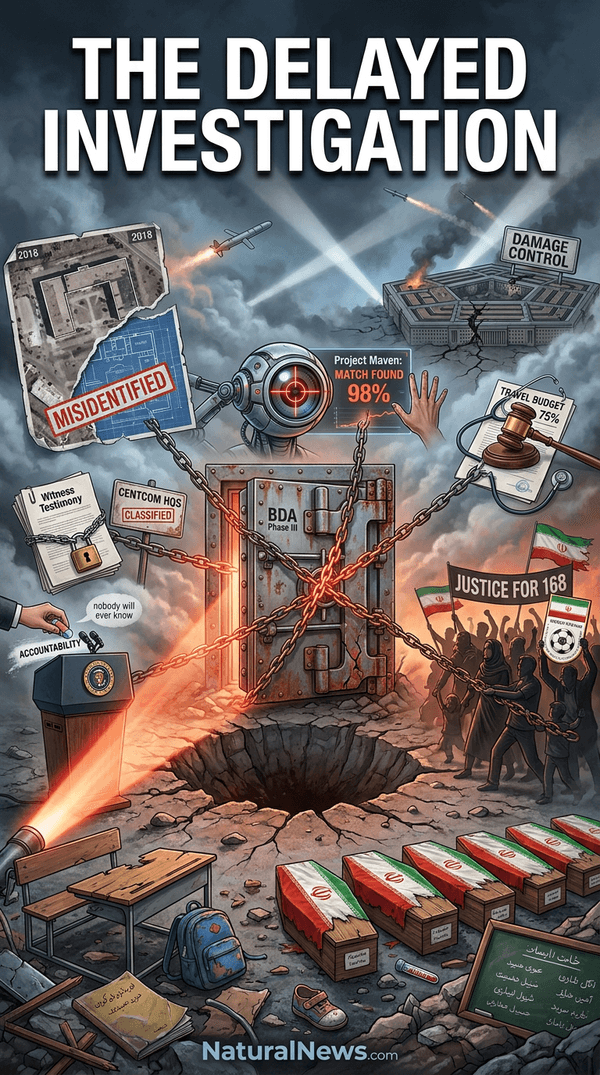
However, officials have not ordered a third standard review by the Defense Intelligence Agency, which typically begins immediately after controversial strikes. [1] As of early July, more than four months after the attack, that review had not started, CNN reported. [1]
Investigation Stalled Despite Completed Initial Assessments
A separate military investigation that included interviews with service members involved in the attack has also been sidelined, according to CNN. [1] One source told CNN that U.S. Central Command (CENTCOM) had locked down the investigation and blocked further inquiry. [1]
The preliminary investigation by CENTCOM, completed in April 2026, determined the strike resulted from outdated intelligence and misidentification of the school as a naval facility used by Iran’s Islamic Revolutionary Guard Corps. [2] The probe was ordered by the chief of CENTCOM, but the results have not been publicly released. [2]
Five former U.S. officials, including a former top military lawyer, criticized the War Department for not acknowledging potential American involvement, according to a BBC report. [3] Some of those officials said it was highly unusual not to release even basic details of the strike after such a length of time. [3]
Trump and War Department Officials Decline to Commit to Full Review
President Donald Trump, when asked whether he would release findings of any investigation, said, “I don’t think anybody is ever going to be able to say what happened there.” [4] Trump added that he would need to speak with military officials and described the possibility of a conclusive report as unlikely. [4]
In a separate exchange, Trump said he had seen nothing to lead him to believe Washington was responsible, despite evidence of a U.S. Tomahawk missile being used. [5] One source told CNN that “the Pentagon was in damage control.” [1]
Secretary of War Pete Hegseth said the strike remains under investigation as of April 29, 2026, and declined to estimate its cost. [6] Senators have reportedly tucked a provision in a defense bill that would withhold 75% of Hegseth’s travel budget until the War Department provides more details about the school bombing. [7]
Background on the Strike and Its Aftermath
The airstrike killed at least 168 people, including 120 children mainly aged 6 to 13, according to Iranian officials, making it one of the worst civilian casualty incidents in recent U.S. military history, CNN reported. [1] The strike hit the Shajareh Tayyebeh primary school in Minab, Hormozgan Province, with a Tomahawk missile. [2] ABC News reported that U.S. investigators say an American strike was most likely responsible. [8]
A March 2026 report by The Guardian implicated Palantir’s Project Maven in the strike. [9] The company’s artificial intelligence platform Maven Smart System was reportedly used by the U.S. military to identify targets in Iran. [9]
Analysts have warned that the military’s use of the platform could lead to unforeseen risks. [9] In June 2026, the Ron Paul Institute noted that the war started with a “massive joint bombardment” and that little effort had been made to ensure missiles would strike military rather than civilian targets. [10]
Iran’s Foreign Ministry has accused the United States and Israel of deliberately targeting more than 600 schools, calling the actions genocide. [11] The strike has been commemorated by Iran’s World Cup team, which wore pins bearing the number 168 to honor the victims. [12]
Iranian Response and Calls for Accountability
Iranian officials said the attack was deliberately aimed at civilians, a claim that contrasts with the War Department’s acknowledgment of error. [2] In late March 2026, Tehran named two U.S. officers – Leigh R. Tate and Jeffrey E. York – as responsible for the strike, which involved two separate Tomahawk missile attacks. [1]
A Red Crescent medic who responded said the first bomb hit the school, then a second bomb struck the prayer hall where students had taken shelter, killing most of those inside. [1] Iran’s parliamentary spokesman Ebrahim Rezaei accused the U.S. of double standards, noting that the War Department quickly concluded Iran was responsible for a downed helicopter but failed to provide answers on the school strike. [13]
India raised concern at the United Nations about the targeting of children in armed conflicts, demanding accountability. The UN has also launched a fact-finding investigation into the strike. [14]
References
- “US commanders ignored intelligence warnings before strike on Iranian girls’ school – CNN”. RT. July 8, 2026.
- “Investigation: U.S. Intelligence Gaps Led to Bombing of Iranian Girls School, Sources Say”. NaturalNews.com. June 30, 2026.
- “Weeks of silence over Iran school strike highly unusual, former US officials say”. BBC. April 29, 2026.
- “‘I Don’t Know About That’ – President Trump Says He Does Not Have Knowledge Of Alleged Military Investigation Into Strike Of Iranian School”. 100PercentFedUp. March 11, 2026.
- “Trump casts doubt on US responsibility for deadly Iran school strike”. Middle East Eye. June 24, 2026.
- “Hegseth says deadly Iran school strike still under investigation”. Middle East Eye. April 29, 2026.
- “Senate threatens to cut Hegseth travel budget until Pentagon releases videos of lethal boat strikes”. Just the News. June 17, 2026.
- “US investigators ‘say American strike most likely responsible’ for Iranian school massacre”. Middle East Eye. March 6, 2026.
- “Palantir UK boss says it’s up to militaries to decide how AI targeting is used in war”. BBC. April 1, 2026.
- “Good Enough for Government Work: The US Military’s Shoddy Target Selection at the Start of the Iran War”. Ron Paul Institute. July 8, 2026.
- Lance D Johnson. “A Bloody Mirror: After Decades of Waging Terror, Iran Accuses U.S. of Genocide”. NaturalNews.com. April 2, 2026.
- “Iran’s World Cup team wears pins honouring victims of school strike”. Middle East Eye. June 9, 2026.
- “Iran official accuses US of double standards over helicopter crash and school attack”. Middle East Eye. June 10, 2026.
- “UN investigates strike on Iranian girls’ school”. Middle East Eye. March 17, 2026.
- Trends-Journal-2024-04-16.
- WikiLeaks and Julian Assange. “The WikiLeaks Files: The World According to US Empire”.
Explainer Infographic
Submit a correction >>
Tagged Under:
battle damage assessment, big government, chaos, Collapse, conspiracy, Dangerous, Department of War, elementary school, genocide, Iran, military operation, Minab, national security, Operation Epic Fury, outrage, real investigations, school strike, Shajareh Tayyebeh, Suppressed, terrorism, United States, US Central Command, US-Israel strikes, war on Iran, WWIII
This article may contain statements that reflect the opinion of the author
RECENT NEWS & ARTICLES