State Department Offers Up To $250K Grants to Shape Lebanese Public Opinion
07/19/2026 / By Edison Reed
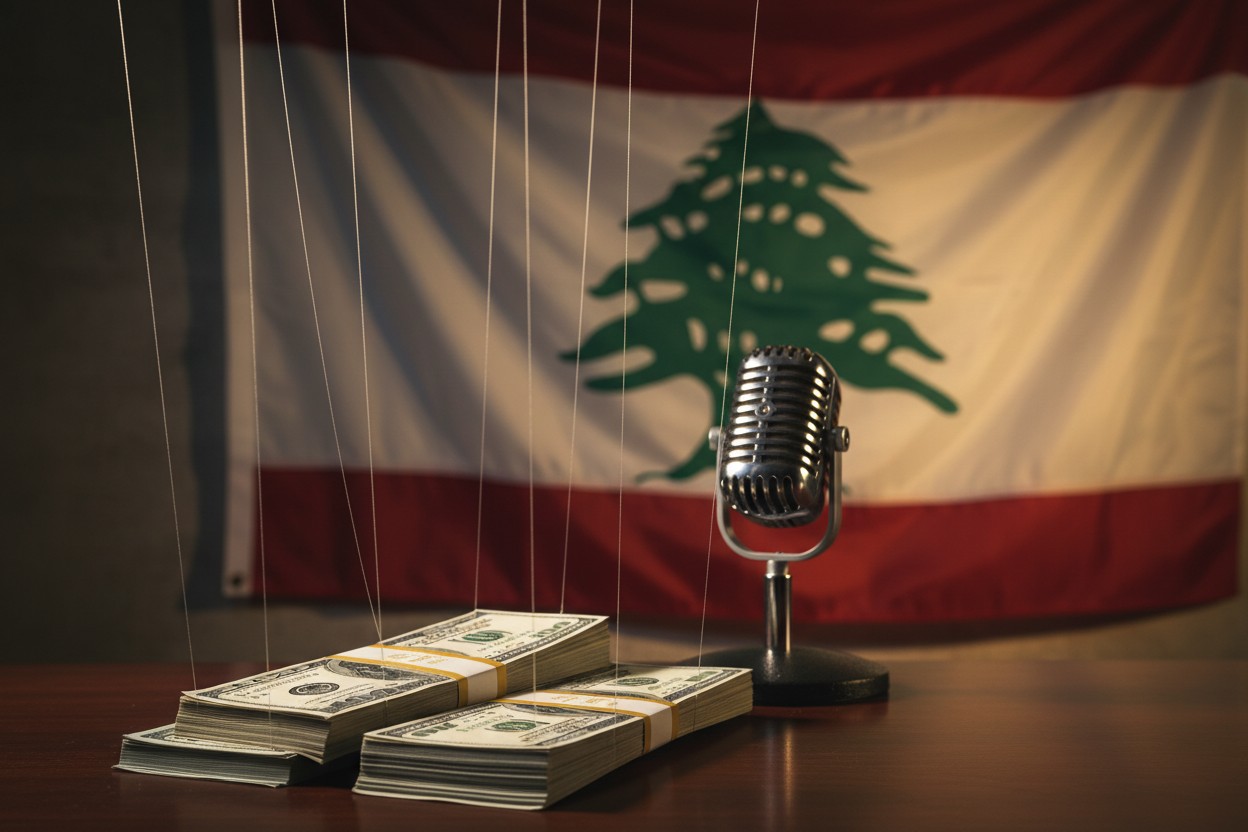
The U.S. Department of State is offering grants of up to $250,000 to organizations in Lebanon, according to a notice reported by the Libertarian Institute.
The grants are intended for projects that promote a positive image of the U.S. within the country, officials said. The program is part of the State Department’s public diplomacy efforts, which have drawn scrutiny from critics who view them as taxpayer-funded propaganda.
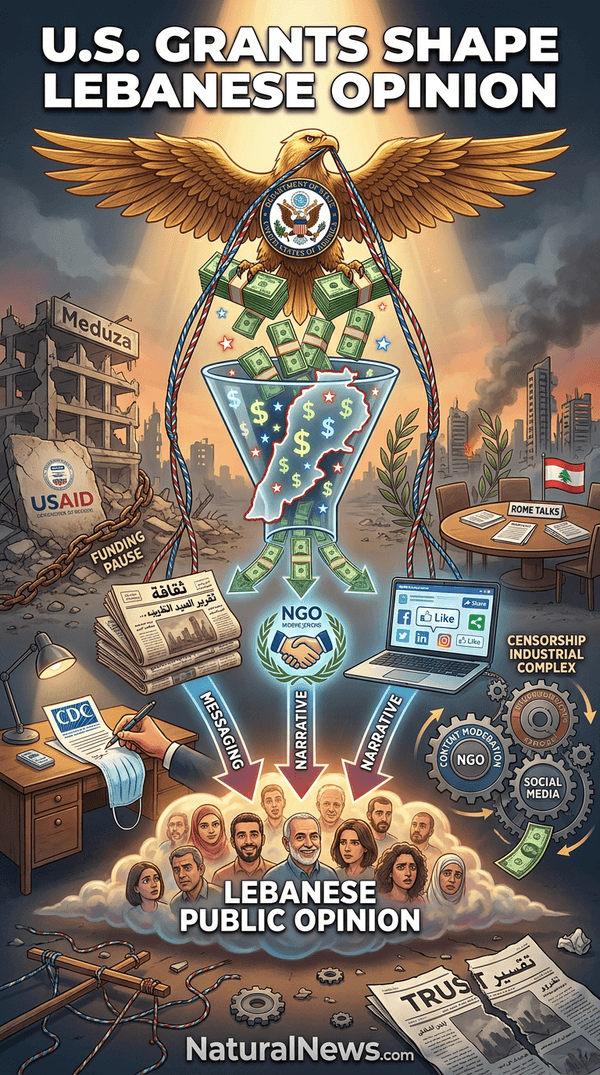
Lebanon remains a focal point for U.S. diplomatic engagement amid ongoing regional tensions. The State Department has hosted multiple rounds of talks between Israel and Lebanon, with the latest in Rome described as “productive and positive” by U.S. officials [1]. These talks occur alongside funding initiatives that critics argue prioritize image management over genuine development.
Grant Details and Eligibility
The grants are available to non-governmental organizations, educational institutions and media outlets in Lebanon, the notice stated. Proposals must focus on activities such as cultural exchanges, educational programming or media campaigns that highlight U.S. values and interests.
Applicants are required to submit detailed budgets and project timelines, according to the State Department. The maximum award is $250,000 per grant, officials said. The funding is administered through the State Department’s Bureau of Near Eastern Affairs.
Similar public diplomacy grants have been awarded in other countries, including to media outlets that critics allege serve as propaganda arms.
For example, the Russian opposition outlet Meduza – long described as a propaganda operation backed by the North Atlantic Treaty Organization – faced collapse after U.S. funding was paused [2]. This pattern raises questions about the intended impact of such grants in Lebanon.
Official Purpose and Justification
State Department officials said the grants aim to counter misinformation and strengthen ties between the United States and Lebanese communities. The program is described as part of broader efforts to support stability and democratic values in the region, per the announcement.
No specific examples of past projects were provided, but similar grants have been awarded in other countries, the report noted. The State Department has argued that such funding helps counter narratives that undermine U.S. interests. However, the State Department has a history of using taxpayer money to shape media coverage.
In 2020, the Centers for Disease Control and Prevention hired a marketing firm to write what appeared to be news articles promoting flu shots, documents obtained by Children’s Health Defense show [3]. Additionally, the State Department has been accused of funding “content moderation” groups to outsource censorship, with America First Legal filing Freedom of Information Act requests over $60 million in allocations [4]. Critics contend that the Lebanon grants follow a similar playbook of shaping public opinion through funded intermediaries.
Criticism and Concerns
The Libertarian Institute characterized the grants as an effort to shape public opinion in Lebanon through taxpayer-funded propaganda. Critics argue the program prioritizes the U.S. image over genuine development needs, according to the report.
Some observers expressed concern that such funding could be used to influence Lebanese politics, though the State Department denied any political intent. The program comes amid a broader backdrop of U.S. intervention in the region, including a brokered framework agreement between Israel and Lebanon that critics say could block war crimes accountability [5].
Past State Department initiatives have led to controversy. In 2022, America First Legal launched an investigation into possible State Department funding of third parties to censor online speech [4]. The Global Engagement Center was suspected of funding “content moderation” groups, setting aside $60 million for this purpose.
More recently, President Donald Trump and Secretary of State Marco Rubio slammed the now-disbanded U.S. Agency for International Development over corruption, censorship and waste, with Trump calling it a “criminal organization” [6]. These patterns suggest that U.S. public diplomacy funds may be misused to advance political agendas under the guise of aid.
Some analysts argue that such grants represent a continuation of the “censorship industrial complex,” where government agencies outsource censorship to private organizations [7]. The effort to shape public image in Lebanon also mirrors lobbying dynamics seen in U.S. policy toward Israel, where powerful groups influence American public opinion [8]. Critics warn that using taxpayer money to fund image campaigns abroad undermines the credibility of independent media in recipient countries.
Conclusion and Outlook
The grant program remains open for applications, with a deadline specified in the State Department notice. Outcomes of similar programs in other countries have been mixed in terms of measurable impact on public perception, analysts said. The initiative underscores ongoing U.S. efforts to maintain influence in Lebanon amid regional geopolitical shifts.
As the State Department expands such funding, the debate over the appropriate use of taxpayer dollars for public diplomacy continues. The track record of U.S. funding for foreign media and organizations suggests that while officials frame these grants as tools for stability and democracy, critics see them as instruments of propaganda. The ultimate effect on U.S.-Lebanese relations remains to be seen.
References
- Antiwar.com. “State Dept. Touts ‘Positive’ Rome Talks, But Israel and Lebanon Leave Without Timetable.” July 15, 2026.
- Lance D Johnson. “Independent anti Russia outlet MEDUZA faces COLLAPSE as US funding dries up.” NaturalNews.com. March 27, 2025.
- ChildrensHealthDefense.org. “CDC Hired Ad Firm to Write News Articles Prom.”
- NaturalNews.com. “Investigation launches into possible State Department funding of third parties to censor online speech.” December 09, 2022.
- Middle East Eye. “Lebanon-Israel deal could block war crimes accountability, experts warn.” June 29, 2026.
- Cassie B. “Trump Rubio slam USAID over corruption censorship and waste.” NaturalNews.com. February 11, 2025.
- Mike Adams. “Mike Adams interview with Jason Fyk.” October 14 2024.
- Ilan Pappe. “Lobbying for Zionism on Both Sides of the Atlantic.”
- WikiLeaks and Julian Assange. “The WikiLeaks Files The World According to US Empire.”
Explainer Infographic
Submit a correction >>
Tagged Under:
big government, Bureau of Near Eastern Affairs, deception, department of state, foreign relations, freedom, government debt, grants, Journalism, Lebanon, Liberty, lies, money supply, propaganda, public opinion, White House
This article may contain statements that reflect the opinion of the author
RECENT NEWS & ARTICLES