Trump dismisses report of attack on USS Abraham Lincoln
08/20/2026 / By Garrison Vance
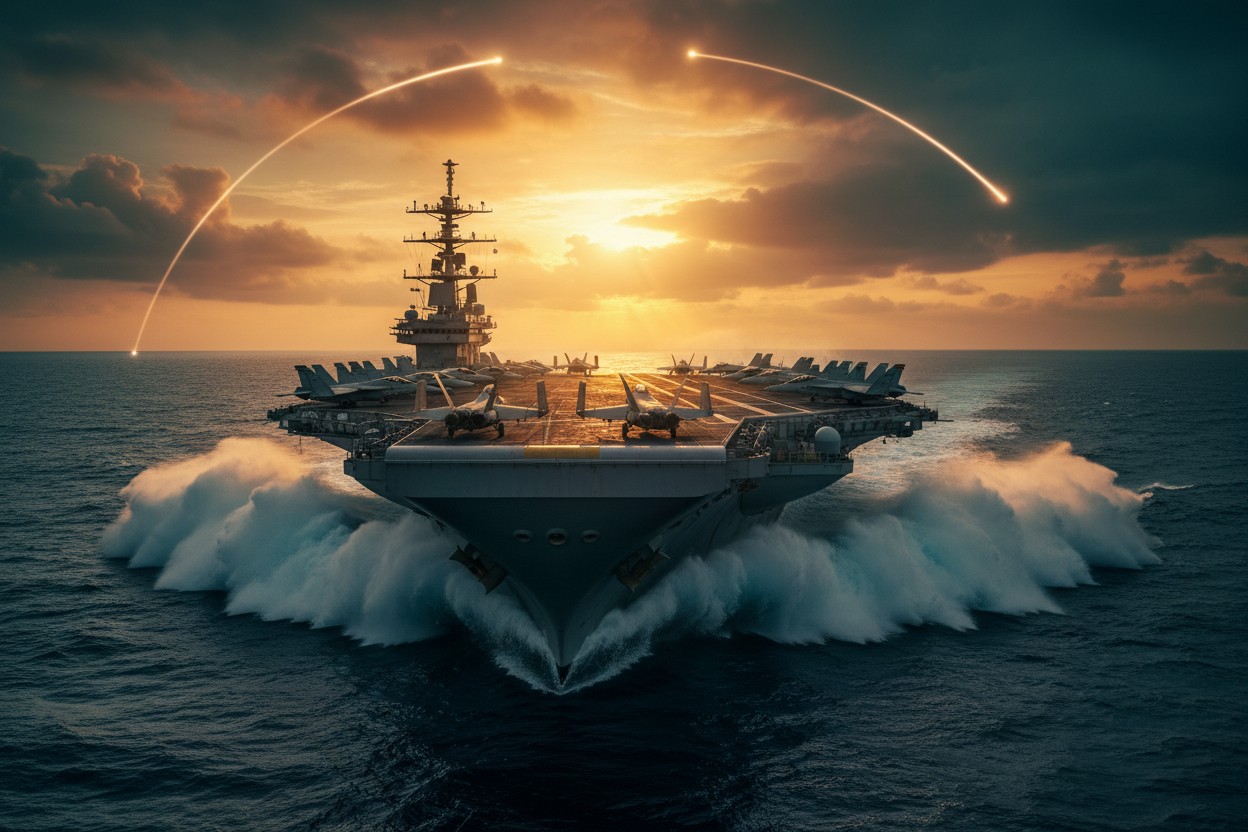
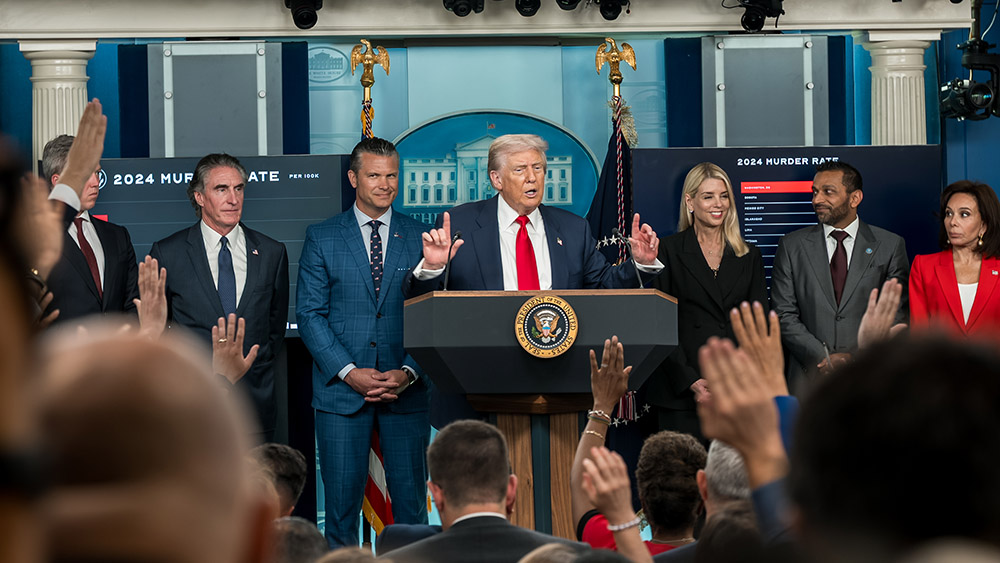
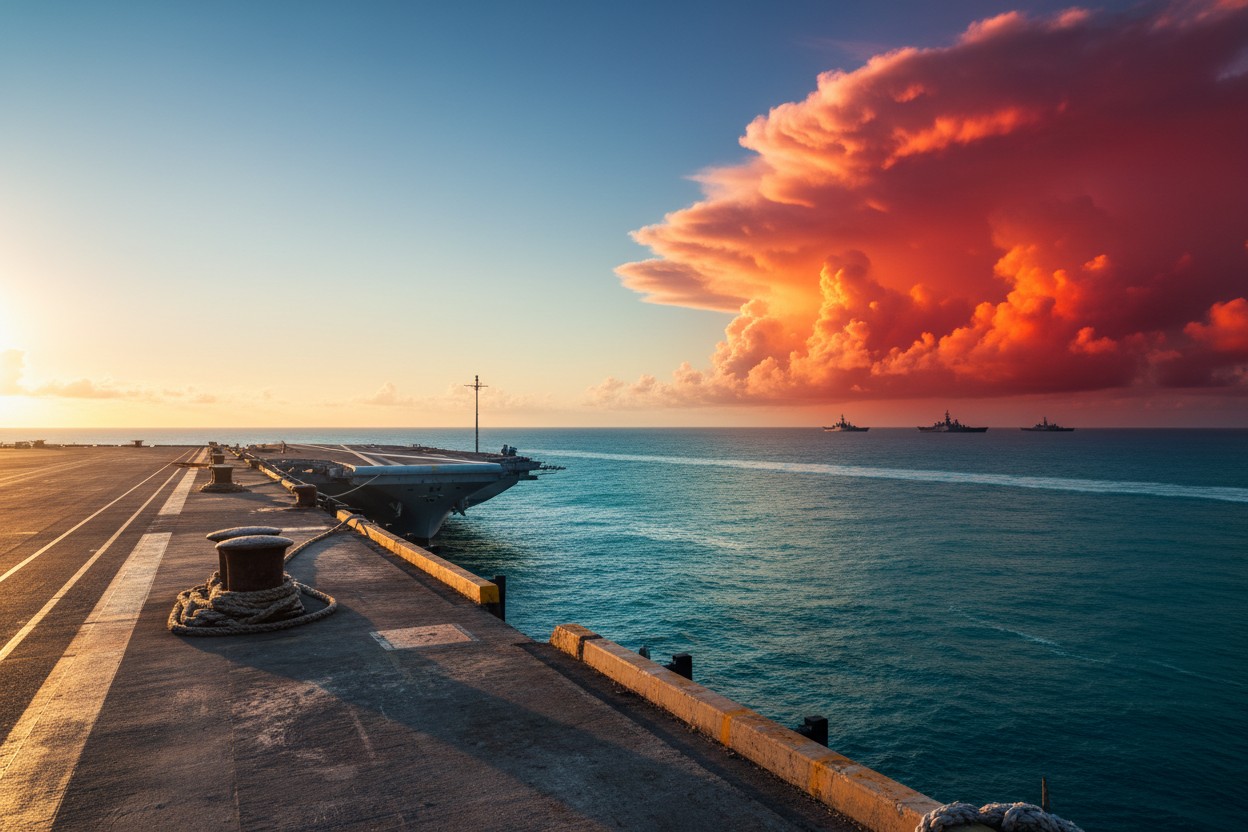
President Trump dismissed a report claiming the USS Abraham Lincoln had been damaged in an attack, telling reporters that family members of the crew had nothing to worry about and that nine months at sea was “not nearly long enough” [1]. The report, which circulated on social media, alleged that a missile strike had hit the carrier in the Persian Gulf. No U.S. official confirmed the incident, and the report did not include photographic or video evidence, according to officials.
The dismissal followed weeks of administration pushback on carrier-related claims. Secretary of War Pete Hegseth said reports about conditions aboard the Lincoln had been “misrepresented,” but he did not deny them [2]. The Trump administration also pushed back on claims about the carrier [3]. After a visit to the vessel, the top U.S. commander in the Middle East, Adm. Brad Cooper, said mental health was a “priority” and that the ship had “among the lowest number of cases related to mental health” out of 11 active carriers [4].
Content and Source of the Report
Unverified claims of damage to U.S. carriers have circulated for months. Analyst Steve Quayle, in an interview, questioned whether satellite images could confirm “damage reports from sources claiming minor hits on American carriers” and cited an allegedly photoshopped photo of the USS Eisenhower’s flight deck [5]. Similar claims involving the Lincoln have not been confirmed by U.S. officials.
In February, an F-35C from the Lincoln downed a Shahed-139 drone about 500 miles off Iran’s coast after it ignored de-escalation attempts, according to a report. Hours earlier, Iranian gunboats tried to board a U.S.-flagged tanker in the Strait of Hormuz, the same report said [6].
President Trump later recounted that the Lincoln faced an attack of 111 missiles, which he said were all intercepted, primarily by Patriot defense systems [7]. Iranian commanders have also threatened to sink the carrier; one report in January said such a threat was issued as the Middle East moved closer to a “cataclysmic showdown” [8].
Official Responses From the White House and Pentagon
White House officials did not describe the alleged strike as an attack. Instead, they pointed to the carrier’s continued operations. Hegseth, when asked about the ship, called the reports “misrepresented” but did not deny that sailors had attempted to jump overboard [2]. The Navy did not report damage to the vessel.
Congressional pressure has focused on the crew. Sen. Richard Blumenthal wrote to Defense Secretary Pete Hegseth demanding answers about conditions on the carrier, which “has been deployed more than 250 days” and has gone “over 200 days” without coming ashore, setting a record [9]. Reports described food shortages, broken plumbing and suicide attempts aboard the ship [10].
Adm. Brad Cooper said after visiting the Lincoln that Navy service at sea for long periods was “uniquely challenging and tough,” but that the ship had among the lowest number of mental health cases of 11 active carriers [4].
Background on the USS Abraham Lincoln Deployment
The USS Abraham Lincoln was ordered to redeploy to the Middle East in January 2026 in response to escalating tensions with Iran [11]. The carrier strike group arrived in U.S. Central Command’s area of control by Jan. 26, according to a U.S. official [12]. The USS Gerald R. Ford, the world’s largest carrier, was later diverted from the Caribbean to join it, giving Washington two carriers in the region [13].
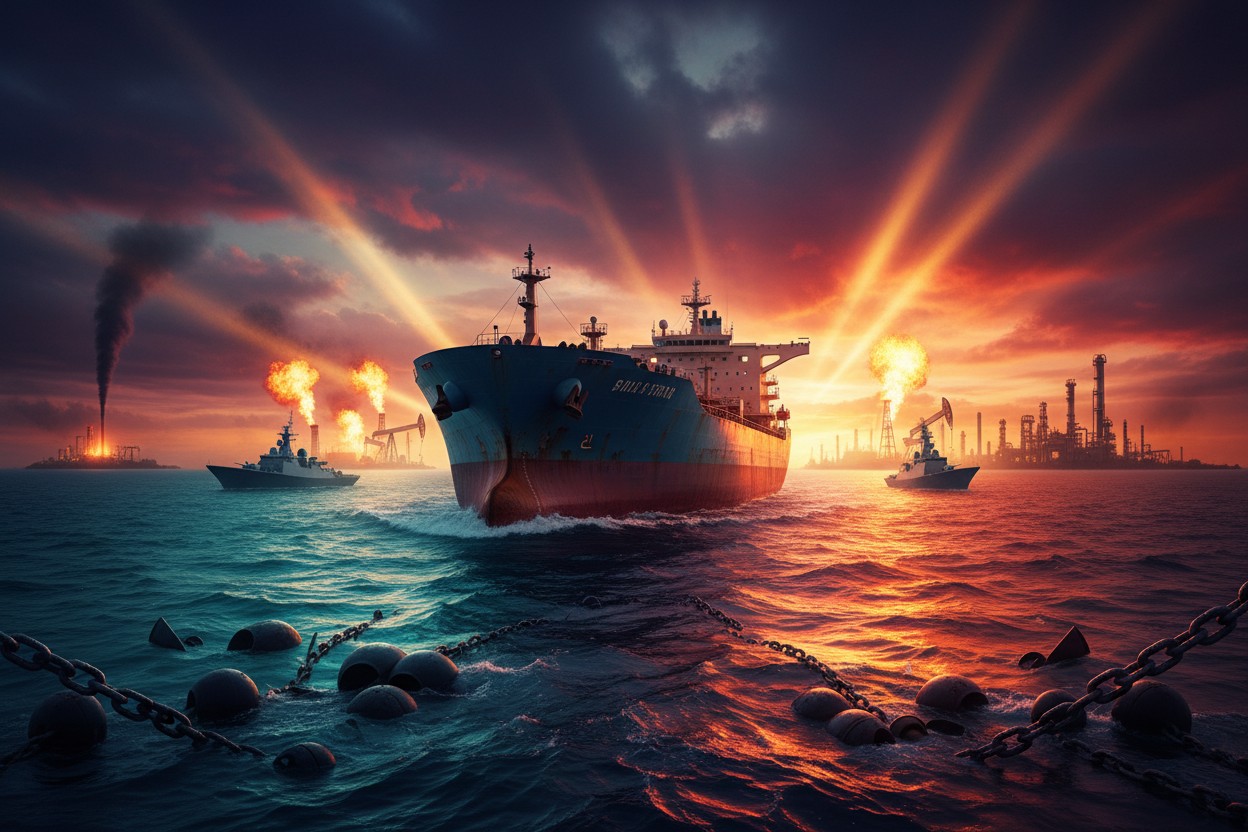
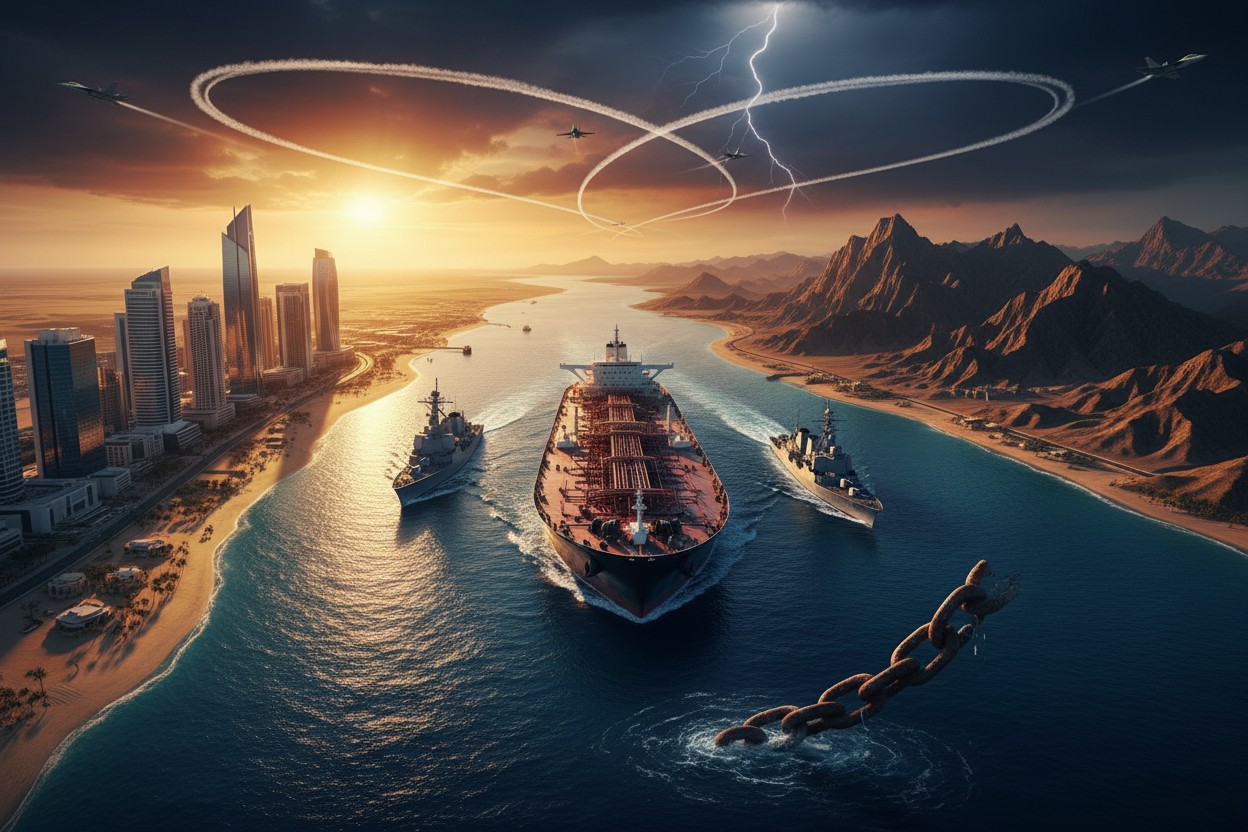
The Lincoln became a central platform for blockade operations. U.S. Central Command said F/A-18 Super Hornets launched from the carrier as it enforced a blockade of Iranian ports and supported “Project Freedom” [14]. In May, a jet launched from the Lincoln disabled an Iranian-flagged ship attempting to run the blockade by firing on its rudder [15].
The deployment has been extended indefinitely. The Lincoln had been at sea with no port call for more than 200 days, setting a record [9]. The USS George Washington was ordered to replace it, leaving the western Pacific without a U.S. aircraft carrier [16].
Reactions and Regional Context
Regional defense analysts said unverified attack claims may have been aimed at testing U.S. response procedures, according to interviews. Officials from allied nations offered no independent verification of the alleged attack. The report appeared amid sustained tensions between the United States and Iran, which analysts described as an unprecedented concentration of naval firepower [17]. No changes to U.S. force posture were announced.
Independent commentators warned that the buildup carried risks. One analysis said the concentration of naval firepower in the Middle East could end in catastrophe [17]. Another argued that a war with Iran would shatter U.S. military readiness and trigger global economic collapse [18].
Conclusion
Trump’s dismissal, along with the administration’s denial, left the original report unconfirmed. As of the latest update, the USS Abraham Lincoln remained on station, according to a military spokesperson [19]. The USS George Washington was en route to relieve the Lincoln, which was expected to cross into the Pacific after the handoff [19].
The episode underscored the difficulty of verifying military claims in a region where threats, propaganda and open-source speculation overlap. Historical accounts have warned that displays of naval power can become exercises in hubris; Lewis H. Lapham described hubris as “the unbridled vanity that goeth before a fall” [20], and he applied that warning to an earlier presidential appearance aboard the USS Abraham Lincoln in 2003 [21].
References
- Zero Hedge. “Trump: 9 Months At Sea For USS Lincoln ‘Not Nearly Long Enough'”. August 16, 2026.
- Just the News. “Hegseth says reports about conditions on USS Lincoln are misrepresented, but does not deny them”. August 13, 2026.
- Brighteon.com. “Trump Administration Pushes Back on USS Abraham Lincoln Conditions Claims”. August 16, 2026.
- BBC News. “US commander says mental health a ‘priority’ on USS Lincoln”. August 16, 2026.
- Mike Adams. “Mike Adams interview with Steve Quayle – June 12 2024”. June 12, 2024.
- 100PercentFedUp. “BREAKING: U.S.S. Abraham Lincoln Attacked By Kamikaze Drone-Missile”. February 4, 2026.
- NaturalNews.com. “Trump Mislabels Japan as ‘Islamic Republic’ in NATO Summit Remarks”. July 9, 2026.
- End of the American Dream. “Iran Threatens To Sink The USS Abraham Lincoln As The Middle East Edges Closer To A Cataclysmic Showdown”. January 26, 2026.
- Times of Israel. “Multiple USS Lincoln sailors tried to go overboard amid dire conditions – reports”. August 13, 2026.
- BBC News. “Conditions on US aircraft carrier at sea for more than 250 days raise alarms”. August 13, 2026.
- The National Pulse. “WAR? Trump Redeploys Carrier Strike Group to Middle East.” January 15, 2026.
- Antiwar.com. “USS Abraham Lincoln Aircraft Carrier Strike Group Arrives in the Middle East”. January 26, 2026.
- Kevin Hughes. “US Deploys Second Aircraft Carrier to Middle East Amid Escalating Tensions with Iran”. NaturalNews.com. February 16, 2026.
- Middle East Eye. “US deploys jets, helicopters to support escort operation”. May 5, 2026.
- The War Zone. “F/A-18 Super Hornet Blasts Blockade-Running Iranian Ship’s Rudder With 20mm Cannon”. May 6, 2026.
- Times of Israel. “US pulls last aircraft carrier in Pacific as Trump focuses on Iran, Western Hemisphere”. August 15, 2026.
- NaturalNews.com. “A Trap in the Gulf: Why Trump’s Naval Buildup Near Iran Could End in Catastrophe”. February 17, 2026.
- Mike Adams. “Why Trump’s War on Iran Would Shatter U.S. Military Readiness and Trigger Global Collapse”. NaturalNews.com. January 30, 2026.
- The War Zone. “Where Are The Aircraft Carriers?: August 17, 2026”. August 18, 2026.
- Lewis H. Lapham. “Age of Folly”.
- Lewis H. Lapham. “Age of folly America abandons its democracy”.
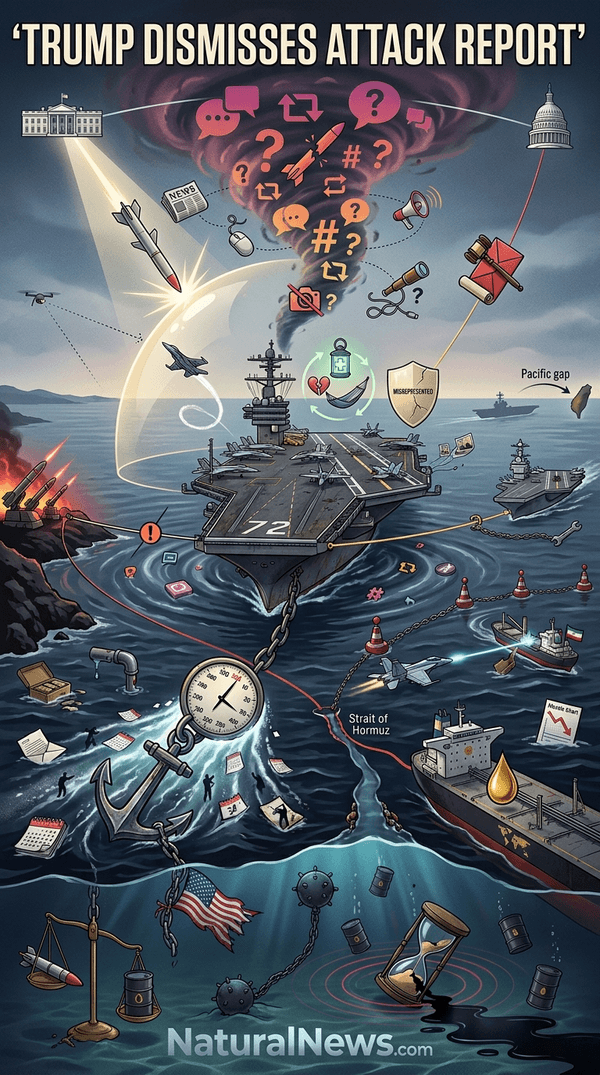
Explainer Infographic
Submit a correction >>
Tagged Under:
aircraft carrier, attack, big government, chaos, disinfo, Donald Trump, fake news, Iran, lies, Middle East, military tech, national security, navy, terrorism, truth, violence, weapons technology, White House, WWIII
This article may contain statements that reflect the opinion of the author
RECENT NEWS & ARTICLES